Lancia Lybra classic cars for sale
The Lancia Lybra, produced from 1998 to 2005, exemplifies Lancia's approach to comfort and Italian engineering in the compact executive class. With both saloon (Berlina) and estate (Station Wagon) versions, it stood as the successor to the Dedra and utilised the Alfa Romeo 156 floorpan, delivering Lancia's unique interpretation of refinement and practicality.
Search results
Currently, there are no matching listings for your search.
Create search alert
Let yourself be notified as soon as a listing is published that matches your search filters.
Create listing
Do you have a Lancia Lybra that you want to sell? Then create a listing now.
Create listingLancia Lybra listing references from Classic Trader
Below you will find listings related to your search that are no longer available on Classic Trader. Use this information to gain insight into availability, value trends, and current pricing for a "Lancia Lybra" to make a more informed purchasing decision.
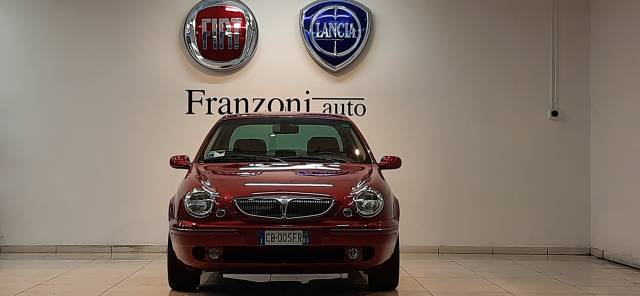
2002 | Lancia Lybra 2.0 20V
Una Super Full Optional di 20 anni che sembra appena uscita dalla fabbrica!
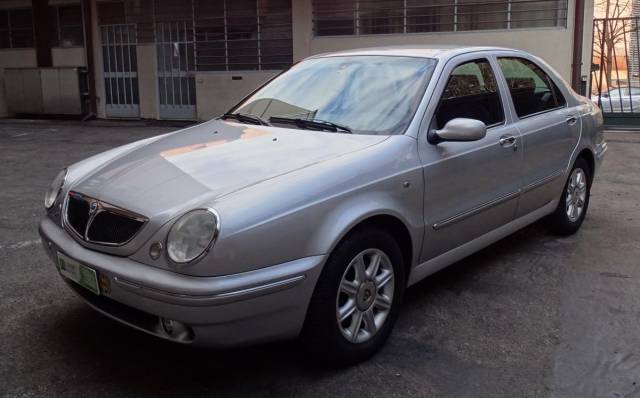
2000 | Lancia Lybra 1.8
LANCIA - Lybra - 16V VVT LX
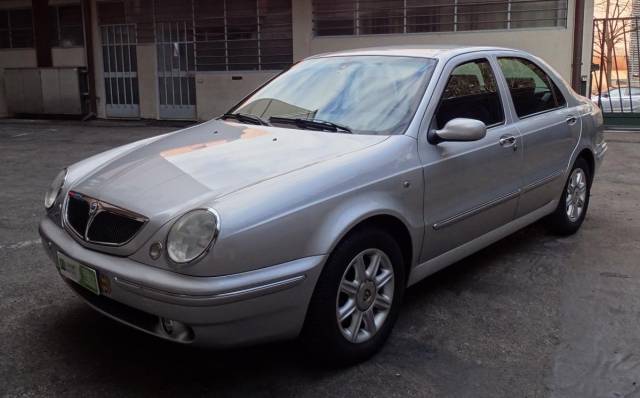
2000 | Lancia Lybra 1.6 16v
LANCIA - Lybra - 16V VVT LX
Create search alert
Let yourself be notified as soon as a listing is published that matches your search filters.
Create listing
Do you have a Lancia Lybra that you want to sell? Then create a listing now.
Create listingLancia Lybra Classic Cars: Prices & Market Values
History of the Lancia Lybra
The Lancia Lybra emerged in 1998 as Lancia repositioned itself within the mid-sized executive car segment. It was intended as the modern replacement of the Dedra, building on Fiat Group’s platform-sharing ethos by utilising the Alfa Romeo 156’s underpinnings. Production lasted until 2005, by which time Lancia had built a total of 164,660 examples. The Lybra carried forward Lancia’s tradition of blending sophisticated ride comfort with unique Italian style, addressing the needs of professional and family-oriented buyers seeking discrete luxury. As with its predecessors, quality of materials and interior refinement stood out among direct competitors.
Model history
The Lybra’s direct predecessor was the Lancia Dedra, itself a successful representative in the compact executive class. Launched in both Berlina (saloon) and Station Wagon (estate) body styles, the Lybra addressed growing demand for versatility. After production ceased in 2005, the model was effectively succeeded by the Lancia Delta and, to some extent, the Thesis for customers seeking a larger vehicle. The Lybra's production run marks it as the last Lancia in this class to fully embrace traditional saloon and estate layouts before the brand transitioned to more modern body styles.
Highlights and key features
The Lybra is notable for its well-appointed interiors, featuring high-quality upholstery, modern electronics for its era, and a focus on ride comfort expected from Lancia. As it was based on the Alfa 156 platform, owners benefit from Italian handling traits paired with more restrained, comfort-focused tuning. The Lybra was available with a range of petrol and diesel engines, catering to a broad spectrum of buyers, and stood out in its class for its understated elegance and long-distance comfort.
Technical Data
Special Editions and Collectible Models
There is no record of officially designated limited or special edition variants of the Lancia Lybra. Customisation largely involved trim and specification differences between the Berlina and Station Wagon, with optional technological and comfort features reflecting the individual buyer’s preferences.
Weak Spots and Common Issues
No specific weak spots or common issues are documented for the Lancia Lybra. As with any vehicle of this era, attention should be paid to the regular maintenance of the suspension, electronics, and diesel engine components to ensure continued reliability.
Engine, Performance, Transmission and Handling
The Lybra offered a driving experience that balanced comfort with capable, predictable handling, rooted in its Alfa 156-derived platform. The selection of engines ranged from efficient four-cylinder petrols to robust turbo diesels. While the Lybra was not designed for sporty dynamics, its chassis tuning prioritised assured roadholding and comfort over outright performance.
Popular models:
- Lancia Lybra 1.8 16V: Reliable petrol engine with smooth power delivery, ideal for everyday use.
- Lancia Lybra 1.9 JTD: Sought after for its strong diesel performance and economy, valued in the estate body for practical use. undefined
Interior, Comfort, Exterior and Design
The Lybra’s design reflects late '90s Lancia priorities, with understated exterior styling that favours flowing surfaces and distinctive grille treatment. Inside, emphasis was placed on plush materials, ergonomically arranged controls, and advanced (for its time) features such as automatic climate control, premium audio, and optional leather trim. Special versions could be ordered with unique upholstery and dashboard finishes, but the focus remained on delivering refined comfort over flashy details.
Other features
The Lybra marked a turning point for Lancia as it sought to modernise its mid-size offering. Practical features like large luggage capacity in the Station Wagon, rear folding seats, and modular storage solutions enhanced everyday usability without detracting from Lancia’s established comfort credentials.
Summary
The Lancia Lybra exemplifies the brand's approach to understated luxury, ride comfort and elegant Italian design for the compact executive class. Its position as the final model in Lancia’s traditional mid-size range gives it unique appeal among enthusiasts seeking modern usability with historic Lancia character.