- Car
- Lamborghini
- Lamborghini Espada (11 offers)
Lamborghini Espada classic cars for sale
The Lamborghini Espada combined the technical ambition of a V12 grand tourer with true four-seat practicality, produced from 1968 to 1978 across three series. Its bold Gandini design, advanced engineering and usability make it stand apart among classic Lamborghinis.
Search results
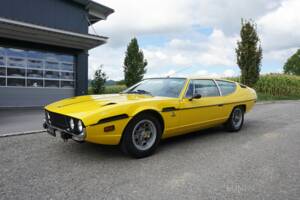
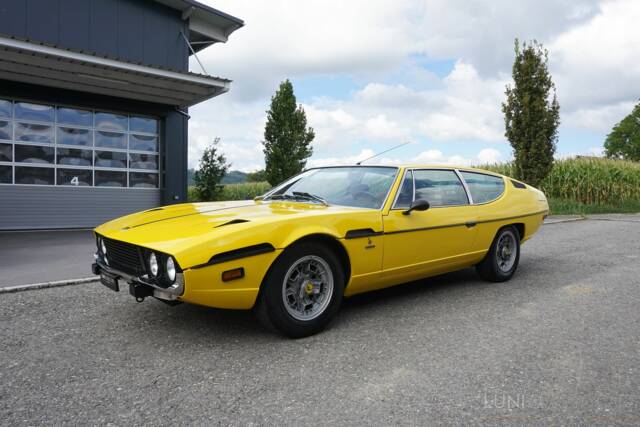
1973 | Lamborghini Espada
Vier Sitze, zwölf Zylinder und eine Karosserie wie aus einer anderen Welt: Der Espada verbindet italienische Exotik mit echter GT-Kultur.

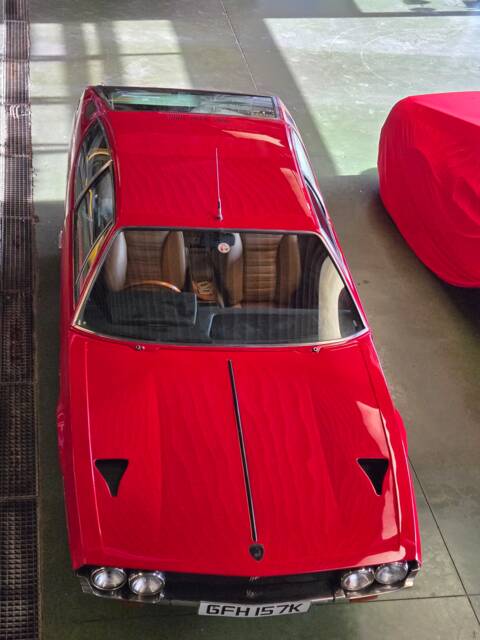
1972 | Lamborghini Espada
Lamborghini Espada Serie 2 Project

Auctions ending soon

Loading…
Loading…
Loading…
Loading…
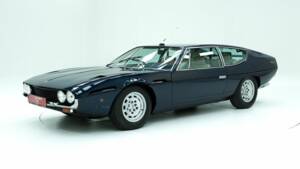
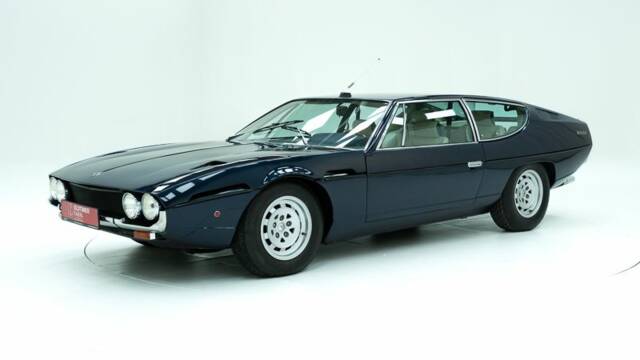
1972 | Lamborghini Espada
1972 Lamborghini Espada '72
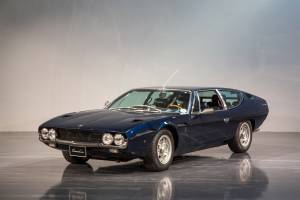
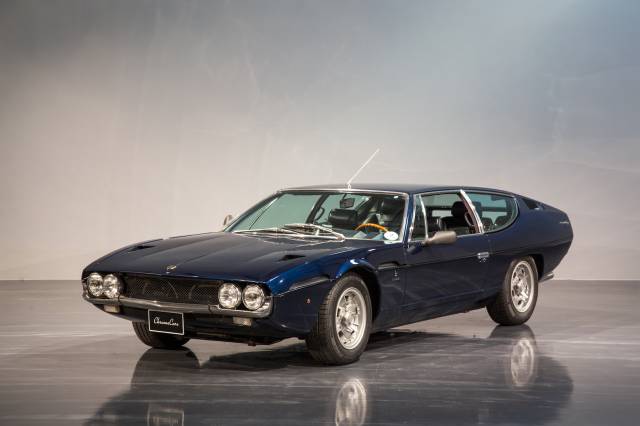
1969 | Lamborghini Espada
Seltene erste Serie

Newsletter
The best Lamborghini listings, straight to your inbox
Get hand-picked Lamborghini listings, plus the best of cars, motorbikes, and auctions on Classic Trader — all in one place.
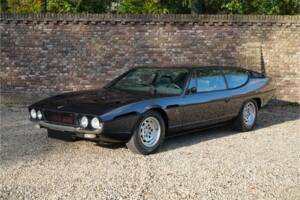
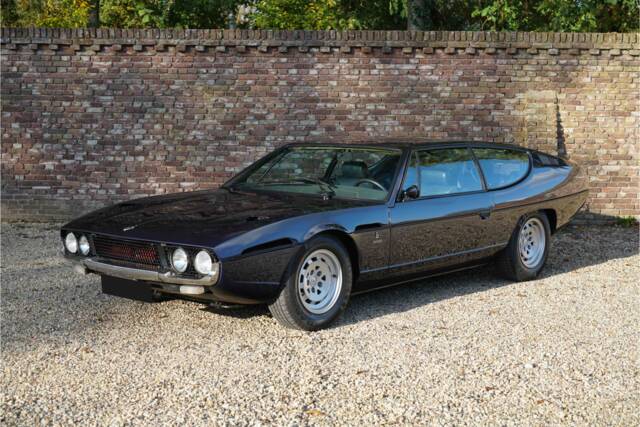
1973 | Lamborghini Espada
Lamborghini Espada series 3 La "4 posti" sportiva, series 3 with AC, the final series Espada, A masterful and futuristic design, Equipped with its original and therefore “Matching Numbers” engine, Extensive maintenance history available from the last 2 decades

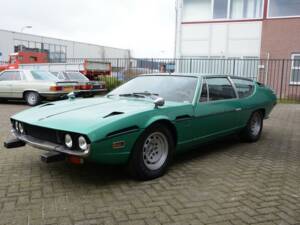
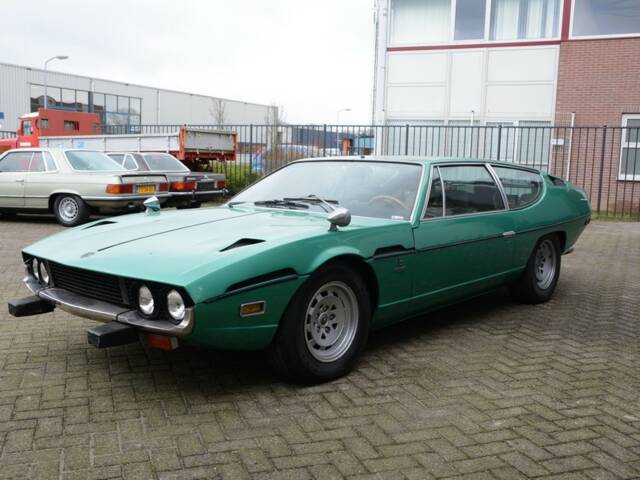
1973 | Lamborghini Espada
Lamborghini Espada Series 3 "Running" project, accompanied by an “Olivier Nameche” report, Matching Numbers and Colors example, Finished in "Verde Metallizato combinato con Verde Chiaro", Newly delivered by Modena Car in New York-USA,
1973 | Lamborghini Espada
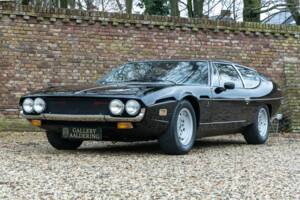
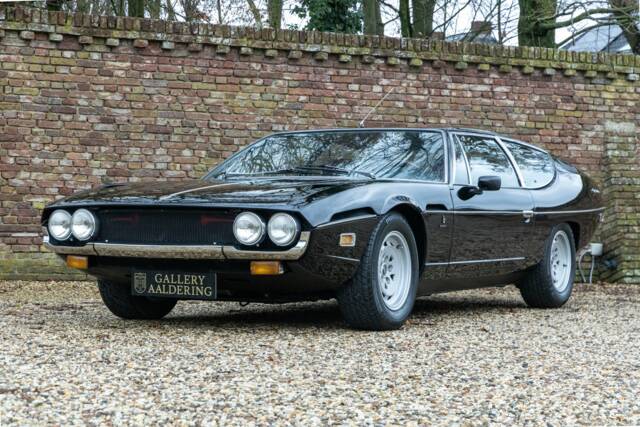
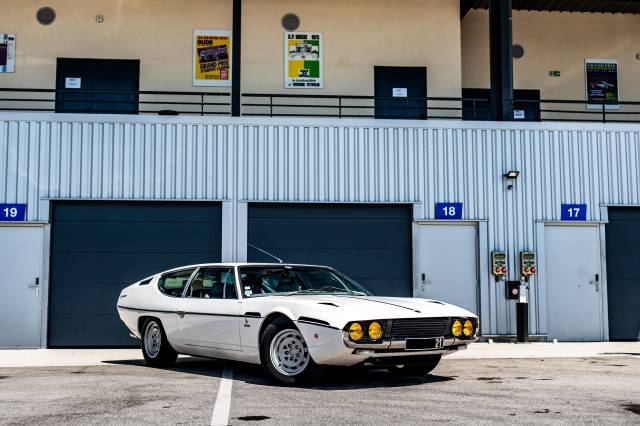
Lamborghini Espada series 2 "Matching Numbers" Presented in "Nero Cangiante over Bordeaux Senape leather interior", A 'matching numbers' Espada, Offered with an Olivier Nameche Report “Lamborghini historian”, Delivered new to M.S.C.S New York, 578 examples made from December 1969 to November 1972, In factory-correct colour combination,
1971 | Lamborghini Espada
Matching Numbers! / Matching Colours! / Erstleder!
1973 | Lamborghini Espada
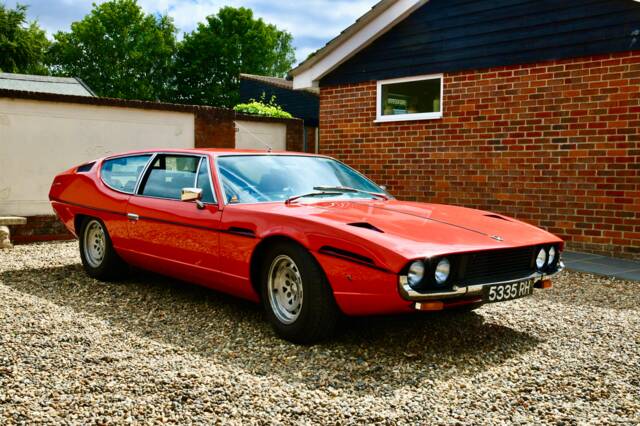
Lamborghini Espada Series 3


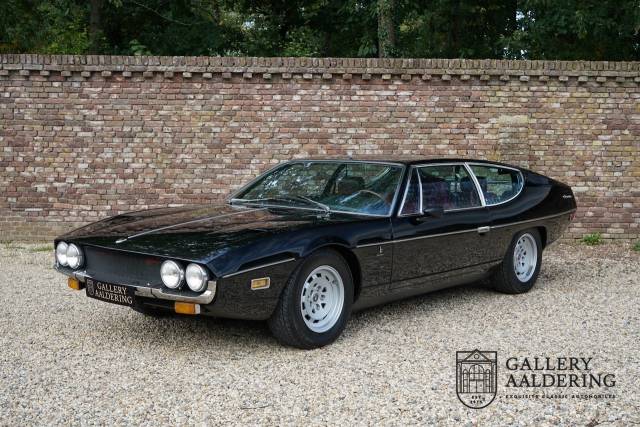
1973 | Lamborghini Espada
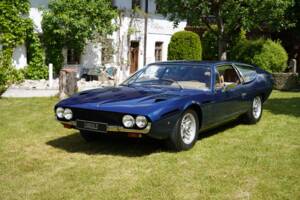
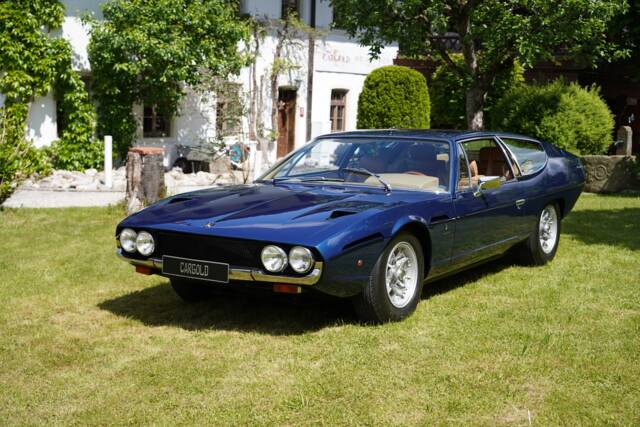
Lamborghini Espada series 2 "400GTE" Presented in "Nero Cangiante over Bordeaux Senape leather interior", A 'matching numbers' Espada, 578 examples made from December 1969 to November 1972, Delivered new to M.S.C.S New York
Lamborghini Espada listing references from Classic Trader
Below you will find listings related to your search that are no longer available on Classic Trader. Use this information to gain insight into availability, value trends, and current pricing for a "Lamborghini Espada" to make a more informed purchasing decision.
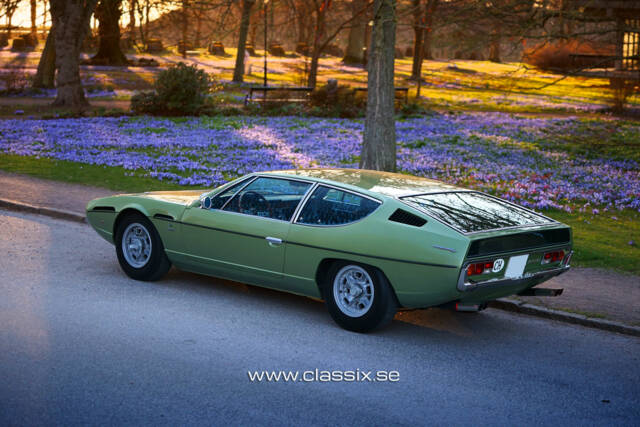
1970 | Lamborghini Espada
51.000 Orginal km!

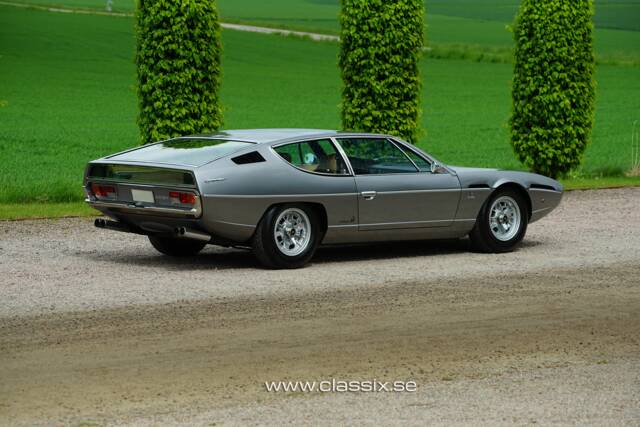
1970 | Lamborghini Espada
Top condition! AC! S2
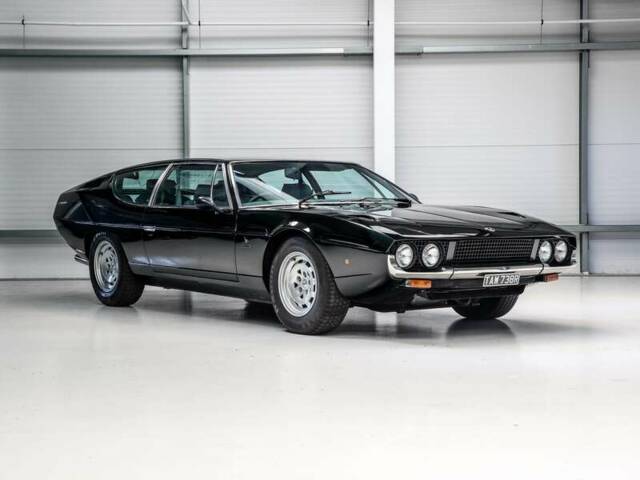
1976 | Lamborghini Espada
1976 Lamborghini Espada Series III
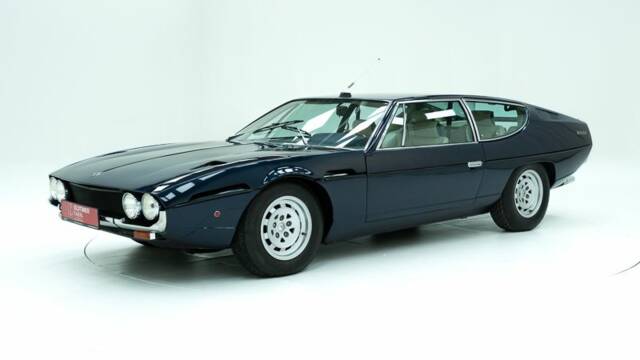
1972 | Lamborghini Espada
1972 Lamborghini Espada '72
Lamborghini Espada Classic Cars: Prices & Market Values
Introduction and history of the Lamborghini Espada
The Lamborghini Espada marked a decisive move for Lamborghini with its launch in 1968 at the Geneva Motor Show: it was the first genuine four-seater from Sant’Agata Bolognese. Based on the Marzal show car’s striking design, the Espada was created by Marcello Gandini at Bertone, melding aggressive wedge-shaped lines with practical luxury. Its Spanish name, meaning ‘sword’, references its sharp, dynamic form and the brand’s bullfighting tradition. During its ten-year production, 1,217 cars were produced, making it the most widely built Lamborghini of the era. The Espada’s engineering drew heavily from the earlier 400 GT, but it offered more interior space and practicality than any Lamborghini before it. The car’s structure was produced in Milan, its bodywork in Turin at Bertone, and final assembly—including engine, transmission, and suspension—was completed in Sant’Agata Bolognese.
Model history
The Espada’s story unfolds over three key series. The Series I (1968–1970) set the template, with a 325 hp V12 and classic Gandini styling. Series II (1970–1972) upgraded the cabin with a redesigned dashboard, central console, and saw the introduction of optional power steering and vented disc brakes, with power increased to 350 hp. Series III (1972–1978) featured more significant interior updates, bigger rear lights, five-bolt wheels replacing centre-locks, and in 1973, Chrysler-supplied automatic transmission became available. Across all versions, the car retained its sharply tailored fastback silhouette. Production figures reflect the increasing sophistication: 186 units of the S1, 575 S2, and the remainder as S3.
Highlights of Lamborghini Espada
The Espada stands out as one of the few classic V12 grand tourers to accommodate four adults in comfort, with a remarkably large boot and impressive road presence. Key attributes included its Bertone-penned angular body, the low-profile V12 beneath an aluminium bonnet, sumptuous leather interior (with wood inlays and later TV or minibar options), and engineering touches such as twin fuel tanks of 95 litres combined and all-independent suspension. Factory air conditioning and electric windows were standard—all rare for its time.
Technical data
Special Editions and Collectible Models
A unique Espada derivative, the Lamborghini Faena by Pietro Frua, debuted at the 1978 Turin Motor Show as a four-door saloon based on the Espada chassis with a longer wheelbase. Built as a one-off, the Faena stands as a fascinating footnote and now resides in a Swiss private collection. Some late Espada models featured luxury extras such as dual-tone leather, a minibar, and even an in-car television—unusual luxury features for the period.
Engine and Performance, Transmission and Handling
Beneath the Espada’s long bonnet is the renowned Bizzarrini-designed V12, boasting a flat torque curve and up to 375 hp in high-revving form by the end of production. Acceleration from 0-100 km/h is achieved in 6.5 seconds (Serie I). Top speeds approached 260 km/h depending on the version. Early cars featured a ZF 5-speed manual, later joined by a Chrysler 3-speed automatic for Series III. Four-wheel independent suspension (double wishbone) and vented brakes (from S2 onwards) gave the Espada substantial touring credentials, though its wide track, long wheelbase and 1.5-tonne kerbweight accentuated stable, long-distance manners rather than nimble agility. Real-world usability was enhanced by power steering (from S2 optional), strong brakes, and impressive comfort for four adults. 1. Espada Serie III (Tipo 108 S3): Most sought after for its modernised underpinnings, updates to interior and wheels, and option of automatic transmission; also the most prevalent both in the market and collector interest. 2. Espada Serie II (Tipo 108 S2): Balances classic looks with technical advances such as better brakes and improved interior; significant step up in comfort and equipment. 3. Espada Serie I (Tipo 108 S1): Earliest, purest form; rarer on the classifieds but appeals to purists for originality and historical significance.
Interior, Comfort, Exterior and Design
Espada’s silhouette owes everything to Gandini’s strong wedge concepts for Bertone, contrasted by smoother rear lines and a black bonnet centre strip. The body primarily used steel, with aluminium for the bonnet to save weight. Throughout its run, the interior was leather-clad as standard, with most updates arriving at S2 and S3, including a rectangular instrument binnacle (with a 300 km/h speedo, 10,000 rpm tachometer, voltmeter, oil pressure, coolant temp, and fuel/ oil temp gauges), new centre console and wood trim. Standard equipment included factory air conditioning, electric windows, and—on later cars—options such as tinted glass and very special accessories like a minibar or TV. The Espada’s boot capacity is a practical 330 litres, making it practical in ways rarely seen from classic V12 GT cars. Five-lug magnesium wheels and distinctive rear lamps set apart S3, while S1 retained subtler detailing.
Other relevant features
The Espada’s combination of design extravagance, high-specification V12 mechanicals, and genuine four-place comfort has made it a growing presence in collector circles. Its position as Lamborghini’s most-produced pre-Countach model underlines its unique place in marque history. Values tend to lag behind Miura and Countach, but interest and appreciation for Espada’s relative practicality and exclusivity are rising steadily.
Summary
The Lamborghini Espada represents a distinct chapter in V12 GT design—a Bertone-shaped four-seater blending dramatic looks with practicality. Across its three series, the Espada developed into the most refined, usable Lamborghini of its generation. Its technical sophistication, bold shape, and elaborate interiors offer a compelling alternative within the classic Lamborghini world, with the Serie III models standing out for both their market presence and desirability.