Lada 1600 Classic Cars for Sale
The Lada 1600, known internally as the VAZ-2106, stands out as one of the most enduring and widely produced models in Lada history. Developed from the proven Lada 2105 platform, the 1600 was available both as a robust daily saloon and as a platform for vigorous motorsport evolutions, such as the notable VFTS rally versions. Known for its sturdy engineering and adaptability, the Lada 1600 offers a distinctive insight into Soviet and Russian automotive traditions.
Search results
Currently, there are no matching listings for your search.
Create search alert
Let yourself be notified as soon as a listing is published that matches your search filters.
Create listing
Do you have a Lada 1600 that you want to sell? Then create a listing now.
Create listingLada 1600 listing references from Classic Trader
Below you will find listings related to your search that are no longer available on Classic Trader. Use this information to gain insight into availability, value trends, and current pricing for a "Lada 1600" to make a more informed purchasing decision.
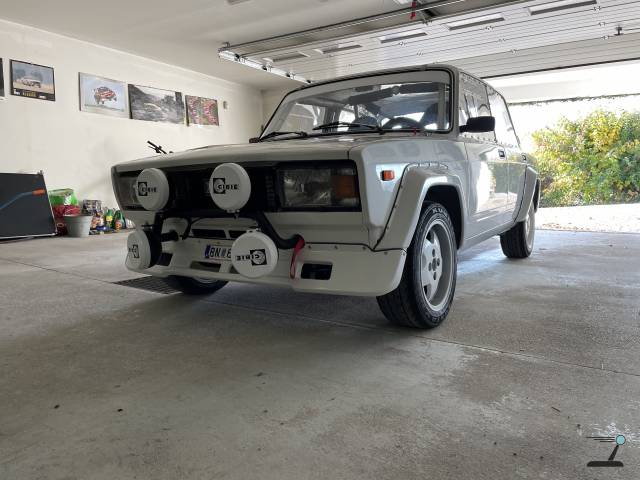
1981 | Lada 1600 VFTS Group B
Original Rallywagen, ready to go
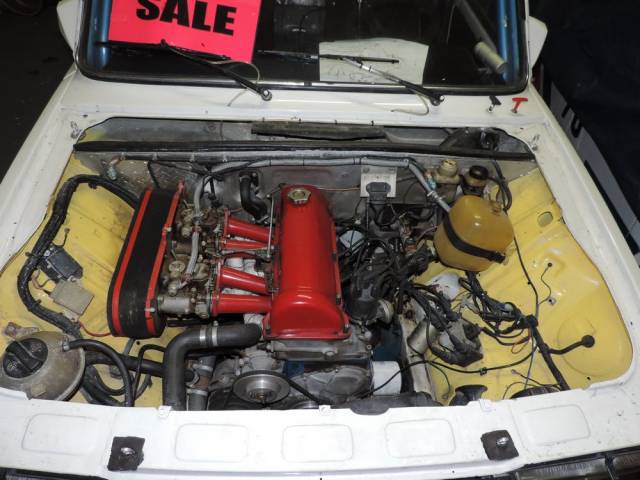
1982 | Lada 1600 VFTS Group B
Group B Rally Car
Create search alert
Let yourself be notified as soon as a listing is published that matches your search filters.
Create listing
Do you have a Lada 1600 that you want to sell? Then create a listing now.
Create listingLada 1600 Classic Cars: Prices & Market Values
History of the Lada 1600
The Lada 1600 (VAZ-2106) first rolled off the production lines at the Volga Automobile Plant (VAZ) as an evolution of the Zhiguli series. Manufactured for three decades, the model reflects Soviet automotive priorities: reliability, affordability, and ease of repair. Its production began in the Soviet Union and later continued in Russia and Ukraine after the USSR’s dissolution. With its characteristic nickname 'Shestyorka', the 1600 achieved immense domestic popularity and served as an accessible family car, a taxi, and even a government fleet vehicle.
Model History
The 1600 was directly derived from the earlier Lada 2105, blending established Fiat-based engineering with considerable local modifications. The model code VAZ-2106 reflects both technical and stylistic updates over the years, including improvements in trim, slight adjustments in body styling, and a more powerful 1.6-litre engine. While production in Tolyatti ended in 2001, manufacture continued for another five years at the Izhevsk facility. Motorsport variants such as the Lada VFTS rallied internationally, showcasing the platform’s potential for performance modifications.
Highlights of the Lada 1600
The Lada 1600’s simplicity meant it could be produced and maintained under challenging conditions, making it a pillar of personal mobility for millions. Motorsport specialists transformed standard 1600s into rally cars (notably the VFTS), resulting in structural reinforcements, upgraded brakes, special suspension developments, and dramatically increased engine outputs—sometimes exceeding 150 PS in racing trim. The range of homologated parts, from polycarbonate windows to aluminium radiators, speaks to the model's adaptability.
Technical Data
Special Editions and Collectible Models
The VFTS rally cars stand out as special derivatives, built for homologation in classes like Group B. These vehicles saw lightweight bodywork, competition interiors with roll cages, fire suppression systems, bucket seats, special dashboards, and upgraded lighting. Many details, such as aluminium bonnets, polycarbonate windows, and bespoke body kits, underline their racing focus.
Weak Spots and Common Issues
While specific data on weak spots is not available in this dataset, long production life and frequent use in harsh conditions mean typical issues to watch for include corrosion, especially in body panels and undercarriage, and wear in the drivetrain and suspension. Motorsport-converted examples demand scrutiny of all competition-related modifications for compliance and safety.
Engine and Performance, Transmission and Handling
Standard Lada 1600 models feature a naturally aspirated four-cylinder engine delivering moderate power suited for everyday use, while motorsport-oriented VFTS derivatives are known for substantially higher outputs and robust, reinforced running gear. Transformation from sedate saloon to competitive rally machine involved significant upgrades: custom transmissions, disc brake conversions (front), competition differentials, suspensions optimised for rough surfaces, and stripped interiors for weight savings. - Lada VFTS: High-performance, extensively modified for Group B rallying, exceeding 150 PS
- Standard Lada 1600 (VAZ-2106): 1.6L engine, rear-wheel drive, rugged and simple classification
Interior, Comfort, Exterior and Design
The Lada 1600 reflects its origins in cost-conscious, durable motoring. Interior trim prioritises function over luxury, though later variants saw incremental improvements in materials. Rally cars adopt fully competition-focused interiors: bolted-in roll cages, bucket seats, additional instrumentation, and removable steering wheels. Lightweight materials feature in exterior elements, like aluminium bonnet and boot lids in VFTS cars. Rally variants also display auxiliary headlamps, skirt extensions, and bespoke paint finishes. Standard examples often retain subdued Soviet styling, with chromed bumpers and minimal ornamentation.
Other Relevant Features
Homologation for several rally categories (notably Group B) enabled the Lada 1600 platform to continuously develop throughout its production, supporting a vast range of specialist parts, tuning options, and motorsport equipment. From reinforced axle housing to auxiliary fuel pumps and elaborate electrical setups, the potential for bespoke adaptation is considerable.
Summary
The Lada 1600, whether encountered as a reliable daily classic or a radical rally conversion, provides clear insight into the robust, adaptable spirit of Russian automotive engineering. Its strong following and long production run have earned it near-ubiquitous recognition among Eastern European classics, with extensive scope for both preservation and personalisation.