Jensen C-V8 classic cars for sale
The Jensen C-V8, built from 1962 to 1966, is a rare British GT car that marries American Chrysler V8 power with avant-garde fibreglass bodywork. Only a few hundred units were produced across three series (Mk I–Mk III), making every surviving example highly distinctive. Its combination of luxury, high performance, and innovative construction continues to intrigue enthusiasts.
Search results
Currently, there are no matching listings for your search.
Create search alert
Let yourself be notified as soon as a listing is published that matches your search filters.
Create listing
Do you have a Jensen C-V8 that you want to sell? Then create a listing now.
Create listingJensen C-V8 listing references from Classic Trader
Below you will find listings related to your search that are no longer available on Classic Trader. Use this information to gain insight into availability, value trends, and current pricing for a "Jensen C-V8" to make a more informed purchasing decision.
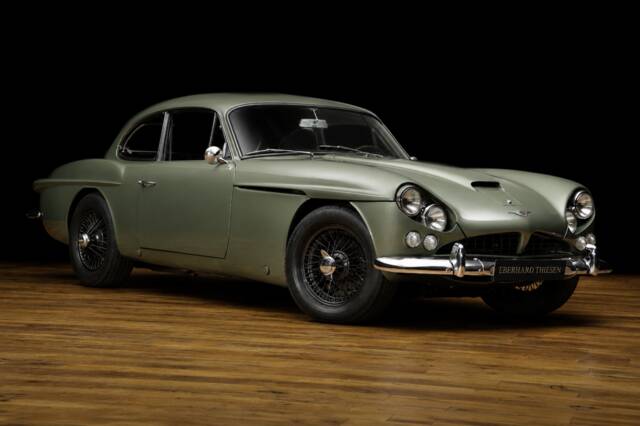
1966 | Jensen C-V8 MK III
Attractive, exceptional example, top restored condition

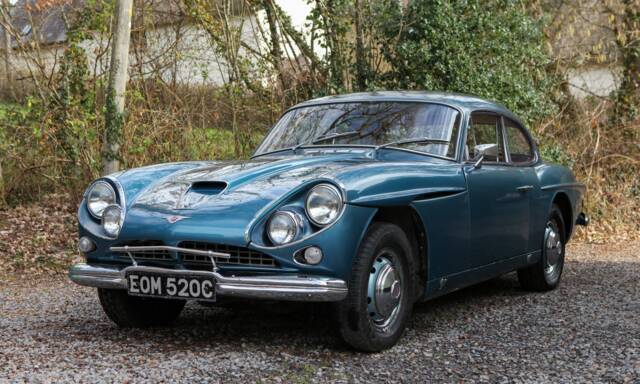
1965 | Jensen C-V8 MK II
1965 Jensen CV8 Mk. II

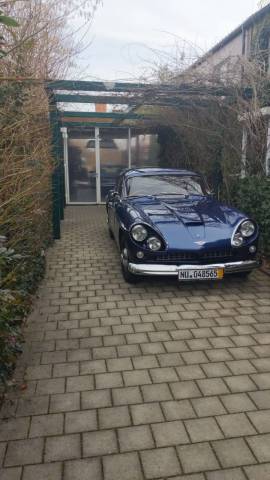
1964 | Jensen C-V8 MK II
Jensen C-V8 Kult-Sportwagen der GT-Klasse aus den 60ern
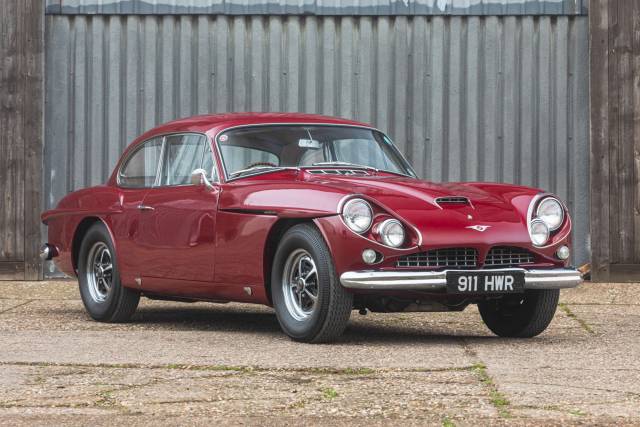
1963 | Jensen C-V8 MK I
1963 Jensen CV8
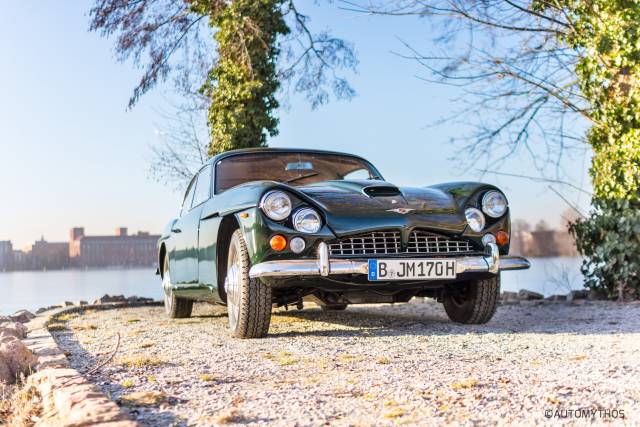
1966 | Jensen C-V8 MK III
Jensen C-V8 MK III – Linkslenker
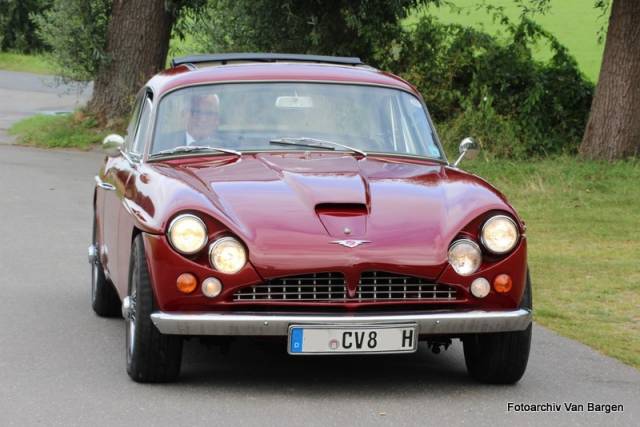
1966 | Jensen C-V8 MK III
In Deutschland aufwändig sehr gut restauriertes Fahrzeug
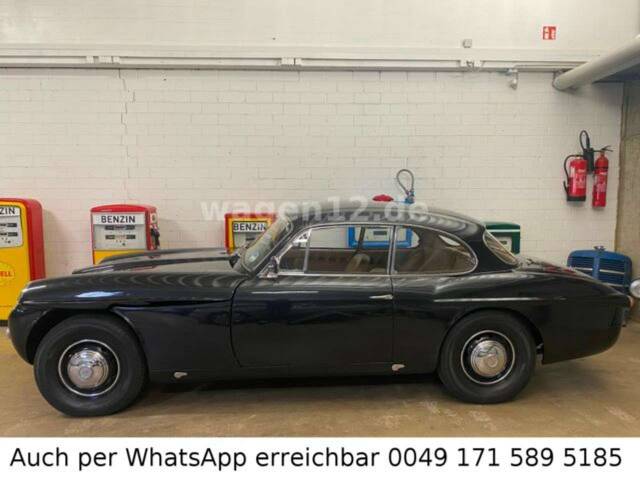
1964 | Jensen C-V8 MK I
Sonstige Marken Jensen CV 8
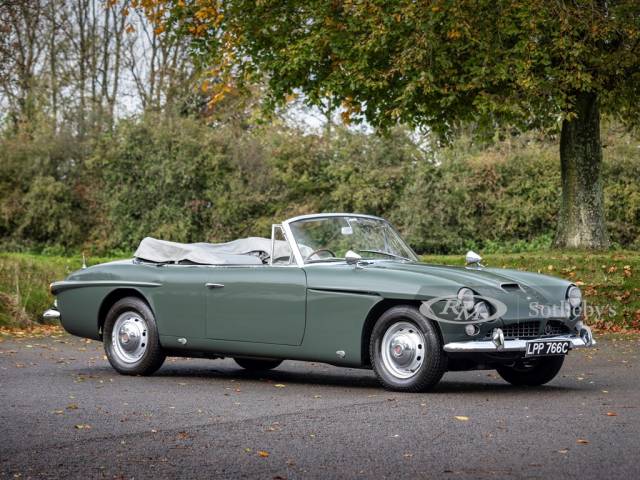
1965 | Jensen C-V8 MK III
1965 Jensen CV8 Drophead Coupé Prototype
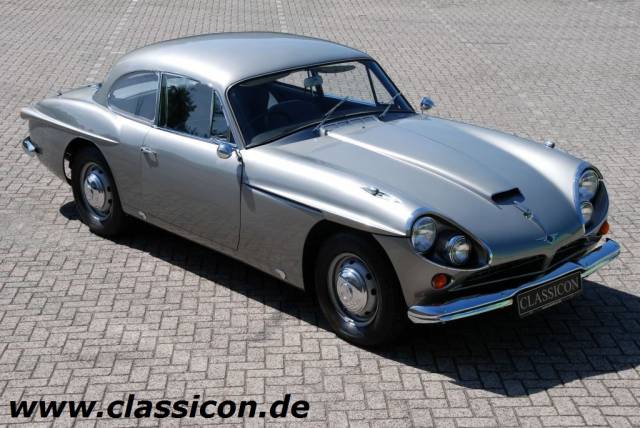
1963 | Jensen C-V8 MK I
- 1 von nur 69 Exemplaren der ersten Serie! / one of only 69 examples made!
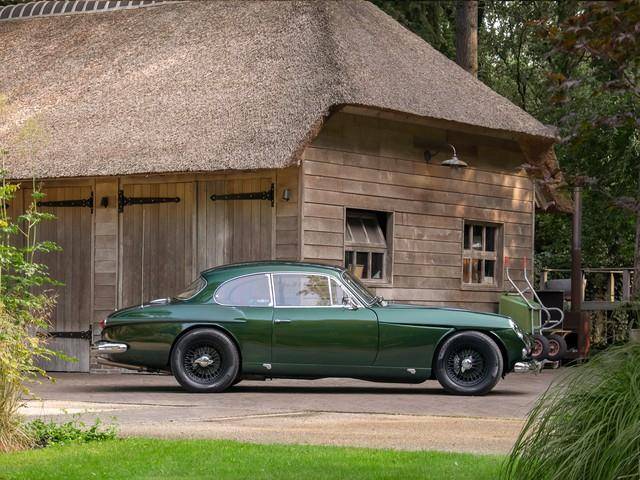
1965 | Jensen C-V8 MK II
Oldtimer Jensen C V8 MK II | top condition |

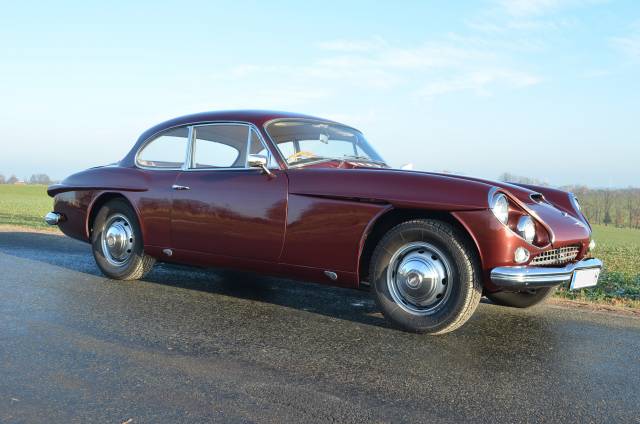
1964 | Jensen C-V8 MK II
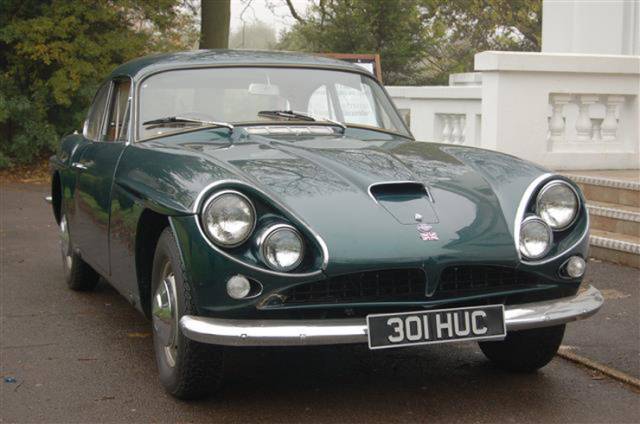
1964 | Jensen C-V8 MK II
Create search alert
Let yourself be notified as soon as a listing is published that matches your search filters.
Create listing
Do you have a Jensen C-V8 that you want to sell? Then create a listing now.
Create listingJensen C-V8 Classic Cars: Prices & Market Values
History of the Jensen C-V8
Jensen Motors produced the C-V8 from 1962 to 1966 as a bold departure from mainstream British GTs. Engineered for grand touring, the C-V8 combined an advanced ladder-frame chassis, much of it constructed for rigidity and lightweight using vacuum-assisted technology, with an innovative fibreglass body, a rare choice in its era. The car's unique profile was penned by Eric Neale, whose sweeping lines, twin headlights, and assertive front grille set it apart. The C-V8 was engineered as a luxurious, four-seat grand tourer, prioritising comfort and endurance for high-speed touring. Throughout its lifespan, Jensen iterated on the design, introducing technical and visual upgrades with each generation.
Model History
The Jensen C-V8 spanned three generations: Mk I (1962–63) impressed with its pioneering fibreglass body, large boot lid, and distinctive bonnet opener. Mk II (1963–65) introduced a more integrated bonnet release, updated side lights, and—significantly—an optional four-speed manual gearbox. The Mk III (1965–66) refined the visual formula further, with reworked front-end styling, uniformly larger headlights, and a more ornate walnut dashboard. All models featured Chrysler V8 engines, but with periodic upgrades in displacement and output; by the Mk III, figures crested 330 horsepower from the 6.3-litre V8. Only about 499 units were made across all variants, and left-hand-drive models are exceedingly scarce.
Highlights and Statistics
The Jensen C-V8 broke with British tradition, utilising robust Chrysler V8 engines and advanced lightweight construction. The car’s performance—well above 200 km/h, with 0–100 km/h sprints taking just ~6 seconds in later versions—eclipsed many contemporary GTs, including the Jaguar E-Type and Aston Martin DB5. The C-V8’s unique blend of British craftsmanship, American muscle, and exotic design elements—like the semi-open ‘shark mouth’ grille, double-headlights, and abundant walnut veneer and leather—marks it out among 1960s GTs.
Technical Data
Special Editions and Rare Variants
The rarest C-V8s are factory-built left-hand-drive models, of which roughly ten were made. Over its lifecycle, Jensen produced numerous minor variants in detail and trim. Accessories like the original Motorola radio with a 'JENSEN' logo, and factory wire wheels, confer added appeal to collectors. Restorations often value the original walnut dash, British Jaeger instruments, and luxury fittings.
Weak Spots and Common Issues
Information on specific weak spots for the C-V8 is limited in the current dataset. As with many low-volume fibreglass-bodied classics, potential buyers should be attentive to the condition of the body, chassis, braking vacuum systems, and originality of the mechanical and interior features.
Engine, Transmission, and Driving Dynamics
The use of large-displacement Chrysler V8s endowed the C-V8 with abundant, reliable power—surpassing many of its British rivals both in raw speed and acceleration. The Torqueflite automatic gearbox, nearly universal on all cars, gave relaxed long-distance motoring, while the rare four-speed manual enhances driver interaction. Steering is light for its era, with some low-speed corrections needed; ride comfort reflects the saloon-based GT ethos. Compared to its peers, the C-V8 out-accelerates icons like the Jaguar E-Type and the Aston Martin DB5, and competes head-on with Italian exotics of its generation. - Mk II: 6.3-litre V8, mix of automatic/manual transmission, most popular among current buyers (nearly 60% of listing views).
- Mk III: 6.3-litre V8, further refined, approximately 41% of listings viewed.
- Mk I: The original, seldom seen in the wild and least represented in recent demand.
Interior, Comfort, Exterior, and Design
Eric Neale's design for the Jensen C-V8 is unmistakable: double-headlights (either covered or uncovered), pronounced chrome vertical grille, and a curvaceous fibreglass body. The 2+2 cabin lavishes occupants with extensive leather, walnut-veneered dashboards, and British Jaeger instrumentation. Chromed elements abound, from exterior accents to switchgear. Special details include optional wire wheels and the hallmark Motorola radio. Paint options ranged from understated saloon hues to sportier colours, often finished with high-gloss lacquer to accentuate the fibreglass forms. Mk III models boast reworked fronts, larger and matching headlamps, and advanced switch layouts. The rear is notable for its pronounced boot shape, contributing both to luggage capacity and period-correct style.
Other Noteworthy Features
Original owner's manuals and factory documentation are increasingly rare and prized among restorers. Thanks to the C-V8’s rarity, especially in left-hand-drive configuration, and continuous model refinements, each car carries slight differences in trim, instrumentation, and minor fittings. German-market cars can often obtain historic (H) registration and roadworthiness certification (TÜV), aiding collectability and usability.
Summary
The Jensen C-V8 remains a stand-out British GT: authentically styled, uniquely engineered, and thrilling to drive. Its combination of advanced fibreglass bodywork, potent American V8 engines, and limited production numbers ensures ongoing fascination among enthusiasts and collectors. From low-production left-hand-drive examples to the most popular Mk II variants, the C-V8 rewards owners with dynamic long-distance performance and a cabin rich in bespoke Sixties luxury.