Isdera Spyder classic cars for sale
The Isdera Spyder stands out for its uncompromising engineering, unmistakable design, and position as a true rarity amongst classic sports cars. Built in low numbers and designed with a focus on pure driving dynamics, the Spyder offers a distinctive alternative to mainstream performance icons. Discover why collectors and connoisseurs alike are drawn to this exceptional roadster.
Search results
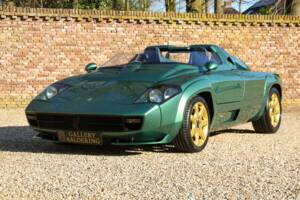
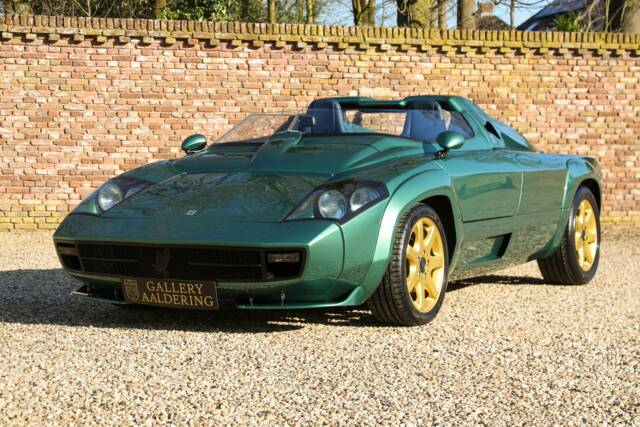
1989 | Isdera Spyder 036i
Isdera Spider 036i "Talking about an icon of the '80s" Rare opportunity to own a piece of unique German automotive history, One of 14 built- "You had to call the director directly to place an order",“Flügeltür” design with a 3.6 AMG engine block, In 2012 the (optional) factory modifications were executed, May be something for St.Moritz on ice - Concours d'élégance, Exquisitely maintained and well-kept,

Isdera Spyder listing references from Classic Trader
Below you will find listings related to your search that are no longer available on Classic Trader. Use this information to gain insight into availability, value trends, and current pricing for a "Isdera Spyder" to make a more informed purchasing decision.
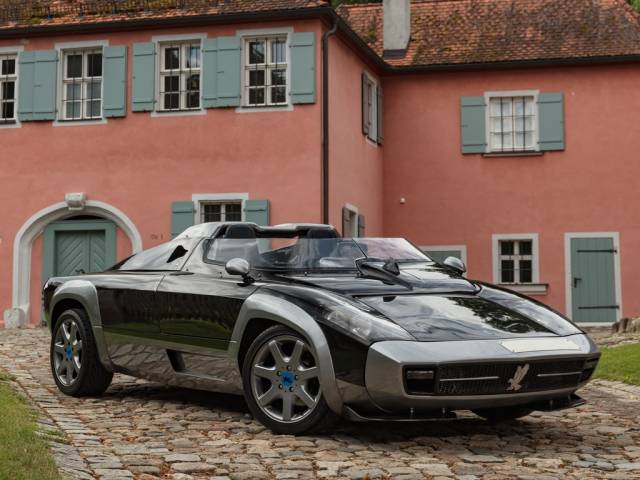
1989 | Isdera Spyder 036i
1989 Isdera Spyder 036i

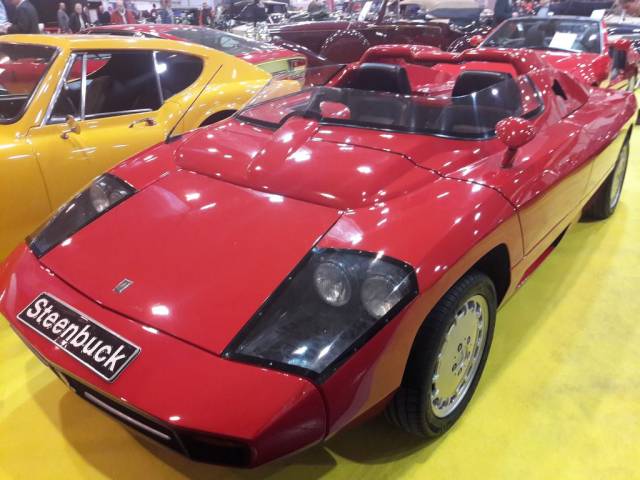
1989 | Isdera Spyder 036i
1 von 17 gebauten Spydern

Isdera Spyder Classic Cars: Prices & Market Values
History of the Isdera Spyder
Isdera is well known among automotive enthusiasts as an independent German car manufacturer which has consistently followed its own path, far from mass production. The Spyder was first presented in the early 1980s and signalled Isdera’s entry into thoroughbred sports car construction. Rooted in the DNA of engineer Eberhard Schulz, who had previously worked on the Mercedes-Benz CW311 prototype, the Spyder was created to deliver a lightweight, open-top driving experience with hand-built quality and technical sophistication. Isdera’s manufacturing philosophy meant every car was assembled to the specification of its first owner, resulting in extremely low production figures and a high degree of individuality for each vehicle.
Model History
The Isdera Spyder’s first appearance goes back to the Spyder 036i prototype, unveiled in 1982. Production examples retained the puristic roadster layout and were available through the 1980s and early 1990s. The Spyder did not follow the conventional model cycle of larger manufacturers, instead evolving through gradual technical changes and customer requests. There are no direct predecessors within Isdera’s catalogue, as the brand’s earlier focus was one-off prototypes and design studies. The closest successor in terms of philosophy would later be the Isdera Commendatore 112i, although that model targeted a very different, more powerful segment.
Highlights and Unique Features
The Isdera Spyder impresses with its mid-engine architecture and extremely low kerb weight, focused on driver engagement and performance. Each car was—and remains—bespoke, which means individual details and engines often differ between examples. The bodywork, usually crafted from fibreglass, delivers both lightweight construction and a unique silhouette. Low production numbers and a hand-built approach contribute to its status as one of the rarest German sports cars of its era.
Technical Data
Special Editions and Collectible Versions
Due to the small production run and bespoke nature of each Spyder, almost every vehicle is a special edition in itself. However, particularly early cars and one-off variants built to individual owner specification are especially notable. Certain versions feature rare engine configurations or unique interior trims, making them stand out for collectors.
Engine, Transmission and Handling
The Isdera Spyder is revered for its pure, mechanical driving experience. The mid-mounted engine, manual transmission, and lightweight body ensure agility and direct road feedback. Braking and steering are unassisted, requiring driver skill and rewarding precise inputs. Depending on the installed engine, acceleration and top speed figures varied, but all examples share a reputation for nimble handling and a visceral connection to the road. Models with the 2.3-litre Mercedes-Benz engine are especially sought after, combining robust reliability with lively power delivery.
Interior, Comfort, Exterior and Design
The design of the Isdera Spyder is unmistakable, featuring a wedge-shaped profile, pop-up headlights, and compact dimensions. Interiors varied significantly due to the customisation available—some cars were specified with minimalist cockpits for maximum weight savings, others with upgraded upholstery and bespoke instruments. Classic exterior colours are often bold and bright, reflecting the era’s sporting aesthetic. Extra features, if fitted, tended towards functional rather than ornamental, keeping with Isdera’s engineering-led philosophy. Notable details include the company’s distinctive badging and often deep-dish alloy wheels, adding to the car’s purposeful look.
Other Features
Owing to Isdera’s low-volume and high-bespoke production, documentation and parts sourcing can present challenges for owners. The exclusivity of the Spyder means provenance and original specification details are particularly important when evaluating potential purchases.
Summary
The Isdera Spyder is a curiosity even among rare classic cars, offering uncompromising design, minimal weight, and a driving experience focused solely on the essentials. With exclusivity guaranteed by its custom-built nature and a status cemented by a singular focus in Isdera’s lineup, the Spyder holds a unique appeal for connoisseurs who value true individuality and pure engineering.