Invicta 3 Litre Classic Cars for Sale
The Invicta 3 Litre stands as a compelling example of British engineering from the interwar period. Recognised for its balance between robust build quality and elegant design, this series draws attention among enthusiasts who appreciate pre-war performance vehicles.
Search results
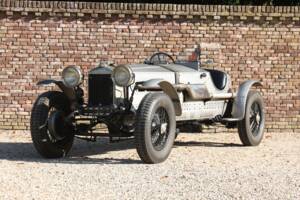
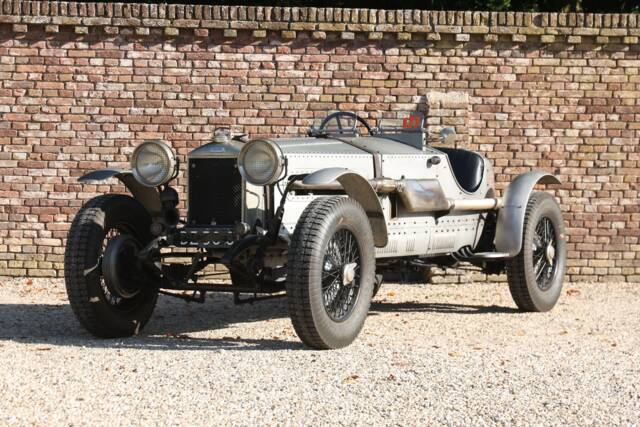
1927 | Invicta 3 Litre
Invicta 3.0/4.5 Litre High Chassis ,Period Style 3 Litre to 4.5 engine conversion 125 BHP, Aluminium body, original chassis, 4 speed manual with Overdrive!

Invicta 3 Litre listing references from Classic Trader
Below you will find listings related to your search that are no longer available on Classic Trader. Use this information to gain insight into availability, value trends, and current pricing for a "Invicta 3 Litre" to make a more informed purchasing decision.
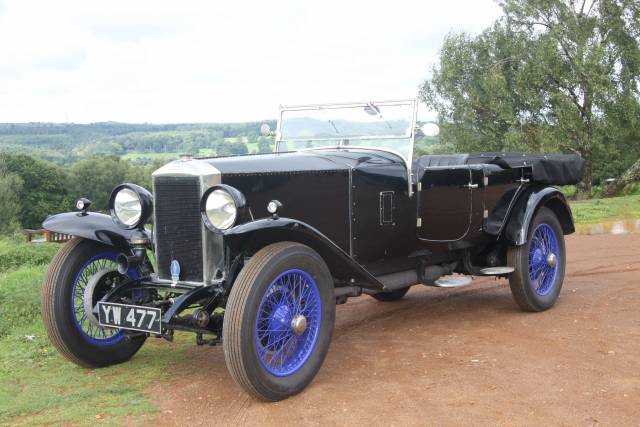
1928 | Invicta 3 Litre

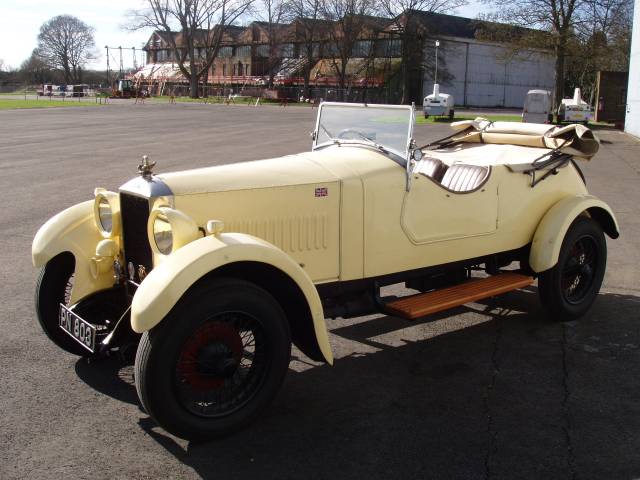
1928 | Invicta 3 Litre
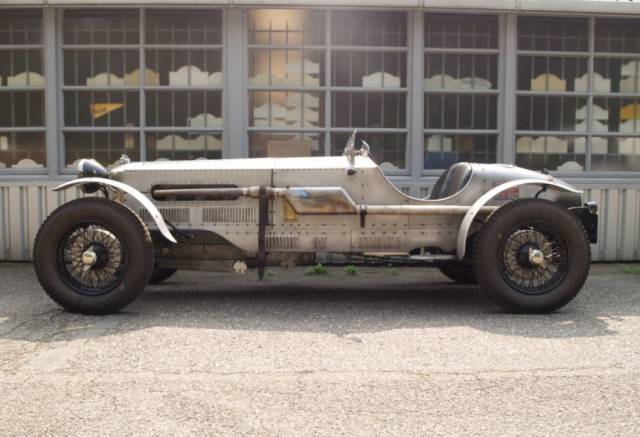
1927 | Invicta 3 Litre
INVICTA SPORTS SPECIAL 3 LTR upgraded to a 4.5 LTR.

Invicta 3 Litre Classic Cars: Prices & Market Values
History of the Invicta 3 Litre
The Invicta 3 Litre traces its origins to the dynamic British motoring scene of the late 1920s and early 1930s. Designed for those who sought a fusion of speed and comfort, Invicta positioned the 3 Litre between luxury saloons and sporting roadsters. A focus on reliability made them a competitive choice in events like the Monte Carlo Rally, reflecting both the marque’s ambition and the model’s capabilities. This period marked the brand’s pursuit of mechanical excellence, elegance, and an understated performance ethos.
Model History
Within the Invicta stable, the 3 Litre succeeded earlier models with less displacement and paved the way for more powerful variants, such as the famous Invicta S-Type. Throughout its production, the 3 Litre was offered in a range of body styles, supplied both by Invicta and renowned British coachbuilders, adapting to changing customer preferences and technical advances during its era.
Highlights and Market Position
A notable highlight of the Invicta 3 Litre is its placement in the rarefied air of British sports-tourers. Enthusiasts prize its combination of a robust straight-six engine, well-engineered chassis and detailed, bespoke cabinetry in the interior. These vehicles often featured advanced mechanical elements for their time, providing both endurance and spirited performance that appealed to owner-drivers.
Technical Data
Special Editions and Collectible Models
Certain Invicta 3 Litre chassis were bodied by notable coachbuilders, making those examples highly sought after. Bodies from Carbodies, Corsica, or Lancefield, for instance, can significantly influence collector value due to their craftsmanship and design distinction. Special trim variants or cars built for competition purposes occasionally surface, offering unique provenance.
Weak Spots and Common Issues
While specific data for the 3 Litre’s typical issues is not detailed, maintaining a vehicle of this era often requires attention to original carburation and ignition components, as well as checking for wear in chassis and suspension linkages. Correct servicing of the straight-six engine is crucial for longevity, and chassis inspection for corrosion or fatigue is essential, as with most pre-war classics.
Engine and Driving Performance
The Invicta 3 Litre’s engine delivers strong torque, making it suitable for both touring and spirited motoring. Four-speed manual transmissions of the era enable a versatile driving experience. The robust chassis and well-tuned suspension translate to responsive handling, while the mechanical brake setup provides period-appropriate stopping confidence. Noteworthy examples include the 3 Litre with custom coachwork, which not only exhibit variations in curb weight and aerodynamics but also vary subtly in performance and handling.
Design, Interior and Exterior Details
The Invicta 3 Litre frequently left the works as a rolling chassis, designed to accept bespoke coachwork. Interiors are typified by leather seating and real wood dashboards, with hand-crafted dials and switchgear. Externally, the design cues are elegant rather than brash, featuring long bonnets and flowing wings. Occasional factory extras, such as wire wheels, exposed fuel filler caps, or period-correct fog lamps, provide characterful distinctions among surviving examples.
Other Notable Features
Many surviving 3 Litre Invictas benefit from thorough documentation, restoration records, or prior competition history. Owners may find value in the network of marque specialists and clubs supporting ongoing preservation of these rare machines.
Summary
The Invicta 3 Litre embodies the blend of engineering precision and individual design that defines British classic motoring in the pre-war era. As the central model for the Invicta marque, its rarity, coupled with bespoke builds, ensures ongoing interest in the UK and beyond.