Hillman Minx classic cars for sale
The Hillman Minx, produced from 1931 to 1970 by Hillman, is one of the most characteristic British family cars in the mid-size segment. Spanning multiple generations, the Minx was offered in a variety of body styles from saloon to convertible and gained recognition for robust mechanics and ongoing innovation—making it a staple on the classic car scene.
Search results
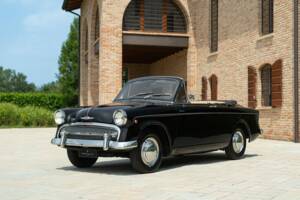
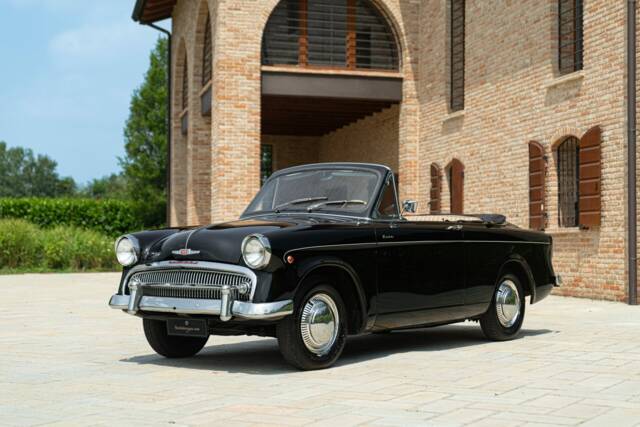
1957 | Hillman Minx
HILLMAN SUPER MINX CABRIOLET

Hillman Minx listing references from Classic Trader
Below you will find listings related to your search that are no longer available on Classic Trader. Use this information to gain insight into availability, value trends, and current pricing for a "Hillman Minx" to make a more informed purchasing decision.
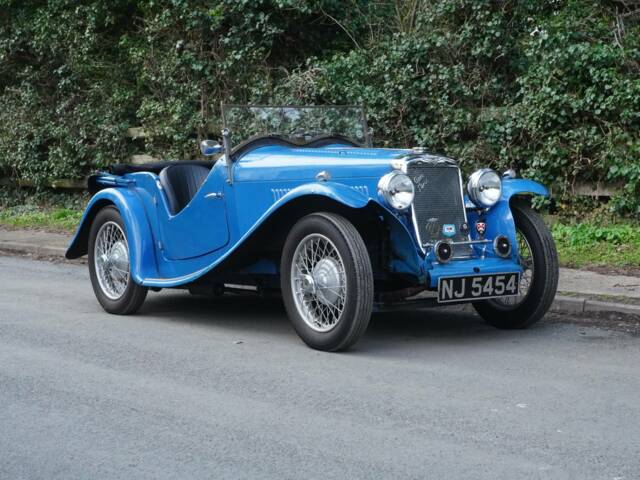
1935 | Hillman Minx
1935 Hillman Aero Minx Tourer


1963 | Hillman Minx Super
Descapotable

1964 | Hillman Minx Super
Beautiful rare car

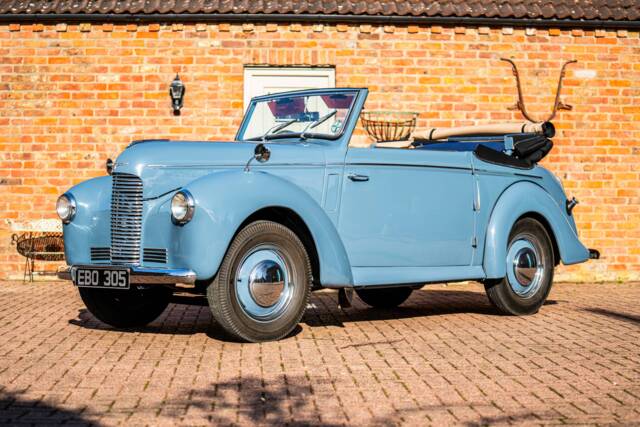
1948 | Hillman Minx
A Very Well Maintained Example of a Lesser-Known Hillman
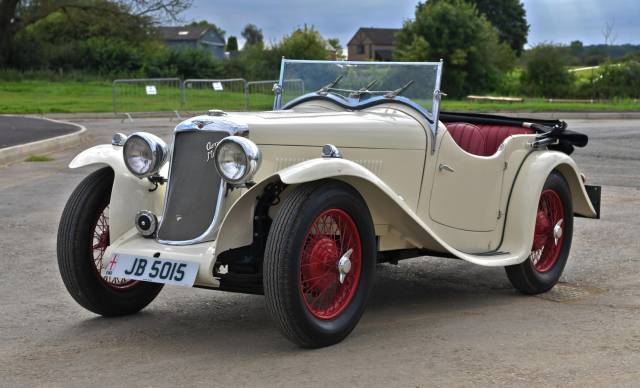
1934 | Hillman Minx
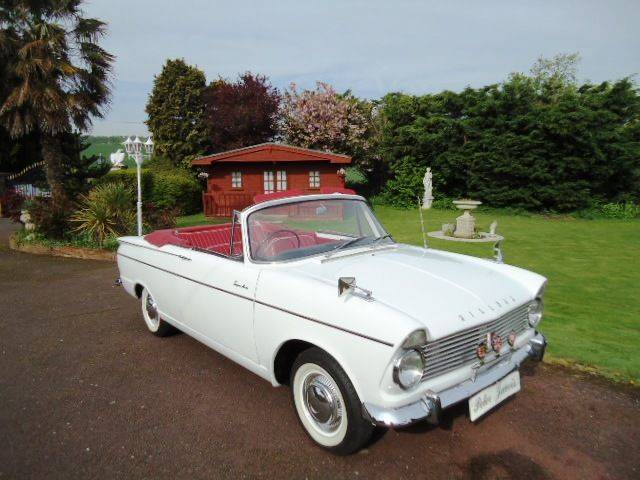
1963 | Hillman Minx Super
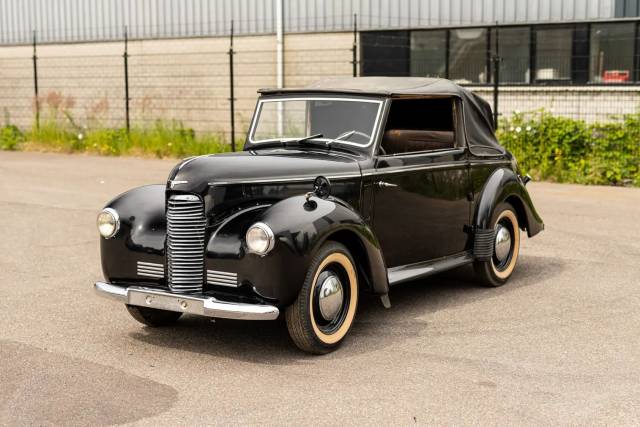
1948 | Hillman Minx
Recommission Required
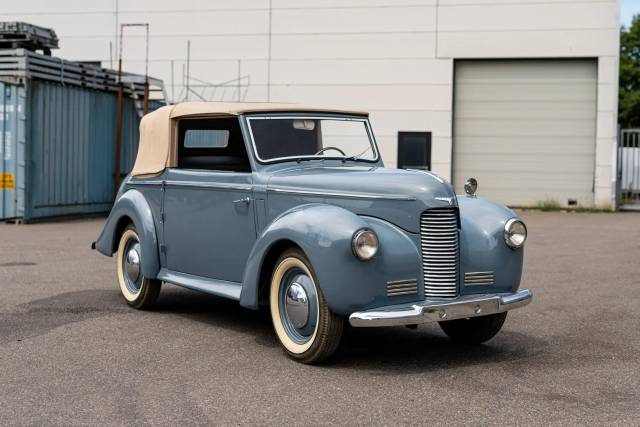
1948 | Hillman Minx
Lovely Project - Rare British Classic
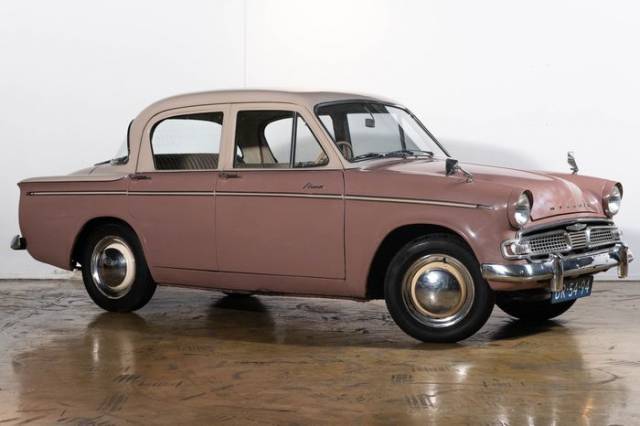
1959 | Hillman Minx
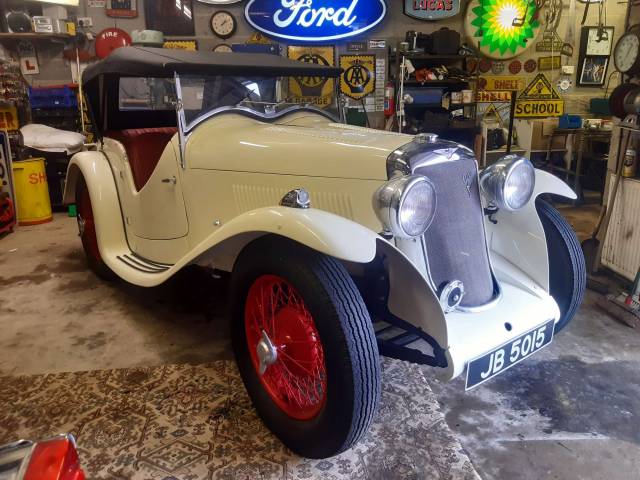
1934 | Hillman Minx
1934 Hillman Minx Tourer
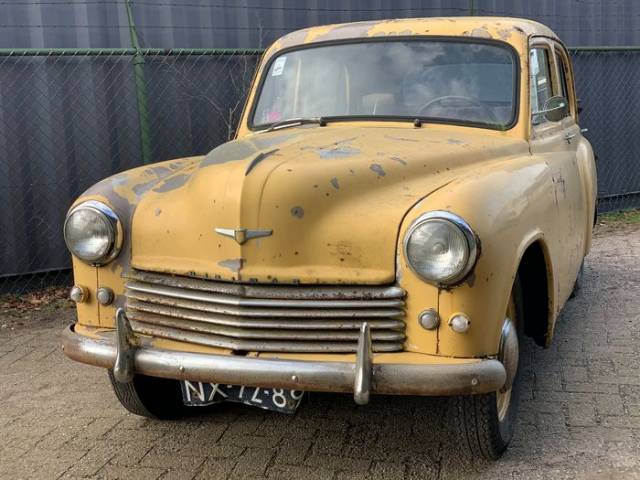
1950 | Hillman Minx
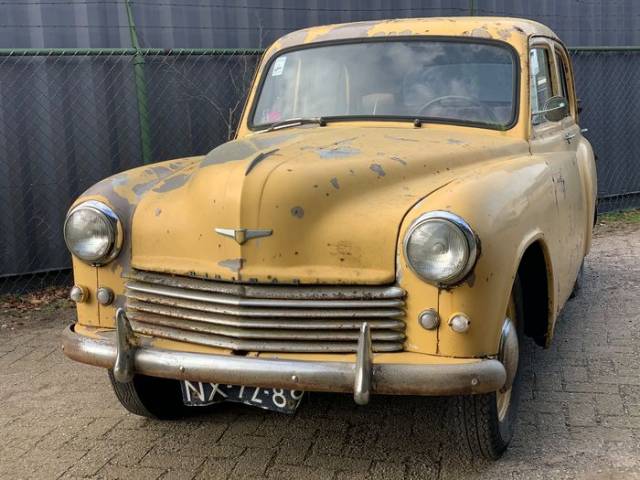
1950 | Hillman Minx
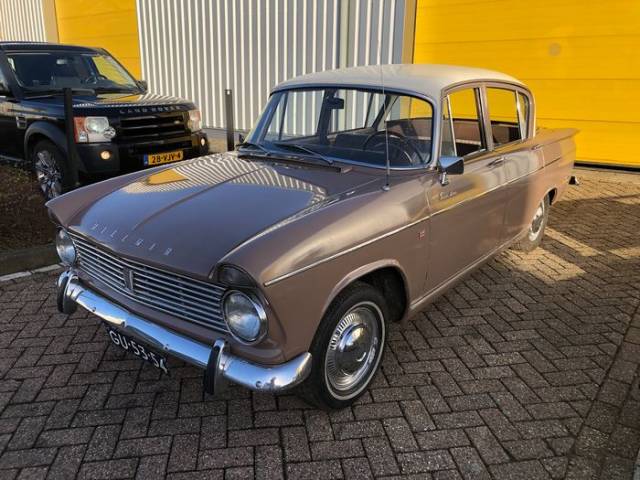
1964 | Hillman Minx Super
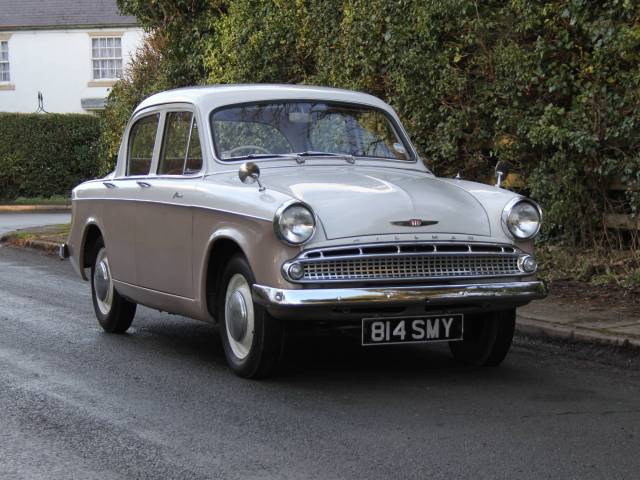
1958 | Hillman Minx
Hillman Minx Classic Cars: Prices & Market Values
The history of the Hillman Minx
First released in 1932, the Hillman Minx became one of the key models of the Rootes Group portfolio, serving as a mid-sized family saloon in multiple guises over nearly four decades. Early Minx models featured a pressed steel body and a 1,185cc inline-four engine, originally paired with a 3-speed manual gearbox and rear-wheel drive. Notable changes arrived quickly: in 1934, a 4-speed transmission was added, and styling evolved with a distinct V-shaped grille. By 1936, the Minx Magnificent injected rounder body lines and the first estate variant. Pre-war technical upgrades included synchromesh gearboxes, improved steering, and more comfort-focused interiors. Post-war, the Minx Mark I continued with only minor design tweaks but embodied increasing technical evolution and reliability, laying the foundation for its enduring presence.
Model generations and development
The Minx range is marked by multiple iterations: Pre-war (Mark series I-VIII), Ponton bodied Minx (from Mark III), and iconic Audax series from the mid-50s. After WWII, the Minx returned almost unchanged as Mark I, with subsequent versions (Mark II to Mark VIII) introducing subtle body and drivetrain advancements. The Audax series, designed by Raymond Loewy, featured sleeker 'three-box' styling and updated powertrains (1.4-1.7 litres). In 1961, the Super Minx was introduced, boasting larger dimensions and improved equipment. The final evolution, based on the Arrow platform, came as the New Minx (1967–1970), succeeded by the Hillman Hunter DeLuxe.
Highlights and uniqueness of the Minx
The Hillman Minx stands out with a broad range of body variants, such as saloon, tourer and estate, and for technical flair—among others the Aero-Minx’s remote-controlled gearbox and available aluminium cylinder head. Its engines were compact, robust and offered in displacements from 1.2 to 1.7 litres. Collector interest is heightened by the unique sporting Aero-Minx variant and the rarity of convertible and Super Minx Cabriolet models. Restoration potential is strong due to a wide spread of surviving vehicles and a solid specialist support network.
Technical data
Special editions and collector's models
Of special note is the Aero-Minx (1933–1935), which targeted a sportier clientele with lowered chassis, uprated engines, and optional aluminium cylinder heads. The 1960s Super Minx, particularly as a convertible, is much sought after due to its low production numbers and enhanced equipment. There are also limited-edition models featuring distinctive trims, special bodywork by independent coachbuilders, or rare factory accessories.
Maintenance and weak spots
The Minx enjoys robust mechanics and strong parts availability thanks to a large production run and specialist networks. Given the model’s age, inspection for body rust, condition of original mechanicals (engine, gearbox, differential) and authenticity of interior and exterior trims is crucial. Restoration is often straightforward due to the model’s mechanical simplicity, but buyers should check for completeness and quality of any previous restoration work.
Engine, performance, handling and transmission
Early Minxes delivered modest power, with the first 1,185cc engine developing around 22 kW and enabling approx. 95 km/h. Post-war upgrades increased top speeds above 100 km/h, and later series, such as the Super Minx, featured 1.5-1.7 litre engines for improved cruising and acceleration. Classic Minxes are known for reliable, simple rear-drive handling and unfussy ride quality, suited for comfortable motoring rather than sporting driving. Most notable: Mark VII and Super Minx, both offering increasingly refined engines and bodywork. The Aero-Minx is prized by enthusiasts for its sporty setup and rarity.
Interior, comfort, exterior design
The Minx’s design history includes the upright pre-war saloon, the elegant Ponton-inspired postwar models, and the sharp, modernist Audax series shaped by Raymond Loewy. Body types span saloon, estate, convertible and rare roadster forms. Interiors ranged from basic trimmings with artificial leather seats to deluxe real leather options, especially pre- and post-war DeLuxe variants. Distinctive features like ‘V’ grilles, round headlamp clusters, and signature Rootes design cues changed with each generation. Accessories from period radios to original toolkits and folding roofs emphasize the availability of authentic, model-specific options.
Other notable features
Hillman Minx vehicles can be found with a wide array of period-correct extras: folding tops, original number plates, toolkits, handbooks. Many Minxes at classic car shows sport custom bodywork from historic coachbuilders. Vehicles imported from the UK or other markets can come with unique configurations and special decals or badging.
Summary
The Hillman Minx remains a defining classic in British automotive history, distinguished by its longevity, vast model range, and adaptability. With strong supply, high collector demand, well-supported restoration networks and numerous variants, it offers an authentic classic experience—from post-vintage saloons to collectable sports variants.