Healey Silverstone Classic Cars for Sale
The Healey Silverstone, introduced in 1949, stands out with its distinctive open two-seater design, lightweight chassis, and racing heritage. Designed for both the road and competitive motorsport, it quickly became a favourite among driving enthusiasts seeking speed, precise handling, and engineering uniqueness.
Search results
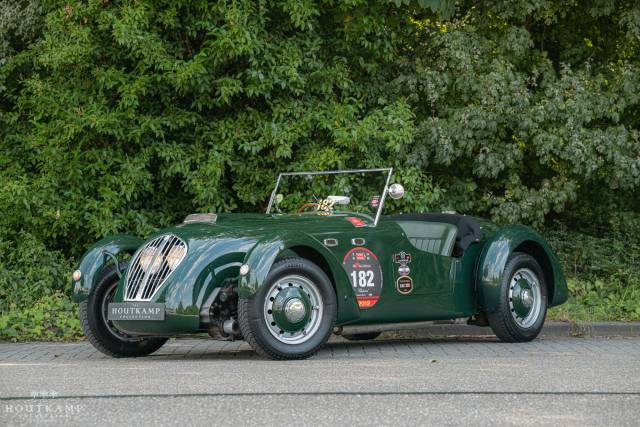
1950 | Healey Silverstone
1 of 104 examples built, Mille Miglia Eligible

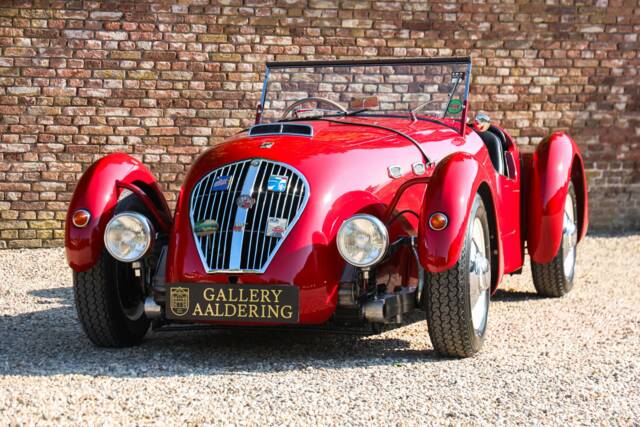
1950 | Healey Silverstone
Healey Silverstone "Your ticket to the 100-year Mille Miglia" A Silverstone with Mille Miglia experience - Participated from 2006 to 2012,One of the 54 cars of the “E” series,Driving with the top open is the real thrill, "Buy your ticket and experience the most beautiful race in the world", It's no sacrifice to start practicing now for the 2027 Mille Miglia anniversary year,
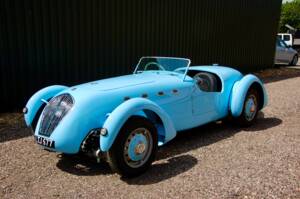
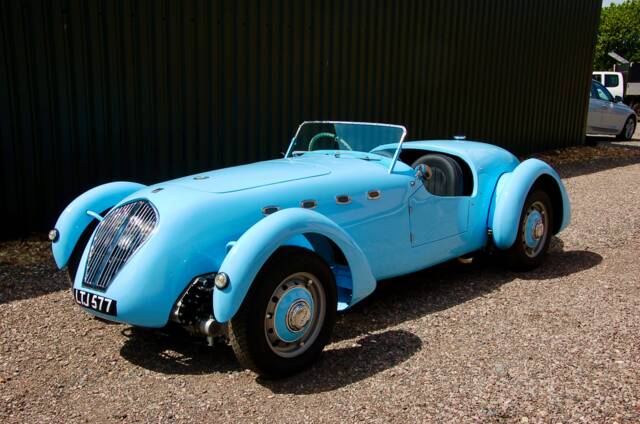
1953 | Healey Silverstone
Healey Silverstone

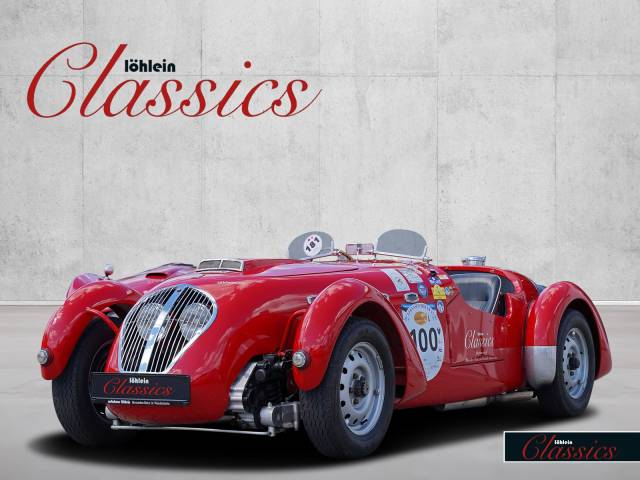
1950 | Healey Silverstone
Build Number 1 of a total of 54 vehicles ever built - MILLE MIGLIA eligible!

Newsletter
The best Healey listings, straight to your inbox
Get hand-picked Healey listings, plus the best of cars, motorbikes, and auctions on Classic Trader — all in one place.
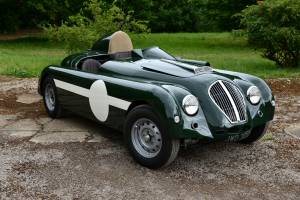
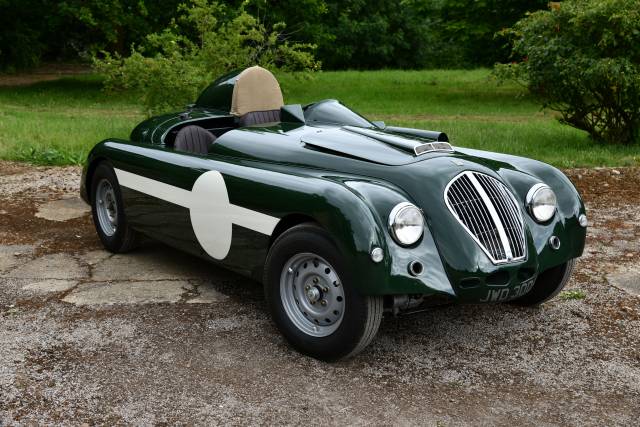
1950 | Healey Silverstone
Healey X5 Le Mans
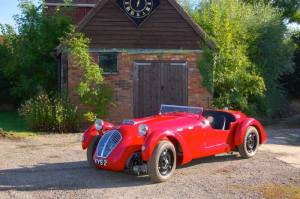
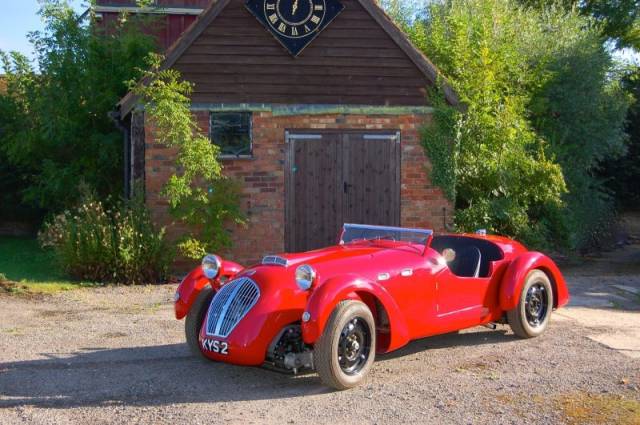
1949 | Healey Silverstone
Healey Silverstone
Healey Silverstone listing references from Classic Trader
Below you will find listings related to your search that are no longer available on Classic Trader. Use this information to gain insight into availability, value trends, and current pricing for a "Healey Silverstone" to make a more informed purchasing decision.
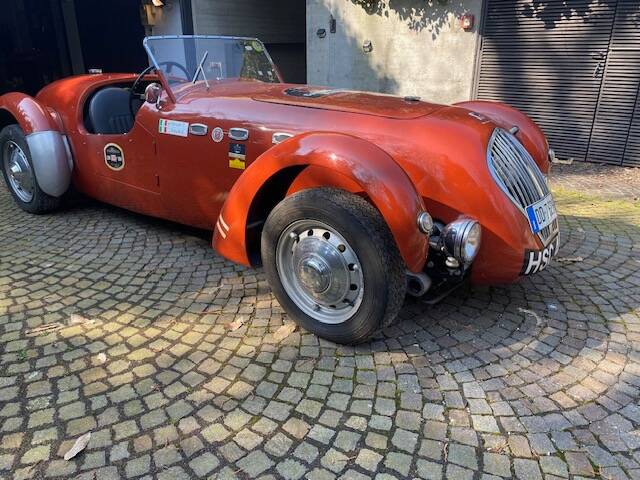
1950 | Healey Silverstone
Healey Silverstone D 28 | 1950 | Route 66 Auctions - For sale by auction. Estimate 239500 EUR
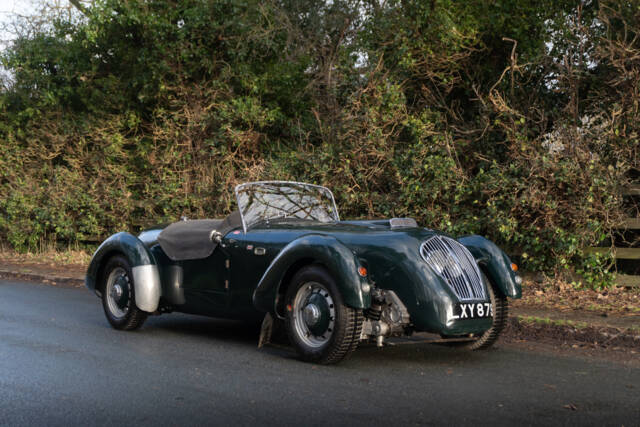
1951 | Healey Silverstone
1951 Healey Silverstone
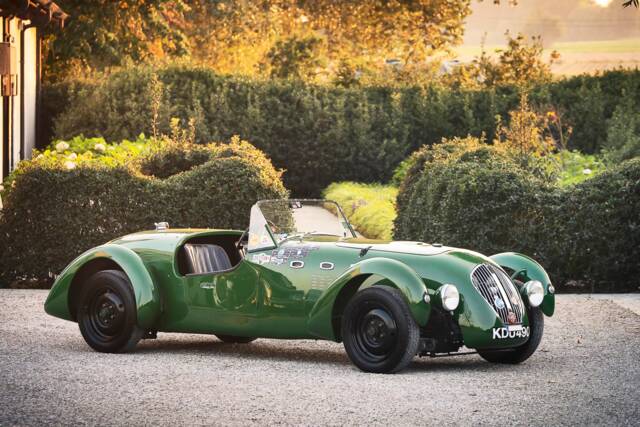
1949 | Healey Silverstone
Multiple Mille Miglia participant

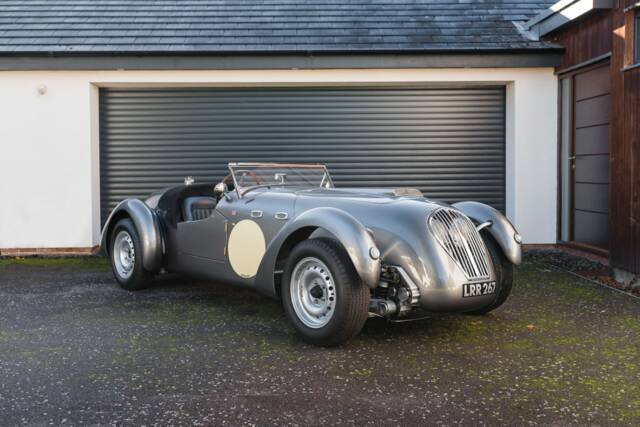
1950 | Healey Silverstone
1950 Healey Silverstone
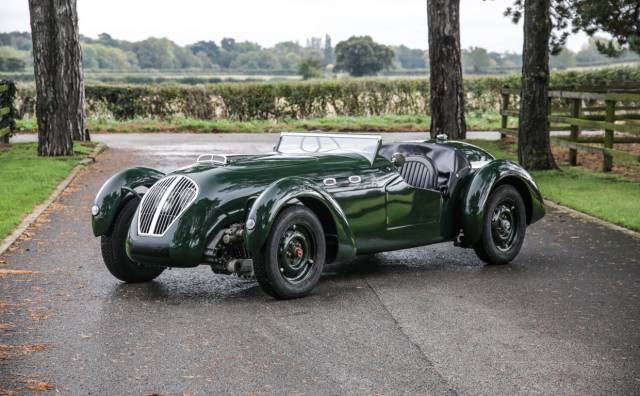
1949 | Healey Silverstone
Healey Silverstone Classic Cars: Prices & Market Values
The Origins and Story of the Healey Silverstone
The Healey Silverstone, produced from 1949 by the Donald Healey Motor Company, reflects both technical skill and the competitive ambitions of post-war British sports car manufacturing. Donald Healey, already renowned as an engineer and rally driver, aimed to build a dual-purpose car for club racers and spirited road drivers alike. Launched and named after the Silverstone Circuit, the model embodied Healey’s vision of building a vehicle capable of high speeds and enduring motorsport challenges. Only 5 prototypes and 106 series cars (with a near-even split between Type D and Type E variants) left the workshop in Warwick, making each car an unusually rare piece of British racing history. The Silverstone’s design paid tribute to purpose — from the cycle wings to the removable fenders for race days. Cars were exported globally, making their mark at motorsport events like the Mille Miglia and Tourist Trophy, often starting the careers of noted racers and continuing to participate in events today.
Model History of the Healey Silverstone
Before the Silverstone, Healey produced models such as the Westland and Abbott, utilising a chassis originally designed by Sampietro. The Silverstone itself was offered in two main variants: Type D, the standard 1949 version with the engine mounted further back for better weight distribution, and Type E from April 1950, which featured a broader chassis for increased cabin comfort and legroom. The Silverstone marked a bridge between early Healey vehicles and the evolution towards more refined sports cars, concluding production in September 1950 with just over a hundred cars. Its direct successors in the Healey line-up adopted the spirit of high performance and dual usability but with more focus on road comfort and style.
Highlights and Distinctive Features of the Healey Silverstone
The Silverstone’s standout features include its advanced suspension for the period: double wishbone front suspension with coil springs and a rear live axle on semi-elliptic leaf springs connected via a Panhard rod. The lightweight steel box-section chassis with central cruciform bracing allowed remarkable agility, and the distinctive hidden headlights and cycle wings gave it a purposeful yet original appearance. The 2.4-litre Riley-sourced engine, modified by Healey with bespoke intake and SU carburettors, pushed around 104–106 bhp, giving the Silverstone formidable pace for its era — 0–100 km/h in just 11 seconds and a top speed exceeding 170 km/h. These technical advantages combined with competitive pricing for club racers made it highly sought after at launch.
Regarding market statistics: 100% of all Healey listings on Classic Trader are Silverstone models. Similarly, all Healey demand data reflects the Silverstone, underscoring its absolute dominance and focus among classic Healey cars found in the market. This unique situation underlines the Silverstone's singular status in Healey's historic model range.
Technical Data of the Healey Silverstone
Special Editions and Collectors’ Models
The two chassis versions, Type D and Type E, are the main designated variants. The Type D, produced in 1949, is notable for its racing focus and compact cockpit, with the engine set further back to enhance dynamic balance. The Type E, introduced from April 1950, offers a wider body and increased comfort features such as a larger windscreen and additional legroom. Both types were extremely limited (51 Type D, 54 Type E according to most sources) and each example carries individual construction DNA, given hand-built bodies and custom features. There are no factory 'special editions' beyond these, but the rarity and distinct build characteristics make individual cars particularly precious.
Engine, Transmission, and Handling Characteristics
The Silverstone’s Riley four-cylinder is known for its robust, long-stroke architecture, delivering punchy mid-range pull and a uniquely sporting character, especially with twin SU H4 carburettors and Healey’s own intake manifold. The engine sits further back in the chassis (about 7 cm compared to previous Healeys), giving well-balanced steering and agility. The short, lightweight chassis coupled with independent front suspension and strong rear axle control result in quick direction changes, lively feedback, and a sports car feeling that was highly advanced in the late 1940s. With a 0–100 km/h time of 11 seconds and top speed above 170 km/h, coupled with responsive four-speed transmission, the Silverstone was competitive in post-war motorsport, especially in club racing, rallying, and hillclimbs. - Healey Silverstone Type D: Pure competition focus, compact cockpit, engine set further back.
- Healey Silverstone Type E: Wider body, improved driver comfort, slightly heavier, larger windscreen.
Interior, Comfort, Exterior and Design Details
Len Hedges (or Hodges) at Panelcraft penned the Silverstone’s body, which is instantly recognisable by its narrow width, cycle-type front wings (easily removable for competition), and unique hidden headlamps behind the grille. The single-piece, fold-flat windscreen is a practical addition for racing events. The interior features bucket seats and a sports steering wheel for optimal driving ergonomics. To save weight and increase practicality, the spare wheel sits openly at the rear, replacing any rear bumper. No rear bumper and minimalist trim prioritise purpose over luxury, while the hand-shaped alloy body panels reflect period craftsmanship. Interior materials and finishes are typically spartan but functional—painted steel, leather seat covers, minimal soundproofing—emphasising the Silverstone's motorsport brief. Noteworthy is the lack of unnecessary accessories, except for period-racing extras like quick-fill fuel caps and removable wings.
Other Notable Features
The Silverstone is eligible for historic motorsport events (e.g. Mille Miglia), which is reflected in extensive documentation and ownership history available for many examples. Ongoing appearances at classic rallies and race meetings demonstrate the model’s continued suitability for competitive and demonstration driving decades after its production ceased. Vehicles are actively sought and traded among historic motorsport enthusiasts globally.
Summary
Produced for less than two years in just over 100 units, the Healey Silverstone occupies a singular role as Healey’s purest performance car—a focused roadster built for speed, balance, and motorsport relevance. With hand-crafted construction, period-advanced engineering, and proven competition credentials, every Silverstone is a singular artefact of British post-war automotive ambition and achievement.