Ford Puma – Classic Cars for Sale
The Ford Puma combines a lightweight sports coupé design with agile front-wheel drive dynamics, resulting in a standout modern classic. With its “New Edge” styling lines, Yamaha-developed 1.7-litre engine, and collectable special editions, the Puma’s reputation as a driver-focused, practical coupé continues to capture enthusiasts. A youngtimer that’s already building its legacy.
Search results
Currently, there are no matching listings for your search.
Create search alert
Let yourself be notified as soon as a listing is published that matches your search filters.
Create listing
Do you have a Ford Puma that you want to sell? Then create a listing now.
Create listingFord Puma listing references from Classic Trader
Below you will find listings related to your search that are no longer available on Classic Trader. Use this information to gain insight into availability, value trends, and current pricing for a "Ford Puma" to make a more informed purchasing decision.
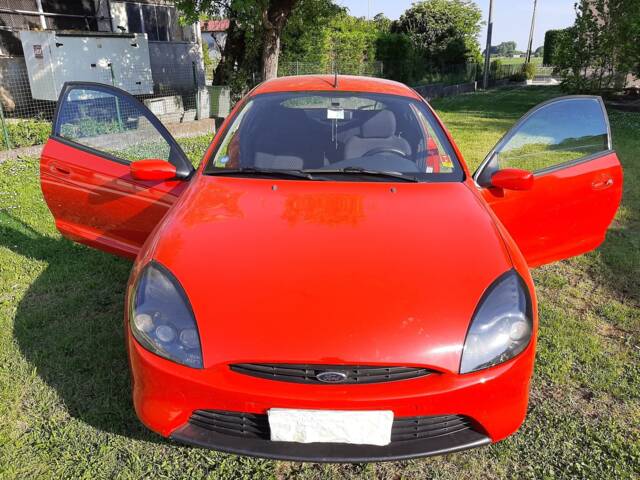
1999 | Ford Puma 1.4i 16v


2001 | Ford Puma 1.7i 16v
2002 Ford Puma (1.7 litre VCT)

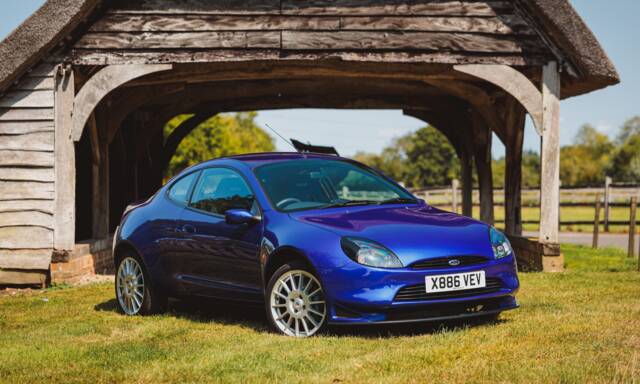
2000 | Ford Puma 1.7i 16v
2000 Ford Racing Puma
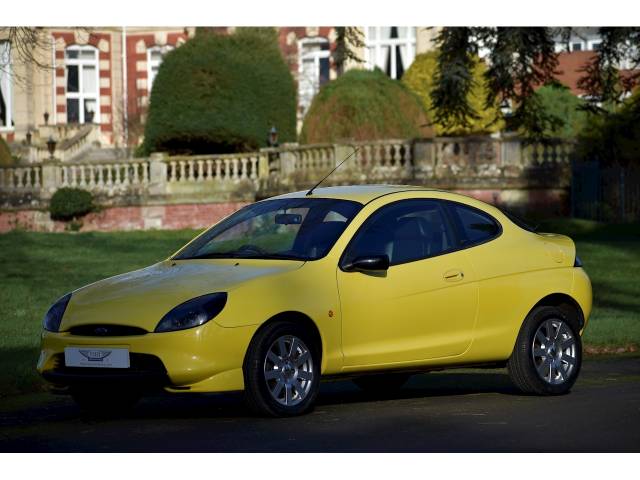
2000 | Ford Puma 1.7i 16v
Ford Puma Millennium
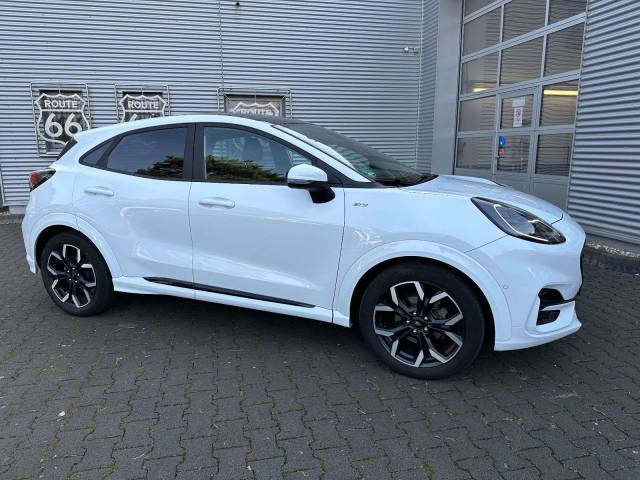
2020 | Ford Puma 1.0 EcoBoost Hybrid
Ford Puma ST-Line X Voll.Panorama,B&O,1.Hand.TOP. 48V

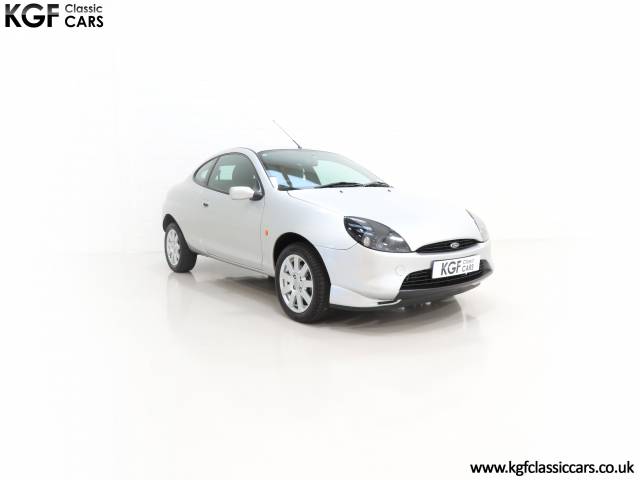
2002 | Ford Puma 1.7i 16v
A Fabulous Ford Puma 1.7 with an Amazing 7,799 Miles and 13 Service Stamps
Create search alert
Let yourself be notified as soon as a listing is published that matches your search filters.
Create listing
Do you have a Ford Puma that you want to sell? Then create a listing now.
Create listingFord Puma Classic Cars: Prices & Market Values
Introduction and history of the Ford Puma
Launched in 1997, the Ford Puma carved out a unique position in the compact coupé segment. Designed to inject sportiness and innovation into Ford’s line-up, its roots lie in a quest to offer a fun-to-drive car accessible to wider audiences. Manufactured until 2002, the Puma was part of the “New Edge” design movement, showcasing expressive lines and tight proportions. Its engineering focus on dynamics and everyday usability led to an enduring reputation among enthusiasts and testers alike, even earning Top Gear’s "Car of the Year 1997". The Puma’s unique place in the Ford history books is further cemented by its appearance in the Steve McQueen “Bullitt” ad campaign and its status today as a sought-after modern classic, often referenced in the context of “youngtimers.”
Model history
The original Ford Puma (1997–2002) was conceptualised as a sporty, compact coupé based on the Fiesta platform, designed to bring an engaging drive at a reasonable price point. There was no direct predecessor—this model was a standalone attempt at a fresh coupé in Ford’s European range. After production ended in 2002, the Puma nameplate remained dormant until revived for a completely different vehicle style: the Puma crossover (from 2019) and, more recently, electric and motorsport variants. The coupé model remains distinct and celebrated among older Pumas.
Highlights of the Ford Puma
Distinctive features of the Ford Puma include its lightweight construction (around 1,009 kg), rapid steering, and variable cam timing technology, debuting in the Yamaha co-developed 1.7-litre engine. The cleverly tuned chassis and tightly aligned five-speed manual transmission blend with precise power delivery for an immersive sporty experience. Notably, the special Millennium Edition featured the eye-catching "Millennium Yellow" paint and black Recaro leather seating. Collector interest often focuses on original features—such as the Puma-specific rear side window emblem, unique alloy wheels, and accessories preserved from factory specifications. Everyday usability shines too, with four seats and a practical boot.
Technical data
Special Editions and Collectible Models
The Millennium Edition stands out with its exclusive "Millennium Yellow" paintwork and black Recaro leather sports seats. Original cars with limited-edition paint, complete documentation, and factory accessories (including nine-spoke 15-inch alloys and the Ford 6006E audio with CD changer) attract collectors. There’s further demand for examples featuring factory "Luxury Pack 6006" and original dealer-supplied memorabilia.
Engine and Performance, Transmission and Handling
The driving experience of the original Ford Puma is defined by its lightness and enthusiasm. The 1.7-litre engine, developed with Yamaha, provided exceptional throttle response and broad torque thanks to early variable cam timing. Its five-speed sports gearbox offered short, satisfying shifts, and front-wheel-drive architecture gave nimble, predictable handling. Disc brakes, tuned suspension, and direct steering combine for an agile, driver-centric package that’s appreciated on winding roads and in everyday use. Of the classic Pumas, models with the 1.7-litre VCT engine and Millennium Edition trim are most notable for their enhanced technical features, unique colours, and interior specifications.
Interior, Comfort, Exterior and design
The Ford Puma coupé is defined by its "New Edge" styling—dramatic curves, sharply defined panels, and a distinctive coupé roofline. Details like colour-matched mirrors, unique bumper design, and model-specific emblems reinforce its identity. The interior aims for a sporty yet liveable environment, with features such as elevated front seating for better driver visibility, leather sports steering wheel, aluminium details, and unique upholstery (especially in special editions). Factory options included climate control, luxury velour mats, and heated windscreen systems. Standard alloy wheels, tinted glass, and tailored seat designs round out a stylish, functional package designed for both spirited driving and daily practicality.
Summary
The Ford Puma (1997–2002) stands out as a driver-focused, lightweight coupé that remains a favourite among enthusiasts, collectors, and daily drivers wanting character and agility at an approachable entry point. Distinct model variants, celebrated design, advanced engines for the time, and a turnout of over 83% of supply listings plus 99% of demand, demonstrate the Puma’s enduring allure on the UK classic car market.