Ford Granada classic cars for sale
The Ford Granada models from 1972 to 1985 represent the upper-mid executive segment, celebrated for their comfort, classic British-German engineering, and charismatic, chrome-lined exterior. Available as saloon, estate, and coupé—including rare limited editions—these classics are valued among collectors for their period-specific luxury features and robust, mostly six- and eight-cylinder engines backed by known technical documentation and broad support for historic registration.
Search results
Currently, there are no matching listings for your search.
Create search alert
Let yourself be notified as soon as a listing is published that matches your search filters.
Create listing
Do you have a Ford Granada that you want to sell? Then create a listing now.
Create listingFord Granada listing references from Classic Trader
Below you will find listings related to your search that are no longer available on Classic Trader. Use this information to gain insight into availability, value trends, and current pricing for a "Ford Granada" to make a more informed purchasing decision.
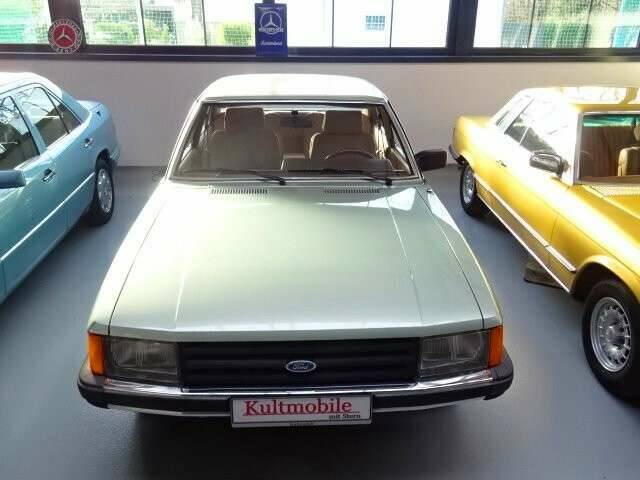
1982 | Ford Granada 1.6
Ford Granada

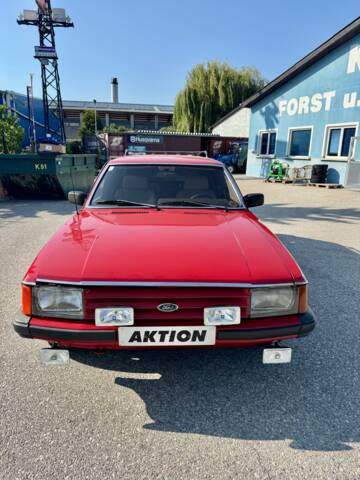
1984 | Ford Granada Turnier 2.8

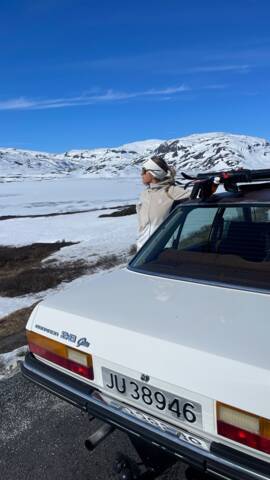
1977 | Ford Granada 2.8
MkII S1 Ford Granada 2.8 Ghia
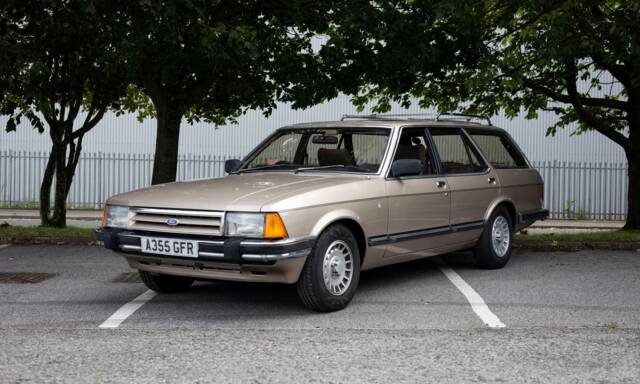
1983 | Ford Granada Turnier 2.8
1983 Ford Granada Ghia Estate (2.8-litre)

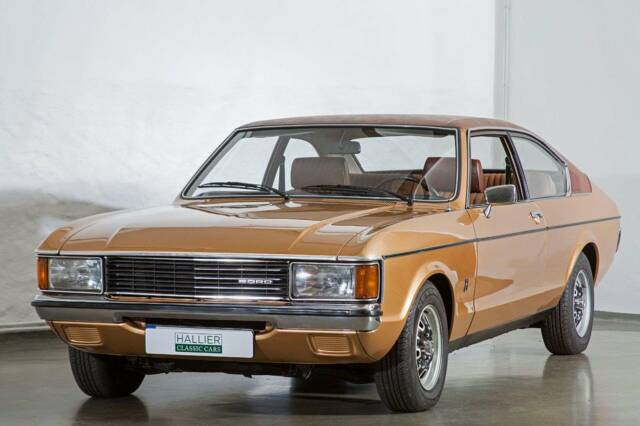
1975 | Ford Granada 2,3
Ford Granada 2.3 V6 Coupe, sehr schöner Zustand !
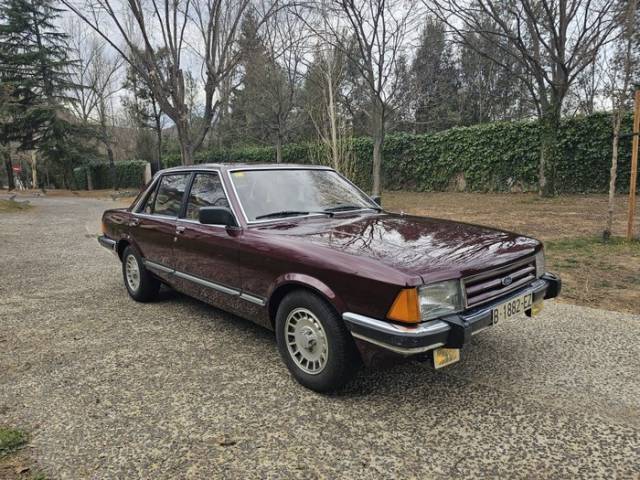
1982 | Ford Granada 2.8
Ford - Granada 2.8I Ghia - 1982

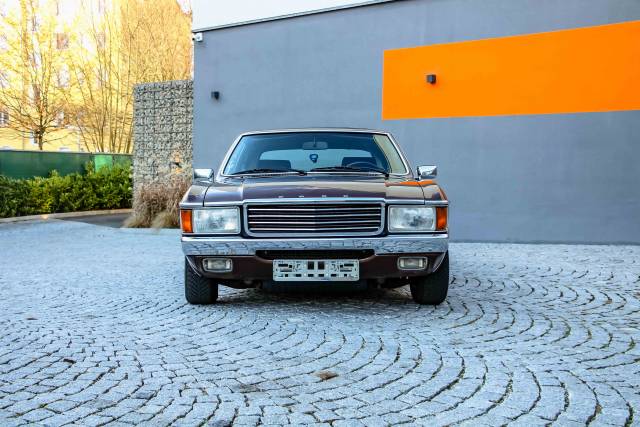
1976 | Ford Granada 3,0
Ford Granada 3.0L Velours Ronal-Alufelgen seltenes toller Zustand
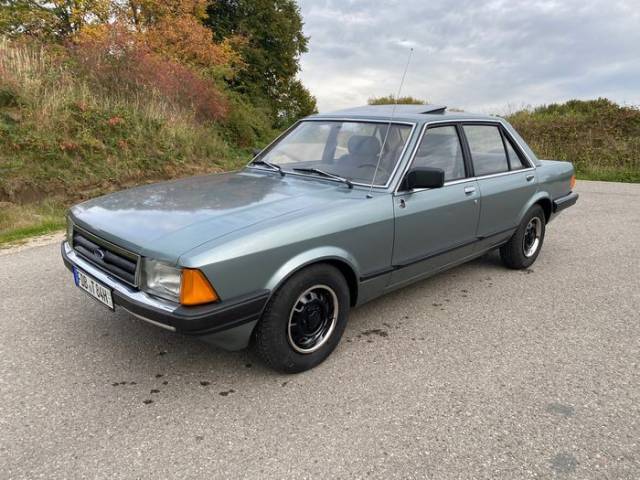
1984 | Ford Granada 2.0
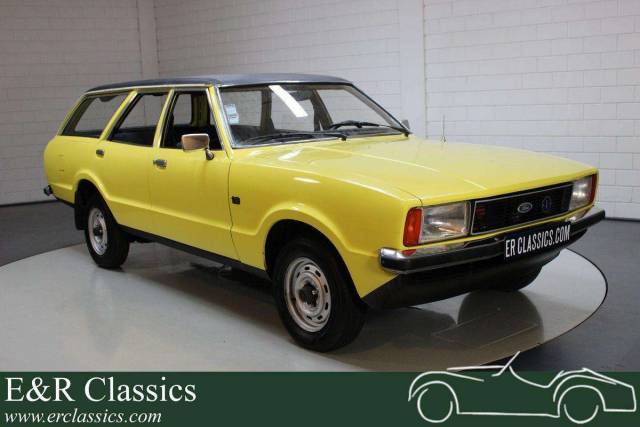
1977 | Ford Granada Turnier 1,7
Ford Cortina | Station wagon | Mooie staat | 1977
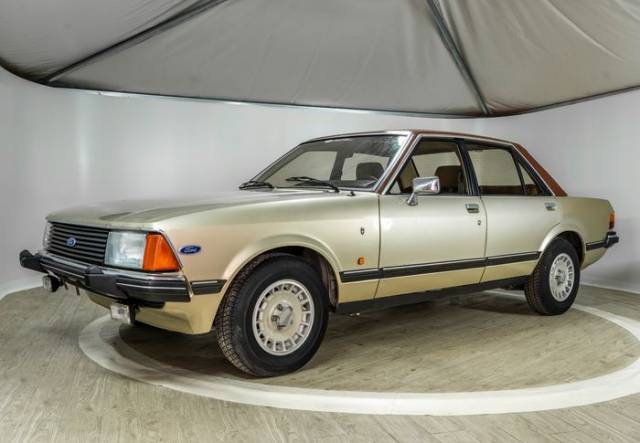
1978 | Ford Granada OHC 2.0 L
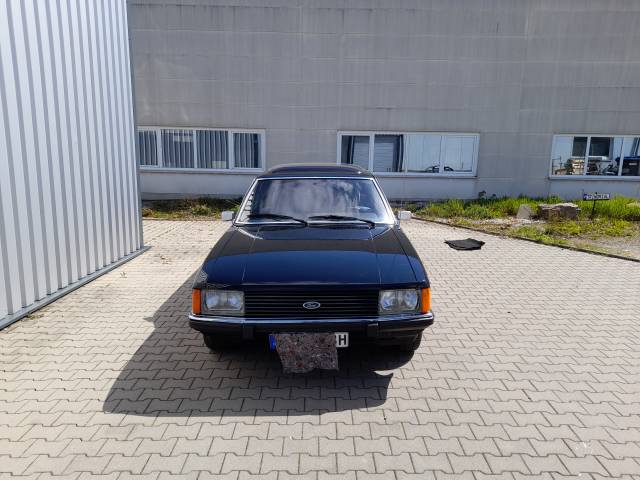
1981 | Ford Granada 2.3 Turnier
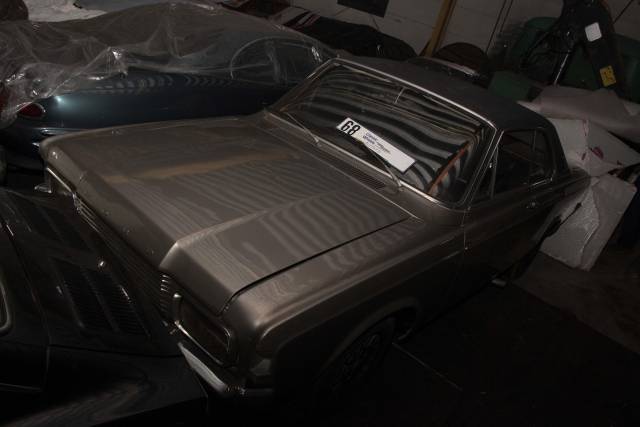
1975 | Ford Granada 2,0
Ford Taunus 20M Coupé 2.0 V6 1975

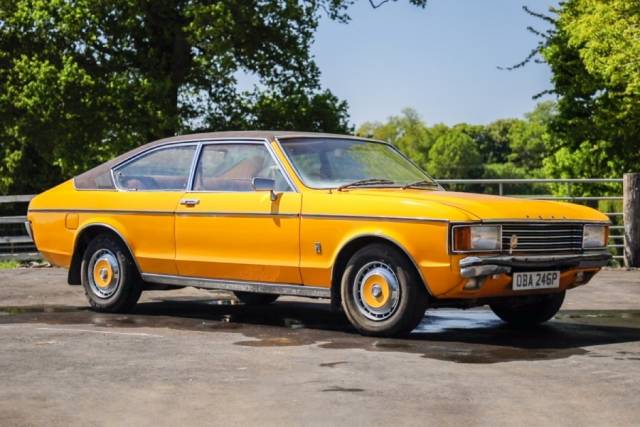
1976 | Ford Granada 3,0
Online live auction – 23rd May 2020. Estimate: no reserve
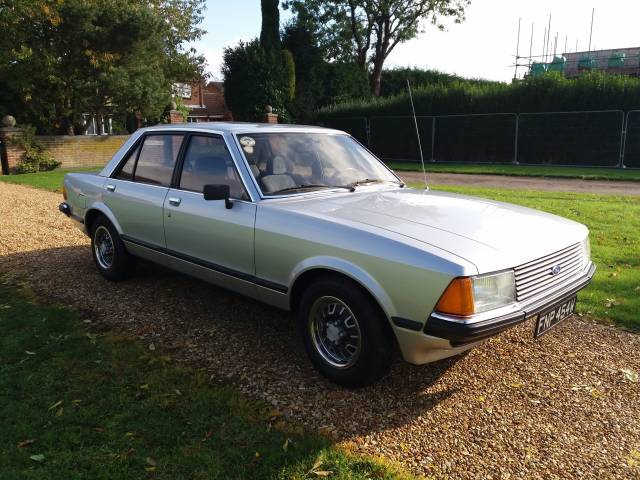
1981 | Ford Granada 2.0
Ford Granada MK 2 Pre Face Lift 2.0 Ltr L Aotomatic 12,150 KLM From New
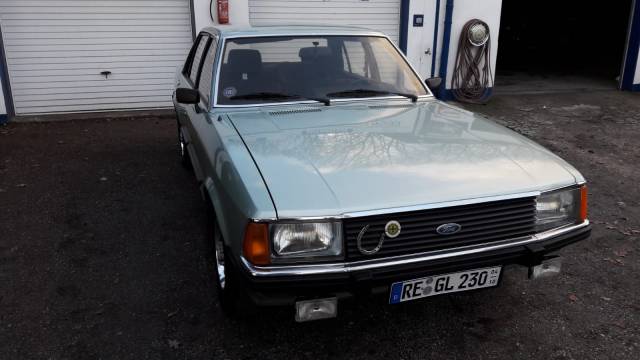
1981 | Ford Granada 2.3
Liebhaberfahrzeug Ford Granada in top Zustand
Create search alert
Let yourself be notified as soon as a listing is published that matches your search filters.
Create listing
Do you have a Ford Granada that you want to sell? Then create a listing now.
Create listingFord Granada Classic Cars: Prices & Market Values
History of the Ford Granada
Launched in 1972, the European Ford Granada stood as the flagship of Ford's upper-middle-class range, developed through a rare Anglo-German collaboration. Its name nods to the Andalusian city of Granada, and immediately the Granada distinguished itself with a design aiming to rival Europe’s premium contenders. Ford invested around 500 million marks in its development, debuting the model at the Geneva Motor Show. The vehicle’s engineering featured a double wishbone front suspension and independent rear suspension—fitted for comfort and stability. For the first time, safety steering columns were introduced. The Granada was offered in multiple body styles: four-door saloon, estate (Turnier), and the visually distinctive coupé. The model was frequently referenced in 1970s television, contributing to its era-specific appeal. From 1975, after merging with the Consul, the Granada became singular in Ford’s European executive line-up, evolving through comprehensive facelifts and technical advances until production ceased in 1985. In total, over 1.6 million units were manufactured, cementing Ford’s short-lived market dominance with a 17.2 percent share in this class.
Model history and generations
The Ford Granada’s history in Europe is structured into two major series and several significant updates:
- Granada Serie I (1972–1977): Launched as a successor to the Consul, marked by a shorter and heavier build than predecessors. The coupé with its characteristic fastback style was a highlight.
- Granada Serie II (1977–1985): Comprehensive redesigns modernised the bodywork and interior, most notably with the transition to the so-called MK2 facelift. Estate and saloon formats remained available, while the coupé and two-door versions were discontinued due to decreased demand. The limited-edition Chasseur estate stood out during these years, sporting a unique paint scheme, special upholstery, and a 2.3L V6. As technical updates continued into the early 1980s, engine and comfort features matched advancing standards. The Granada remains a link between its predecessor Ford Consul and the later Ford Scorpio, which succeeded it after 1985.
Highlights of the Ford Granada series
Buyers today appreciate the Granada’s blend of 1970s and 80s comfort, extensive standard equipment—even period luxuries like electric windows, power steering, and the upscale Ghia package. Its appeal in classic car circles stems from the model’s historical presence in both media and executive transport, as well as its engineering collaboration between Ford’s German and British teams. Features such as plush velour trims, vinyl roofs, and ‘baroque’ alloy wheels underline its period character. From a market perspective, nearly 70% of Ford Granada listings concern Serie II models, reflecting their popularity among enthusiasts. Serie I comes in at roughly 22% of supply, indicating considerable collector attention to early versions as well. In buyer engagement, Serie II attracts approximately 58% of viewing interest—higher than average—underlining its desirability for comfort, specification, and practicality for maintenance.
Technical data
Special editions and collectible models
One distinct special edition is the Granada Chasseur, a limited-run estate based on Serie II with double-tone paintwork, bronze-tinted glass, distinctive upholstery, and a 2.3L V6 (114 hp). The Ghia equipment line also set benchmarks in luxury for the Granada, with walnut veneer, exclusive upholstery, and often a sunroof or electric accessories. Early coupés—nicknamed 'Hüftschwung'—are particularly sought after for their dramatic, unique styling.
Weak spots and common issues
Although celebrated for their robustness and resistance to rust—especially when sourced from mild climates—Granadas are not immune to corrosion, particularly at wheel arches, sills, and underbody seams. Door bottoms, front wings, and the area around the windscreen are susceptible if water is trapped. Mechanical wear can occur in the rear axle and suspension; replacement parts are generally available but may require sourcing from specialist suppliers. Proper service documentation, previous technical inspections, and maintenance with original parts are indicators of well-preserved examples.
Engine and performance, transmission and handling
The Granada was tuned for relaxed cruising rather than outright dynamics. Suspension settings are notably soft—sometimes compared to a box-spring mattress—giving the car a floaty, glide-like comfort appreciated on long journeys. Engine options range from the reliable 2.0L Pinto inline-four to the torquier V6 engines (2.3L and 2.8L), with V8 motors in the rarer American versions. Manual transmissions, especially 5-speed units on later models, improved usability, while automatic gearboxes were common and favoured among buyers in period. The Granada’s power steering and large wheelbase enabled smooth, effortless motorway driving.
Popular models:
- Granada Ghia 2.3 V6 (Serie II): Power, trim, and equipment combination.
- Granada Estate (Turnier): Versatility and space, often used by families or as shuttle vehicles.
- Granada Coupé: Early fastback body style admired for rarity and unique lines. undefined
Interior, comfort, exterior and design
The Granada’s styling quickly sets it apart: large chrome bumpers, vinyl-covered roof options, and baroque multi-spoke alloy wheels add authenticity. Inside, period-correct tweaks included plush velour or leatherette seats—sometimes colour-matched to the exterior—armrests, faux-wood dashboard, and elaborate door panels combining plush and vinyl. The Ghia models are best known for their luxurious ambience, including wood panelling and power accessories. Factory accessories varied by year, ranging from tinted glazing, central locking, slide or lift-up sunroofs, and even electric mirrors in later editions. Large boot volumes and comfortable, lounge-like rear benches made the Granada a practical family classic. Original accessories and well-documented ownership anchors high interest among collectors.
Other relevant notes
Models imported from southern climates such as California and Mediterranean Europe are valued for their better-preserved bodywork. Fully original documentation, inspection reports, and even original tyres (Michelin) are considered significant bonuses when assessing surviving examples. Most Granadas listed locally carry full historic inspection and licensing for classic car licence plates (H-Kennzeichen in Germany).
Summary
The Ford Granada series, available in several formats and equipped with both modest and grand features, stands today as one of Ford’s most recognisable classic executive cars. Both mk1 and mk2 generations appeal for their combination of comfort, solid construction, and accessibility as versatile classic cars. With strong supply for Serie II, potential for historic registration, and period luxury touches, the Granada is established as a favourite for those seeking authentic 1970s–80s automotive experience with practical value.