Ford Model Y classic cars for sale
The Ford Model Y, built between 1932 and 1937, marked a significant milestone as Ford's first car specially engineered for markets outside North America. This model established Ford’s presence in Europe, offering an accessible, compact automobile tailored for British, French, and German buyers.
Zoekresultaten
Op dit moment zijn er geen overeenkomende advertenties voor uw zoekopdracht.
Create search alert
Let yourself be notified as soon as a listing is published that matches your search filters.
Create listing
Do you have a Ford Model Y that you want to sell? Then create a listing now.
Create listingFord Model Y listing references from Classic Trader
Below you will find listings related to your search that are no longer available on Classic Trader. Use this information to gain insight into availability, value trends, and current pricing for a "Ford Model Y" to make a more informed purchasing decision.

1933 | Ford Model Y
For sale: 1933 Ford Model Y
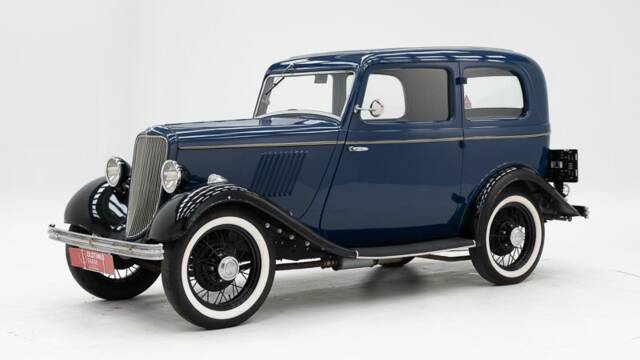
1932 | Ford Model Y
1932 Ford Model Y 8 HP Tudor '32
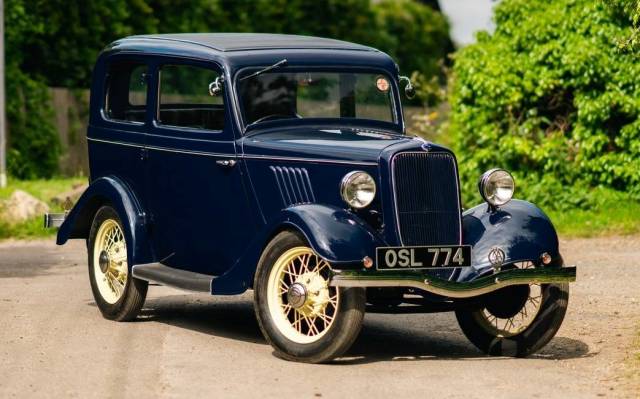
1937 | Ford Model Y
Pre-War Classic - Well Restored
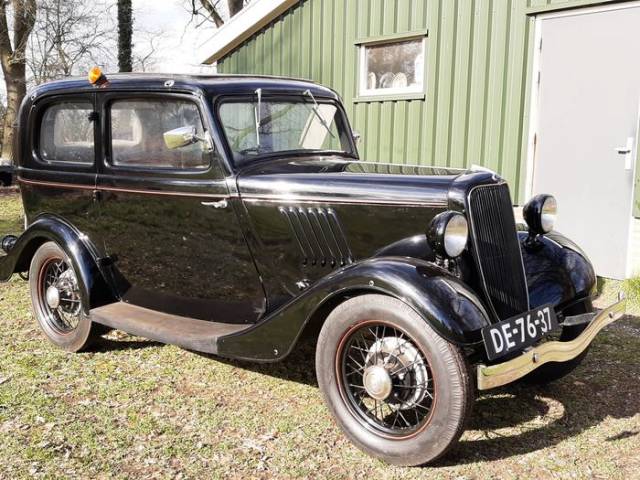
1937 | Ford Model Y
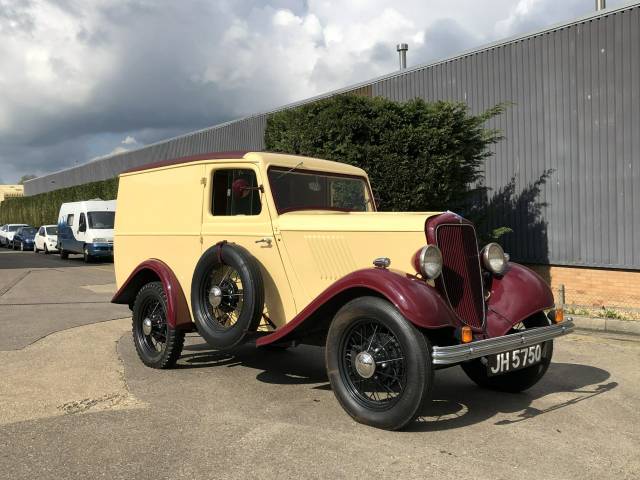
1933 | Ford Model Y
1933 Ford Model Y Short Rad 5 CWT Van. Beautifully Restored
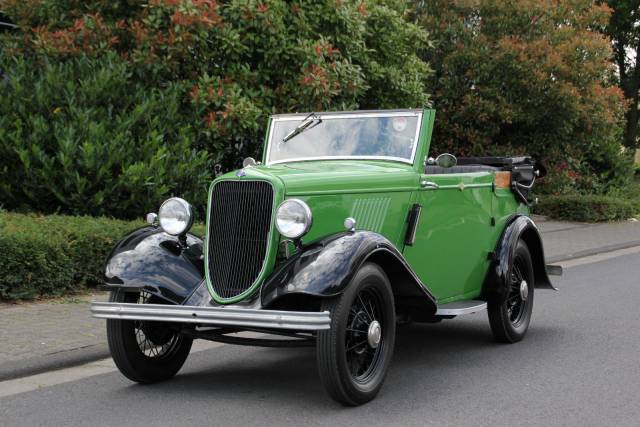
1933 | Ford Model Y
Model Y Cairn Convertible Cabrio
Create search alert
Let yourself be notified as soon as a listing is published that matches your search filters.
Create listing
Do you have a Ford Model Y that you want to sell? Then create a listing now.
Create listingFord Model Y Classic Cars: Prices & Market Values
History of the Ford Model Y
Produced from 1932 to 1937, the Ford Model Y was developed to replace the Model A in European markets. Up until its introduction, Ford’s European cars had essentially been American models built overseas. The Model Y, however, was the first Ford car conceived specifically for Europe, showcasing a recognition of different customer expectations and regulations on the continent. Its release also helped strengthen Ford’s position in the UK, France and Germany at a critical time in pre-war automotive development.
Model History
The Model Y was presented as a practical, affordable alternative to the larger Model A, featuring a smaller 933cc side-valve, four-cylinder engine. This efficiency answered local demand, especially given rising costs and taxes on large-displacement engines in the early 1930s. The Model Y line preceded the production of the Ford 8 and Ford Prefect, which continued Ford’s focus on compact family transport. No direct predecessor was built with Europe as its primary market focus, making the Y a foundational model.
Highlights of the Ford Model Y
A crucial highlight of the Ford Model Y was its tailored engineering for European road conditions—narrower lanes, smaller garages, and lower fuel costs. It was marketed in several body styles, including two-door and four-door saloons and a two-door van, meeting diverse customer needs. The Model Y had an advanced pressed steel body, uncommon for its price segment at the time. According to our supply and demand statistics, Model Y accounts for 100% of Ford classic car listings and views in our current database, reflecting an exclusive focus on this model among classic Ford offerings.
Technical data
Special Editions and Collectible Models
While the Model Y itself was pioneering, notable versions included the Tudor (two-door) and Fordor (four-door) saloons, as well as commercial van bodies, which were adapted for business use. The French and German production lines occasionally offered locally adapted variants, but no widely-recognised special editions were produced.
Weak Spots and Common Issues
No detailed issues are documented in the supplied data, but as with many cars of the era, prospective buyers should check for corrosion in the bodywork, electrical system reliability, and maintenance history of the side-valve engine, which can be susceptible to overheating if poorly maintained.
Engine and Performance, Transmission and Handling
Powered by a 933cc engine with modest output, the Model Y prioritised fuel efficiency and reliable city mobility over performance. The three-speed manual transmission was straightforward but required deft gear-changing due to non-synchronised design. Handling was light and direct thanks to its low weight and simple suspension, making it manageable even for less experienced drivers. The two-door Tudor was most commonly seen, offering nimble handling and lower weight compared to the Fordor saloon. Commercial variants served small businesses across Europe thanks to their minimal running costs.
Interior, Comfort, Exterior and Design
With its compact, upright body, the Model Y featured a simple but robust steel construction, flat body panels, and prominent front grille. Interiors were sparse and utilitarian but functional, with bench seating and minimal trim. Accessories were often limited to basic instrumentation and simple upholstery, reflecting the Model Y’s position as an entry-level car. Unique European colours and materials varied by assembly country, and body hardware demonstrated local supplier influence.
Other Features
The Model Y featured left or right-hand drive layouts, depending on market. Its simple mechanics made it a favourite for home mechanics and period racers. The widespread geographic production also resulted in subtle specification differences between British, French and German cars.
Summary
The Ford Model Y stands as a hallmark of early 1930s automotive engineering outside the US, tailored to the needs of European drivers. With 100% of current Ford classic listings and views on our platform, it occupies a unique position. Its historical significance, versatile body designs and straightforward mechanics continue to attract enthusiasts looking for a prewar classic suitable for regular use or restoration.