FIAT Argenta Classic Cars for Sale
The Fiat Argenta stands as the final evolution of Fiat’s large saloon offering from the 1980s, featuring robust mechanics, straightforward engineering, and classic Italian rear-wheel drive dynamics. Exploring this car means diving into a unique chapter of Fiat’s history, where practicality met the last breaths of analog automotive tradition.
Suchergebnisse
Zur Zeit sind keine passenden Inserate zu Ihrer Suche veröffentlicht.
Create search alert
Let yourself be notified as soon as a listing is published that matches your search filters.
Create listing
Do you have a FIAT Argenta that you want to sell? Then create a listing now.
Create listingFIAT Argenta listing references from Classic Trader
Below you will find listings related to your search that are no longer available on Classic Trader. Use this information to gain insight into availability, value trends, and current pricing for a "FIAT Argenta" to make a more informed purchasing decision.
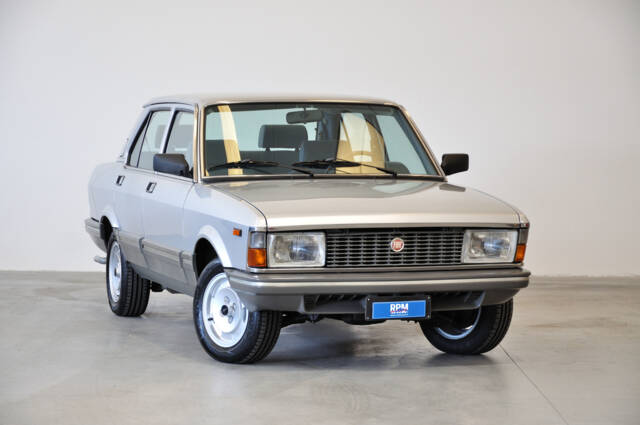
1982 | FIAT Argenta
1600 ECCELSA
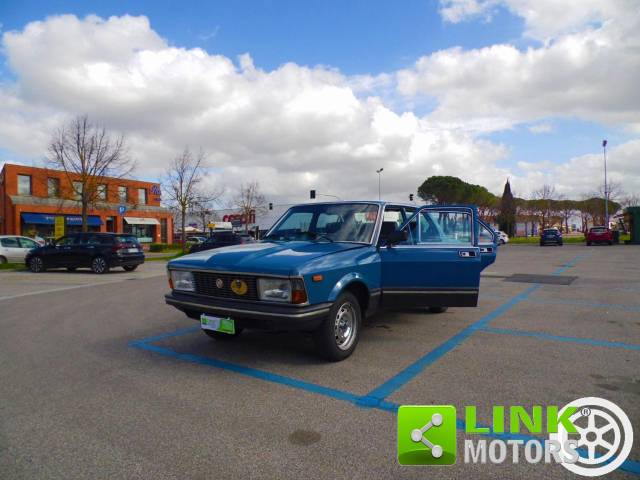
1983 | FIAT Argenta
FIAT ARGENTA
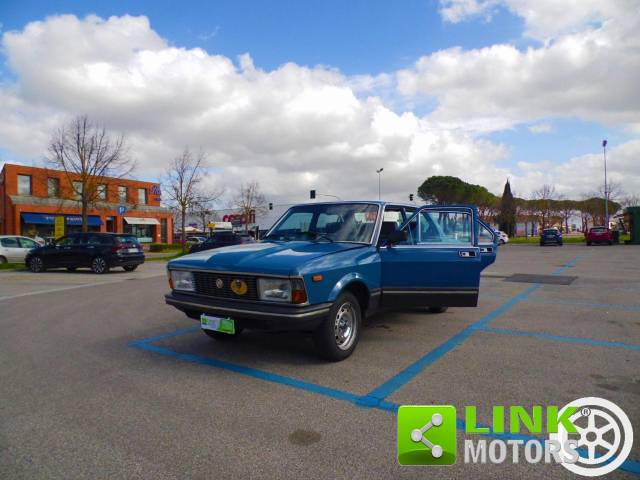
1983 | FIAT Argenta Diesel
FIAT ARGENTA
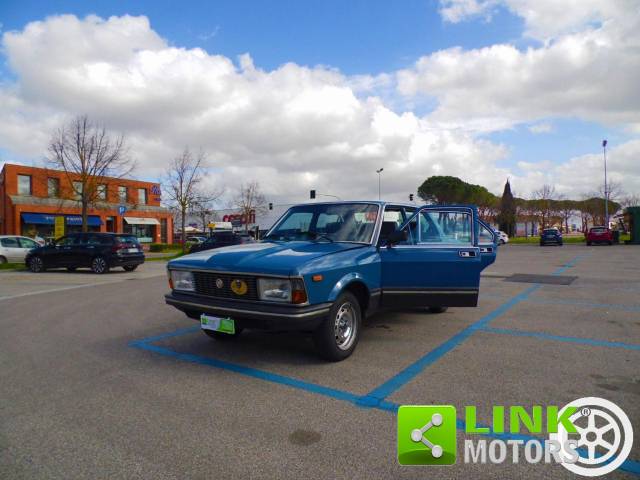
1983 | FIAT Argenta
FIAT ARGENTA
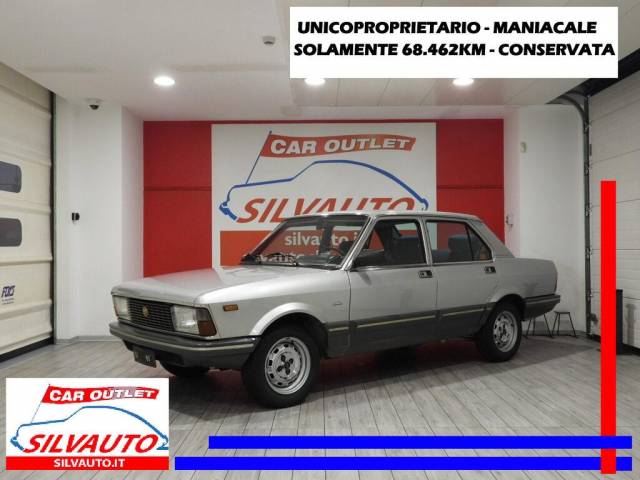
1981 | FIAT Argenta
FIAT ARGENTA 2.0 iniezione elettronica (i.e.) 1^SERIE – ISCRITTA ASI – SOLAMENTE 68.462KM – UNICOPROPRIETARIO – CONSERVATO MANIACALE – SUPERCONDIZIONI (1981)
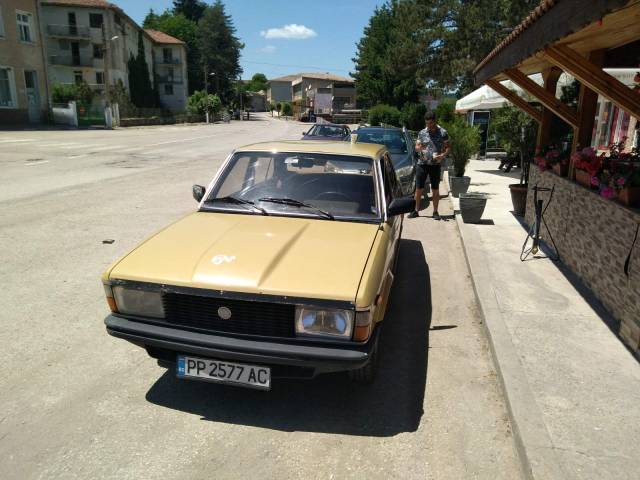
1982 | FIAT Argenta Diesel
For sale Fiat Argenta
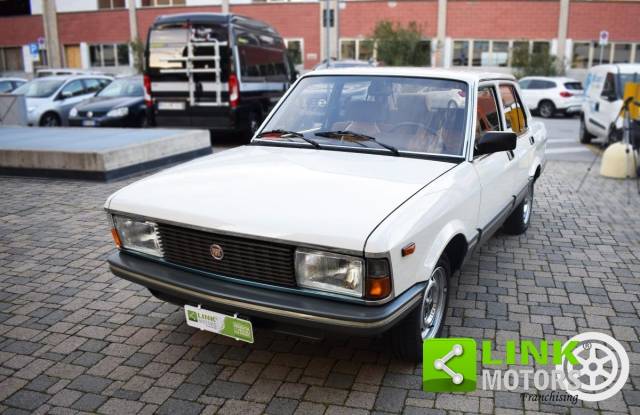
1984 | FIAT Argenta
FIAT - ARGENTA - 120 i.e.
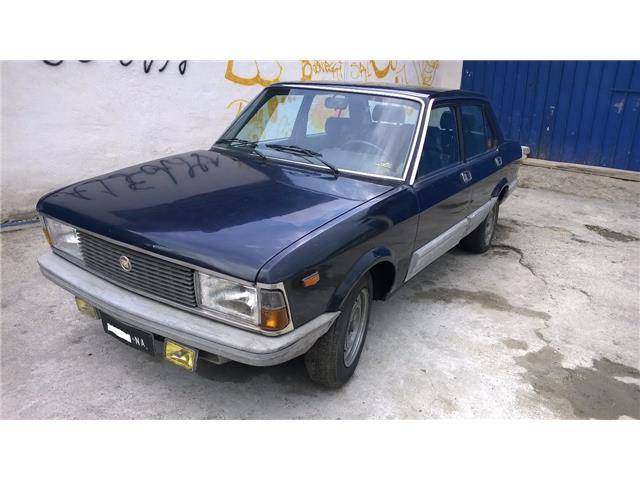
1981 | FIAT Argenta
Argenta 120 ie motore bloccato!
Create search alert
Let yourself be notified as soon as a listing is published that matches your search filters.
Create listing
Do you have a FIAT Argenta that you want to sell? Then create a listing now.
Create listingFIAT Argenta Classic Cars: Prices & Market Values
History of the Fiat Argenta
Introduced as the successor to the popular Fiat 132 in the early 1980s, the Fiat Argenta marked the end of an era for Fiat’s large saloons. Produced from 1981 until 1985, the Argenta came at a time when executive cars were shifting from traditional rear-wheel drive platforms to more modern designs. Fiat positioned the Argenta as a comfortable, well-equipped family car, targeting buyers who appreciated durability and mechanical simplicity. Unlike many contemporaries, the Argenta held on to old-school rear-wheel drive and classic saloon proportions, making it distinct among its competitors.
Model History of the Argenta
The Argenta directly replaced the Fiat 132, inheriting many of its mechanical components but benefitting from updated bodywork, improved interior appointments, and minor technical improvements. Notable for its wide range of engines—including petrol and diesel options—the model appealed to various markets across Europe. The production run was relatively short, as Fiat shifted its large saloon focus towards the new front-wheel-drive Croma after 1985, making the Argenta the last rear-wheel-drive saloon in Fiat’s lineup.
Highlights of the Fiat Argenta
Key characteristics of the Argenta include its proven mechanical layout featuring straightforward engines, sturdy suspension, and rear-wheel-drive transmission. The Argenta’s engineering emphasis lay on serviceability and longevity—a trait especially valued by private owners and fleet buyers in its production period. Features such as disc brakes all around and available overdrive transmissions added to its appeal.
From our internal statistics, the Argenta accounts for 100% of both listings and listing views in the classic Fiat section for this series. This means that enthusiasts specifically searching for Argenta models engage exclusively with this vehicle, indicating its niche but focused following.
Technical Data
Special Editions and Collectible Models
While the Argenta did not receive many traditional limited editions, certain variants equipped with higher-output engines (notably the twin-cam petrol units and the rare turbo diesel) are sought after by enthusiasts for their improved performance or better long-distance capabilities. In some markets, special trim levels offered more luxurious upholstery or enhanced equipment packages.
Weak Spots and Common Issues
Due to the Argenta's simple construction, servicing and restoration are generally straightforward. Areas requiring attention include the clutch assembly, rear axle bearings, and the suspension system. Given the age of most surviving cars, corrosion on the bodywork and in the sills is a notable concern. Clutch and pressure plate components are known service points, and inspecting for play in the axle bearings is recommended.
Engine and Performance, Transmission and Handling
Fiat equipped the Argenta with a variety of engines, including both carburettor and fuel-injected petrol options as well as a diesel variant. These engines are known for their longevity rather than outright performance and are straightforward to work on. The manual gearbox offers reliable shifting, while the rear-wheel drive layout influences handling, favouring comfort over sporty dynamics. The ride quality is complemented by a robust suspension, making the car suitable for long journeys. Highlights within the Argenta range include models featuring the 2.0-litre twin-cam engine for extra driving enjoyment, as well as the rare turbo diesel for mileage-focused drivers. Each variant shares the same mechanical layout, which keeps parts interchangeability high.
Interior, Comfort, Exterior and Design
The Argenta’s design evolved from late-1970s sensibilities, featuring clean lines with restrained chrome detailing. The interior was focused on practicality, with clear instrumentation, functional switchgear, and comfortable seating position for driver and passengers. Some editions came with velour upholstery or wood effect trims to elevate the ambiance. Exterior colour options included a range of solid and metallic paints common to Fiat’s palette of the era. Classic saloon cues—a pronounced boot, four-door configuration, and steel wheels—define the car’s mature presence. Options included factory-fitted air-conditioning and upgraded audio systems, rare finds today.
Other Relevant Features
For those interested in restoration, the Argenta presents a relatively simple platform, with accessible mechanicals and straightforward bodywork. The car lends itself well to both light recommissioning and full nut-and-bolt restoration projects, given the availability of technical information and the interchangeability of parts with other period Fiats. Preparation for painting and restoration is standard, given the typical age-related paint issues.
Summary
The Fiat Argenta occupies a unique niche as the last rear-wheel-drive executive saloon from Fiat, combining Italian design sensibility with enduring mechanicals. Its supply and demand statistics within our marketplace underscore its appeal to a specific segment of classic car enthusiasts. Easy to maintain and distinctive for its era, the Argenta offers both potential for originality and straightforward restoration for collectors and DIYers alike.