FIAT 625 classic commercial vehicle for sale
The FIAT 625 stands out as a robust and historically significant transporter. With original interiors, the potential for extensive restorations, and often individual paintwork, this classic van is a sought-after sight for enthusiasts of vintage utility vehicles.
Search results
Currently, there are no matching listings for your search.
Create search alert
Let yourself be notified as soon as a listing is published that matches your search filters.
Create listing
Do you have a FIAT 625 that you want to sell? Then create a listing now.
Create listingFIAT 625 listing references from Classic Trader
Below you will find listings related to your search that are no longer available on Classic Trader. Use this information to gain insight into availability, value trends, and current pricing for a "FIAT 625" to make a more informed purchasing decision.
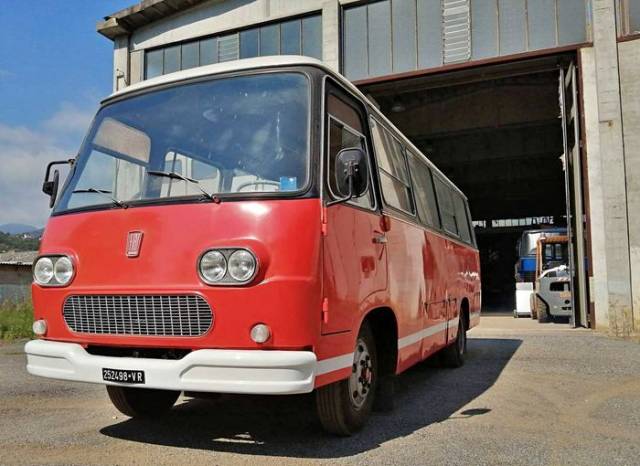
1970 | FIAT 625N Bus

Create search alert
Let yourself be notified as soon as a listing is published that matches your search filters.
Create listing
Do you have a FIAT 625 that you want to sell? Then create a listing now.
Create listingFIAT 625 Classic Cars: Prices & Market Values
History of the FIAT 625
Introduced as a commercial vehicle, the FIAT 625 was designed to meet the increasing demand for versatile transporters in post-war Europe. Characterised by its practical architecture and adaptable cargo space, the model quickly gained traction amongst small businesses, tradesmen, and public service providers in Italy and neighbouring countries. Its status as a symbol of hard-working, durable mobility is reflected by the recognition it can receive from automotive clubs like the A.S.I., acknowledging its historical value.
Model Series and Evolution
The FIAT 625 was developed as part of FIAT’s expanding commercial vehicle range. Built to follow in the footsteps of earlier FIAT vans and minibuses, it responded to a need for greater payload and increased comfort for both goods and passengers. Over its production cycle, the model evolved to feature mechanical updates and modifications driven by user feedback, including improvements to drivetrain reliability and cab ergonomics. Its successors further expanded on these practicalities, but the 625 remains notable for its honest approach to transport solution design.
Highlights and Notable Features
The FIAT 625 distinguishes itself with a few unique traits: original interiors are still found in some vehicles, which complement the model's authentic appeal for collectors and restorers. Many examples display individual paint schemes due to owner customisation over their long working lives. The restaurability of these vehicles is high, ranging from structural to mechanical restoration. Uncommon for mass-produced commercial vehicles, the 625’s historic recognition means it may be eligible for certification from automotive clubs, demonstrating its respected status among utility classics.
Technical Data
Special Editions and Collectible Models
There are no officially documented factory-limited editions of the FIAT 625 available on the marketplace, but examples with original or rare interiors, factory colour schemes, or historically certified vehicles (such as those with A.S.I. documentation) are especially valued among collectors and are sought after for their authenticity and provenance.
Weak Spots and Common Issues
Given the working nature of the 625, signs of wear, ageing, and corrosion are frequent. Paintwork may not always be factory original due to numerous owners over the decades, and mechanical overhauls—including roof and chassis restorations—are not uncommon. The underbody, in particular, benefits from thorough restoration and noise insulation. Italian regulations necessitate regular maintenance and inspection, so vehicles offered in the Italian market are often well-documented in this regard.
Engine, Handling, and Driving Characteristics
The FIAT 625 prioritises durability and steady driving rather than dynamic performance. Engines are engineered for longevity, optimal for short to medium transfers rather than highway speeds. Gear shifting and steering reflect utilitarian design, with a focus on reliability under frequent use. Advanced comfort is not central, but the driving position allows for extended use typical for commercial applications. As the only model in its category listed, the 625 defines its own standard, fulfilling typical transporter needs of its era with mechanical solutions that have stood the test of time.
Interior, Equipment, and Exterior Design
Inside, the FIAT 625 often retains its original utilitarian fittings, with straightforward dashboard layouts and functional seat designs. Exterior customisation is common, with numerous surviving vehicles painted in non-standard finishes due to private and commercial owner preferences. The model’s form follows its function, providing large doors, flexible cargo access, and a design optimised for utility. Restored underbodies often include added sound insulation. Accessories depend on period solutions, with some vehicles featuring period-correct signage or cargo modifications.
Other Noteworthy Aspects
Operating the FIAT 625 in Italy may require a special driving licence (category D), which is significant for buyers considering original use or preservation within its homeland. In addition, eligibility for historic vehicle certification further adds a dimension for collectors focused on authenticity and historical documentation.
Summary
The FIAT 625 is a distinctive chapter in the story of classic commercial vehicles, offering recognised historical significance, restoration potential, and complete coverage within its class on the market. With a variety of authentic period details and functional design, it appeals to enthusiasts seeking a practical and culturally resonant classic. Regular maintenance and attention to structural and mechanical integrity are essential for longevity, but opportunity for collector value is supported by its documented eligibility for historic certification.