Ferrari F50 classic cars for sale
The Ferrari F50, built for Ferrari's 50th anniversary, merges Formula 1 technology with road legality. Carbon fibre construction, a mid-mounted V12 engine derived from 1980s F1, and extremely limited supply distinguish every F50 on the market.
Search results
Currently, there are no matching listings for your search.
Create search alert
Let yourself be notified as soon as a listing is published that matches your search filters.
Create listing
Do you have a Ferrari F 50 that you want to sell? Then create a listing now.
Create listingFerrari F 50 listing references from Classic Trader
Below you will find listings related to your search that are no longer available on Classic Trader. Use this information to gain insight into availability, value trends, and current pricing for a "Ferrari F 50" to make a more informed purchasing decision.
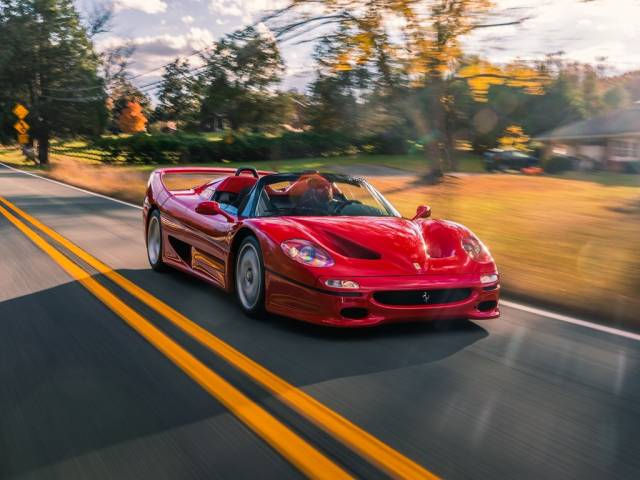
1995 | Ferrari F 50
1995 Ferrari F50

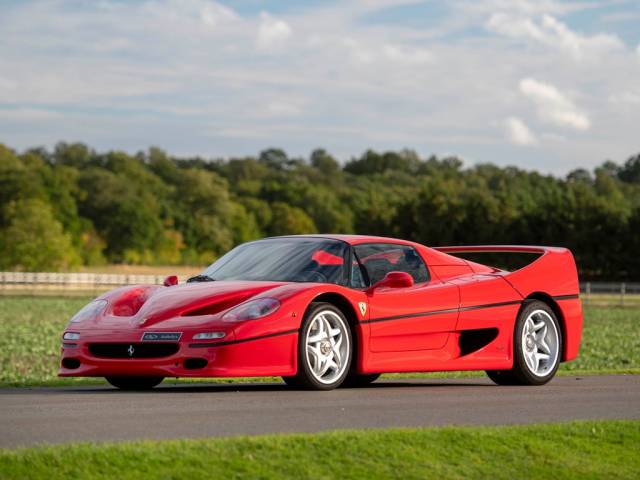
1997 | Ferrari F 50
1997 Ferrari F50
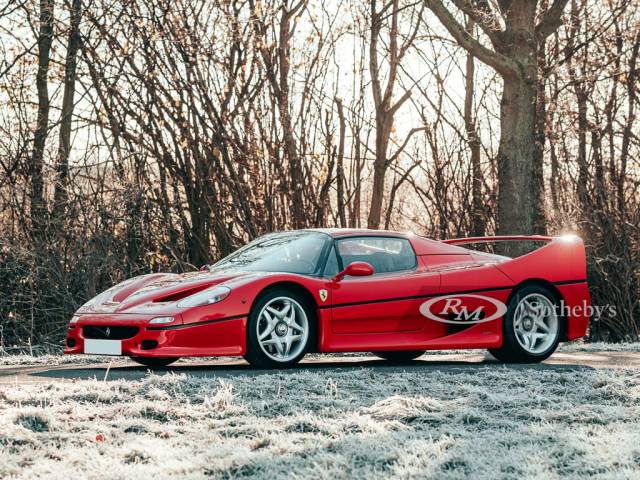
1996 | Ferrari F 50
1996 Ferrari F50
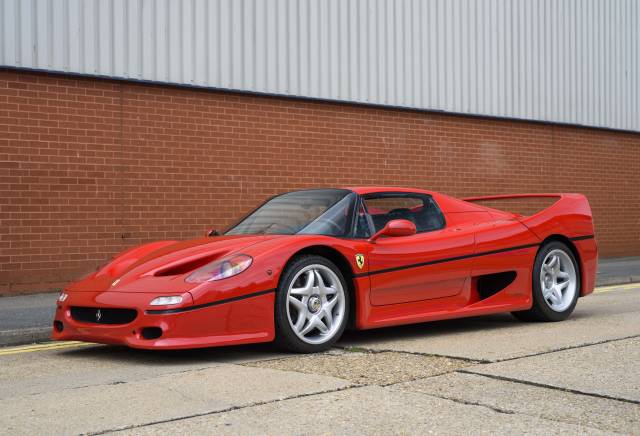
1997 | Ferrari F 50
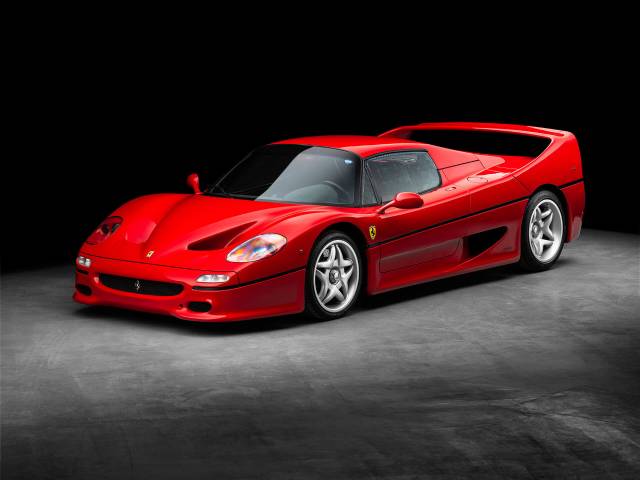
1996 | Ferrari F 50
Two Owners - Ferrari Classiche Certified
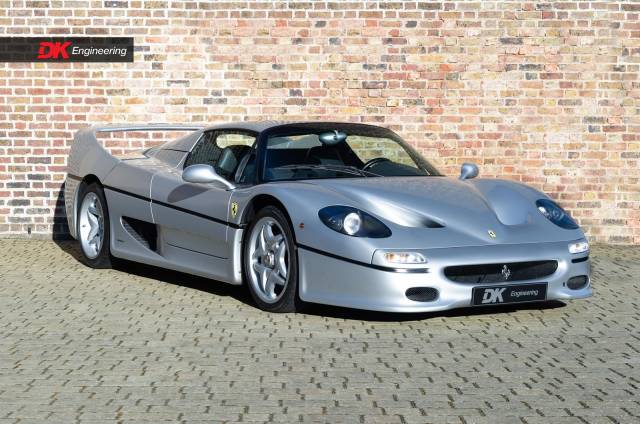
1997 | Ferrari F 50
Ferrari F50 [DK1144]
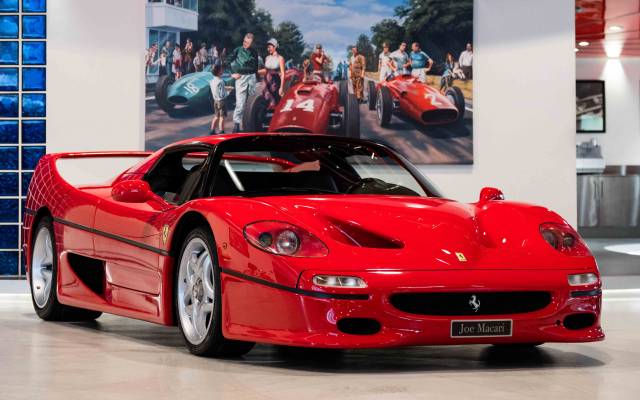
1996 | Ferrari F 50
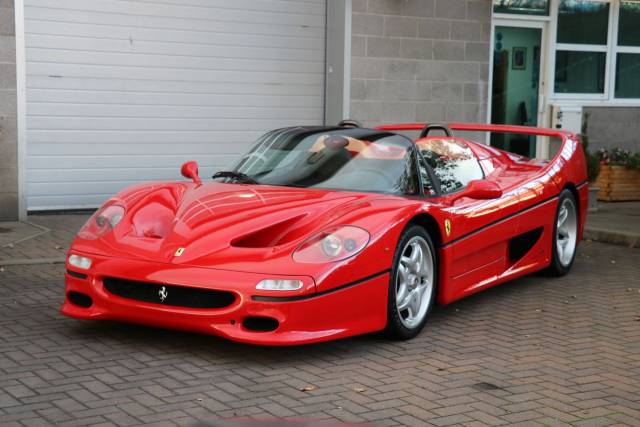
1997 | Ferrari F 50
1996 | Ferrari F 50
FERRARI F50 (LHD)
1997 | Ferrari F 50
1996 | Ferrari F 50
Ferrari F50 [DK863]
1997 | Ferrari F 50
Ferrari F50 [DK878]
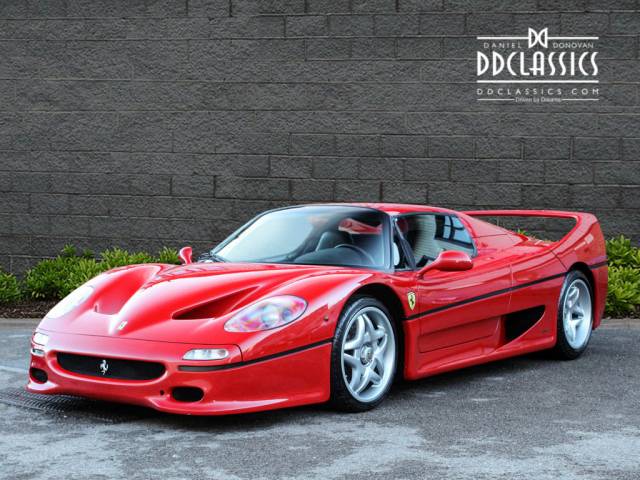
1997 | Ferrari F 50
5,591 miles / 1 Owner / Build Photos / Flight Box / Unique Opportunity
Create search alert
Let yourself be notified as soon as a listing is published that matches your search filters.
Create listing
Do you have a Ferrari F 50 that you want to sell? Then create a listing now.
Create listingFerrari F 50 Classic Cars: Prices & Market Values
History of the Ferrari F50
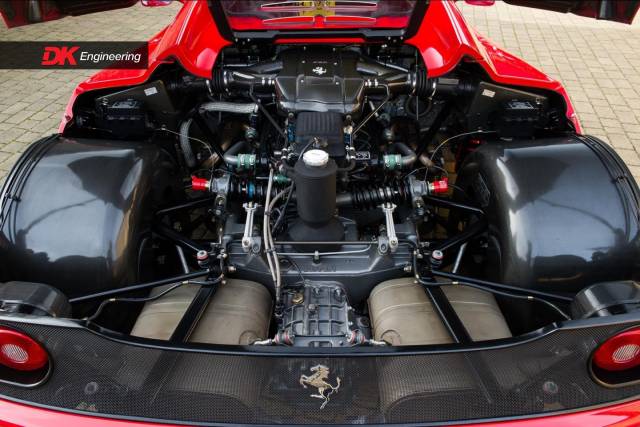
The Ferrari F50 was developed to celebrate the brand's 50th anniversary, debuting in 1996 and running until 1997 in a highly restricted production batch. Its development ethos was to create a road car as close as possible to a Formula 1 experience. Powered by a newly developed 4.7-litre V12, directly linked to Ferrari’s F1 engines of the 1980s, the F50 was conceived as the true successor to the F40—a car that defined an era of supercar performance.
Only selected clients were able to purchase the F50, following the tradition started with its predecessor. Each car cost around €380,000 at launch, and its exclusivity was further underlined by unique technological solutions such as titanium wheel hubs, magnesium alloy wheels, and a carbon fibre reinforced plastic monocoque. The F50's immediate successor, the Ferrari Enzo, would not emerge until 2002, underlining the F50’s importance in the Ferrari pantheon.
Model History
The F50 follows the legendary F40 and paved the way for the Ferrari Enzo in Ferrari's line-up of ultimate road-legal supercars. Each model in this lineage has served as a technological flagship, utilising racing-derived innovation and ground-breaking materials. The F50’s direct predecessor, the F40, marked the end of the turbocharged era, while the Enzo later advanced carbon fibre technology and F1-based electronics even further. Low production numbers furthermore establish the F50’s rarity compared to its successors and predecessors.
Highlights and Market Share
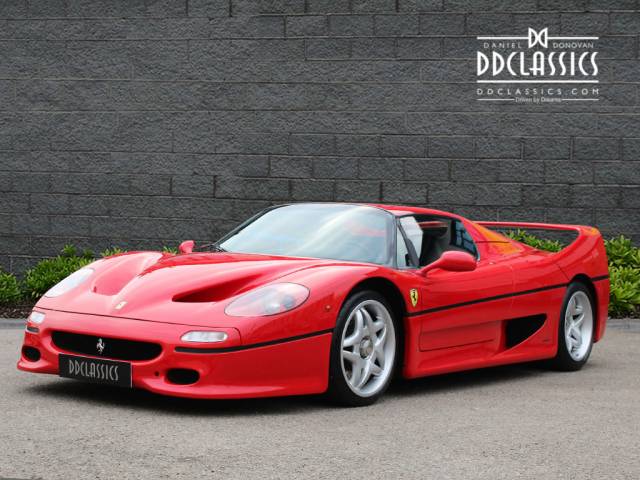
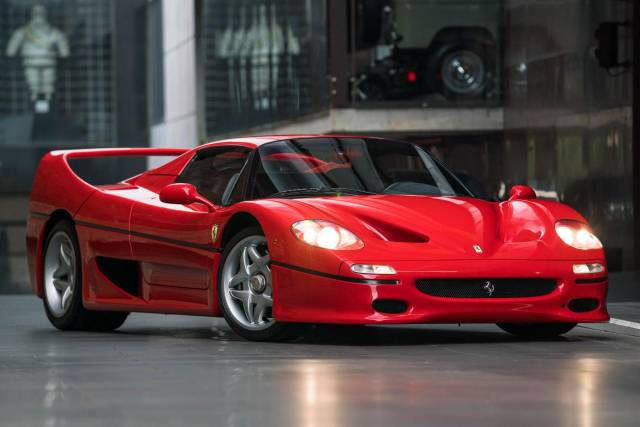
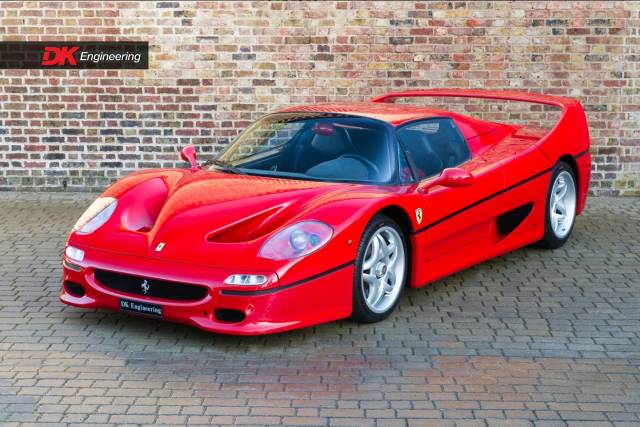
Central to the F50’s reputation is its 4.7-litre V12 naturally aspirated engine, originally derived from Formula 1. The full carbon fibre chassis, removable hardtop for conversion to a two-seater open configuration, and titanium suspension parts set the F50 apart from virtually every other Ferrari of its day. Only selected buyers could purchase the F50, tightening market rarity.
Technical Data
Special Editions and Collectible Models
Production of the F50 was limited to a strictly controlled, small batch, with each car essentially a collector’s edition by default. No further special factory models or series are documented beyond the base model, but the selection process for clients was extremely exclusive, linking each car to significant provenance.
Engine, Transmission, and Handling
With the V12 engine modelled on Ferrari’s F1 units of the 1980s, the F50 delivers engaging performance, maintaining high-revving characteristics and a distinct mechanical soundtrack. The naturally aspirated V12, combined with a manual 6-speed transmission, demands precision from the driver yet rewards with an authentic, analogue driving experience seldom matched by competitors of the era. The suspension and chassis setup emphasise feedback, with titanium and magnesium components improving strength and response while minimising weight. The F50’s braking, with its large ventilated discs, ensures stable deceleration from high speeds, particularly important given the car’s capability above 300 km/h. Noteworthy competitors and similar engineering approaches can be found in the Ferrari F40 (turbocharged V8, lighter curb weight) and later in the Enzo Ferrari (advanced electronics and carbon fibre monocoque). The F50 remains the most direct F1 link of its lineage.
Exterior, Interior, Comfort and Design
The F50 was designed for minimal mass and maximum performance, utilising carbon fibre for the body and chassis. The exterior is defined by striking aerodynamic shaping, exposed carbon fibre surfaces, and the function-first removable hardtop, converting the coupé into a pure open-top sports experience. Inside, function supersedes luxury—the driver and passenger are greeted by bare carbon and purposeful controls, echoing an F1 cockpit. Wheels were supplied in magnesium alloy; titanium elements reduced unsprung mass. Special design elements include the integration of F1-derived technical solutions, from the seating position to the suspension geometry, ensuring the F50 feels unmistakably focused. Factory options were limited, further emphasising its motorsport ethos.
Summary
The Ferrari F50 stands as a bridge between 1980s Formula 1 technology and road car innovation, combining a 4.7-litre V12 and carbon fibre construction in an extremely rare, driver-focused package. Its supply and demand, both at 100% as per Classic Trader’s database for this code, underline its unique status among Ferrari enthusiasts. Advanced materials, F1-derived mechanics, and the open-top conversion define the F50 and separate it clearly from both predecessors and successors.