Ferrari 410 classic cars for sale
The Ferrari 410 series stands as a statement of raw V12 performance and Italian elegance, built for the world’s most demanding endurance races and sophisticated grand touring. Produced in extremely limited numbers from 1955 to 1959, each 410 is a unique combination of racing engineering and hand-crafted luxury, making it an exceptional addition to any collection.
Suchergebnisse
Zur Zeit sind keine passenden Inserate zu Ihrer Suche veröffentlicht.
Create search alert
Let yourself be notified as soon as a listing is published that matches your search filters.
Create listing
Do you have a Ferrari 410 that you want to sell? Then create a listing now.
Create listingFerrari 410 listing references from Classic Trader
Below you will find listings related to your search that are no longer available on Classic Trader. Use this information to gain insight into availability, value trends, and current pricing for a "Ferrari 410" to make a more informed purchasing decision.
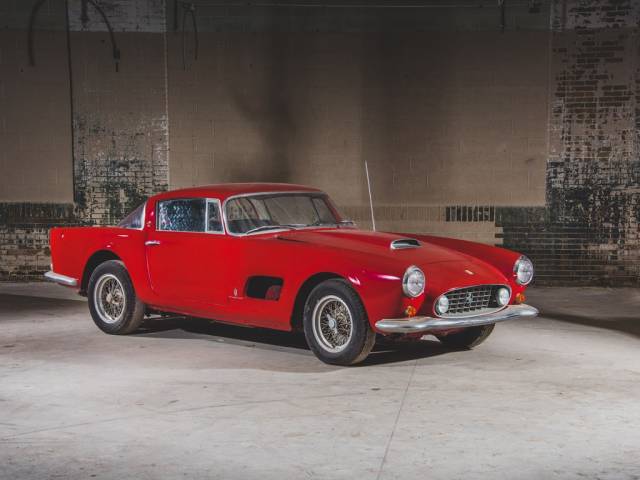
1956 | Ferrari 410 Superamerica S I
1956 Ferrari 410 Superamerica Coupe Series I by Pinin Farina
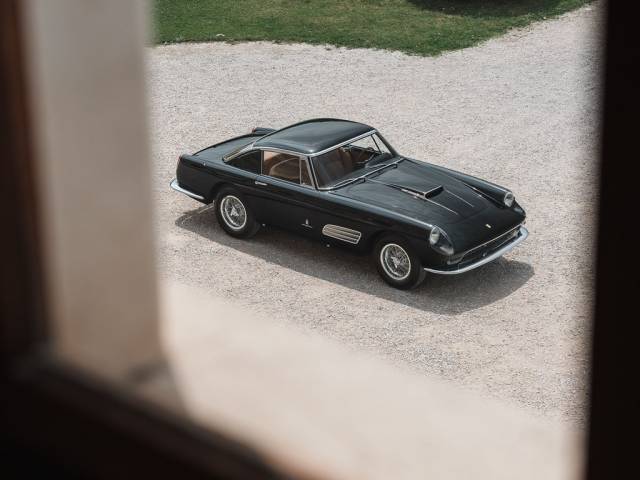
1959 | Ferrari 410 Superamerica
1959 Ferrari 410 Superamerica Coupe Series III by Pinin Farina
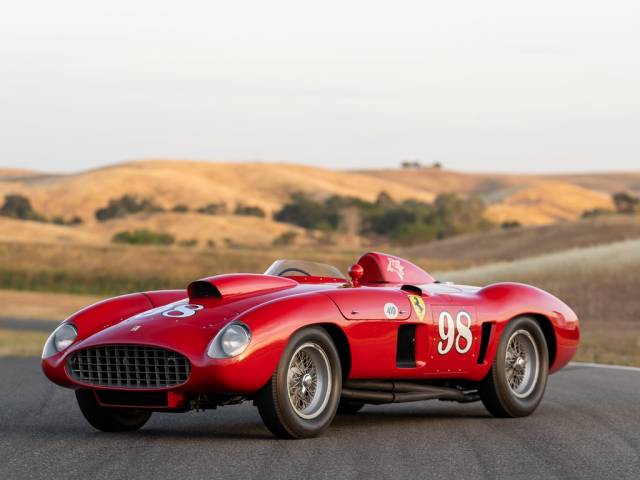
1955 | Ferrari 410 Sport Spider
1955 Ferrari 410 Sport Spider by Scaglietti
Create search alert
Let yourself be notified as soon as a listing is published that matches your search filters.
Create listing
Do you have a Ferrari 410 that you want to sell? Then create a listing now.
Create listingFerrari 410 Classic Cars: Prices & Market Values
History of the Ferrari 410
The Ferrari 410 first appeared in 1955 as a response to the era’s most grueling road and endurance races, particularly the Carrera Panamericana and the FIA Sports Car Championship. The model stands as the direct successor to the Ferrari 375 America, presented at the Paris Motor Show. Its robust box frame, advanced double wishbone front suspension, rear live axle, and powerful drum brakes were borrowed from Ferrari’s top contemporary racers. The real leap was the Lampredi V12 engine, available in various configurations—most notably with double ignition and as much as 400 hp in some race versions. The 410 Superamerica, introduced in 1956 and produced across three series, then shifted the focus toward grand touring, pairing breathtaking performance with unparalleled bespoke luxury.
Model History
The Ferrari 410 series comprises distinct models: the original racing prototypes (often referred to as '410 Sport') and the refined 410 Superamerica variants. Early racing cars were defined by their larger Lampredi engines, four distributors, and 24 spark plugs. The 410 Superamerica succeeded the 375 America as Ferrari’s top road-going car, built in three evolutions:
- Series I (1956): 17 units, primarily bodied by Pininfarina, featuring a long-wheelbase chassis and the 4.9-litre V12.
- Series II (1956–1957): 8 cars with a shorter wheelbase for improved handling, crafted by Pininfarina and Scaglietti.
- Series III (1958): Final and most advanced with 12 coupés, refined exterior features, and optimized engine configuration. The 410 Superamerica series ended in 1959, succeeded by the Ferrari 400 Superamerica.
Highlights of the Ferrari 410
The Ferrari 410 is unique for its sheer scale and engineering focus: a Lampredi V12 engine up to 4,963 cc, often featuring double ignition and triple Weber carburettors for a power output up to 400 hp. Each car’s coachwork was crafted uniquely and primarily by Pininfarina, with a handful by Boano and Scaglietti. The models featured striking design: high waistlines, panoramic rear windows, dramatic bonnet scoops, and luxurious Connolly leather interiors. Special finishes like Blu Artico and Nero Tropicale set certain examples apart. The 410 enjoyed a reputation with elite clientele and distinguished itself in both road use and in international concours.
Market statistics:
- Supply: Ferrari 410 listings represent 50% of all Ferrari listings in this segment, with the Series III accounting for another 50% share.
- Demand: Series III models attract the majority of views (56.3%), indicating particularly high interest in the latest evolution.
Technical Data
Special Editions and Collectible Models
Most Ferrari 410s can be considered special due to the hand-built nature of each car. However, the 410 Superamerica Series III (1958), of which only 12 units were constructed, is particularly notable. Seven were delivered with covered headlights. Earlier, the racing 410 Sport models are significant for their competition pedigree and technical innovations such as 24-spark plug twin ignition, commissioned for events like the Carrera Panamericana. Several cars were made as unique commissions, no two being exactly the same.
Weak Spots and Common Issues
Due to the extremely limited numbers produced and bespoke mechanical layout, specialist knowledge is essential for maintenance. No further weak spots are detailed within the data provided, but as with any V12, maintaining the advanced ignition and carburettor setup, as well as sourcing period-correct body and suspension parts, should be anticipated as challenging and potentially costly.
Engine and Performance, Transmission and Handling
The 410 delivers high-speed touring and tremendous straight-line performance, especially in Series III form. The 4.9-litre Lampredi V12 provides ample torque and responsiveness, matched to a four-speed manual gearbox with a distinctive shift pattern. Shorter wheelbases in later versions and wide tracks enhance agility compared to contemporary grand tourers. Early chassis offered robustness for competition, while the Superamerica versions evolved for refinement and cruising at high speeds. - 410 Sport: Purpose-built for endurance racing, with up to 400 hp and competition chassis.
- 410 Superamerica Series III: Twelve made, power up to 360 hp, improved drum brakes and advanced carburation.
Interior, Comfort, Exterior and Design
410 Superamericas carried coachwork almost exclusively by Pininfarina, sometimes Boano or Scaglietti, in coupe or spider form. Hallmark features include high waistlines, low roof, panoramic rear screen, long bonnet with functional scoops, wide fender vents, and optionally covered headlights (particularly rare on Series III). The interior featured lavish Connolly leather over most surfaces, with attention to custom details per customer. Factory accessory options and bespoke colour schemes—Blu Artico, Nero Tropicale IVI—were common, giving each 410 a unique aura of luxury and exclusivity.
Other relevant features
The Ferrari 410’s earliest units were factory racers piloted by motorsport legends such as Juan Manuel Fangio and Carroll Shelby. These cars achieved results in notable events including the 1000 km Buenos Aires and the Cuba Grand Prix. Today, the 410 is a centrepiece at major concours and historic race meetings worldwide, illustrating the lasting appeal of its racing pedigree and design.
Summary
The Ferrari 410 represents Ferrari’s ambition to build the fastest and most luxurious road and race cars of the 1950s. Combining a custom-built 4.9-litre V12, individually fashioned bodies by master Italian coachbuilders, and a history steeped in motorsport, the 410 remains one of the ultimate classic Ferraris for collectors seeking a blend of elegance and racing substance.