Dodge DP Series classic cars for sale
The Dodge DP Series stands out in the world of classic American vehicles for its rugged engineering and the functionality typical of pre-war designs. Its reputation stems from a purposeful utility and resilience, making it a true piece of automotive history that is sought after by collectors who value authenticity and robust mechanics.
Search results
Currently, there are no matching listings for your search.
Create search alert
Let yourself be notified as soon as a listing is published that matches your search filters.
Create listing
Do you have a Dodge DP Series that you want to sell? Then create a listing now.
Create listingDodge DP Series listing references from Classic Trader
Below you will find listings related to your search that are no longer available on Classic Trader. Use this information to gain insight into availability, value trends, and current pricing for a "Dodge DP Series" to make a more informed purchasing decision.
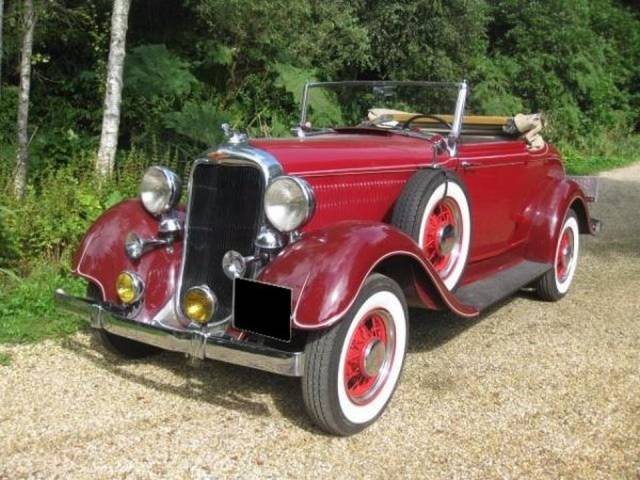
1933 | Dodge DP Six DHC
Create search alert
Let yourself be notified as soon as a listing is published that matches your search filters.
Create listing
Do you have a Dodge DP Series that you want to sell? Then create a listing now.
Create listingDodge DP Series Classic Cars: Prices & Market Values
History of the Dodge DP Series
The Dodge DP Series originated in the early 1930s, a period of economic turbulence and innovation in automotive design. With the DP Series, Dodge built trucks and light commercial vehicles aimed at businesses needing dependable workhorses. These vehicles quickly gained a reputation for being reliable in harsh conditions—a testament to their sturdy chassis and straightforward, serviceable engineering. The DP Series did not aim for luxury, but for functionality and endurance, fitting the needs of an era focused on recovery and practicality.
Model History of the DP Series
The DP Series succeeded the earlier Dodge commercial offerings of the late 1920s, featuring several mechanical updates to its chassis and powertrain. Early models were powered by straight-six engines with solid axles and body-on-frame construction. Compared to its predecessor, the DP introduced a stronger frame, larger payload ratings and improved drivetrain durability. Ultimately, the DP Series was replaced by newer Dodge models by the mid-1930s, reflecting continual evolution in commercial vehicle requirements and design.
Highlights of the Dodge DP Series
Distinct for their utilitarian appearance and well-engineered mechanical layout, the DP Series vehicles are noted particularly for robust construction and practical solutions suited to the economic conditions of the 1930s. Factory options included a variety of body styles and configurations, tailored to small businesses and trades. Evidence of their durability is apparent from units still surviving in functional condition. In terms of current presence on the market, supply statistics show that the DP Series makes up a very small percentage when compared to other Dodge models, highlighting its rarity and unique value among classic vehicle circles.
Technical Data for the Dodge DP Series
Special Editions and Collectible Models
Available information currently does not point to limited-edition or factory-rare versions of the DP Series. However, original commercial body styles—such as panel vans or pick-ups with bespoke coachwork—are especially valued today, especially if retaining period-correct details, paint, or signage.
Weak Spots and Common Issues
No manufacturer-specific or model-specific weaknesses are currently documented. Buyers of vehicles from the 1930s should, however, pay particular attention to the integrity of the steel bodywork, chassis rust, and mechanical wear typical of vehicles of this age. Service documentation and authentic spare parts support remain crucial for long-term usability.
Engine, Performance, Transmission and Handling
The straight-six engines in the DP Series are renowned for their torquey, relaxed character, making them effective at low speeds under load. Gearboxes are typically unsynchronised, requiring proper technique for gear changes. The handling is in line with commercial vehicles of the early 1930s: solid axles and leaf springs ensure durability, though comfort and road-holding are secondary to carrying capacity. Braking systems, usually mechanical, benefit from regular attention and proper adjustment. Notable variants include the DP pickup and panel van bodies, particularly sought after in unrestored or period-accurate condition. Engine and axle specifications remained almost unchanged through the series, contributing to ease of maintenance and restoration.
Interior, Comfort, Exterior and Design
The DP Series forgoes decorative excess in favour of a purely functional aesthetic. The bodywork typically features simple pressed steel panels, with minimal chrome detailing and exposed hinges. Cabin interiors are austere, often finished with metal dashboards and limited upholstery, reflecting the economic pressures of the era. Many vehicles were delivered in primer or basic paint colours, with custom signwriting commonplace for business clients. Accessories were rare, though original utility racks or vintage commercial equipment considerably increase interest among collectors.
Other Features
Some surviving DP Series trucks are notable for being preserved in working livery, complete with period signage or equipment, which greatly enhances their value and storytelling potential. Restoration projects benefit from a robust support network among American vintage truck enthusiasts.
Summary
The Dodge DP Series represents a time when American light trucks prioritised reliability, rugged construction, and practical engineering. Its presence on today’s market is rare, highlighting the DP as a distinctive and rewarding option for those drawn to authentic commercial vehicle history and pre-war American design.