Dodge Custom classic cars for sale
The Dodge Custom, produced primarily between 1940 and 1948, stands out as a representative of American luxury and innovation of its era. With robust in-line six-cylinder engines, distinctive designs, and a range of body styles from sedans to convertibles, the Custom series captures the spirit of post-war automotive progress. Unique technical features and classic chromed details continue to catch the eye of enthusiasts today.
Search results
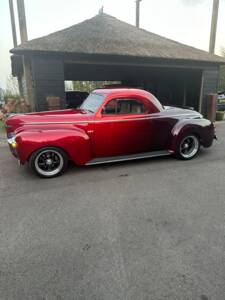
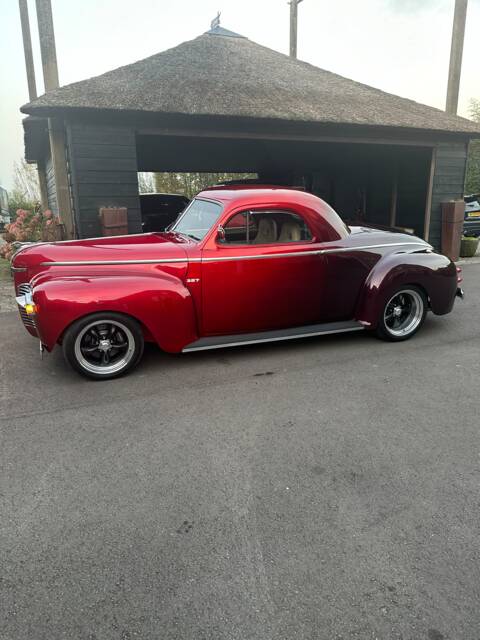
1941 | Dodge Custom D 19
Dodge Coupe DeLuxe Serie D19 (HotRod) 1941!!, ongelooflijk toffe en zeer goed rijdende HotRod prijs 56.500,- euro (taxatierapport uit 2025 van 62.000,- euro!)

Dodge Custom listing references from Classic Trader
Below you will find listings related to your search that are no longer available on Classic Trader. Use this information to gain insight into availability, value trends, and current pricing for a "Dodge Custom" to make a more informed purchasing decision.
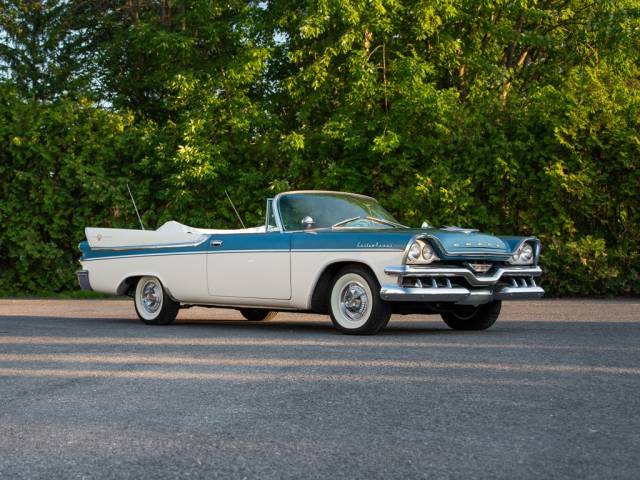
1957 | Dodge Custom Royal
1957 Dodge Custom Royal Lancer D-500 Convertible

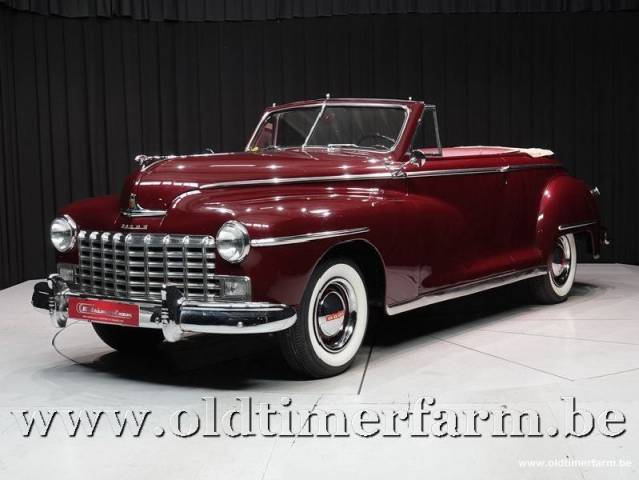
1947 | Dodge Custom
1947 Dodge Custom '47

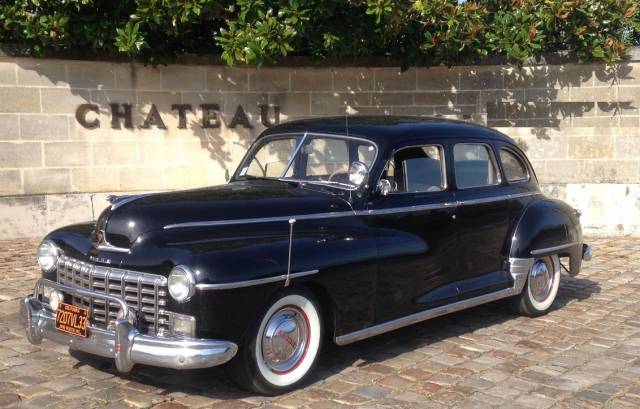
1948 | Dodge Custom
DODGE Custom Sedan D24

Dodge Custom Classic Cars: Prices & Market Values
History of the Dodge Custom
The Dodge Custom emerged as a full-size upper-class car produced between 1940 and 1942, and again from 1946 to 1948, by Dodge in Detroit. Initially launched as the Custom Series D19, it was aligned with the Deluxe twin model, sharing much of its engineering but differing in appointments. Production paused during World War II, resuming post-war with minimal changes but continued to embody the American approach to stately, comfortable motoring. The Custom became known for its advanced features—such as independent suspension, larger chassis, and a reputation for durable six-cylinder engines—making it a mainstay in Dodge’s lineup until its discontinuation in 1949, succeeded by the Dodge Coronet.
Model History
The Dodge Custom’s evolution began with the D19 series (1940–1942), offering sedans, coupes, and a Pullman limousine. Facelifts brought the D22 for 1942, featuring updated grilles and a larger 3.8-litre engine. After the war, the D24C continued the tradition with a slightly modernised look but retained the essentials: a robust six-cylinder engine and three-speed manual transmission. The body style options were streamlined post-1945, focusing on four-door sedans and convertibles, as wartime shortages ended. In 1949, the Dodge Coronet replaced the Custom as the flagship Dodge sedan, ending this distinctive chapter.
Highlights and Unique Features
Standout qualities of the Dodge Custom include its spacious interiors with high-grade cloth upholstery, abundant chromework, and robust construction. The availability of the rare Pullman limousine version and the innovative 'Fluid Drive' semi-automatic transmission were highlights for comfort and driving ease. The Custom's status as a well-appointed, visually distinct car of the 1940s is reinforced by details such as chromed grille bars (notably the seven-bar front in the D22) and multi-body configurations.
Technical Data
Special Editions and Collectible Models
The most notable variant is the Dodge Custom Royal, reintroduced from 1955 to 1959. This version, sitting atop Dodge’s luxury range, featured V8 'Chrysler Hemi' engines (5.2–5.9 l, up to 250 kW depending on trim), unique styling, and high-end equipment including power windows, premium upholstery, and custom exterior trim. Early post-war Customs with intact original equipment and rare body styles—such as the Pullman limousine or Brougham—are sought after for their rarity and historic value.
Weak Spots and Common Issues
No explicit weaknesses are recorded in the data, but prospective buyers should carefully inspect for corrosion on chassis and body panels, as the frame-on-body construction can hide rust. Mechanical reliability is strong, especially for the simple six-cylinder engines, but components like the Fluid Drive system require specialist knowledge for maintenance. Interior parts—fabrics, headliners, and trim—might be expensive or difficult to replace due to the age and scarcity of original materials.
Engine, Performance, Transmission and Handling
Dodge Customs typically employed an inline-six engine with side-valve arrangement, offering smooth operation and sufficient power for leisurely long-distance travel typical of their era. The standard three-speed manual was reliable and complemented by Dodge’s innovative Fluid Drive, making city driving easier. Suspension design focused on comfort over agility, ideal for American road conditions of the 1940s. Braking and steering are consistent with period expectations, requiring anticipation and gentle input.
Popular variants—especially those with the semi-automatic transmission and larger six-cylinder (3.8 l, 105 hp)—are popular for their historic role as executive transport and for their accessible driving feel by classic standards. undefined
Interior, Comfort, Exterior and Design
Classic examples of American automotive styling are found in the Dodge Custom: prominent chrome grilles, sculpted hood lines, and well-proportioned fenders. Interiors featured plush cloth seats, a full dashboard with classic gauges, and subtle art-deco influences. The post-war D24C highlights an updated grille pattern and restrained yet elegant trim. Special edition variants used unique paint colours, two-tone combinations, and extra chrome trim. Popular accessories include period radios, fog lamps, and optional whitewall tyres, enhancing the car’s stately appearance.
Other Notable Features
Practical advantages include the classic chassis/body layout, which aids in restoration work. Many Customs still retain original US documentation, making European registration possible. Spares can be located, but require patience, as the demand for genuine trim and technical components remains strong among dedicated collectors. The car’s size and presence make it a standout at shows and in collections focused on American automobilia.
Summary
The Dodge Custom stands as a symbol of upper-class American engineering from the 1940s, blending robust mechanical design with stylish, chromed presentation. With high demand among classic car enthusiasts and a range of rare variants, it remains a fascinating addition for anyone serious about pre- and post-war American automobiles.