Dodge Aspen Classic Cars for Sale
The Dodge Aspen stands out among American compact cars of the late 1970s, available in sedan, coupe, and wagon formats. Known for its rear-wheel-drive layout, the Aspen delivers classic American engineering and distinctive 1970s design.
Zoekresultaten
Op dit moment zijn er geen overeenkomende advertenties voor uw zoekopdracht.
Create search alert
Let yourself be notified as soon as a listing is published that matches your search filters.
Create listing
Do you have a Dodge Aspen that you want to sell? Then create a listing now.
Create listingDodge Aspen listing references from Classic Trader
Below you will find listings related to your search that are no longer available on Classic Trader. Use this information to gain insight into availability, value trends, and current pricing for a "Dodge Aspen" to make a more informed purchasing decision.
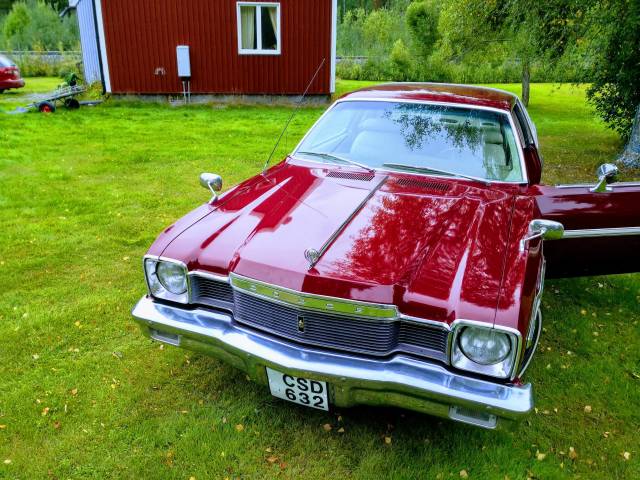
1976 | Dodge Aspen Special Edition Coupe 318
Dodge Annan ASPEN SPECIAL EDITION
Create search alert
Let yourself be notified as soon as a listing is published that matches your search filters.
Create listing
Do you have a Dodge Aspen that you want to sell? Then create a listing now.
Create listingDodge Aspen Classic Cars: Prices & Market Values
History of the Dodge Aspen
The Dodge Aspen was launched by Chrysler for the 1976 model year, offering an answer to the shifting American market that demanded smaller, more fuel-efficient vehicles following the fuel crises of the 1970s. Alongside its near-twin, the Plymouth Volaré, the Aspen was developed to replace models like the Dodge Dart and to bring a more modern and refined compact to Dodge's lineup. It was offered across several body styles: four-door sedan, two-door coupe, and four-door wagon. Though it debuted as a modern right-sized car for suburban families, the Aspen remained rear-wheel-drive at a time when front-drive competitors were emerging. Production continued until 1980, after which it passed the torch to a new generation of vehicles better suited to the increasingly competitive compact segment.
Model History
The Dodge Aspen traces its lineage from the long-running Dodge Dart, evolving the concept of a reliable and spacious compact. While it kept the robust rear-drive setup, it incorporated improvements in ride and handling over its predecessor. The Aspen shared its platform and most components with the Plymouth Volaré, illustrating Chrysler's badge engineering strategy of the period. After 1980, the Aspen was succeeded by the front-wheel-drive Dodge Aries, reflecting a broader industry move toward more efficient designs.
Highlights of the Dodge Aspen
A key highlight of the Dodge Aspen is its range of body styles, offering flexibility for buyers looking for a family sedan, a stylish coupe, or a practical station wagon. The Aspen balances American V8 and straight-six powerplants, giving buyers a range of motoring experiences. With its rear-wheel-drive architecture, it preserves the driving characteristics typical of American cars from this era. Notably, the Aspen was among the last compact cars from Chrysler available with classic rear-wheel-drive before the industry's widespread transition to front-wheel-drive layouts.
Technical Data
Special Editions and Collectible Models
Several special trim packages and limited runs of the Aspen appeared during its production. Most notably, the R/T package for the coupe variant provided sportier styling and performance-oriented suspension tuning. These models, produced in limited numbers, are sought after by collectors interested in performance-focused compact Mopars of the late 1970s.
Weak Spots and Common Issues
Aspens, like many vehicles of their era, can face corrosion issues, particularly in the chassis and underbody. Mechanical systems are generally robust, though owners should watch for wear in the drivetrain and electrical system—especially due to aging insulation and connectors. As with many American cars from the late 1970s, attention to preventive maintenance ensures longevity and reliability.
Engine and Performance, Transmission and Handling
The Aspen was offered with a choice of inline-six and V8 engines, with transmissions including both manual and Torqueflite automatic gearboxes. The driving experience is defined by the smoothness associated with Mopar suspension tuning of the era, with an emphasis on comfort for daily use rather than outright sporting performance. The rear-wheel-drive layout provides a traditional, balanced feel, while more powerful eight-cylinder variants deliver the muscle car characteristics cherished by Mopar enthusiasts. - Aspen R/T Coupe: Known for its enhanced suspension, sporty design, and V8 performance options.
- Aspen Wagon: Popular among families seeking utility combined with classic American design.
Interior, Comfort, Exterior and Design
The Aspen exemplifies late-1970s American vehicle design. Interiors offer bench and optionally bucket seating, straightforward dashboard layouts, and durable plastics characteristic of the period. Exterior design is marked by sharp edges and substantial impact-resistant bumpers, echoing federal safety standards of the day. Special packages sometimes included unique striping, wheels, and brightwork. Factory options ranged from upgraded upholstery fabrics and vinyl roofs to air conditioning and period-correct AM/FM stereo units.
Other Relevant Features
The Aspen also marked Dodge’s efforts to adapt to newly imposed emissions and safety standards, incorporating features like catalytic converters and reinforced crash structures. These additions highlight the model’s place at a transition point between classic and modern American automotive engineering.
Summary
The Dodge Aspen delivers a pure late-1970s American compact experience—distinct for its body style variety, rear-wheel-drive chassis, and Mopar powertrain options. Appreciated by enthusiasts for its blend of practicality and traditional muscle car lineage, the Aspen occupies a unique space in American automotive history and remains an option for hobbyists seeking authenticity, value, and classic charm.