Dodge 116 Classic Cars for Sale
The Dodge 116, built between 1923 and 1925, stands as a technical milestone in American motoring history—offering some of the earliest all-steel bodies, dependable 4-cylinder engines, and versatile configurations from Roadster to Business Coupé. With its unique blend of innovation, mechanical simplicity, and rarity, the 116 attracts enthusiasts who seek an authentic piece of 1920s driving.
Search results
Currently, there are no matching listings for your search.
Create search alert
Let yourself be notified as soon as a listing is published that matches your search filters.
Create listing
Do you have a Dodge 116 that you want to sell? Then create a listing now.
Create listingDodge 116 listing references from Classic Trader
Below you will find listings related to your search that are no longer available on Classic Trader. Use this information to gain insight into availability, value trends, and current pricing for a "Dodge 116" to make a more informed purchasing decision.
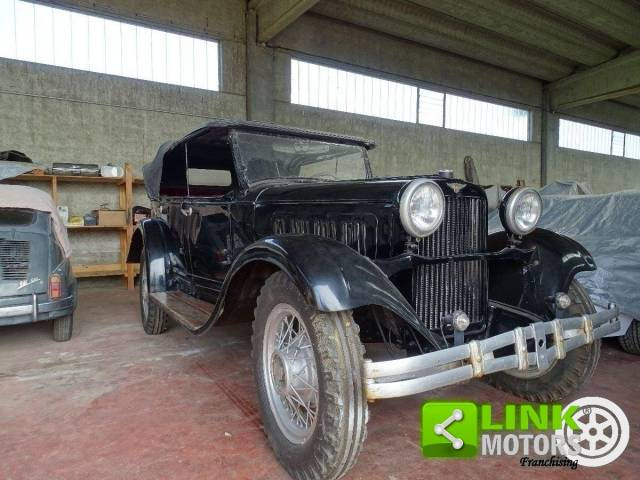
1928 | Dodge 116 Touring
DODGE - Torpedo

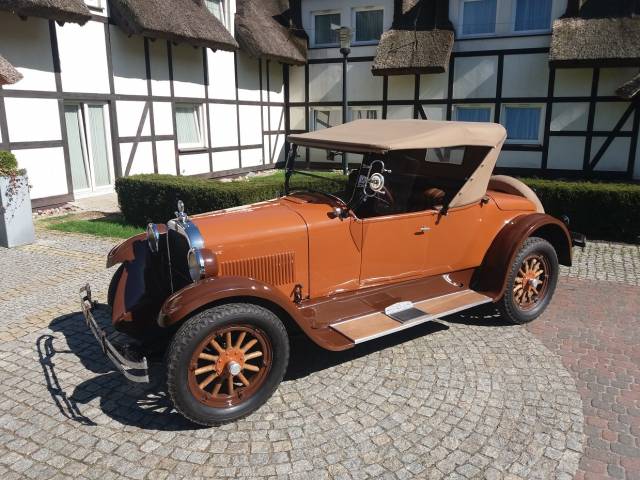
1924 | Dodge 116 Roadster
Dodge Brothers

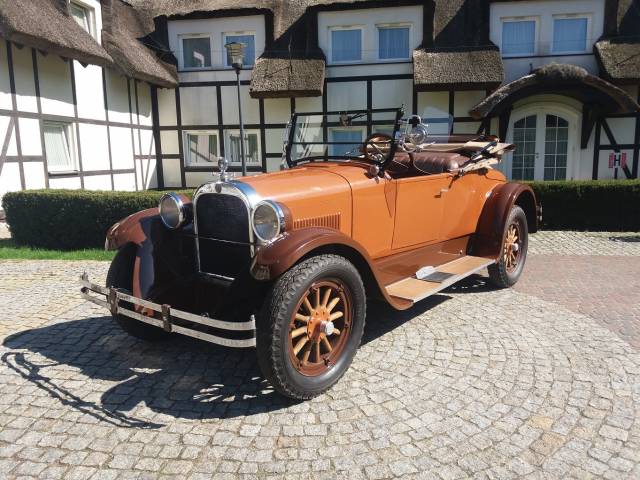
1924 | Dodge 116 Roadster
Brothers

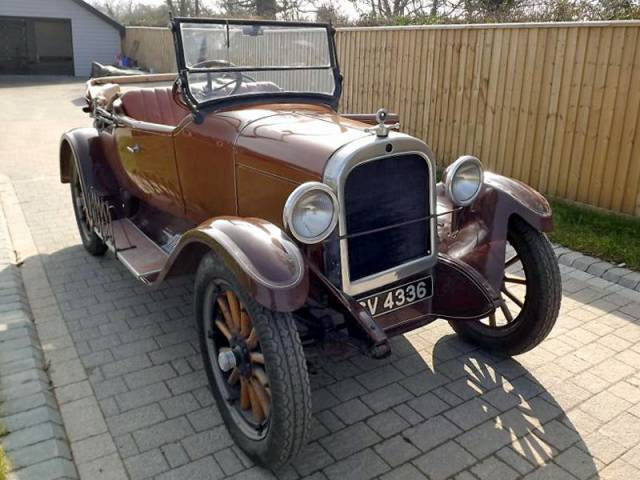
1924 | Dodge 116 Roadster
Auction Donington Park: 23.02.2017 Estimate: £15000 - 20000

Create search alert
Let yourself be notified as soon as a listing is published that matches your search filters.
Create listing
Do you have a Dodge 116 that you want to sell? Then create a listing now.
Create listingDodge 116 Classic Cars: Prices & Market Values
History of the Dodge 116
Introduced in 1923 as the successor to the Dodge 30, the Dodge 116 marked a turning point for Dodge Brothers with its pioneering all-steel body. At a time when most manufacturers still relied on mixed wood-steel structures, Dodge's move was an industry first in the US and solidified its reputation for robust engineering. The 116 was available in both Standard and Custom trims, with multiple body types including the two-door Roadster, four-door Touring, coupé variants, and business sedans. The 116 also was produced in right-hand-drive version and distributed internationally, notably in Australia and the UK. With over half a million units built in just three years, the 116's production run was brief but influential, paving the way for technological progress before handing over to its successor, the Dodge 126 in July 1925.
Model History
The Dodge 116 replaced the Dodge 30 (1917–1922), keeping Dodge's focus on practical, robust vehicles for the middle class. The 116 expanded the line-up with both Standard and Custom trims and featured significant improvements over its predecessor, such as the steel bodywork and more advanced drivetrain. In 1924, the 116 received a longer wheelbase and a comprehensive facelift, making its silhouette lower and more streamlined. The following year, automatic windscreen wipers became standard—a rare feature in its time. Production ended in 1925, replaced by the Dodge Series 126, which continued Dodge's tradition of manufacturing reliable, technically progressive vehicles.
Highlights and Unique Features
One of the most significant features of the Dodge 116 is its all-steel body, a pioneering choice for the era. The model stood out with its early adoption of a 12-volt electrical system and the convenience of push-button engine starting. The 116 was offered in a wide range of body types, making it adaptable to various purposes: Roadster, Touring, Coupé, Business Sedan, Custom Limousine, Landaulet, and even station wagon configurations. Notably, the special models introduced automatic windscreen wipers—a technological advanced for the 1920s. The 116 was not a typical mass-production vehicle, with a notable share of bespoke features and limited export versions, especially for the British and Australian markets.
Technical Data
Special Editions and Collectible Models
The Dodge 116 was offered in enhanced 'Custom' and 'Special' trims, featuring improved interior finishes and accessories. Notably, the Landaulet variant was added in 1924, presenting a higher standard of luxury aimed at more affluent clients. From 1925, a five-door station wagon (estate) became available, alongside taxi versions, further broadening the model's appeal and utility. These variants are particularly sought after due to their rarity and period-specific features.
Weak Spots and Common Issues
Given the Dodge 116's age, the typical concerns are related to structural corrosion, the preservation of original electrical and braking systems, and the availability of replacement body panels for the rare all-steel construction. Maintenance requires attention to the authenticity of mechanical components, as well as thorough inspection of the drivetrain and body for fatigue or modifications from past decades. Manuals and service literature are available, which supports correct restoration and upkeep. Classic mechanics familiar with prewar Dodge models will value the 116's simplicity but should remain cautious of non-standard conversions.
Engine and Performance, Transmission and Handling
The Dodge 116's 4-cylinder side-valve engine produces 35 hp and is paired with a robust three-speed manual gearbox. The combination delivers reliable performance for its era, favouring durability over outright speed. Handling is characteristic for the time, with a rigid axle and rear-wheel-drive layout. Mechanical brakes affect only the rear wheels—demanding anticipatory driving when compared to later hydraulic systems. The long wheelbase contributes to stability, while a modest ground clearance and suspension ensure manageable comfort over period-typical roads. - Roadster: Celebrated for its agile, lightweight body and open-top experience.
- Custom Limousine: Enhanced by luxury fittings and rare specifications.
- Landaulet: Boutique appeal due to its unique folding-roof design.
- Five-door Station Wagon: A rarity for collectors seeking originality and utility.
Interior, Comfort, Exterior and Design
The Dodge 116 exhibits the design language of early 1920s American vehicles, with a focus on functional, no-frills construction. The all-steel bodies represent a clear divergence from the era’s mixed-material approach and contribute to longevity. Distinctive front grilles and hood forms, prominent fender lines, and wooden or steel wheels set the tone. Interior materials depended on trim; Custom and Special models received plusher seating and more refined dash layouts. Accessories include period-correct dealer plaques, optional spare tyre carriers, and, on later models, automated windscreen wipers. The car could also be specified in special order paint and trim, particularly for export or commercial use.
Other Features
Dealer badges, sometimes inscribed with locations such as Sydney, are a notable collectible aspect, reflecting the car’s international distribution. Vehicle documentation and handbooks remain accessible, supporting both original restorations and maintenance for collectors. The model appears frequently at classic car events, representing authentic 1920s American motoring culture.
Summary
The Dodge 116 exemplifies a formative phase in Dodge’s history and the development of automotive design and engineering in the early twentieth century. With 580,108 units produced over three years, it combines technical progress—such as the introduction of all-steel bodies and advanced electrics—with tangible rarity and a spectrum of body styles. Its presence in both American and overseas markets underscores its significance. The 116 remains a touchstone for enthusiasts seeking a mechanically straightforward, historically noteworthy classic vehicle.