Delahaye 235 classic cars for sale
The Delahaye 235 represents French luxury and exclusivity, produced in only 85 units between 1951 and 1954. Powered by a 3.5-litre six-cylinder engine with three carburettors and offering unique coachbuilt bodies by renowned designers, the 235 stands as the ultimate Grand Touring Delahaye. Only available in very limited numbers, it appeals to connoisseurs of rare, high-performance post-war vehicles.
Search results
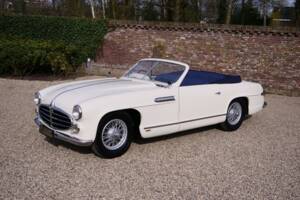
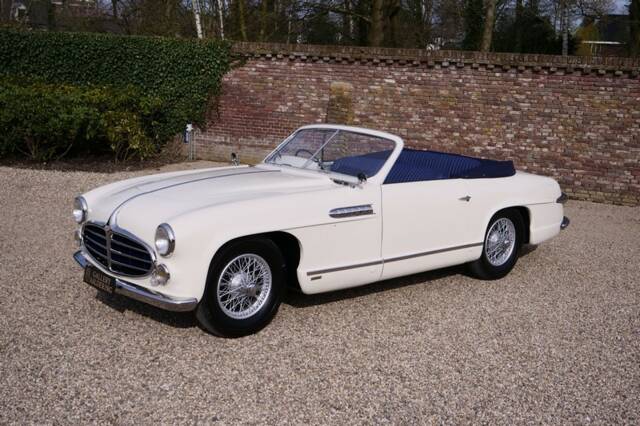
1952 | Delahaye 235 Antem
Delahaye 235 Convertible by Antem The 1952 Paris Motor Show car, Unique one-off cabriolet by Antem, "Matching Numbers", Long term-ownership of the Charbonneaux-Family, Well-documented history with all relevant paperwork (restoration/Delahaye Club Certificate/matching numbers/invoices)

Delahaye 235 listing references from Classic Trader
Below you will find listings related to your search that are no longer available on Classic Trader. Use this information to gain insight into availability, value trends, and current pricing for a "Delahaye 235" to make a more informed purchasing decision.
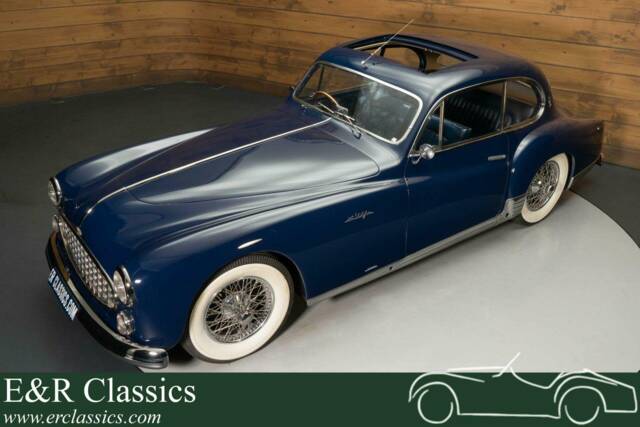
1953 | Delahaye 235 MS Chapron
Oldtimer Delahaye
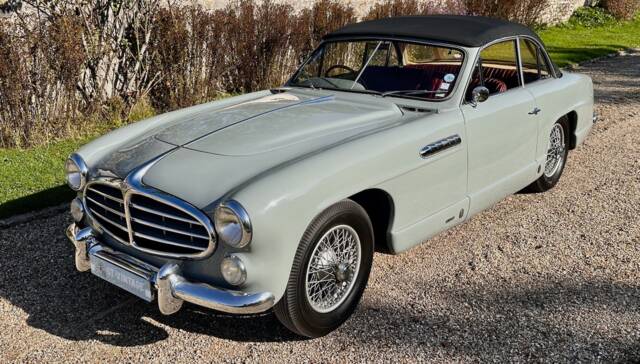
1952 | Delahaye 235 Antem
DELAHAYE 235 TARGA ANTEM 1952

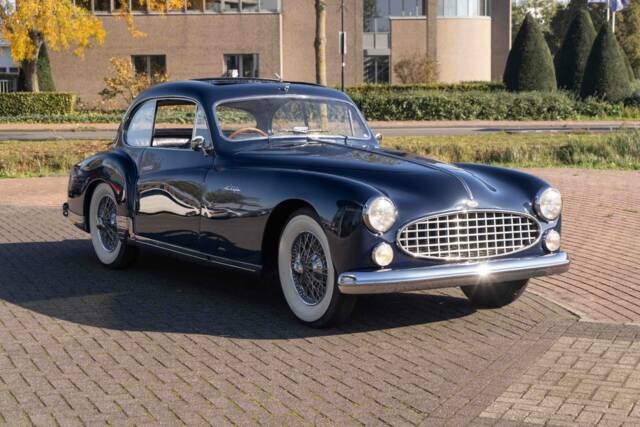
1953 | Delahaye 235 Antem
Delahaye 235 Coupe L’Elfe by Figoni | 1953 - For sale by auction. Estimate 369950 EUR
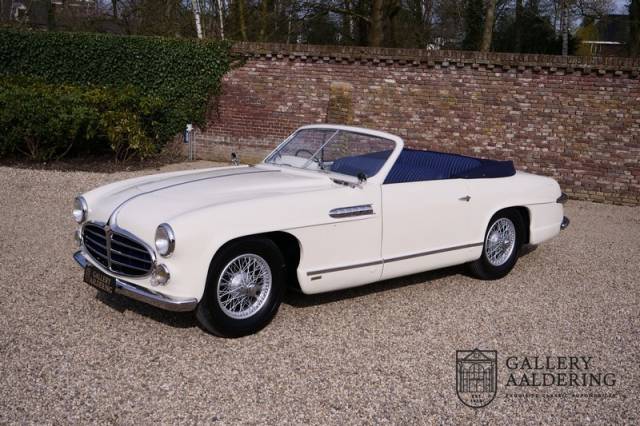
1952 | Delahaye 235 Antem
delahaye 235 Convertible by Antem. PRICE REDUCTION Unique one-off cabriolet by Antem, 1952 Paris Motor Show car
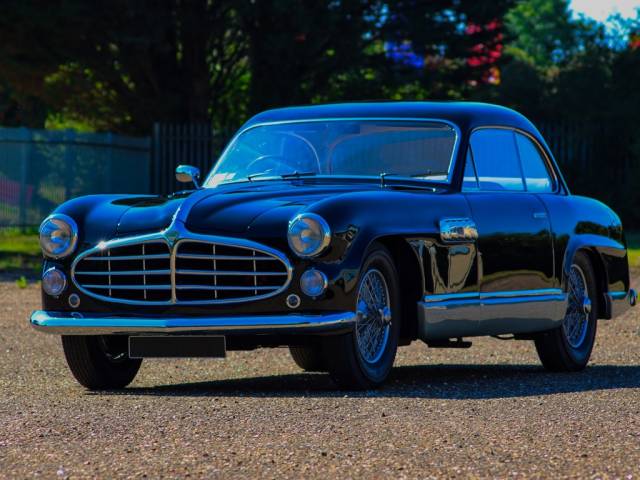
1954 | Delahaye 235 MS Chapron

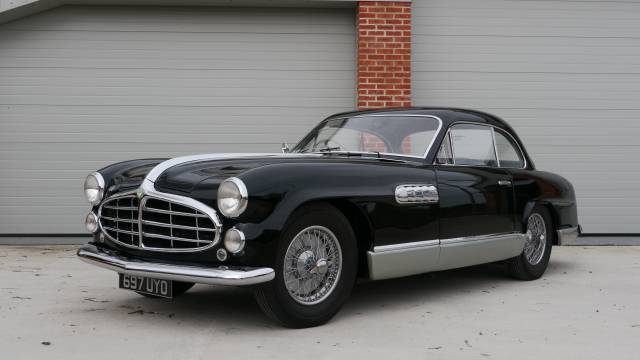
1954 | Delahaye 235 MS Chapron
1954 Other Delahaye 235
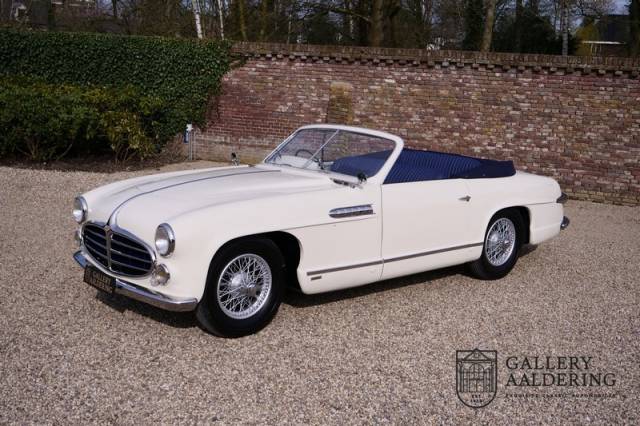
1952 | Delahaye 235 Antem
delahaye 235 Convertible by Antem Unique one-off cabriolet by Antem, 1952 Paris Motor Show car
Delahaye 235 Classic Cars: Prices & Market Values
History of the Delahaye 235
The Delahaye 235 epitomises the golden era of French luxury automobiles. Built from 1951 to 1954, it succeeded the iconic 135 series, which had been celebrated since 1935. The 235 was developed as Delahaye’s statement in the post-war market for discerning customers seeking distinctive grand touring automobiles. Each car was delivered as a rolling chassis to be clothed by leading coachbuilders, highlighting the collaborative artistry of French automotive history. The 235 made appearances at prestigious events, including the 1952 Paris Motor Show at the Grand Palais, further cementing its reputation as an exclusive showpiece for the brand.
Model History
The Delahaye 235 followed directly from the 135-series, which solidified Delahaye’s standing in pre- and post-war France. Production of the 235 was strictly limited, with just 85 vehicles completed across various body styles, including coupé, roadster, coach, and cabriolet. The model’s exclusivity is further emphasised by the involvement of renowned coachbuilders such as Letourneur & Marchand, Figoni & Falaschi, Saoutchik, Motto, Chapron, and Antem. Of 14 Antem-bodied cars, only one was delivered as a cabriolet. No direct successor was introduced, with Delahaye ceasing passenger car production soon after.
Highlights and Unique Features
Every Delahaye 235 is a unique combination of mechanical pedigree and coachbuilt craftsmanship. At its heart beats a 3.5-litre in-line six-cylinder engine with three carburettors, developing 152 hp and enabling a remarkable top speed of 180 km/h—a bold figure among early 1950s grand tourers. The 235 stands apart through its bespoke bodies, built by legendary ateliers, and through finely crafted details that set each car apart. Many units were presented at significant exhibitions, underlining their prestige and attention to detail.
Technical Data
Special Editions and Collectible Models
Among the 85 vehicles built, several wore bodies from celebrated coachbuilders, with some units crafted specifically for showcase purposes on global stages such as the Paris Motor Show. The 14 Antem-bodied cars stand out, particularly the sole Antem cabriolet, which is singular among all produced Delahayes of this series. Each vehicle's uniqueness is due to limited production and individual customisation according to the client's specifications.
Weak Spots and Common Issues
Owning a Delahaye 235 entails maintaining a bespoke, hand-built machine. Restoration efforts often focus on ensuring authenticity, especially for the engine, brakes, transmission (including the Cotal electromagnetic gearbox), paintwork, interior, and electrics. The rarity of parts and the individuality of coachbuilt bodies require expert attention and often necessitate custom fabrication, making original-condition examples especially prized.
Engine, Transmission and Handling
The Delahaye 235 delivers a considerable 152 hp through its 3.5-litre straight-six, with performance that was notable even among continental grand tourers of its era. A top speed of 180 km/h was possible, helped by a choice between a conventional manual gearbox and the advanced Cotal pre-selector transmission. The 235 was renowned for smooth, high-speed touring, underpinned by sophisticated chassis construction and balance. - Delahaye 235 Coupé and Cabriolet: Stand out for their streamlined coachwork and performance capabilities.
- Antem Cabriolet: Unique example with only one produced, highly valued for its rarity and design.
- Figoni & Falaschi-bodied cars: Distinguished for their extravagant forms and signature French elegance.
Interior, Comfort, Exterior and Design
Delahaye 235 models feature bespoke interiors, typically finished in luxurious materials aligned with the tastes of their original owners. The exterior profiles blend the flowing lines of classic coachbuilt design with contemporary post-war influences. Noteworthy elements include elegantly integrated chrome details, accentuated fenders, and intricate grille work. Custom accessories and period-correct colours—often specified by clients—further amplify each car’s individuality. The involvement of designers such as Figoni & Falaschi, Saoutchik, Chapron, and Antem resulted in cars that are as much objets d’art as they are automobiles.
Other Noteworthy Features
Delahaye 235 examples often feature one-off details and special equipment according to buyers’ wishes, from dashboard instruments to unique colour combinations. Many cars were intended for display or concours appearances, which elevated their specifications beyond standard road use. Restoration projects strive for accuracy, restoring original mechanisms and aesthetic details whenever possible.
Summary
The Delahaye 235 encapsulates the zenith of hand-crafted French motoring in the early 1950s. Its rare production, formidable mechanical credentials, and the involvement of the era’s most esteemed coachbuilders place it in a unique category among classic cars. For collectors and enthusiasts, the 235 offers an unmatched combination of driving enjoyment, exclusivity, and bespoke artistry—reflected by the fact that it accounts for all Delahaye demand and supply in today’s classic car market.