De Tomaso Deauville classic cars for sale
The De Tomaso Deauville stands out as a rare luxury saloon with compelling performance, powered by a robust Ford Cleveland V8. With fewer than 250 units built over a 15-year production run, the Deauville is a refined choice for enthusiasts seeking something beyond the mainstream of classic four-door vehicles.
Search results
Currently, there are no matching listings for your search.
Create search alert
Let yourself be notified as soon as a listing is published that matches your search filters.
Create listing
Do you have a De Tomaso Deauville that you want to sell? Then create a listing now.
Create listingDe Tomaso Deauville listing references from Classic Trader
Below you will find listings related to your search that are no longer available on Classic Trader. Use this information to gain insight into availability, value trends, and current pricing for a "De Tomaso Deauville" to make a more informed purchasing decision.
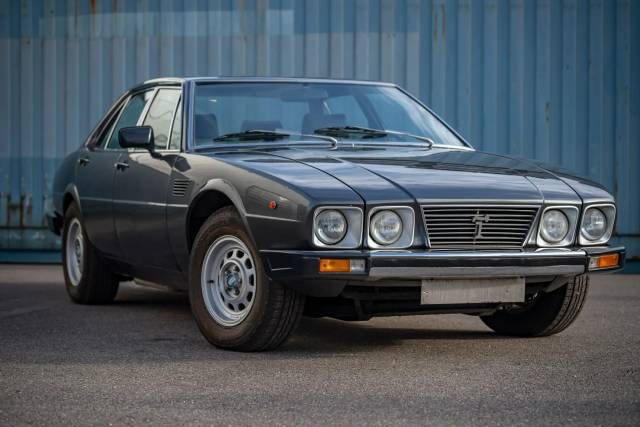
1979 | De Tomaso Deauville
Only 244 Auto's Built - Rare - Recommission Needed

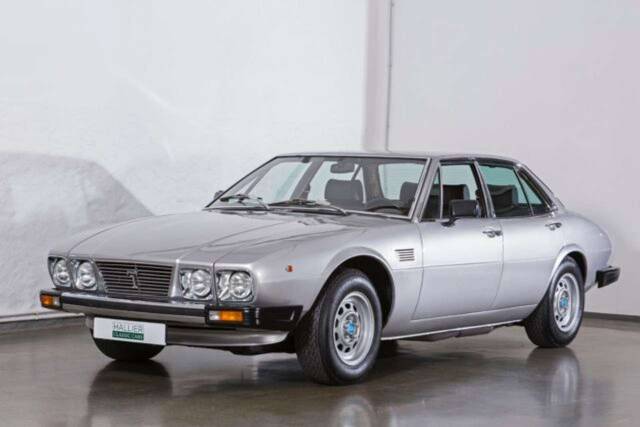
1980 | De Tomaso Deauville
De Tomaso Deauville, Vollrestauration, Einmaliger Zustand

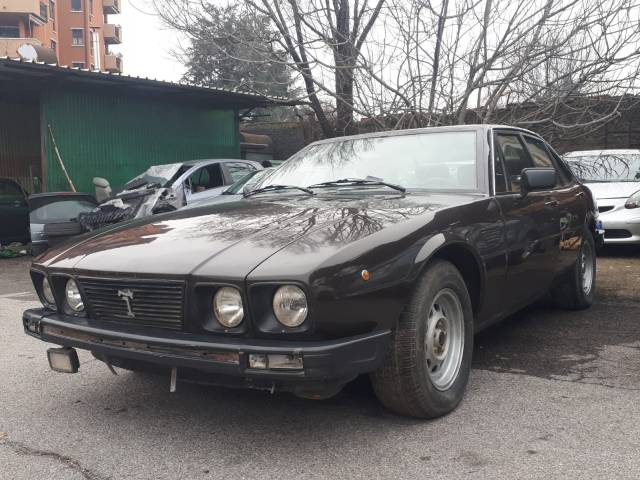
1985 | De Tomaso Deauville
BLINDATA!!!

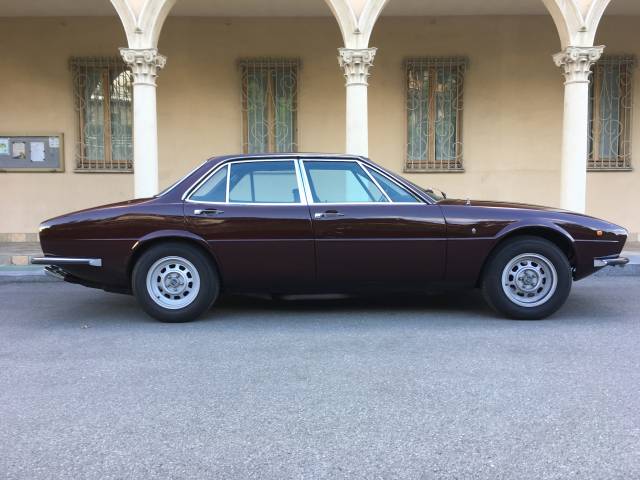
1972 | De Tomaso Deauville
De Tomaso Deauville 1972
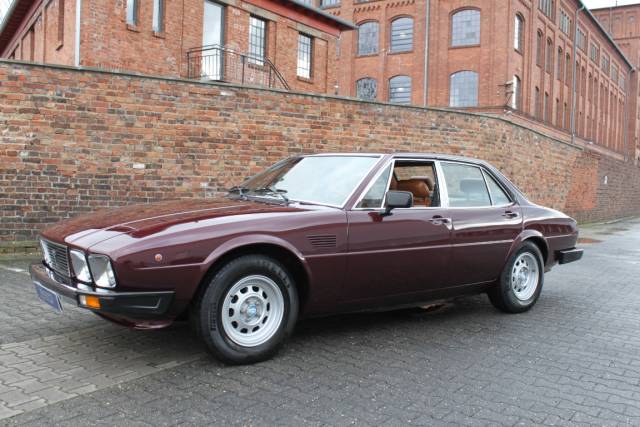
1982 | De Tomaso Deauville
Elegance trifft auf Vernunft
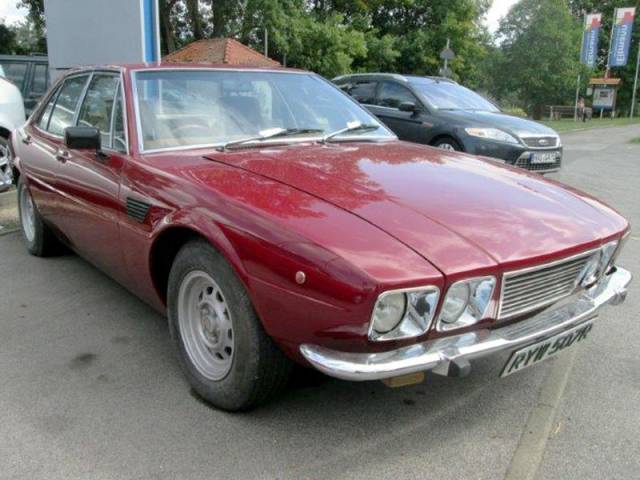
1977 | De Tomaso Deauville
Auction Duxford: 29.03.2017 Estimate: £ 22000 - 26000*

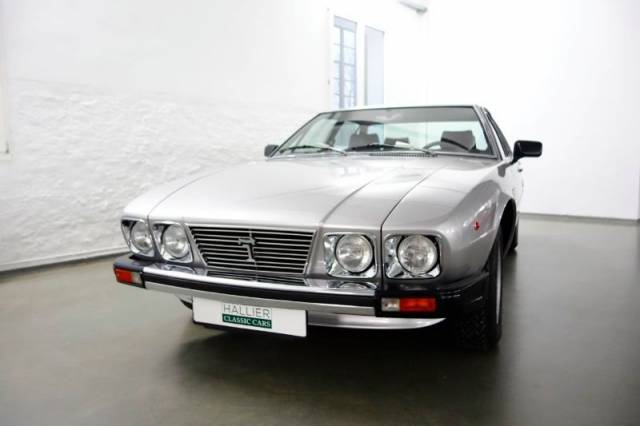
1980 | De Tomaso Deauville
Deauville, sehr aufwändige Vollrestauration
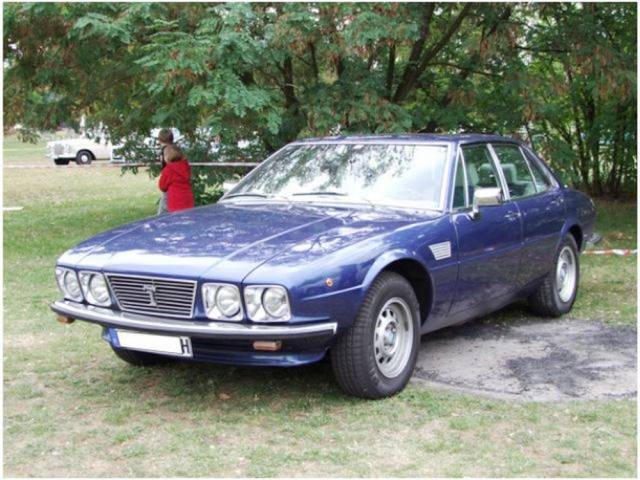
1978 | De Tomaso Deauville
Seltene Ausstattung
Create search alert
Let yourself be notified as soon as a listing is published that matches your search filters.
Create listing
Do you have a De Tomaso Deauville that you want to sell? Then create a listing now.
Create listingDe Tomaso Deauville Classic Cars: Prices & Market Values
Introduction and history of De Tomaso Deauville
Unveiled at the 1970 Turin Motor Show, the De Tomaso Deauville firmly established the Italian marque’s ambitions in the high-performance luxury saloon segment. Conceived to rival the likes of the Jaguar XJ12 and Maserati Quattroporte, the Deauville blended Italian style with American muscle. Its graceful yet assertive silhouette, penned by US-born designer Tom Tjaarda at Ghia, gave the car a stately presence while sharing a number of visual cues with contemporaries in its class. De Tomaso’s founder, Alejandro de Tomaso, envisioned a bold, full-size four-door that would combine comfort, power, and Italian elegance. Production would run for fifteen years, during which fewer than 250 Deauvilles were manufactured, making it a truly exclusive vehicle today.
Model history
The Deauville marked De Tomaso’s only sustained effort in the luxury four-door segment. It was a departure from the marque’s previous focus on sports cars like the Pantera. Throughout its production, two main series were built: Series 1 and Series 2, with about 243 vehicles in total, depending on the source. Early examples of the Series 2 are recognised by the inclusion of a ZF steering system. Toward the end of its run, the Deauville saw minor technical and equipment updates but retained its distinctive character until production ceased.
Highlights of De Tomaso Deauville
One of the major highlights of the Deauville is its combination of luxury, rarity, and powerful drivetrain: a 5.8-litre Ford Cleveland V8 producing 330 hp, paired with a C6 3-speed automatic transmission—both sourced from Ford. Independent suspension at each wheel and disc brakes all around provided distinctly modern handling for its era. The interior could be specified with rare leather or velour, adding to the sense of exclusivity. Chrome bumpers and other subtle details enhance the overall elegance. Right-hand drive versions are especially hard to find.
Technical data
Special Editions and Collectible Models
Although the Deauville itself is rare, notable variants include examples equipped with ZF steering (early Series 2), and a handful of right-hand drive units, which are especially valued by collectors. Additionally, vehicles featuring leather or velour interior trim represent seldom-seen optional extras. Some versions also boast original chrome bumpers, which set them apart.
Weak Spots and Common Issues
While specific data on common faults for the Deauville is sparse, potential buyers should be attentive to the condition of the American-sourced Cleveland V8, the Ford automatic transmission, and wear or corrosion on chassis and bodywork typical of classic Italian vehicles from this era. Interior trims—particularly velour and bespoke leather—may be costly to restore due to rarity. The rarity of parts, particularly non-drivetrain items unique to the Deauville, may impact maintenance and restoration feasibility.
Engine and Performance, Transmission and Handling
With its 5.8-litre Ford Cleveland V8 and 330 hp, the Deauville merges substantial torque with limousine-level comfort. The C6 Ford three-speed automatic transmission delivers relaxed, yet forceful acceleration. The Deauville stands out for its all-round independent suspension and disc brakes, which translate into composed handling, especially compared to many contemporaries in the luxury saloon category during the 1970s and 1980s. Acceleration figures around 0–60 mph in 7.6 seconds and a top speed close to 233 km/h give the Deauville real sporting credentials for its class. Highlighted Deauville variants include the early Series 2 with ZF steering, right-hand drive versions, and those specified with leather/velour interior and chrome bumpers—each offering a unique take on De Tomaso’s ambition for the model.
Interior, Comfort, Exterior and design
The De Tomaso Deauville’s exterior design draws its inspiration from the era’s British luxury saloons, yet radiates a distinctly Italian proportion. Tom Tjaarda at Ghia crafted an elegant, understated body featuring strong shoulders and a signature saloon profile. Chromed elements—particularly bumpers—add sophistication. The interior provided buyers with unusual options for the time, such as velour or leather upholstery, rarely specified but highly regarded today. The cabin’s layout ensures comfort for four adults, with extensive use of quality materials. Particularly sought-after are Deauvilles fitted with special trim packages, such as bespoke colour combinations and exclusive accessories.
Other relevant features
Some Deauvilles were built with chrome accents or other unique trim, and right-hand drive examples are almost never found. The car’s combination of American-sourced mechanicals and Italian coachwork makes it uniquely accessible for those familiar with classic American V8 maintenance, while retaining the presence of a true European luxury saloon.
Summary
The De Tomaso Deauville stands as an exception in the world of classic four-door saloons. Its blend of Italian design, rare specification options, and a powerful Ford V8 make it appealing to enthusiasts wanting a luxurious classic with an unusual heritage, distinct driving character, and a very finite production run. As both a driver's car and a conversation piece, the Deauville bridges two automotive worlds in its own unmistakable way.