Daihatsu Fellow classic cars for sale
The Daihatsu Fellow marked the brand's entry into the Kei car segment, capturing the essence of compact Japanese automotive engineering in the late 1960s and 1970s. Its development and legacy reflect Daihatsu’s innovative approach to small car design, efficiency, and city-oriented motoring.
Search results
Currently, there are no matching listings for your search.
Create search alert
Let yourself be notified as soon as a listing is published that matches your search filters.
Create listing
Do you have a Daihatsu Fellow that you want to sell? Then create a listing now.
Create listingDaihatsu Fellow listing references from Classic Trader
Below you will find listings related to your search that are no longer available on Classic Trader. Use this information to gain insight into availability, value trends, and current pricing for a "Daihatsu Fellow" to make a more informed purchasing decision.
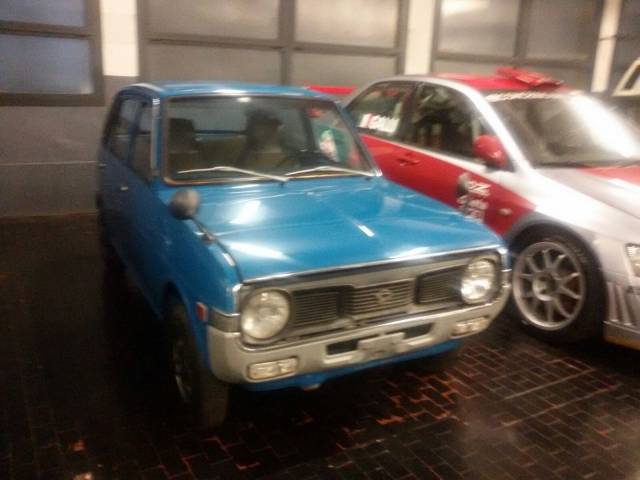
1968 | Daihatsu Fellow
Daihatsu Felloow 360 cc miscela
Create search alert
Let yourself be notified as soon as a listing is published that matches your search filters.
Create listing
Do you have a Daihatsu Fellow that you want to sell? Then create a listing now.
Create listingDaihatsu Fellow Classic Cars: Prices & Market Values
History of the Daihatsu Fellow
Launched in 1966, the Daihatsu Fellow was Daihatsu’s response to the rapidly growing Kei car segment in Japan. The model was designed to meet strict regulations regarding engine displacement and dimensions, established to encourage urban mobility solutions. The first generation of the Fellow was built to be lightweight, highly manoeuvrable, and incredibly space-efficient, a direct reflection of the urban priorities in Japanese society during the post-war boom. As Kei car competition intensified, the Fellow saw continuous refinement. By the early 1970s, its engineering and design had evolved, leading up to the rebranding as the Fellow Max.
Model History
The original Daihatsu Fellow set the template for subsequent compact models from the company. Following its initial success, Daihatsu introduced several iterations, each tweaking power output, comfort, and compliance with changing Kei car regulations. After the Fellow, Daihatsu introduced the Fellow Max, with the name partially retained through to the introduction of the Max Cuore in 1977. The Fellow series is thus a lineage of innovation in the Kei format, with engines and features evolving in response to changes in the Japanese automotive landscape.
Highlights of the Daihatsu Fellow
The Daihatsu Fellow is notable for its role in the proliferation of practical city cars in Japan. Its compact proportions, low weight, and frugal engines made it ideal for urban traffic. The Fellow’s ease of handling and affordable operation further boosted its appeal during a key period of motorisation in Japan. Models were renowned for their efficient use of space and straightforward mechanical layouts. While robust supply or demand information is not provided here, its position as one of the earliest Kei cars by Daihatsu places it among the brand’s historically important models.
Technical Data
Special Editions and Collectible Models
Some variants of the Daihatsu Fellow, particularly the later Fellow Max versions, were produced in sporty or limited-edition trims, with enhanced styling elements or slightly increased performance. Limited production runs contribute to particular desirability among dedicated collectors of classic Japanese Kei cars.
Weak Spots and Common Issues
No specific common issues or weaknesses for the Daihatsu Fellow have been detailed in the available data. Due to their age, general issues for classic Kei cars include body rust, wear on interior components, and sourcing original parts, particularly for the rarer trims and earlier models.
Engine and Performance, Transmission and Handling
The Daihatsu Fellow's driving experience is defined by its ultra-lightweight construction and small-displacement engine. The 356cc unit prioritised fuel economy and low running costs, while the manual gearbox offered a direct, mechanical feel. Suspension settings were basic but well-suited to urban use, enabling nimble parking and quick direction changes at city speeds. The absence of power steering and modern driver aids ensures an unfiltered, mechanical connection for enthusiasts appreciating a pure urban classic driving experience. Notable models include the original Fellow and the sportier Fellow Max variants, with differences largely in aesthetic details and incremental performance enhancements.
Interior, Comfort, Exterior and Design
The Daihatsu Fellow’s design was guided by Japan’s Kei regulations, resulting in a compact, boxy form optimised for space and efficiency. The simple dashboard was functional, using durable materials. Seats were designed with thin cushioning for maximum room, emphasising practicality over luxury. Later versions featured subtle upgrades, such as chromed exterior touches and special colour schemes for limited models. Upmarket trims could include extra exterior detailing, special hubcaps, or decals, but the focus always remained on urban suitability and straightforward usability.
Other Features
The Fellow’s ongoing influence is evident in later Daihatsu city cars. Its approach to packaging and minimalistic mechanical design informed subsequent developments, from the Max Cuore to modern microcars. While not typically loaded with high-end extras, the Fellow’s DNA shapes Daihatsu’s identity as a master of the compact vehicle.
Summary
The Daihatsu Fellow series embodies Japanese Kei car ingenuity, bridging practical engineering and efficient city motoring. For enthusiasts interested in the origins of Japan’s microcar movement or in collecting historic city vehicles, the Fellow stands as a tangible slice of Japan’s automotive transformation in the late 20th century.