DAF Daffodil classic cars for sale
The DAF Daffodil, produced in the 1960s by the Dutch manufacturer DAF, stands out among compact classics with its innovative Variomatic transmission and practical design. This unique model embodies Dutch automotive ingenuity and character.
Search results
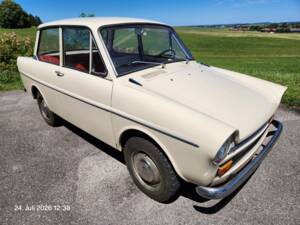
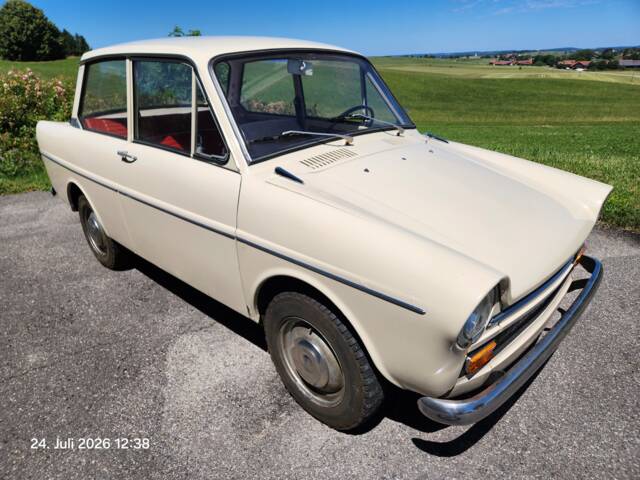
1970 | DAF Daffodil 33
DAF 33 fahrbereit mit vielen Teilen

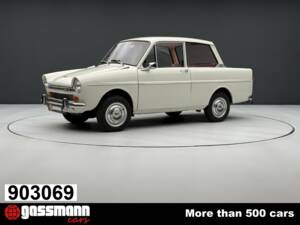
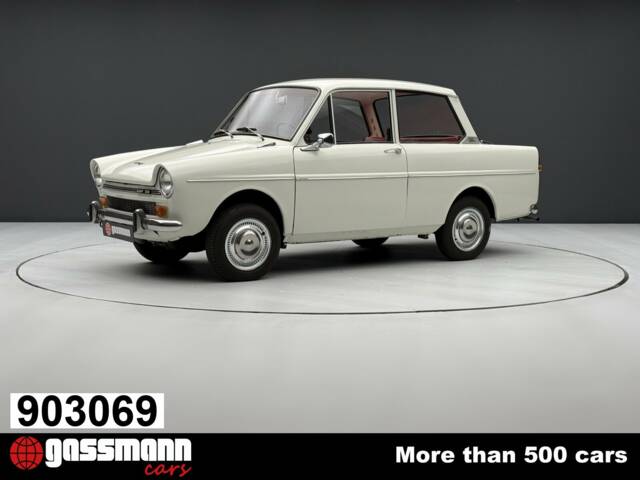
1964 | DAF Daffodil 33
33 Variomatic / 750
Auctions ending soon

Loading…
Loading…
Loading…
Loading…
DAF Daffodil listing references from Classic Trader
Below you will find listings related to your search that are no longer available on Classic Trader. Use this information to gain insight into availability, value trends, and current pricing for a "DAF Daffodil" to make a more informed purchasing decision.
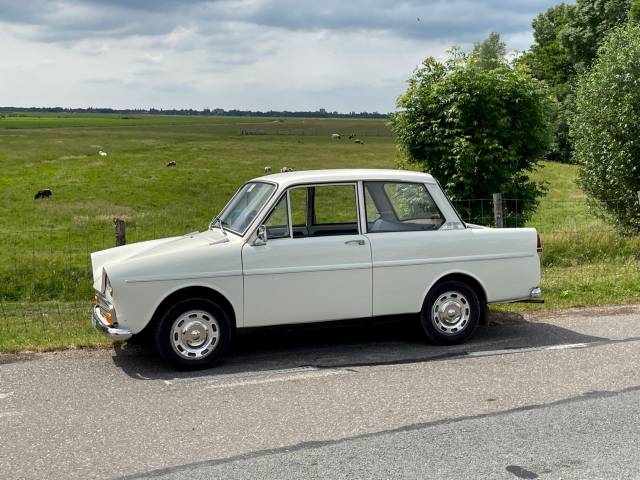
1964 | DAF Daffodil 31
Zeldzame zeer goed rijdende daffodil 31

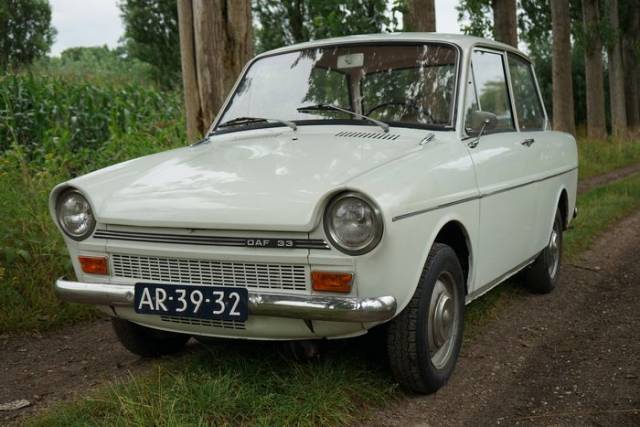
1970 | DAF Daffodil 33
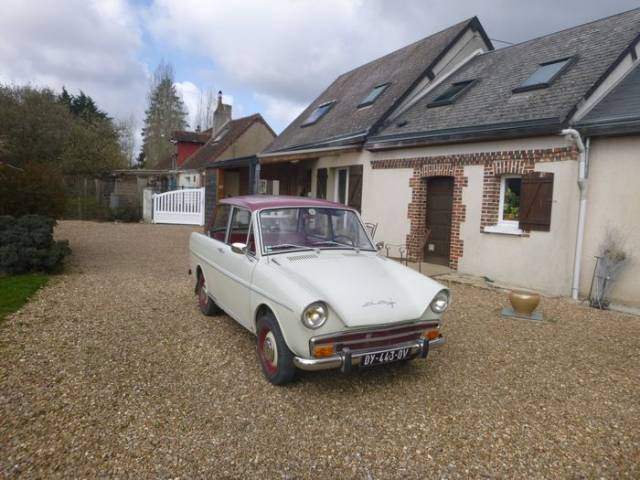
1965 | DAF Daffodil 31
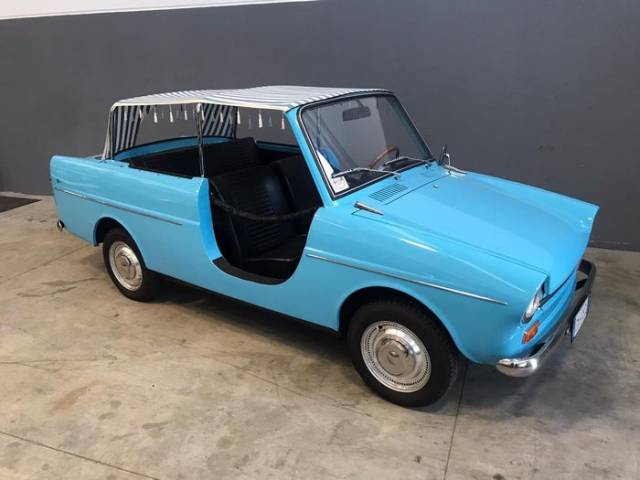
1971 | DAF Daffodil 33
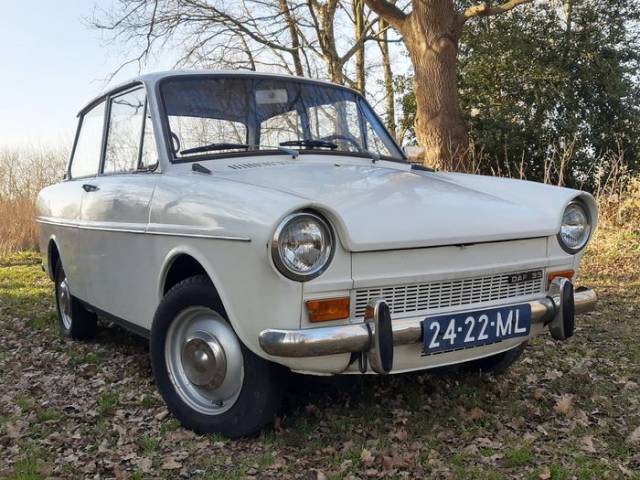
1970 | DAF Daffodil 33
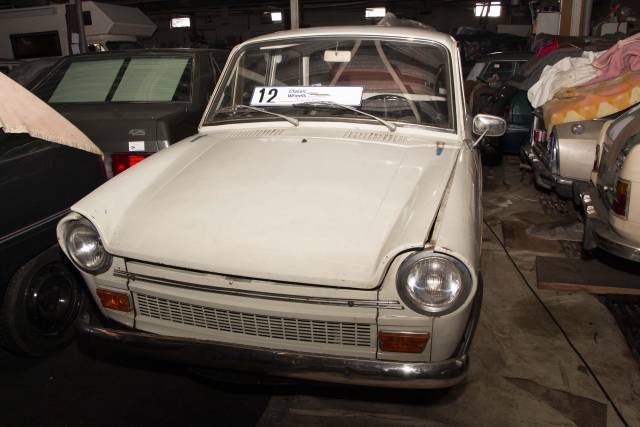
1969 | DAF Daffodil 33
Daf 33 1969

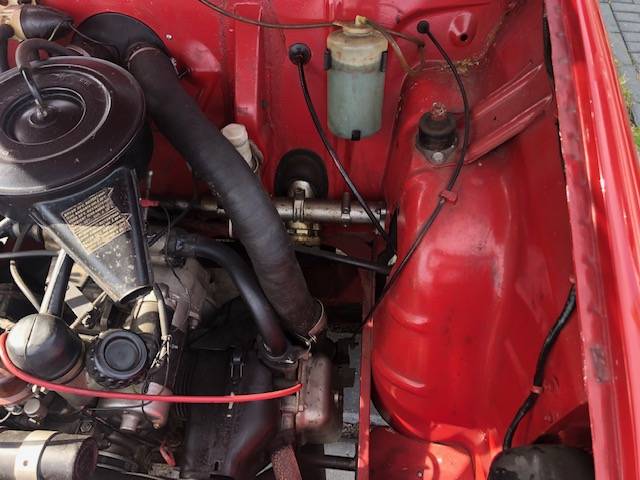
1973 | DAF Daffodil 33
Super mooie staat
DAF Daffodil Classic Cars: Prices & Market Values
History of the DAF Daffodil
DAF introduced the Daffodil in 1961 as a compact family car, aiming to redefine ease of use and reliability for everyday driving. Manufactured until 1967, it succeeded the DAF 600 alongside the more basic DAF 750. The Daffodil quickly became emblematic of driving simplicity in the Netherlands, largely thanks to its standard Variomatic automatic transmission—a system virtually unseen in its class at the time. The Daffodil reflects a post-war push for affordable mobility coupled with technical innovation. Its practicality and straightforward engineering secured its popularity, and it remains a notable part of Dutch motoring heritage today.
Model History and Evolution
The Daffodil replaced the DAF 600, offering a step up with improved features and refinement. Alongside the Daffodil, the DAF 750 catered to more budget-focused buyers, offering even fewer luxuries and less chrome. The model line continued until 1967 and was succeeded by cars like the DAF 33, each sharing the reliable Variomatic transmission. This transmission remained the hallmark of DAF's small cars, cementing their reputation for unique automatic solutions in the compact segment.
Highlights and Popularity
The most distinctive feature of the DAF Daffodil is its Variomatic automatic transmission, which set it apart in the 1960s and challenged the convention of manual gearboxes in small European cars. The vehicle’s compact size, easy handling, and air-cooled engine also stand out. Unique to this model is that 100% of DAF classic cars listed and viewed on Classic Trader are Daffodil models, underscoring its dominance and recognition within the classic DAF community.
Technical data
Special Editions and Collectible Models
While there were standard and De Luxe versions of the Daffodil, featuring modest differences in trim and equipment, no widely recognised limited editions or special collector versions were factory-issued during its production span. Collectors most often seek well-preserved examples of the De Luxe variant due to their relatively higher equipment levels.
Weak Spots and Common Issues
Prospective buyers should expect the usual age-related signs of wear, including minor dents and scratches as well as potential resprays or touch-ups. The artificial leather interior can show typical signs of long-term use. For Dutch vehicles older than 50 years, there is no longer a legal obligation for an annual technical inspection (APK), which may impact the documented maintenance history. It’s advisable to check for continued upkeep, particularly regarding the Variomatic transmission’s condition and regularity of belt replacements.
Engine and Performance, Transmission and Handling
Fitted with a 746 cc air-cooled engine and the trailblazing Variomatic transmission, the Daffodil delivers a uniquely smooth driving experience in its class. This automatic transmission enables stepless acceleration and eliminates the need for a clutch pedal, which was highly unusual for compact family cars at the time. The car’s handling is straightforward, with a comfort-focused suspension setup ideal for city and suburban use. While not designed for high-speed travel, its mechanical simplicity translates into reassuring reliability and ride quality. Notable variants include the De Luxe version, which offers a more refined interior and extra chrome details. These models, owing to their specification upgrades, are often prioritised by collectors.
Interior, Comfort, Exterior and Design
The Daffodil’s design is rooted in practicality, with understated lines and durable synthetic upholstery. The functional interior is easy to clean, reflecting the car’s utilitarian philosophy. Chrome accents—more prevalent in higher-spec versions—add a touch of flair. The exterior is characterised by minimalism, matching the car’s modest market positioning. Factory paint options tended to conservative shades, but owner-driven customisation was not uncommon, especially as these cars moved into the hands of enthusiasts. Accessories were basic, in line with the Daffodil’s approach to affordable comfort.
Other features
The Daffodil’s easy maintenance and the lack of required periodic technical inspection (APK) for older models in the Netherlands add to its appeal for classic car owners who prefer straightforward vehicle care. The continued availability of parts for the Variomatic transmission also contributes to its viability as a classic daily driver.
Summary
The DAF Daffodil stands as a symbol of Dutch automotive engineering with its simple, dependable mechanics and the exclusive Variomatic drive. Offering unique driving comfort for its era, it remains a popular choice for classic car enthusiasts who value innovation and practicality in one compact package.