Bugatti Type 51 classic cars for sale
The Bugatti Type 51 stands out as the successor to the celebrated Type 35, marking a significant engineering evolution in Bugatti’s racing lineage. Recognised for its twin-cam engine and competitive pedigree from the early 1930s, the Type 51 embodies the peak of Bugatti’s technical refinement in pre-war racing.
Search results
Currently, there are no matching listings for your search.
Create search alert
Let yourself be notified as soon as a listing is published that matches your search filters.
Create listing
Do you have a Bugatti Type 51 that you want to sell? Then create a listing now.
Create listingBugatti Type 51 listing references from Classic Trader
Below you will find listings related to your search that are no longer available on Classic Trader. Use this information to gain insight into availability, value trends, and current pricing for a "Bugatti Type 51" to make a more informed purchasing decision.
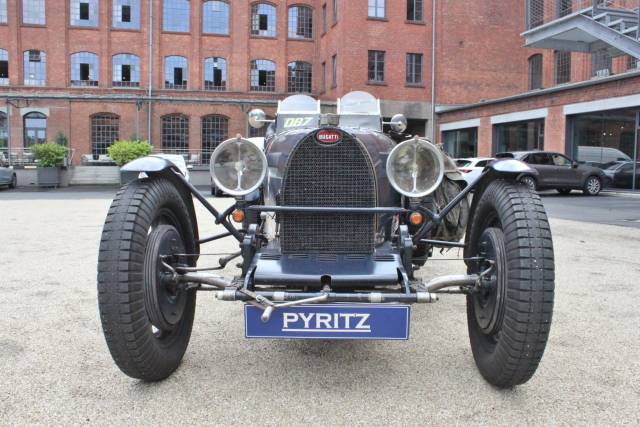
1981 | Bugatti Type 51
Pur Sang

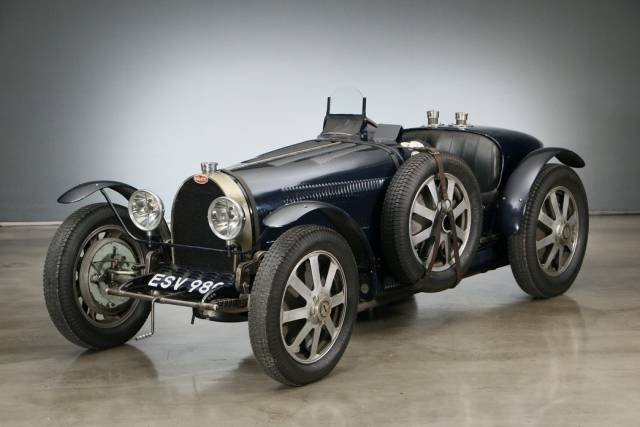
1933 | Bugatti Type 51
Bugatti Typ 51 Grand Prix Rennwagen
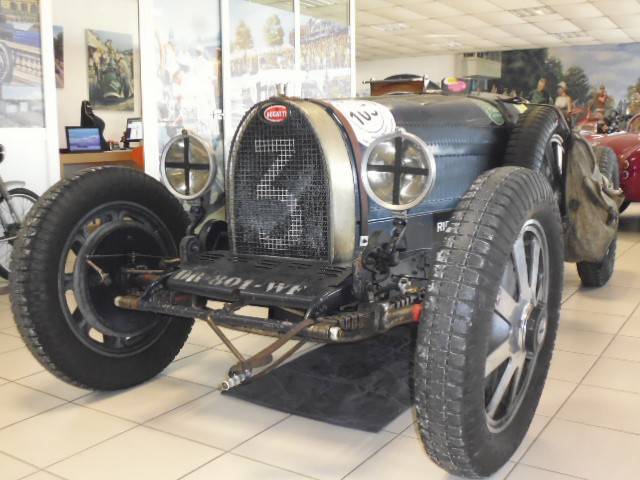
1931 | Bugatti Type 51
BUGATTI 51 GRAND PRIX

Create search alert
Let yourself be notified as soon as a listing is published that matches your search filters.
Create listing
Do you have a Bugatti Type 51 that you want to sell? Then create a listing now.
Create listingBugatti Type 51 Classic Cars: Prices & Market Values
History of the Bugatti Type 51
The Bugatti Type 51 was introduced in 1931 to take over the mantle from the Type 35, which had been the dominant force in Grand Prix racing throughout the 1920s. With growing competition from German and Italian manufacturers receiving state support, Bugatti responded decisively by developing the Type 51. The car’s architecture closely followed the stylistic and technical design language of its predecessor but introduced a revolutionary twin overhead camshaft (DOHC) engine, reflecting Bugatti’s emphasis on racing innovation. Despite its sophisticated engineering, the Type 51 faced fierce resistance against increasingly advanced rivals on the racetrack.
Model history
The Type 51’s roots lie directly in Grand Prix racing, evolving out of the enormously successful Type 35 family. While the Type 35 set benchmarks and won countless races, the Type 51 sought to retain Bugatti’s competitive spirit against a rapidly evolving motorsport landscape. After its introduction in 1931, the Type 51 ran at Le Mans, Monaco and other top-level venues but could not consistently match the pace of German and Italian teams with their factory-backed machinery. Its production volume remained low, adding significantly to its rarity today. The Type 51 effectively marked the closing chapter for Bugatti’s era of technical leadership at the sharp end of Grand Prix racing.
Highlights of the Bugatti Type 51
The defining feature of the Bugatti Type 51 is its twin-cam, supercharged inline-eight engine, which set it apart technologically from earlier contemporaries. The chassis maintained the proven principles of the Type 35 but fine-tuned the handling further. Period details, including the signature horseshoe radiator and lean aluminium bodywork, exhibit meticulous Bugatti craftsmanship.
Technical data
Special Editions and Collectible Models
Given the extremely low production numbers and bespoke nature of each chassis, every Bugatti Type 51 is itself a collector’s item. While official 'special editions' were not produced, individual cars with notable race provenance or unique coachwork by renowned builders (such as Jean Bugatti or outside ateliers) stand out as reference points for collectors.
Weak Spots and Common Issues
Owning or considering a Bugatti Type 51 means paying close attention to the maintenance and authenticity of critical components, especially the complex DOHC engine and supercharger. Regular checks on original mechanicals, braking system, and chassis integrity are necessary, as is the historical verification of parts, since originality is key to both performance and value retention.
Engine and Performance, Transmission and Handling
The twin overhead camshaft engine gives the Type 51 remarkable power delivery and high-revving characteristics, unusual for its vintage. Supercharging further enhances output, making the car especially responsive in a race setting. Transmission remains period-correct with a 4-speed manual, delivering direct control and tactile engagement. The car's lightweight chassis and steering layout provide a nimble driving experience ideal for pre-war racing circuits. Noteworthy individual chassis include works cars with documented race entries at Monaco and the French Grand Prix, as well as Type 51s that have undergone exacting restorations focused on maintaining original engine and gearbox assemblies.
Interior, Comfort, Exterior and Design
The Bugatti Type 51 follows the marque’s aesthetic philosophy—lightweight, no-nonsense engineering with a focus on aerodynamic efficiency. The cockpit is functional, with minimalistic gauges and slim, supportive bucket seats tailored for racing. Bodywork is typically left in bare polished aluminium or painted in original French racing blue. Hand-finished details include open-spoke wheels, exposed rivets on the cowling, and the unmistakable horseshoe grille. Optional extras were rare, but a handful of chassis received unique period customisations in the form of special paintwork or fitment of extra gauges for endurance events.
Other relevant features
Rarity and provenance are critical—most Type 51s seen today have well-documented racing pedigrees and frequently appear at high-profile concours and historic racing events, including Goodwood and Pebble Beach.
Summary
The Bugatti Type 51 represents Bugatti’s relentless pursuit of engineering sophistication in early Grand Prix racing. Its technically ambitious design, limited production, and rich racing history make it a singular point of interest for specialists and collectors on the classic car market. With every example reflecting Bugatti’s hand-built approach, the Type 51 remains a pivotal model both for its era and in the current collector landscape.