Bugatti Type 22 classic cars for sale
The Bugatti Type 22 represents a milestone in early Bugatti engineering, offering advanced lightweight construction, a four-cylinder engine with customised coachbuilt bodies, and exquisite hand-crafted details. This rare model stands out for its larger, road-ready body, oval radiator, and finely finished accessories—an important chapter for pre-war car enthusiasts.
Search results
Currently, there are no matching listings for your search.
Create search alert
Let yourself be notified as soon as a listing is published that matches your search filters.
Create listing
Do you have a Bugatti Type 22 that you want to sell? Then create a listing now.
Create listingBugatti Type 22 listing references from Classic Trader
Below you will find listings related to your search that are no longer available on Classic Trader. Use this information to gain insight into availability, value trends, and current pricing for a "Bugatti Type 22" to make a more informed purchasing decision.
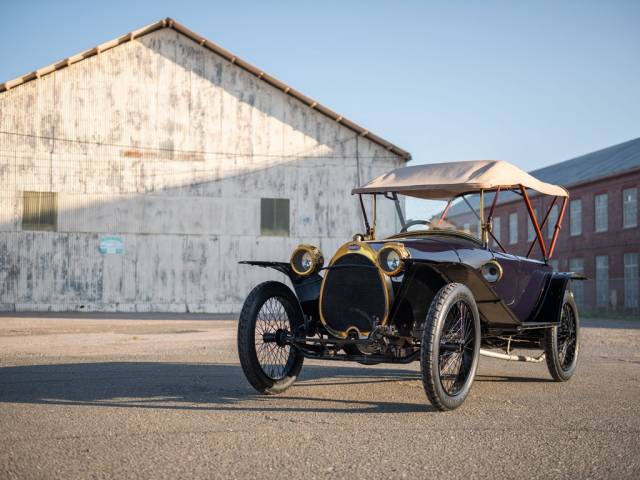
1914 | Bugatti Type 22
1914 Bugatti Type 22 Torpedo by Chauvet
Create search alert
Let yourself be notified as soon as a listing is published that matches your search filters.
Create listing
Do you have a Bugatti Type 22 that you want to sell? Then create a listing now.
Create listingBugatti Type 22 Classic Cars: Prices & Market Values
History of the Bugatti Type 22
The Bugatti Type 22 is a significant evolution of Bugatti’s pioneering Type 13, which laid the foundation for the company’s reputation as a manufacturer of technically sophisticated automobiles. When Ettore Bugatti founded his company in 1910, the Type 13 swiftly became known for its innovative design and thoroughbred performance, qualities which were further developed in the Type 22. This model incorporated lessons learned from both road use and early motorsport competition, integrating a more comfortable, larger chassis for everyday driving. The lineage, running from the Type 13 through to the Type 22 and beyond, defined early Bugatti construction and established the pur-sang (thoroughbred) character of the marque.
Model History of the Bugatti Type 22
The Type 22 followed in the footsteps of the Type 13 and sat alongside related developments including the Types 15, 17, and 23. The main innovation for the Type 22 lay in its adaptation for road-going comfort without losing the agility and handling finesse that distinguished its predecessor on both public roads and racing circuits. Most Type 22s were produced between 1910 and 1920 with only a handful surviving today—each car reflecting the era’s approach to bespoke, customer-oriented construction. Coachbuilders such as Carrosserie Chauvet tailored bodies to the buyer’s taste, making each Type 22 unique in its details and proportions.
Highlights of the Bugatti Type 22
The Bugatti Type 22 stands out for its balanced blend of lightweight engineering and luxurious customisation. Leightweight chassis, frequently equipped with oval radiators and half-elliptical leaf springs, deliver spirited dynamics and comfort. Distinctive details include Rushmore bronze headlamps, Bugatti-branded instrumentation, and fine leather interiors with hand-fitted convertible tops. Coachbuilt bodies provide variety in styling and exclusivity, often featuring carefully worked fenders and period accessories. The craftsmanship and attention to detail evident on each Type 22 encapsulate Bugatti’s artisanal approach to early automotive engineering.
Technical Data
Special Editions and Collectible Models
Almost every Bugatti Type 22 is a special edition in its own right due to its individually commissioned coachbuilt bodywork. Coachbuilders such as Carrosserie Chauvet lent particular prestige, with custom details including instrument layouts, paint schemes, upholstery, and optional accessories like bronze Rushmore headlamps. As a result, every Type 22 reflects the preferences of its first owner, and comparison between cars reveals remarkable variance—a key factor in their enduring status among enthusiasts.
Engine and Performance, Transmission and Handling
The Type 22’s four-cylinder engine, with its pioneering multi-valve configuration, allows for flexible torque and smooth operation given its modest displacement. Thanks to the lightweight chassis and carefully calculated suspension geometry, these cars offer a surprising degree of agility for their age. The standard transmission is typically a manual gearbox matched to the car’s power output, resulting in a balanced and engaging driving experience particularly on winding rural roads. The half-elliptic leaf springs, combined with a well-proportioned wheelbase, provide comfort and responsive handling. Notable examples feature coachbuilt bodies by renowned artisans like Carrosserie Chauvet. Their technical specifications, including the advanced four-valve cylinder head and custom instrument panels, set them apart among pre-war touring cars. Surviving Type 22s are often preserved with their original leather interiors and accessories, highlighting their original craftsmanship.
Interior, Comfort, Exterior and Design
The Bugatti Type 22 is known for its elegant proportions, highlighted by the oval radiator and meticulously shaped mudguards. Interiors frequently feature fine leatherwork, detailed instrument clusters with Bugatti branding, and carefully fitted convertible roofs. Many cars are equipped with period-correct accessories such as Rushmore bronze headlamps and bespoke badging. Coachbuilders supplied a range of body styles, from two-seater spyders to more formal saloon variants, all tailored to individual specifications. Distinct attention to panel fit, finish, and hand-tooled details reflect Ettore Bugatti’s exacting standards for quality and visual harmony.
Other Notable Features
The Type 22 often serves as a key piece in collections focused on early motorsport and luxury touring vehicles, bridging the technical achievements of the Type 13 with later Bugatti milestones like the Type 35 and Type 57. Surviving examples rarely appear on the market, making period documentation such as original build sheets and coachbuilder records especially valuable. Details like mixed metric/imperial instruments or unique accessories can further individualise each car.
Summary
The Bugatti Type 22 advances the engineering concepts introduced by the Type 13, blending lightweight design, handcrafted coachwork, and innovative technology under the direction of Ettore Bugatti. Its technical highlights include a four-cylinder multi-valve engine and adjustable suspension for dynamic handling. Coupled with bespoke interiors and exceptional detailing from acclaimed coachbuilders, the Type 22 stands as a reference point for collectors interested in pre-war European automotive craftsmanship and performance.