BMW 3200 classic cars for sale
The BMW 3200 series is a rarity on today’s roads, representing the final chapter of BMW’s early postwar luxury class. With athletic V8 power, Italian design by Bertone, and handmade luxury, both the 3200 S saloon and limited 3200 CS coupé are sought after for their blend of technical ingenuity and old-world craftsmanship.
Search results
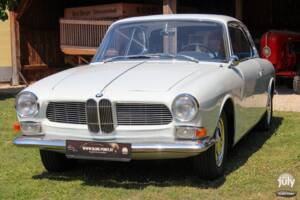
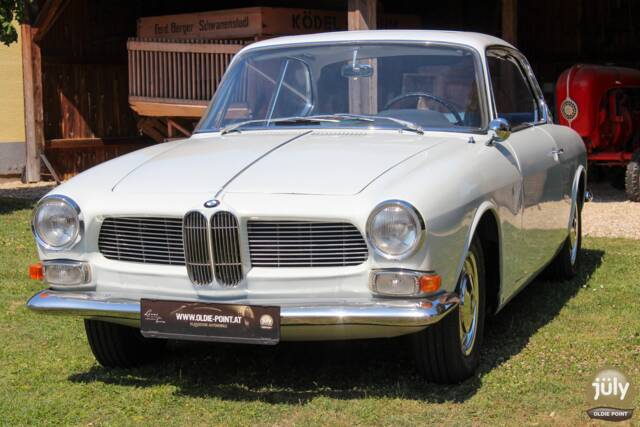
1964 | BMW 3200 CS
A completely restored "Bertone" - Italian refinement meets Munich power

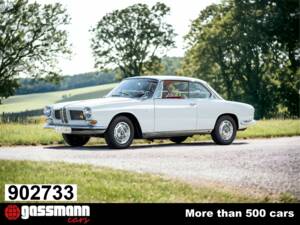
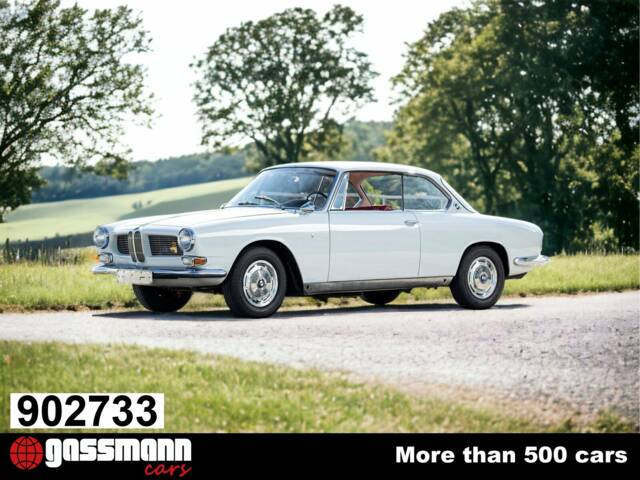
1962 | BMW 3200 CS
3200 CS Coupe Bertone mehrfach verfügbar!

Auctions ending soon

Loading…
Loading…
Loading…
Loading…
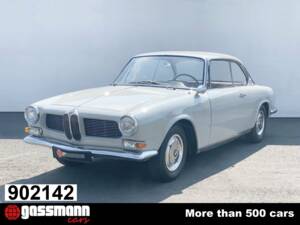
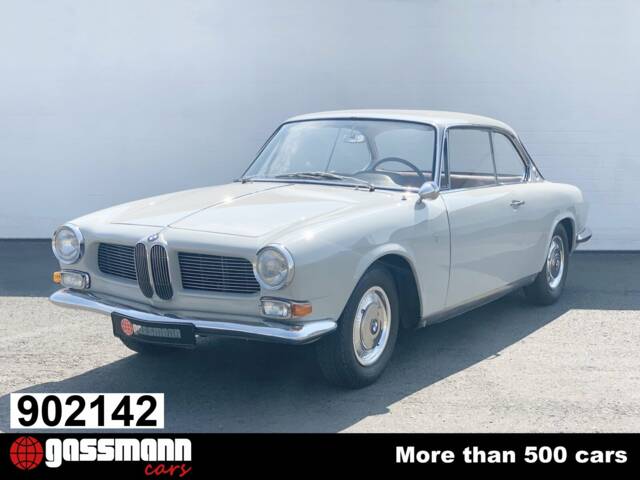
1964 | BMW 3200 CS
3200 CS Coupe Bertone Modellpflege mehrfach
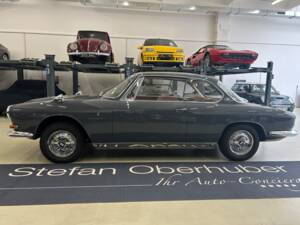
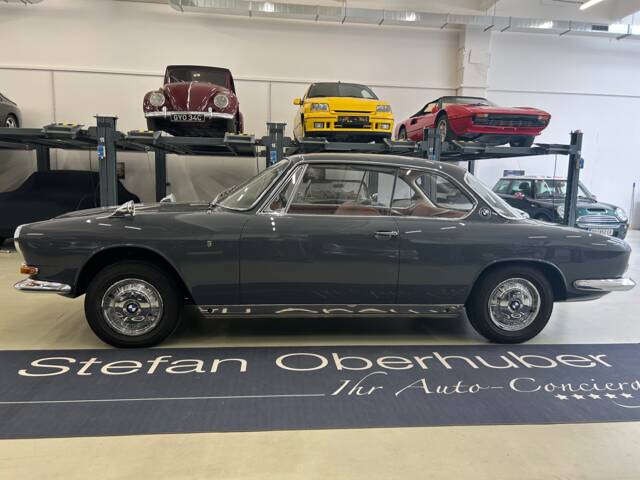
1964 | BMW 3200 CS
perfekt restaurierte Rarität
Newsletter
The best BMW listings, straight to your inbox
Get hand-picked BMW listings, plus the best of cars, motorbikes, and auctions on Classic Trader — all in one place.
BMW 3200 listing references from Classic Trader
Below you will find listings related to your search that are no longer available on Classic Trader. Use this information to gain insight into availability, value trends, and current pricing for a "BMW 3200" to make a more informed purchasing decision.
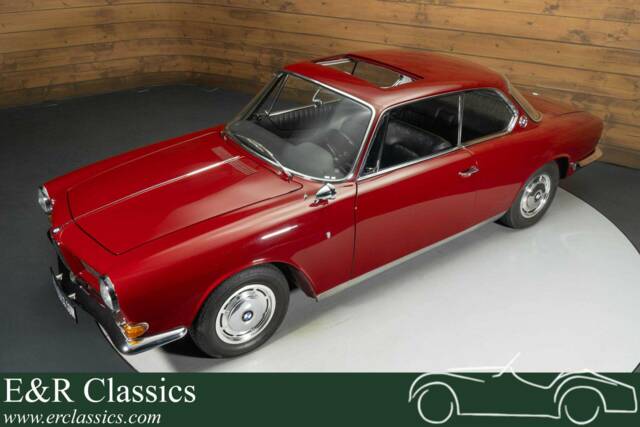
1965 | BMW 3200 CS
BMW

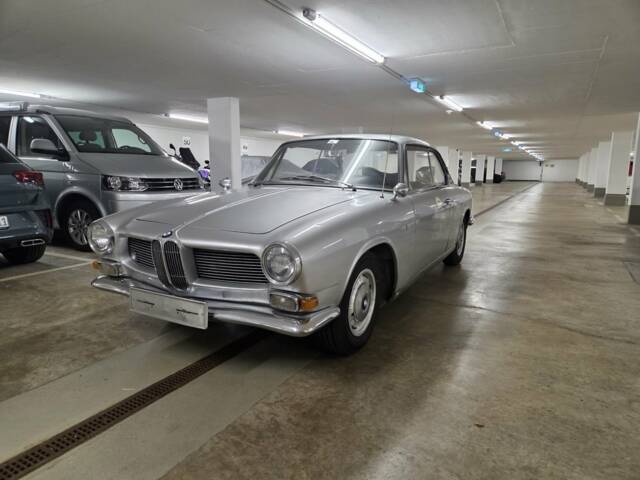
1964 | BMW 3200 CS
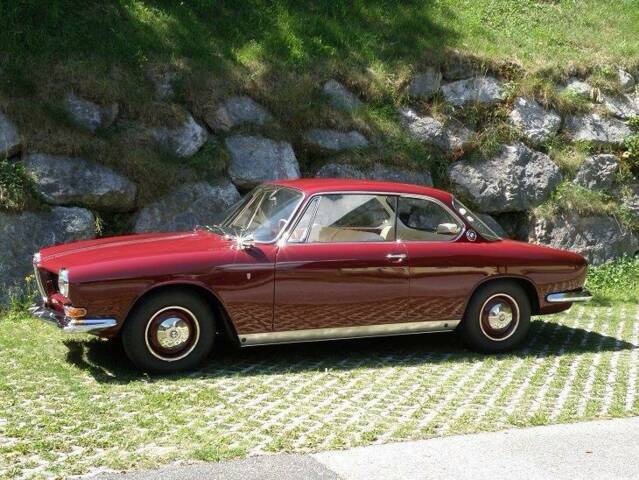
1963 | BMW 3200 CS
super Zustand und tolle Farbe
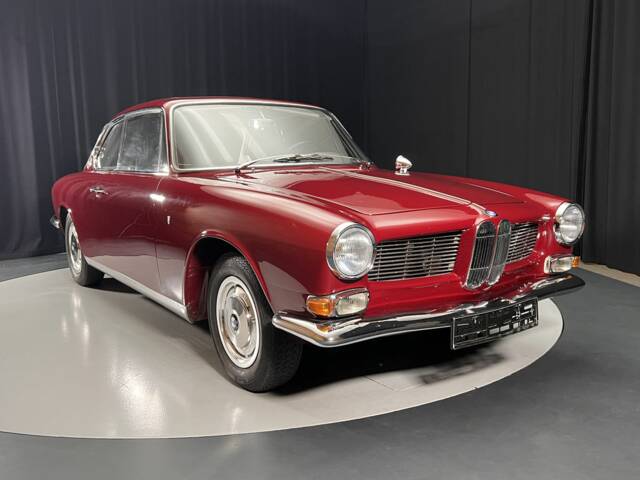
1965 | BMW 3200 CS
BMW 3200 CS coupe Bertone | 1965 | Route 66 Auctions - For sale by auction. Estimate 53500 EUR
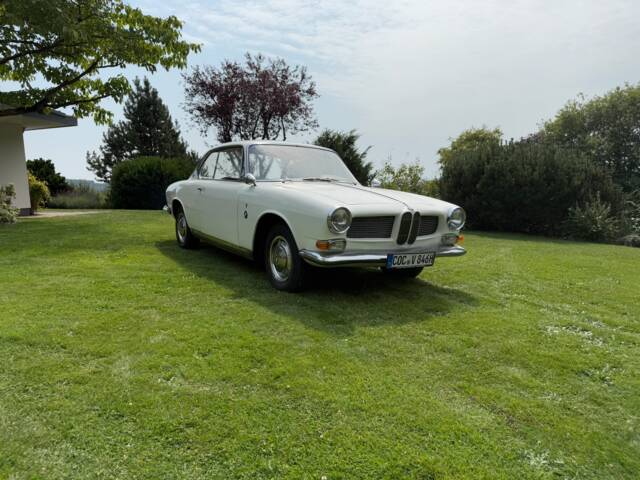
1965 | BMW 3200 CS
Original 68500 km 3 Hand
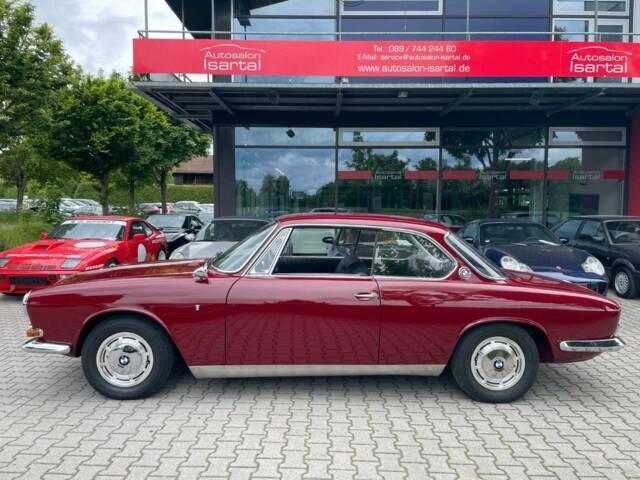
1965 | BMW 3200 CS
BMW 3200 CS Bertone -- top restauriert - 1 of 537 !!
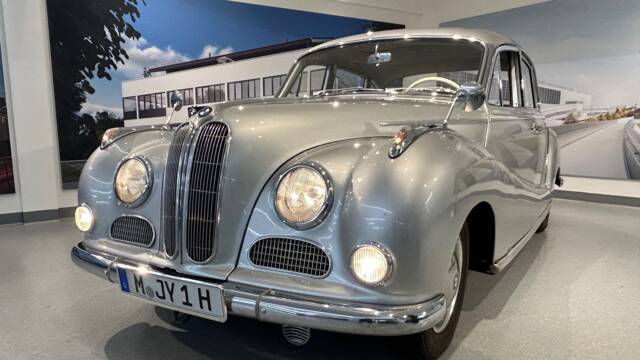
1963 | BMW 3200 S
BMW 502 Super mit Luxusausstattung sehr schön
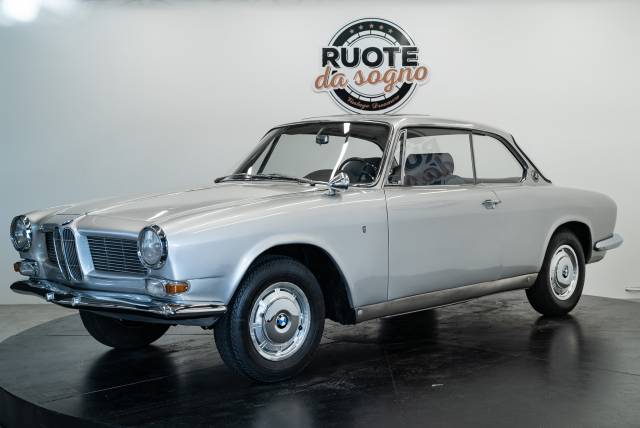
1965 | BMW 3200 CS

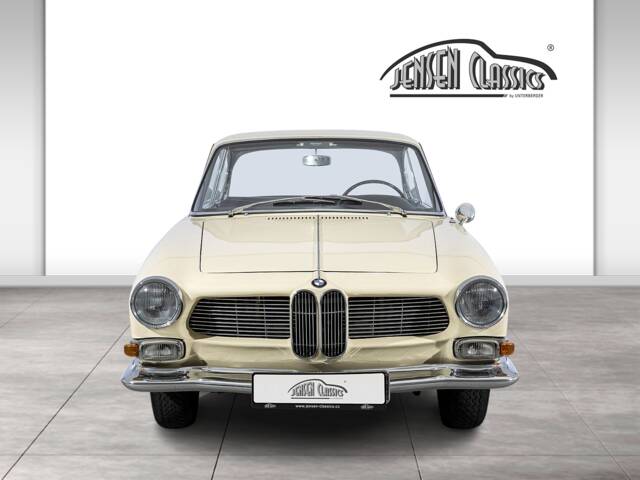
1963 | BMW 3200 CS
Top-Car
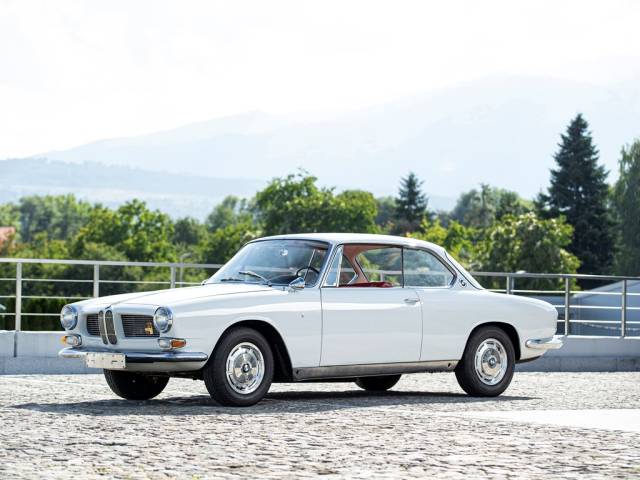
1963 | BMW 3200 CS
1963 BMW 3200 CS by Bertone

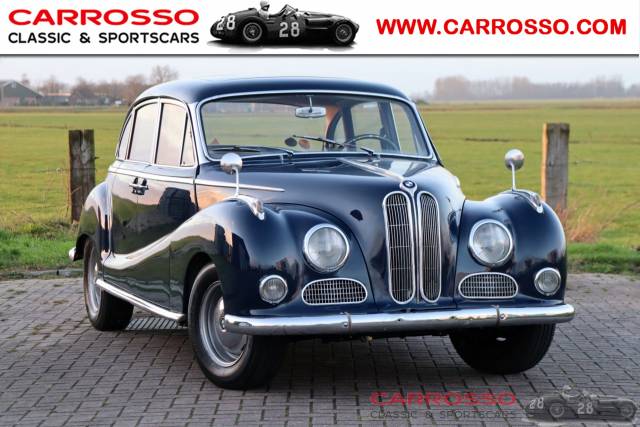
1963 | BMW 3200 S
BMW 3200S V8 502 Barockengel
BMW 3200 Classic Cars: Prices & Market Values
History of the BMW 3200
Launched between 1962 and 1965, the BMW 3200 marked a pivotal period for BMW, closing the era of frame-based luxury saloons and coupés. The series evolved from the 501 and 502, with the 3200 S serving as a continuation of the long-wheelbase, V8-powered limousine tradition. In contrast, the 3200 CS coupé, introduced at the 1961 IAA and built in collaboration with Bertone, showcased a synthesis of Bavarian engineering and Italian styling. Production was limited, with the bulk of sales going to well-heeled customers who valued exclusivity and cutting-edge details such as electric windows—the first German car to offer them. Both body styles left a strong mark on the automotive landscape by closing out BMW’s V8 tradition for nearly three decades.
Model Series Development
The BMW 3200 lineage originated from the 503 and 502 sedans. The 3200 S limousine presented a refined evolution, while the 3200 CS coupé, known internally as Typ 532, brought a new design direction. The CS’s Bertone bodywork and engineering details became influential for the future New Class coupés and the E9 series. Production totals are estimated at around 4,500 saloons and between 532 and 603 CS coupés—a single convertible was fashioned as a one-off for Herbert Quandt, BMW’s key shareholder. The 3200 series remained unique, lacking a direct successor until the New Class range emerged.
Highlights of the BMW 3200 Series
Key highlights of the 3200 series include the use of a robust 3.2-litre aluminium V8 engine, delivering up to 160 hp in its peak configurations. The CS coupé’s body, conceived by Bertone and designed by Giorgio Giugiaro, introduced streamlined lines and discreet sporting influences rare among German luxury vehicles of the time. The 3200 was among the earliest German cars fitted with features like a sunroof, electric windows, and a wooden dashboard. The coupé, in particular, set a design benchmark for subsequent BMW models, with the C-pillar’s Hofmeister kink debuting here. Hand-built and sold at a premium (new price circa DM 21,000), the series was costlier than its rivals such as the Mercedes-Benz 220, reflected in its exclusivity and rarity today.
Technical Data
Special Editions and Collectible Models
Aside from the Typ 532 CS coupé, which is by itself a rare collectible (with fewer than 603 units made), the series includes a unique 3200 CS Cabriolet made by Bertone as a one-off for Herbert Quandt. Additional special features included factory sunroofs, electric windows, and bespoke leather interiors. The rare convertible and high-spec coupés are particularly valued by collectors due to their hand-built nature and luxury appointments.
Weak Spots and Common Issues
While specific widespread faults are not detailed in the available data, buyers should note the advanced yet complex hand-built features, such as the electric window mechanisms and the V8’s twin-carburettor setup, which require careful maintenance. The frame construction, although robust, increases restoration complexity. Corrosion may be a concern, especially on cars with neglected histories, and interior trim parts can be hard to source.
Engine, Performance, Transmission and Handling
The 3200’s aluminium V8 provided standout performance for its era: up to 160 hp and a top speed exceeding 200 km/h for the CS coupé. Acceleration figures were competitive for luxury cars of the period. Transmission was a 4-speed manual, with some unique features such as the mid-mounted gearbox in early coupés. The chassis, with independent front suspension and solid rear axle, prioritised comfort yet afforded stable highway cruising. The steering and brakes, particularly the front disc setup on later models, reflected the gradual move toward modern driving dynamics. Notable 3200 variants include:
- BMW 3200 S saloon: V8 engine, luxury appointments, and practical features like suicide doors.
- BMW 3200 CS coupé: Bertone body, higher engine output, wood dashboard and full leather interior post-1963 upgrades.
- BMW 3200 CS Cabriolet: Only one built—ultimate rarity.
Interior, Comfort, Exterior and Design
The 3200 line exudes both German solidness and Italian flair. The 3200 S limousine featured a traditionally upright front, round headlights, and luxurious but restrained interiors, often in leather. The CS coupé, in contrast, brought forward the influential Bertone styling—thin pillars, low beltline, the BMW ‘kidney’ grille, and the debut of the Hofmeister kink in the C-pillar. Interior upgrades during production included a switch from metal to wood dashboard, and leather seats became standard, especially on later coupés. Accessories such as electric windows and sunroof underscored the comfort and innovation that typified the 3200.
Other Relevant Features
With many models retaining original paperwork and the majority of coupés built still on the road today, the BMW 3200 attracts collectors valuing authenticity. Its construction and finish demonstrate a meticulous attention to detail that foreshadowed later BMW luxury models. The CS coupé was even displayed at major film festivals as a representative of BMW’s creative partnerships.
Summary
The BMW 3200 series represents a crucial bridge between Bavaria’s postwar recovery and its modern design and engineering reputation. Combining hand-built luxury, advanced V8 technology, and Italian design cues, the 3200 S saloon and rare 3200 CS coupé provide collectors with a unique slice of 1960s automotive history. Their low production numbers and technical features contribute to enduring interest among dedicated BMW enthusiasts.