- Car
- Bizzarrini (6 offers)
Bizzarrini classic cars for sale
Bizzarrini stands for uncompromising engineering and racing pedigree, delivering sports cars such as the 5300 GT Strada, GT Europa 1900 and P538. Developed by Giotto Bizzarrini—whose genius shaped icons at Ferrari and Iso—these machines combine lightweight Italian design with American V8 power, setting benchmarks for performance, rarity, and technical excellence.
Search results
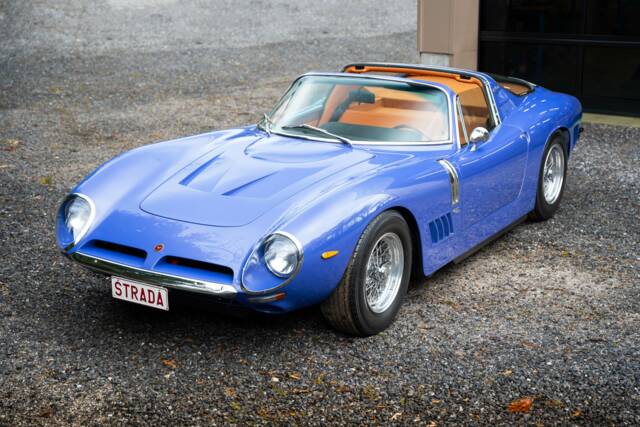

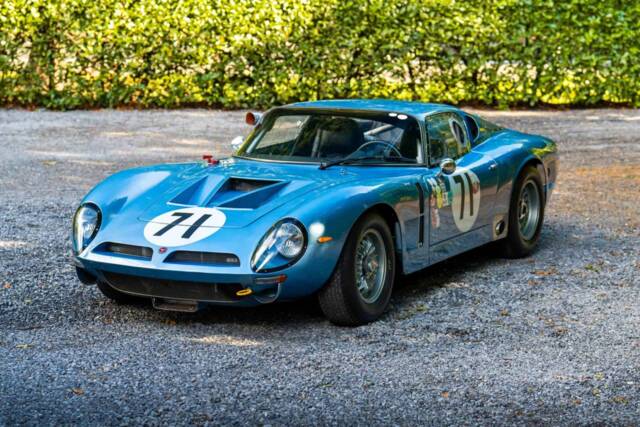
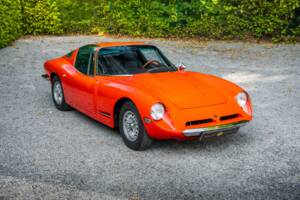

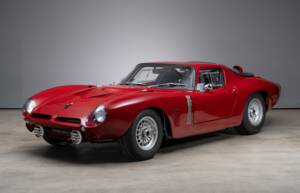
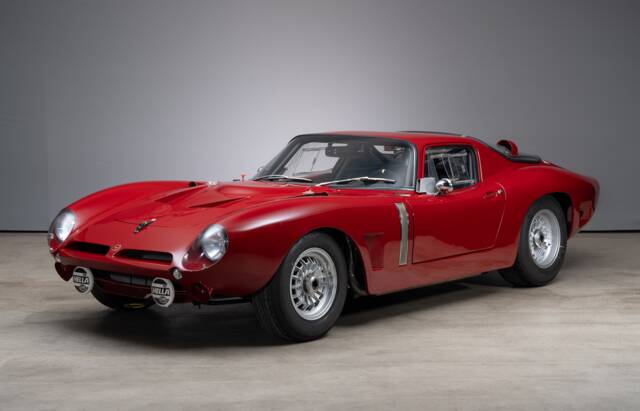
1965 | Bizzarrini GT Strada 5300
5300 GT Corsa • Competition FIA HTP • Deutsche Straßenzulassung

Newsletter
The best Bizzarrini listings, straight to your inbox
Get hand-picked Bizzarrini listings, plus the best of cars, motorbikes, and auctions on Classic Trader — all in one place.

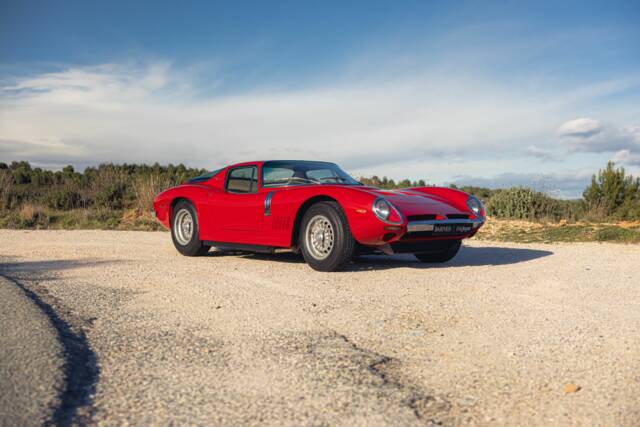
1968 | Bizzarrini GT Strada 5300
Bizzarrini 5300 GT Strada 1968

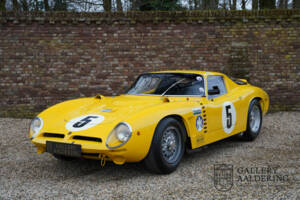
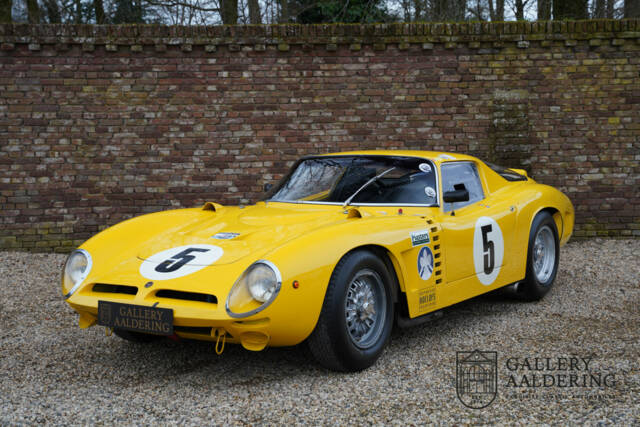
1965 | Bizzarrini GT Strada 5300
Bizzarrini GT Strada 5300 "Alloy" Goodwood 77th Members’ Meeting-participant, Accompanied with FIA Historic Technical Passport and history-file, Restoration and maintenance by specialists Duel Motorsport/Roelofs Engineering, Driven by well-known names in the Bizzarrini scene, Constructed in 1965 as a Strada version, Approved for public roads with license plate registration

Bizzarrini listing references from Classic Trader
Below you will find listings related to your search that are no longer available on Classic Trader. Use this information to gain insight into availability, value trends, and current pricing for a "Bizzarrini" to make a more informed purchasing decision.
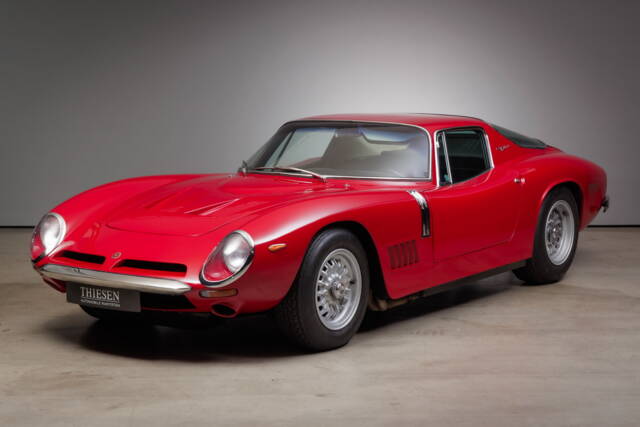
1968 | Bizzarrini GT Strada 5300
5300 GT Stradale
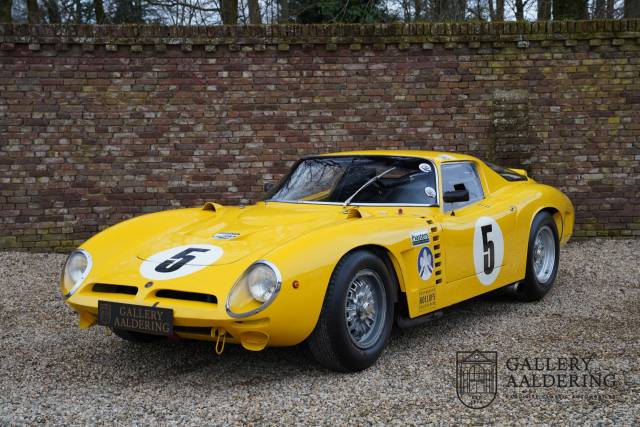
1965 | Bizzarrini GT Strada 5300
Bizzarrini GT Strada 5300 Alloy Body, Goodwood 77th Members’ Meeting-participant, Documentation-file, Extensive maintenance by specialist with invoices available for inspection, Constructed in 1965 as a Strada version, Approved for public roads with license plate registration documents
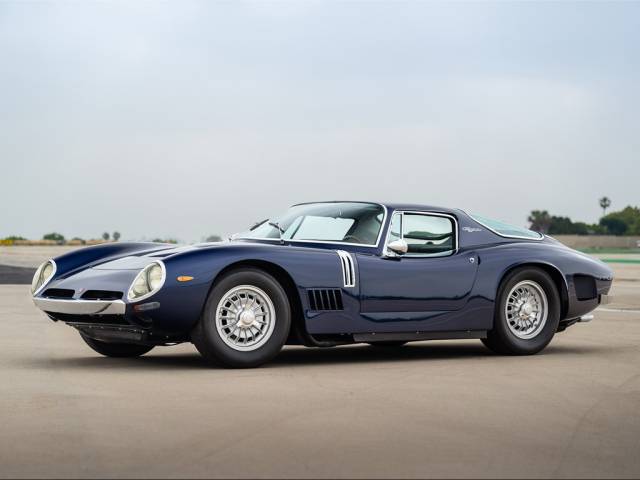
1968 | Bizzarrini GT Strada 5300
1968 Bizzarrini 5300 GT Strada Alloy

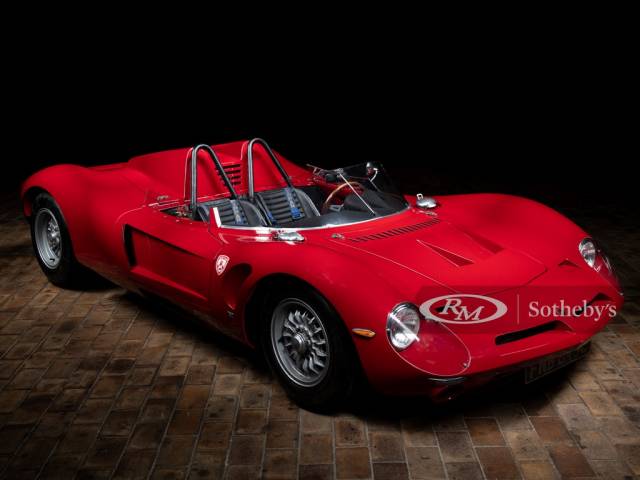
1979 | Bizzarrini P 538
1979 Bizzarrini P538
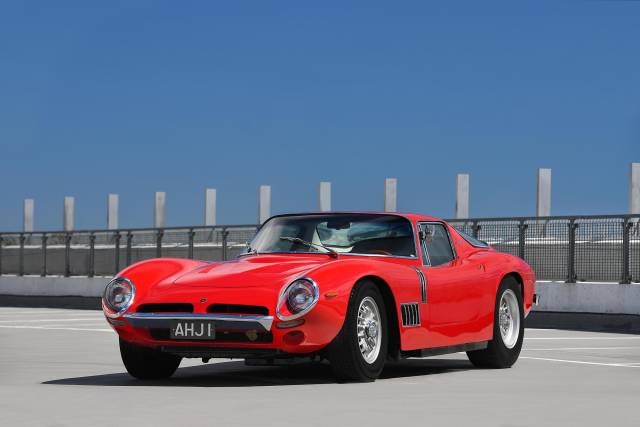
1966 | Bizzarrini GT Strada 5300
1966 Bizzarrini GT Strada 5300
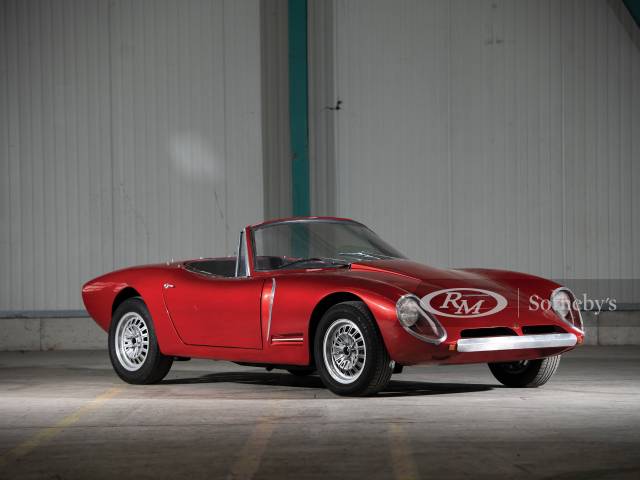
1969 | Bizzarrini GT Europa 1900
Online Only: The European Sale featuring the Petitjean Collection
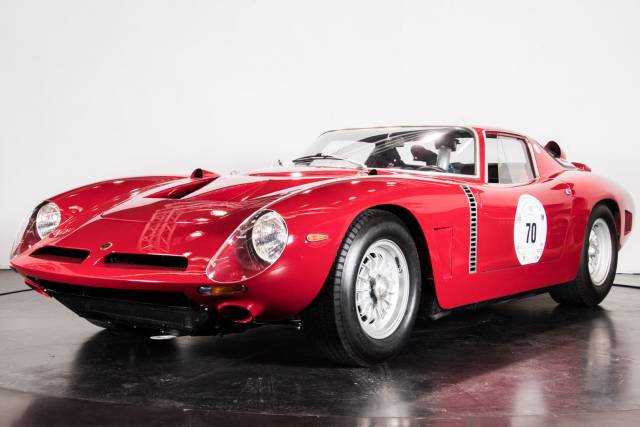
1965 | Bizzarrini GT Strada 5300

History of Bizzarrini
Bizzarrini’s origins trace back to Livorno in 1964 when Giotto Bizzarrini, a famed engineer with credits at Alfa Romeo, Ferrari, and Iso, founded his own company. Renowned for his role in designing the Ferrari 250 GTO, Bizzarrini launched his eponymous brand after parting ways with larger manufacturers. The marque quickly gained recognition in motorsport, particularly with the GT 5300 series—based on Iso Grifo A3/C—in both street and racing formats. Bizzarrini cars set new standards at the 24 Hours of Le Mans, achieving class wins and impressive top speeds on the Mulsanne Straight. However, relentless pursuit of innovation and the harsh realities of automotive business led to financial difficulties, resulting in Bizzarrini’s closure in 1969. Despite its brief four-year production run, the brand established a legacy for technical sophistication and high performance.
Model History
Bizzarrini’s portfolio is concise yet varied. The cornerstone model is the GT 5300 series—offered as both Strada (road version) and Corsa (racing)—built with lightweight aluminium and powered by front-mid Chevrolet V8s. Approximately 86 Strada units were made, each hand-finished. The 1900 GT Europa, introduced in 1966, aimed to offer Bizzarrini engineering at a more attainable level, utilising a 1.9L Opel engine and weighing less than 700 kg. With less than 14 examples produced, each 1900 GT Europa was essentially unique, sometimes with differing mechanicals. The P538, built strictly as a racing prototype for Le Mans, was available with either a V8 or Lamborghini V12, and only five to eight were constructed. Post-1970s, some continuation models and prototypes bearing the Bizzarrini badge appeared, but true series production never resumed.
Highlights of the Bizzarrini Range
Bizzarrini’s approach fused Italian design flair with American muscle, resulting in vehicles with advanced chassis engineering, extraordinary weight balance, and aerodynamically honed bodies. The GT 5300’s aluminium body and platform construction were years ahead of mainstream rivals. The P538’s spaceframe chassis, mid-engine layout, and FIA-certifiability for historic motorsport attest to the brand’s motorsport focus. Interiors prioritised the driver, using hand-stitched leather and minimal decoration, reflecting a pure, racing-centred ethos. Exceptional technical partners—such as Giorgetto Giugiaro and Piero Drogo—left an indelible mark on design and finish.
Technical Data
Special Editions and Collectible Models
Several examples in the Bizzarrini line-up stand apart for their uniqueness or limited production. The P538, with only five to eight ever built and its Le Mans focus, is the most exclusive. The 1900 GT Europa, with as few as 12–14 original units and each chassis offering peculiarities in technical finish, ranks among the rarest. Some P538 cars featured unique configurations like the ‘narrow’ track version or different engine setups (V8/Lamborghini V12). The GT 5300 Corsa was built as the competition version and is even less common than the Strada. The single closed P538 ‘Duca D'Aosta’ is an outstanding one-off. Later prototypes, continuation cars, and custom completions carry historical interest but are less accepted by purists.
Engine, Performance, Transmission, and Handling
The hallmark of Bizzarrini’s engineering is a rigorous focus on dynamic excellence. The GT 5300, thanks to its near 50:50 weight distribution, advanced suspension, and high-output V8, achieved benchmark handling and top speeds competitive with or superior to Ferraris and Lamborghinis of its day. Acceleration and top-end performance were world-class, with the Corsa and Strada often reaching up to 290 km/h. The 1900 GT Europa, with its 1.9L engine and sub-700 kg weight, offered agile and neutral handling with acceleration to 100 km/h in about 7.2 seconds—impressive for a compact 1960s coupé. The P538, designed for endurance racing, featured independent suspension, four-wheel disc brakes, and five-speed transaxle; V8 versions proved lighter and more reliable than the exotic V12s, optimising performance for the rigours of Le Mans. 1. GT 5300 Strada/Corsa: 5.3–5.4L Chevy V8, 350–420 hp, <1,100 kg, 0–100 km/h in 5–6 s, top speed 270–290 km/h 2. 1900 GT Europa: 1.9L Opel I4, 105–110 hp, ~650–700 kg, 0–100 km/h ~7.2 s, top speed up to 235 km/h 3. P538: Chevrolet V8 or Lamborghini V12, 480+ hp, 800 kg, 5-speed transaxle, top speed over 300 km/h
Interior, Comfort, Exterior and Design
Design work on Bizzarrini cars involved leading names such as Giorgetto Giugiaro and Piero Drogo, combining aerodynamic precision with visual presence. The aluminium-bodied GT 5300 features a distinctive long-bonnet, Kamm-tail profile, with faired headlights and a cockpit set well towards the rear for optimal balance. Interiors are focused on driving, often using hand-stitched leather, wood-rimmed steering wheels, and minimal distractions—mirroring the racing intent. The 1900 GT Europa uses GRP for lightness and simplicity, carrying design cues from its larger sibling but in a more compact format. Accessories and options were sparse, reflecting the emphasis on total performance. The P538’s open barchetta form, fibreglass skin, exposed tubular chassis elements and side air-intakes typified 1960s prototype racers at their apex. Body colours varied, but many original cars used Italian national racing red, silver or custom client liveries.
Other Noteworthy Features
Bizzarrini’s logo—a silver eagle on a red cogwheel, referencing Livorno—embodies the brand’s blend of engineering precision and proud Italian heritage. Production records are often imprecise, especially for the Europa and P538, increasing the importance of provenance in the collector market. Several chassis were never finished by Bizzarrini before the firm’s bankruptcy, and later completed by specialists, making originality a key focus when assessing these cars today. Giotto Bizzarrini’s influence carried on, with his continued involvement in engineering and one-off projects for decades after the end of regular production.
Summary
Bizzarrini classic cars blend high-calibre engineering, motorsport-derived performance, and innovative design in rare, highly individual vehicles. The GT 5300 dominates both the historic brand’s supply and demand, underlining its status among European V8-powered sports cars. With extremely limited production numbers—especially for the 1900 GT Europa and P538—factory originality and technical documentation are crucial. For those seeking a piece of Italian racing and engineering history, a Bizzarrini offers technical sophistication, unique provenance, and a driving experience focused uncompromisingly on pure performance.