- Car
- Bitter (2 offers)
Bitter classic cars for sale
Bitter stands for German engineering and Italian-inspired design, combined in handcrafted exclusivity. Founded by racing driver Erich Bitter, the marque is known for low-volume, high-luxury grand tourers that fuse Opel’s proven technology with striking lines and extravagant interiors. Discover the rare Bitter CD and SC coupés—vehicles offering robust mechanicals, unique style, and luxury seldom matched at their price point.
Search results
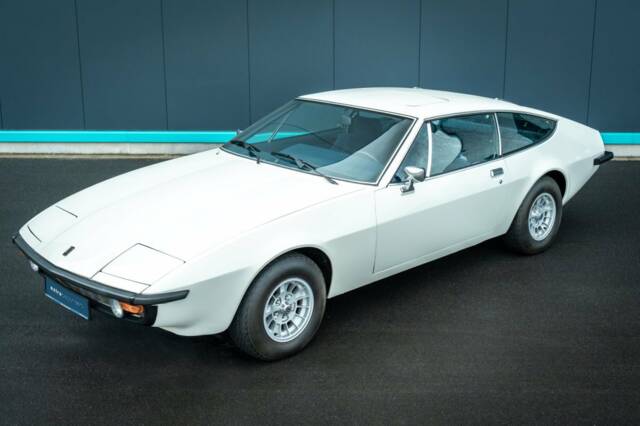
1976 | Bitter CD
CD Diplomat V8

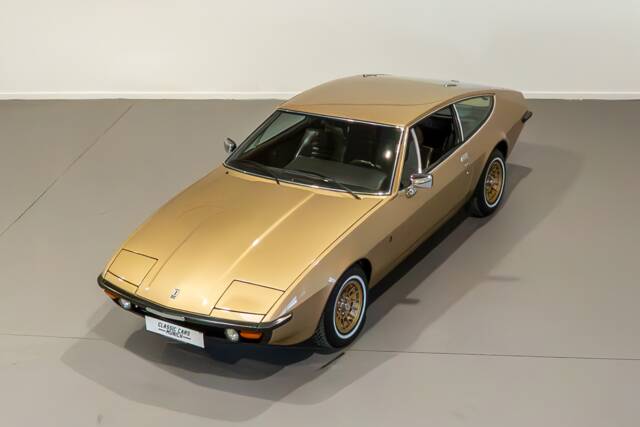
1976 | Bitter CD
Bitter CD 5,4 V8 – Promotional vehicle Ireen Sheer – First owner
Bitter listing references from Classic Trader
Below you will find listings related to your search that are no longer available on Classic Trader. Use this information to gain insight into availability, value trends, and current pricing for a "Bitter" to make a more informed purchasing decision.
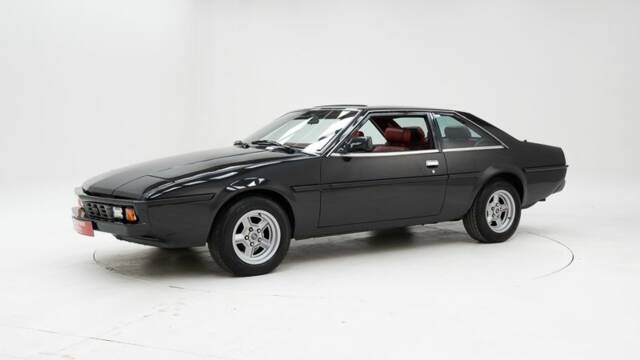
1987 | Bitter SC 3,0
1987 Bitter SC '87

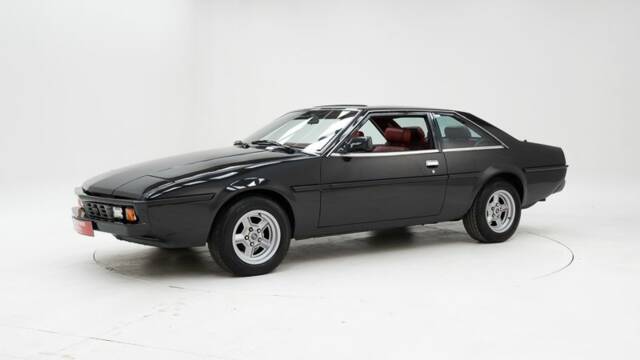
1987 | Bitter SC 3,0
1987 Bitter SC '87
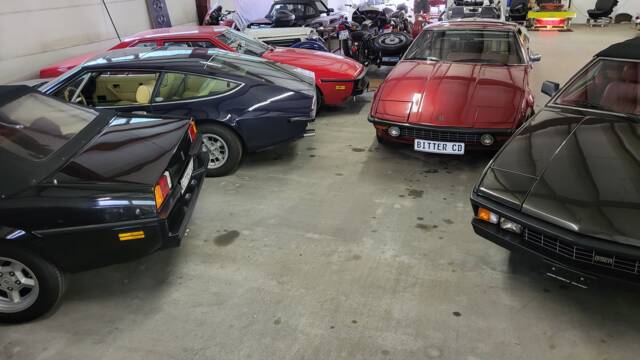
1976 | Bitter CD
Bitter CD, highly original and authentic, ex Howard Carpendale
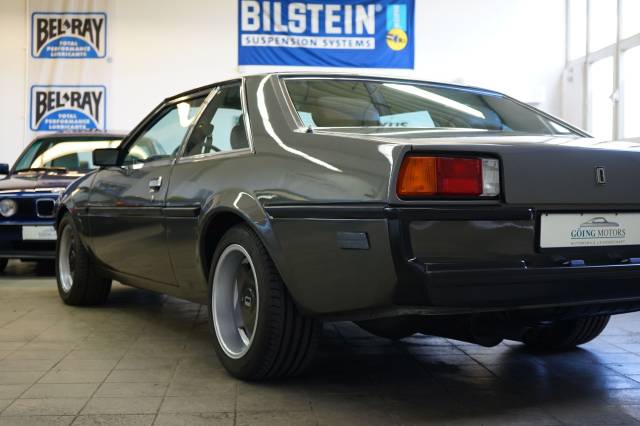
1984 | Bitter SC 3,9
Fertigungsnummer 445
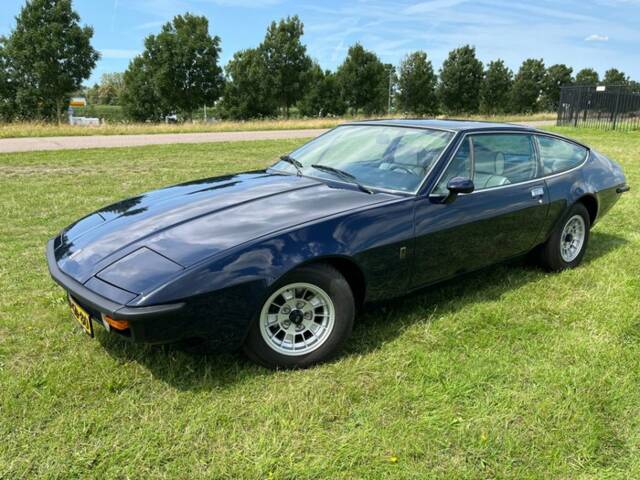
1979 | Bitter CD
Bitter - CD Diplomat 5300 V8 Frua Coupé - 1979

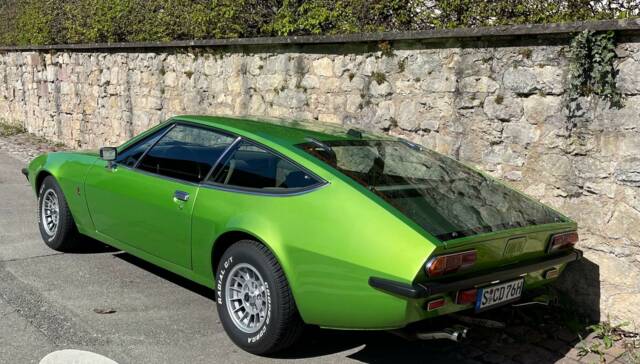
1976 | Bitter CD
1.Hand Top Historie
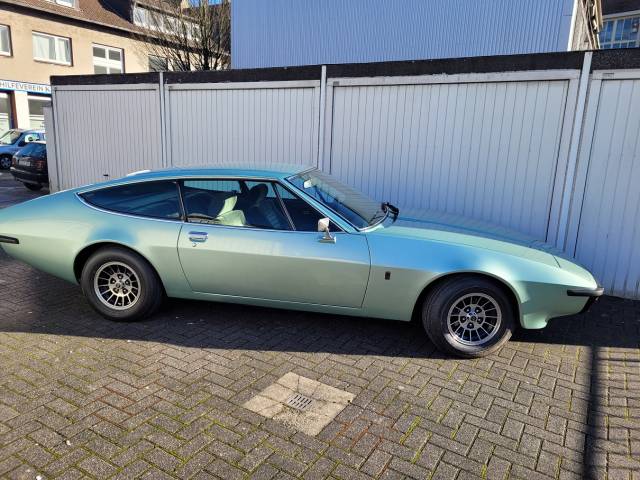
1978 | Bitter CD
Aus Privatbesitz zu verkaufen
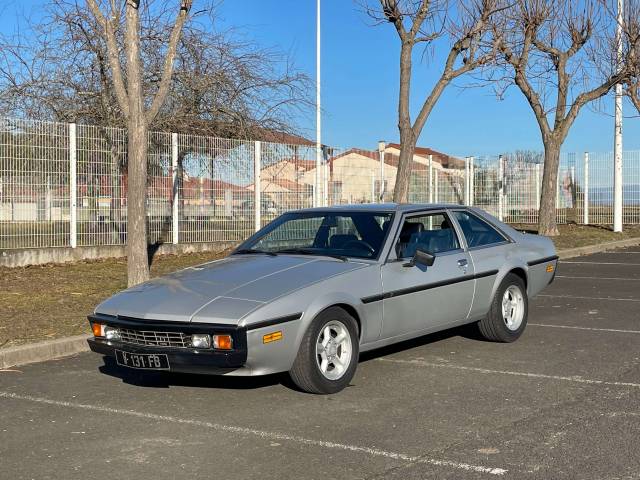
1983 | Bitter SC 3,0
BITTER SC

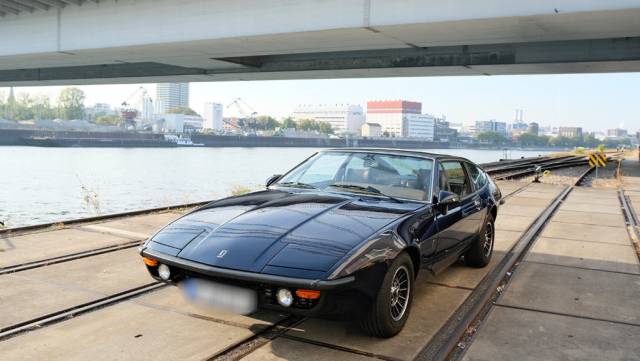
1976 | Bitter CD
Hochwertige Frame Off-Restaurierung
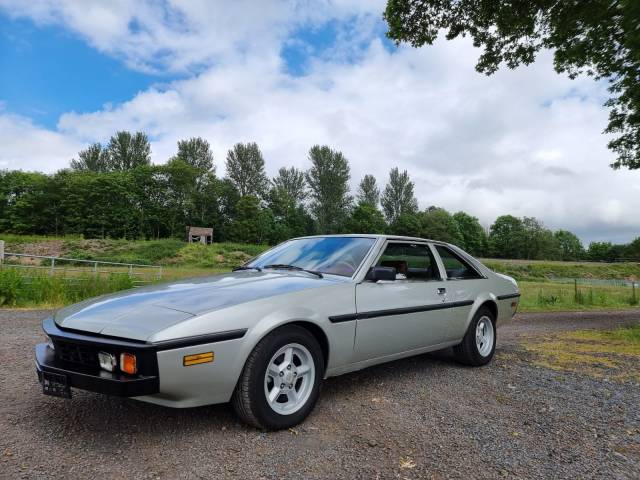
1982 | Bitter SC 3,0
Probably the best on the market

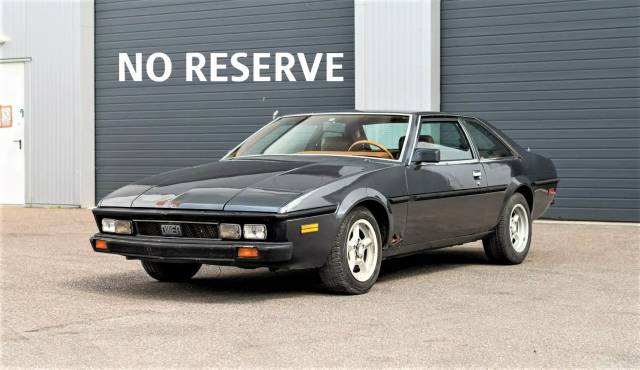
1982 | Bitter SC 3,0
Italian Style - German Quality - No Reserve
History of Bitter – Engineering meets Refinement
The Bitter brand was founded in 1971 in Ennepetal, Germany by Erich Bitter. Drawing inspiration from his racing background and initial business as an importer for Abarth and safety gear, Bitter established his brand on performance principles. The company focused on refining production models, and the first project—the Bitter CD—was based on the Opel Diplomat. Italian styling from the 1970s combined with a powerful Chevrolet V8 and General Motors technology, creating a unique proposition. Assembly was handled by coachbuilder Baur in Stuttgart, ensuring build quality to luxury standards. The Bitter CD was produced from 1973 to 1979 in only 395 units. The subsequent Bitter SC, produced from 1981 to 1989, evolved with Opel Senator technology and options like coupé, cabriolet, and long wheelbase four-door versions. After the SC, Bitter shifted towards prototype development, mainly for VW, with a later return in the 2000s with models based on Holden and Opel platforms.
Model History – Small Series, Big Impact
Bitter models focused on combining the best of multiple worlds: the CD was based on the Opel Diplomat but took design cues from the Maserati Ghibli and Pietro Frua’s earlier Opel prototype work. With mechanical parts shared with GM, it was both robust and easy to maintain. Only 395 units of the CD were produced, succeeded by the SC (approx. 400-488 built between 1981 and 1989), offered as coupé, convertible, and long wheelbase saloon. Both remain rare on the market, with far fewer surviving today due to the brand’s limited production and collector focus. Bitter attempted other prototypes (Rallye, Type III) but mainly left a legacy with these handmade grand tourers. A rebirth in the 2000s brought the Vero (Holden-based) and Insignia models, again focusing on luxury and refinement.
Highlights and Unique Features
Bitter vehicles merge luxury equipment with proven mass-market mechanicals. Typical features include V8 (CD) or straight-six and V6 (SC) engines, automatic transmission, power steering, air conditioning, central locking, electric windows, high-grade leather (often water buffalo), wood trim, and advanced comfort accessories like cruise control. Deep-pile value carpets often wore Bitter logos, and cars could be specced with rare colour and interior combinations. The blend of Italian-inspired coachwork and German/American engineering remains unusual and desirable among enthusiasts. The CD and SC together each represent 50% of current listings, indicating equally distributed supply. In terms of demand, the SC currently sees a slight majority with 52.4% of interest, while the CD attracts 47.6%—a testament to the SC's slightly broader appeal among current searchers.
Technical Data
Special Editions and Collectors' Models
The most notable variants include the Bitter SC long wheelbase limousine, very rare all-wheel drive versions of the SC, and models with hand-numbered bronze plaques. Early cars sometimes came finished in unique colours (e.g., Rosso Rubino Metallic), or with luxury interior options like water buffalo leather and high-end audio. Cars used as show models at major expos, or delivered with original documentation and rare accessories, are especially prized.
Engine, Driving Characteristics, Transmission and Handling
Bitter’s approach delivered a refined grand touring experience: the CD’s 5.4-litre V8 provided robust power (230 hp) and classic GT acceleration, while the SC’s Opel-based six-cylinder engine (3.0–3.9 litres) ensured strong midrange torque and dependability. Suspension tuning by Baur resulted in a composed ride, balanced with responsive handling for a car of its time. Automatics were common, as were thoughtful features promoting comfortable, effortless cruising. Both models are praised for their reliability and manageability, thanks to the widespread availability of GM and Opel parts.
Popular models include:
- Bitter CD: 5.4L Chevrolet V8, coupe, notable for rarity and performance-luxury balance.
- Bitter SC: 3.0–3.9L Opel six or V6, available as coupé, convertible or long saloon; known for flexible luxury options and solid mechanicals. undefined
Interior, Comfort, Exterior and Design
Bitter cars stand out for their Italian-inspired exteriors—angular GT silhouettes reminiscent of 1970s Maseratis, with subtle German restraint. Interiors feature luxury materials (leather—including water buffalo—, wood trim), deep-pile carpeting, front and rear headrests, and advanced comfort appointments for their time. Many featured factory tinting, cruise control ('Tempomatic'), electric windows, quality sound systems (Blaupunkt, McIntosh), heated seats, and unique design elements like pop-up headlights on the CD. Accessories such as original manuals, hand-numbered plaques, and special carpets increase collectability.
Other Noteworthy Features
Bitter vehicles almost always qualify for historic number plates (H-Kennzeichen) in Germany, reflecting their status. Many examples remain in collector hands or as show vehicles, often having undergone documented restorations or retaining original paint. FIVA A2 classification (for highly original vehicles) has been awarded to outstanding examples. The owner community is small but passionate, supporting knowledge sharing and parts sourcing.
Summary
Bitter classic cars represent a rare corner of German automotive history, distinguished by handmade luxury, Italian-inspired design, and robust, serviceable technology. Both the CD and SC are valued by connoisseurs for their exclusivity, driving comfort, and distinctive looks, reflected in their equal supply and strong demand. Hand-finished in limited numbers, with durable engineering and rich equipment, a Bitter remains a remarkable alternative among luxury grand tourers of its era.