- Car
- Autobianchi
- Autobianchi Stellina (0 offers)
Autobianchi Stellina classic cars for sale
The Autobianchi Stellina stands out as an extraordinarily rare Italian spider, built for just two short years in the mid-1960s. With only 502 units produced and its innovative fibreglass body, the Stellina represents a unique moment of experiment and elegance in automotive history. Every surviving example today is a testimony to its rare blend of design, technology, and cultural significance.
Search results
Currently, there are no matching listings for your search.
Create search alert
Let yourself be notified as soon as a listing is published that matches your search filters.
Create listing
Do you have a Autobianchi Stellina that you want to sell? Then create a listing now.
Create listingAutobianchi Stellina listing references from Classic Trader
Below you will find listings related to your search that are no longer available on Classic Trader. Use this information to gain insight into availability, value trends, and current pricing for a "Autobianchi Stellina" to make a more informed purchasing decision.
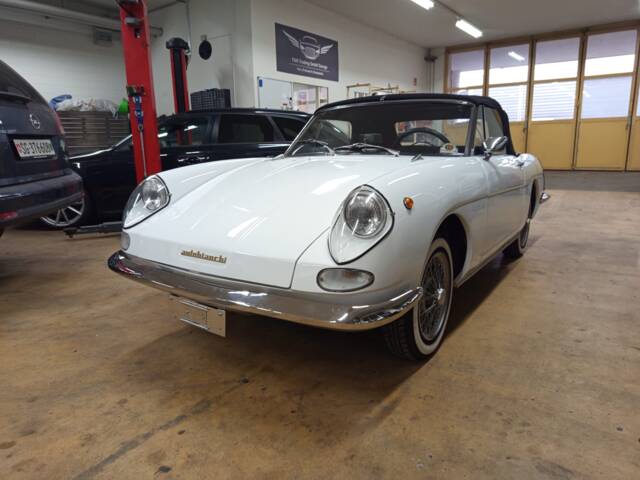
1963 | Autobianchi Stellina
Sehr seltenes Veteranfahrzeug in Top Zustand

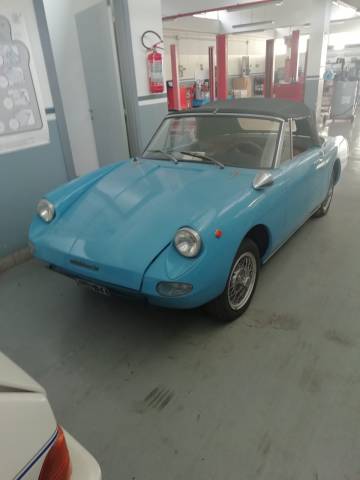
1964 | Autobianchi Stellina
Quasi unica, specialmente in circolazione

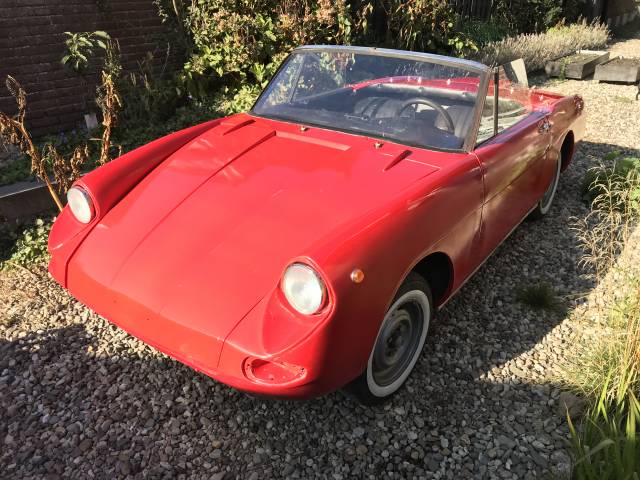
1965 | Autobianchi Stellina
Rare Autobianchi Stellina (502 produced) project

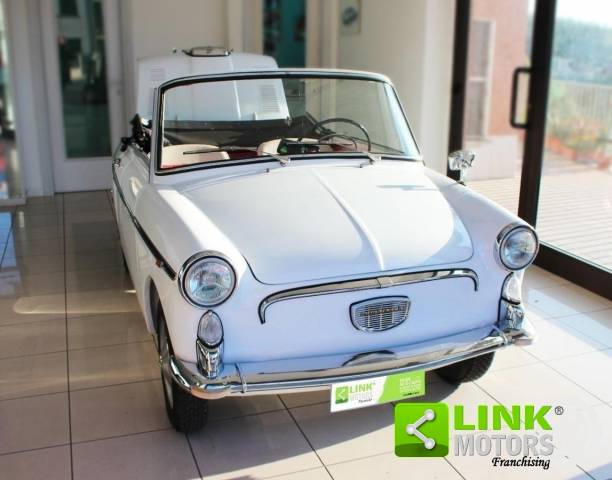
1965 | Autobianchi Stellina
Autobianchi Bianchina Trasformabile
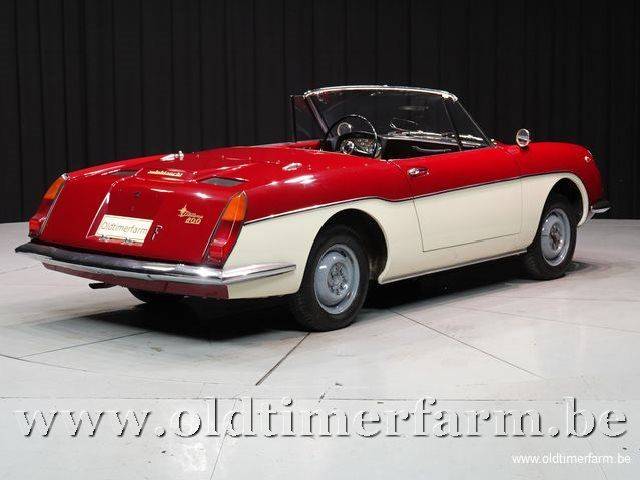
1965 | Autobianchi Stellina
1965 Autobianchi Stellina 800 '65

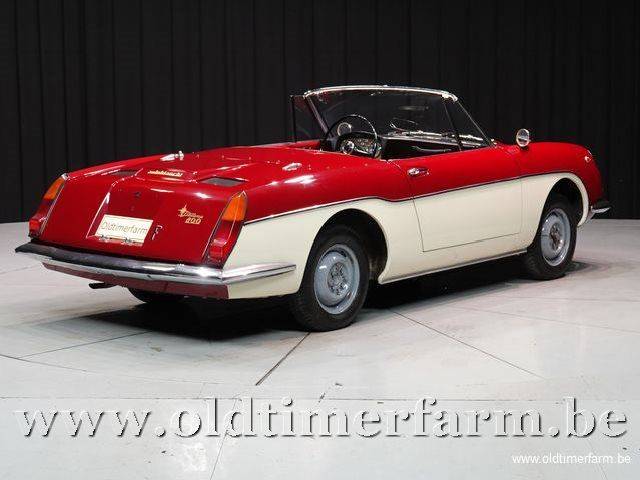
1965 | Autobianchi Stellina
1965 Autobianchi Stellina 800 '65
Create search alert
Let yourself be notified as soon as a listing is published that matches your search filters.
Create listing
Do you have a Autobianchi Stellina that you want to sell? Then create a listing now.
Create listingAutobianchi Stellina Classic Cars: Prices & Market Values
History of the Autobianchi Stellina
In the thriving 1960s Italian car market, Autobianchi introduced the Stellina in 1964 as a bold demonstration of design and engineering. Unveiled at the 1963 Turin Motor Show, it was immediately celebrated for its striking use of fibreglass, marking the first time an Italian production car adopted this advanced, rust-resistant material. Built on the Fiat 600D chassis, the Stellina's development reflected postwar optimism and the era’s appetite for open-top cars. Luxury, innovation, and a touch of exclusivity defined its short production run, with manufacture ceasing in 1965 after just 502 units. The high price, public scepticism towards the fibreglass body, and the swift arrival of the Fiat 850 Spider led to its quick discontinuation. Yet the Stellina persists as an artifact of automotive boldness and creativity.
Model History
The Stellina’s direct predecessor was the Fiat 600D, though the Stellina was radically different in execution. Its introduction as a ‘little star’ (the meaning of 'Stellina' in Italian) provided a luxury spider option, advertised particularly to a well-heeled clientele. Production initially featured the 767 cc engine shared with the Fiat 600, later updated to a 792 cc unit known as the Stellina 800, with about 200 built in the latter version. After its brief life, Autobianchi withdrew the Stellina, replaced in the lineup by the larger Fiat 850 Spider. The Stellina remains the sole fibreglass-bodied series-car in Autobianchi's history.
Distinctive Features and Market Presence
The Stellina blazed new trails as the first European production car with an all-fibreglass body, ahead of the mainstream use of such materials outside the US. This construction rendered it highly resistant to rust, a major advantage in the era. The elegant, compact two-door spider, complete with a folding black canvas top, featured carefully appointed interiors—skai trim and select details tailored for an exclusive audience. Only a handful of options existed, such as an Abarth exhaust, wire wheels, and radio, underscoring its exclusivity and high-end positioning. The Stellina is nearly unknown today; few remain active—or even extant—making it a truly rare sight on the road or at classic car events.
Technical Data
Special Editions and Collectible Variants
Because the Stellina was itself produced in extremely limited volume, no official special editions were offered. The most distinctive individual car is the original show prototype by designer Luigi Rapi, which featured at the 1963 Turin Motor Show and set the styling tone for the production model. Later vehicles with the 792 cc engine (called Stellina 800) might be of additional interest due to their slightly increased performance and lower numbers.
Weak Spots and Common Issues
The unique fibreglass body is immune to corrosion, solving a common issue of classic Italian cars from the period. However, mechanicals are based on the Fiat 600D, so parts for engine and suspension are relatively accessible but require checks for age-related wear. Special attention should be paid to the integrity of the steel frame supporting the fibreglass panels, which can be prone to hidden rust, especially in poorly stored vehicles. Proper fitment and preservation of rare trim items, soft top condition, and original wheels are essential for maintaining originality and value.
Engine, Dynamics, Transmission and Handling
With just 29 hp from its rear-mounted engine driving the rear wheels through a four-speed manual box, the Stellina delivers modest but lively performance for its feather-light weight. The suspension, adapted from the Fiat 600D, together with a low centre of gravity thanks to the unibody and material choice, offers nimble city driving and a surprisingly direct road feel. Drum brakes require attentive maintenance and careful driving by modern standards. The Stellina is strictly a lightweight open-roof sports model; acceleration and outright speed are gentle, but cornering and usability savour Italian 1960s spirit. The rarest and arguably most valued survivor is the Stellina 800 with its 792 cc engine and 200-unit production run. However, even the 767 cc original remains highly sought-after due to sheer scarcity.
Design: Interior, Comfort, Exterior and Accessories
Luigi Rapi’s design set the tone for an era and was notable not only for its fibreglass body but also for the svelte, flowing lines and minimalistic two-seat configuration. Available with skai leatherette interiors in black or brown, the Stellina featured a black canvas top convertible into a compartment behind the engine—a function-first approach matched by classic Italian interior simplicity. Exterior accessories included original spoked or alloy wheels, a chromed luggage rack, and (optionally) an Abarth exhaust. No elaborate patterns or materials—just a streamlined, functional dash and trim that suited the Stellina’s metropolitan target demographic. The taillights, bumpers, and other design elements reflect the distinctly Italian interpretation of the convertible sports car.
Other Noteworthy Features
The Stellina was exempt from road tax in Italy ('esente da bollo'), a rare privilege likely related to its low engine displacement and collector status today. Original production numbers were strictly limited, with only a handful believed to have survived; thus, authenticity and provenance are of highest relevance for current collectors. Model-specific bits, such as the fibreglass bodywork and specialised trim, require attention when searching for or restoring a Stellina.
Summary
The Autobianchi Stellina remains an automotive rarity—a groundbreaking experiment in composite materials, produced in tiny numbers and surviving as a vibrant piece of 1960s car culture. Its technical clarity, fragile exclusivity, and lasting Italian design make every Stellina for sale an individual historical artefact as much as a driving machine. The judicious buyer will appreciate not only its innovative place in car history but also the unique experience it delivers today.