- Car
- Autobianchi (31 offers)
Autobianchi Classic Cars for Sale
Autobianchi stands for Italian engineering innovation and compact driving fun. From the elegant Bianchina to the agile A112, these unique vehicles combine technical curiosity with charm from the dolce vita era. Discover the story and technical highlights that made Autobianchi a lab for novel concepts in the small car world.
Search results
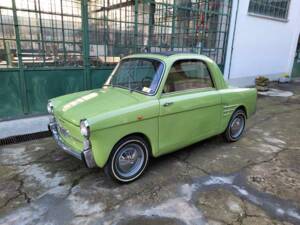
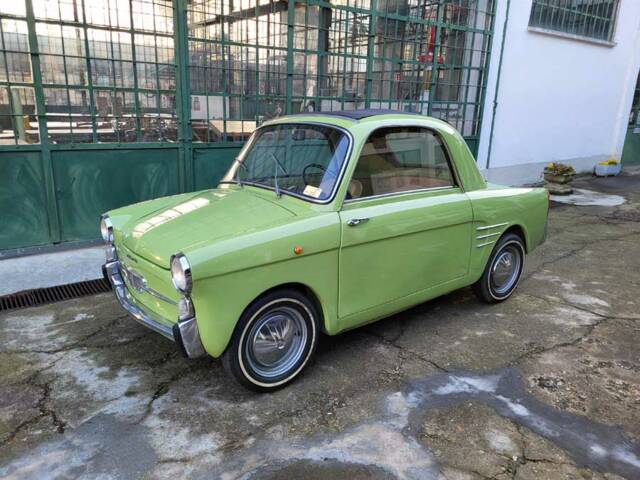
1961 | Autobianchi Bianchina Trasformabile
SUMMER PRICE 2026 @ CITY MOTORS

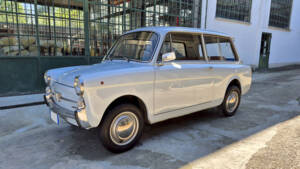
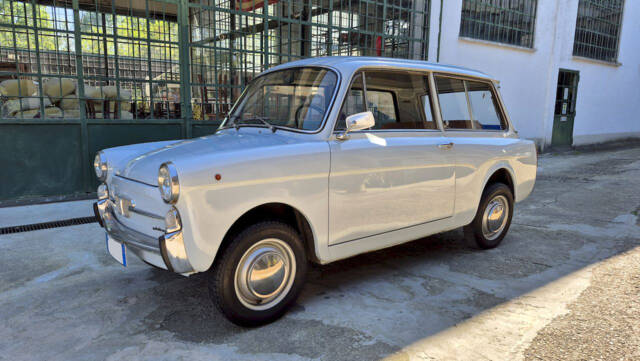
1969 | Autobianchi Bianchina Panoramica
SUMMER PRICE 2026 @ CITY MOTORS
Auctions ending soon

Loading…
Loading…
Loading…
Loading…
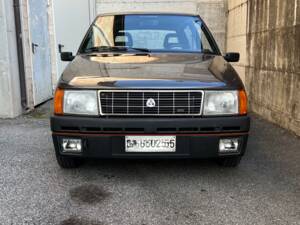
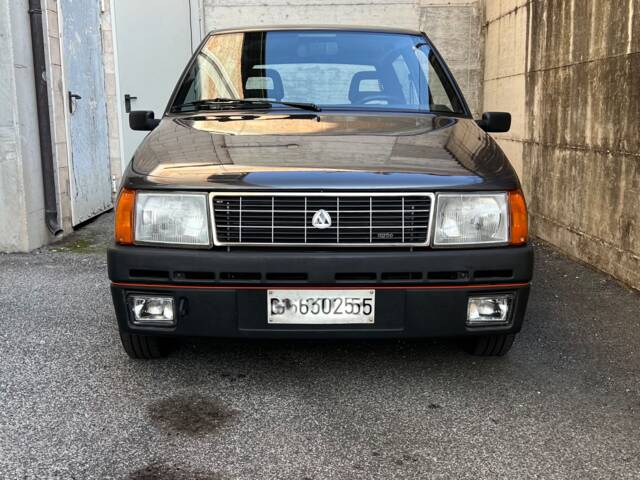
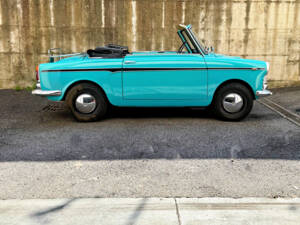
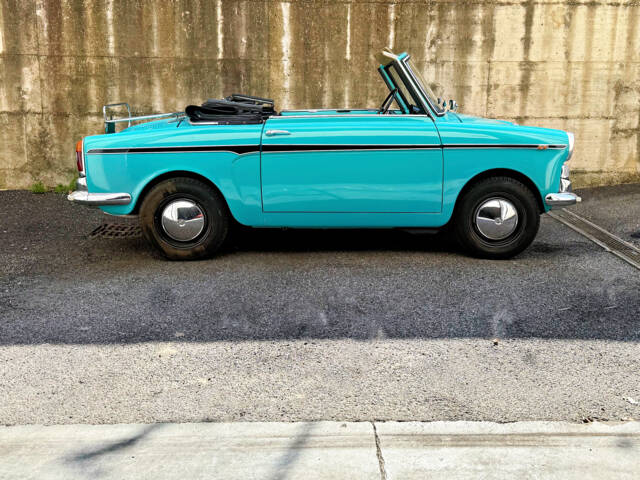
1961 | Autobianchi Bianchina Convertible
1961 II Serie
Newsletter
The best Autobianchi listings, straight to your inbox
Get hand-picked Autobianchi listings, plus the best of cars, motorbikes, and auctions on Classic Trader — all in one place.
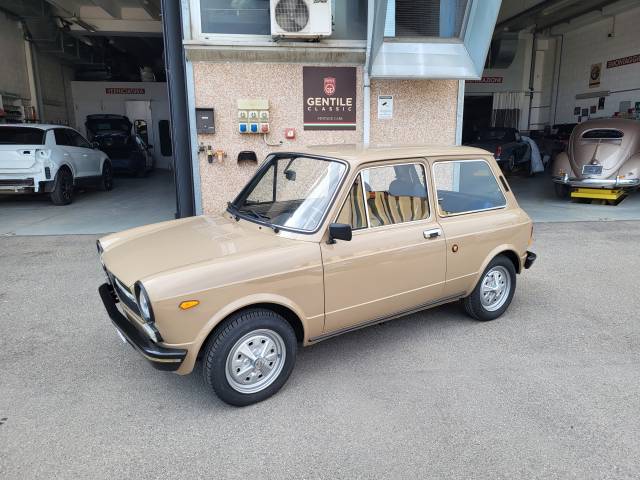
1973 | Autobianchi A112 Abarth
TUTTA ORIGINALE ! 58 CV RARISSIMA !
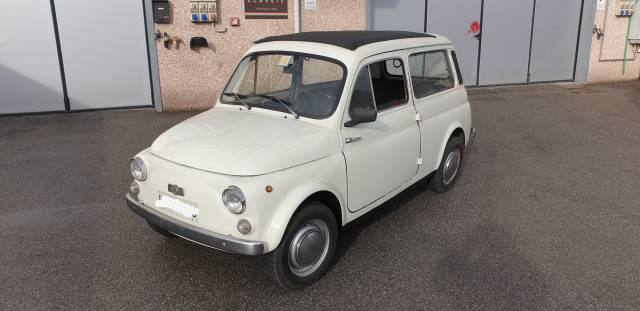
1976 | Autobianchi 500 Nuova Giardiniera
CONSERVATA TUTTA ORIGINALE!
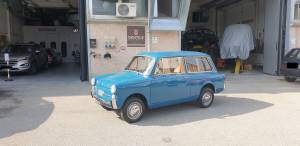
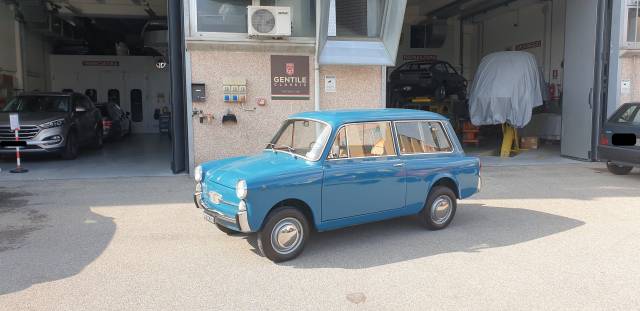
1968 | Autobianchi Bianchina Panoramica
AUTO ECCEZIONALE ORIGINALE CONSERVATA.
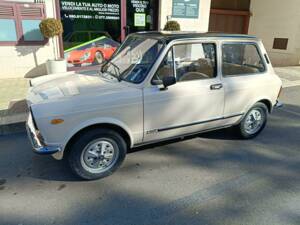
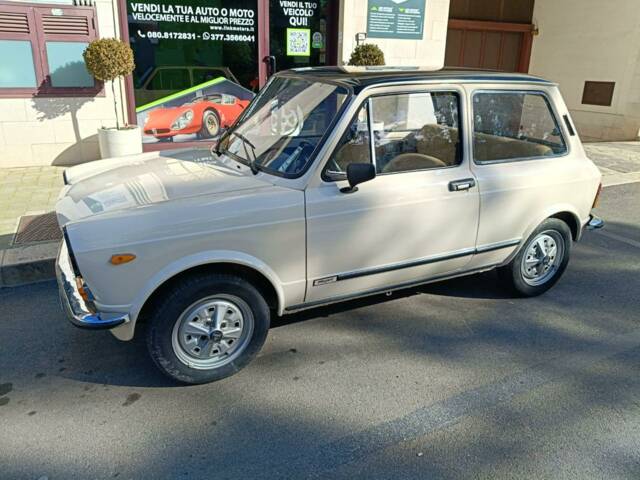
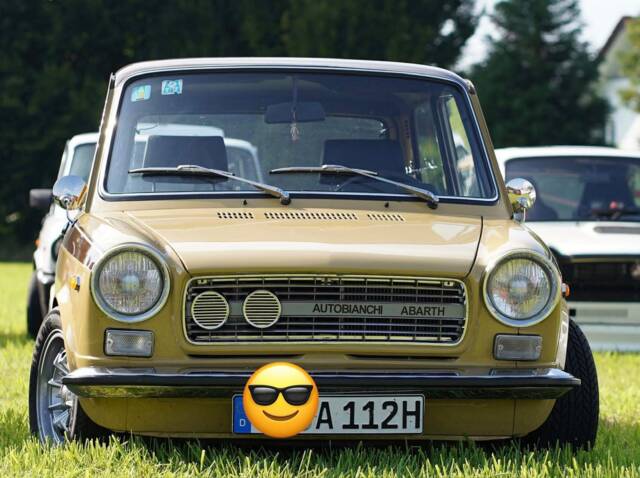
1973 | Autobianchi A112 Abarth
A112 Abarth Spotive

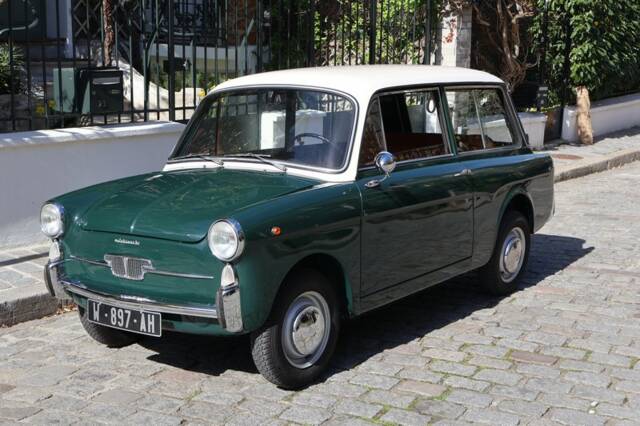
1967 | Autobianchi Bianchina Panoramica
Voiture complétement restaurée… !

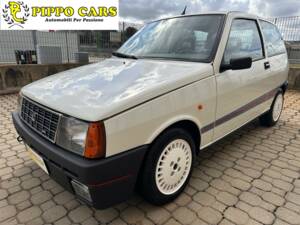
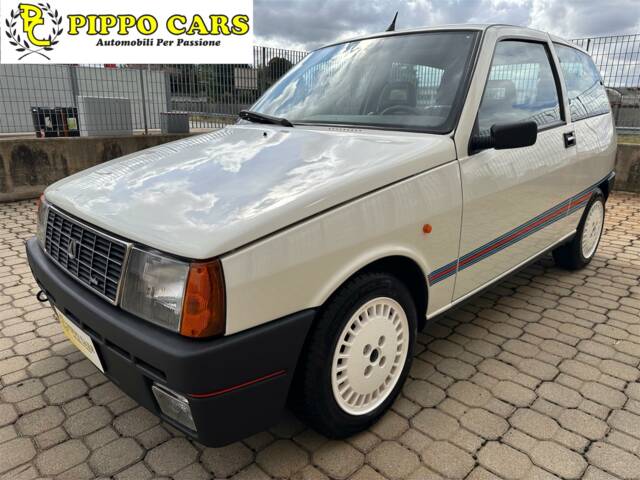
1987 | Autobianchi Y10 Turbo
AUTOBIANCHI Y10 TURBO MARTINI 1988 ONLY 6 ON THE WORLD
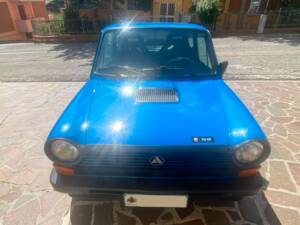
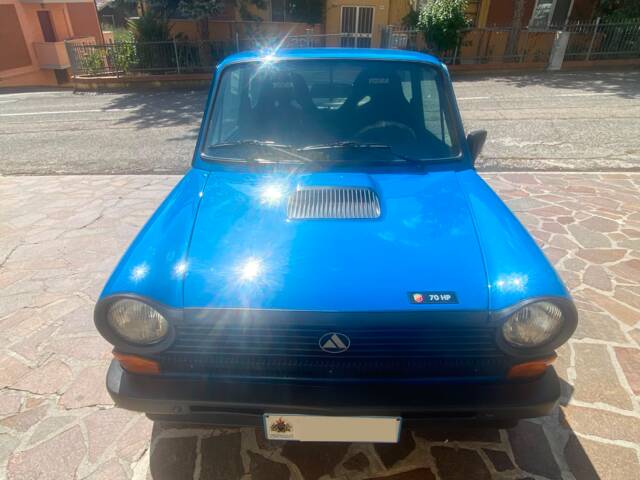
1980 | Autobianchi A112 Abarth
Autobianchi A112 Abarth 70 HP – 1980
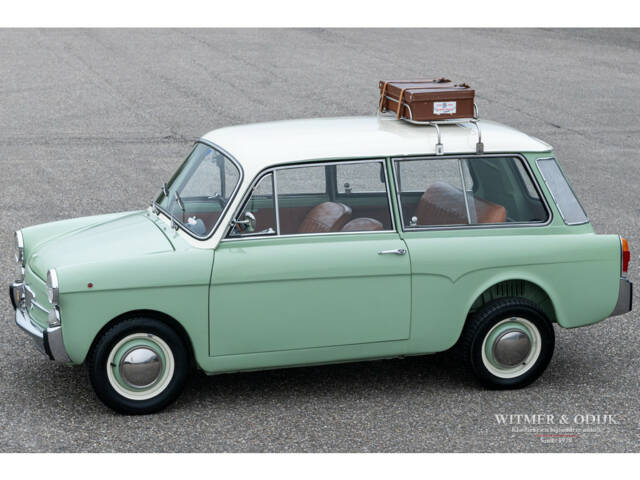

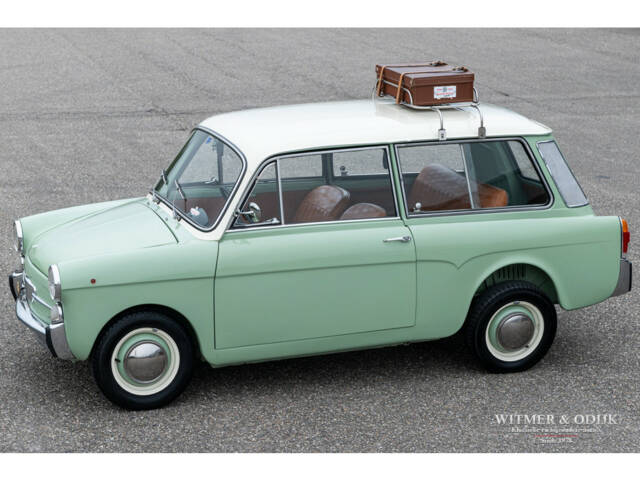
1969 | Autobianchi Bianchina Panoramica
Autobianchi Panoramica
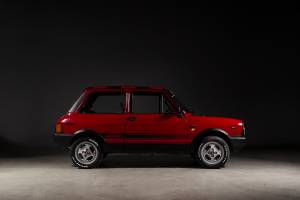
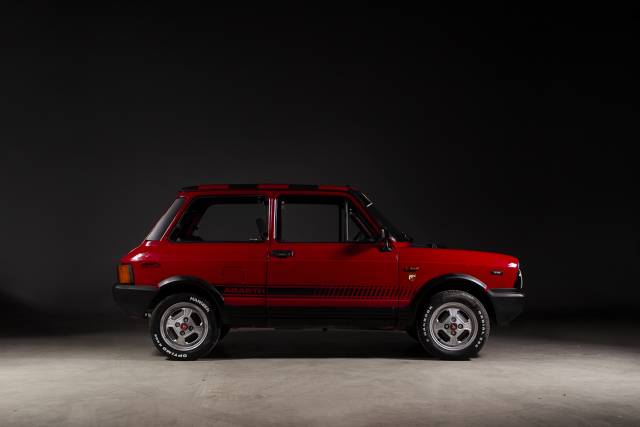
1984 | Autobianchi A112 Junior
AUTOBIANCHI A 112 B JUNIOR LOOK ABARTH FROM 1984

History of Autobianchi
Autobianchi was founded in 1955 as a joint venture between Bianchi, Pirelli, and Fiat, with roots dating back to Edoardo Bianchi’s 19th-century work in bicycles and luxury cars. After suffering severe losses during the Second World War, Bianchi joined forces with Fiat and Pirelli to revive automobile production in Italy. The Desio plant became Autobianchi’s hub, introducing small but refined vehicles that often served as testing grounds for concepts like fibreglass bodies and front-wheel drive before widespread Fiat adoption. By 1968, Autobianchi was fully integrated into Fiat Group, and its vehicles targeted drivers seeking more exclusive alternatives to mainstream city cars. The brand’s run officially ended in the 1990s as its models gradually shifted to Lancia branding.
Model Ranges and Development
Autobianchi’s first car, the Bianchina (1957), was based on modified Fiat 500 technology but featured its own refined and luxurious design. It was available in variations such as Trasformabile, Cabriolet, Berlina, Panoramica (station wagon), and Furgoncino (van), with updates through the years like suicide doors and increased engine displacement. The Primula (1964–1970) pioneered transverse-mounted engines and front-wheel drive in the Fiat group. The Stellina (1963–1965) stood out as Italy’s first fibreglass-bodied car. Later highlights include the A111 (larger family car) and the A112 (mini hatchback produced from 1969 to 1986), which became the brand’s longest-running and most beloved model. The Y10, introduced in 1985, marked the brand’s final independent stretch before being fully enveloped by Lancia.
Highlights and Special Features
Autobianchi models are well known for their innovative concepts, often acting as a technical test platform for Fiat. The Bianchina (especially the Cabriolet and Trasformabile) is cherished for its small size, refined design, and variety of body styles. The Primula broke ground as the group’s first front-wheel-drive car with a transverse-four engine layout, complemented by advanced features for its day like hydraulic disc brakes.
Technical Data
Special Editions and Collectible Models
Certain Autobianchi models stand out for their rarity and collector appeal. The Bianchina Cabriolet ranks as one of the world’s smallest convertibles. The Stellina is prized as Europe’s first mass-produced fibreglass sports car. The A112 Abarth models, especially those with 70 hp engines and 5-speed gearboxes, are popular for their energetic character and motorsport history. Low-production runs and export variants—such as French-market Bianchinas (Eden Roc, Lutèce, Texane) and the rare Giardiniera estate—are especially valued among enthusiasts.
Weak Spots and Common Issues
Corrosion is a significant concern for Autobianchi models, especially for steel-bodied Bianchinas and Primulas. Chassis rust can occur even on fibreglass-bodied Stellinas. Cabin materials on original cars are simple and prone to wear. Many Autobianchis require attention to the integrity of bodywork, electrical systems, and original mechanical components. However, parts supply for common engines (shared with Fiat) remains solid, and many vehicles benefit from specialist clubs and restoration networks.
Engine, Transmission and Handling
Autobianchis are known for nimble city handling, compact dimensions and surprisingly spirited engineering. The rear-engined Bianchina is agile but not fast, focusing on urban usability. The Primula, with front-wheel drive and a robust 60-hp engine, was a technical leap in the 1960s for small European families. The A112, particularly in Abarth configuration, excels with low weight and a rev-happy engine, making it favored in historic rallying scenes. Suspension setups, weight distribution, and tight gear ratios all promote sharp cornering and a playful drive. The Y10 continued the legacy into the 1990s, adding modern comfort to the equation. - Bianchina Cabriolet: 15–21 hp, four-speed manual, top for style among microcars.
- Primula 65C: Transverse 1.2L, 60 hp, front-wheel drive, disc brakes, 4-speed.
- A112 Abarth: 1050 cc, 70 hp, 5-speed, 0–100 km/h in around 12 sec, alloy wheels, sport interior.
Interior, Comfort, Exterior and Design
Autobianchi interiors were often finished in vinyl with simple, contrasting colours. Early Bianchinas and A112s featured minimalist Italian flair—classic round gauges, slim seats, and chrome touches. Special Cabriolet and Trasformabile versions showcased folding roofs and playful two-tone exteriors. The Primula introduced more upmarket trims, optional luxury touches and innovative layouts. The Stellina’s fibreglass body was a design revolution for its era. The Y10 offered upgraded amenities like electric windows, central locking, sunroof, and plush seats, especially in premium trims. Accessories like period-correct alloy wheels (Cromodora, Compomotive, Borrani), original roof racks, and rare badges further distinguish Autobianchi vehicles.
Other Noteworthy Features
Autobianchi models represent a unique piece of motoring history—many are registered as historic vehicles (Registro Storico Italiano, Automotoclub Storico Italiano) and retain their original Italian paperwork. Club scenes for Bianchina and A112 owners remain vibrant in Italy and abroad. Vehicles often feature in period films and automotive events, celebrated as symbols of Italian ingenuity and metropolitan life.
Summary
Autobianchi delivered some of the most technically curious and characterful small cars of the post-war era. Models like the Bianchina, Primula, Stellina, and especially the A112 remain sought-after for their innovative layouts, lively driving dynamics, and undeniable charm. Whether you’re after a micro convertible or a rally-bred hatchback, Autobianchi’s automotive experiments provide a fascinating and rewarding ownership experience steeped in Italian motoring culture.