- Car
- Aston Martin
- Aston Martin DB 3 (0 offers)
Aston Martin DB 3 classic cars for sale
The Aston Martin DB 3 stands as a rare piece in British motorsport history, purpose-built for competitive endurance racing in the early 1950s. Thanks to its motorsport roots and limited production, this model offers an unmistakable blend of exclusivity and racing pedigree.
Search results
Currently, there are no matching listings for your search.
Create search alert
Let yourself be notified as soon as a listing is published that matches your search filters.
Create listing
Do you have a Aston Martin DB 3 that you want to sell? Then create a listing now.
Create listingAston Martin DB 3 listing references from Classic Trader
Below you will find listings related to your search that are no longer available on Classic Trader. Use this information to gain insight into availability, value trends, and current pricing for a "Aston Martin DB 3" to make a more informed purchasing decision.
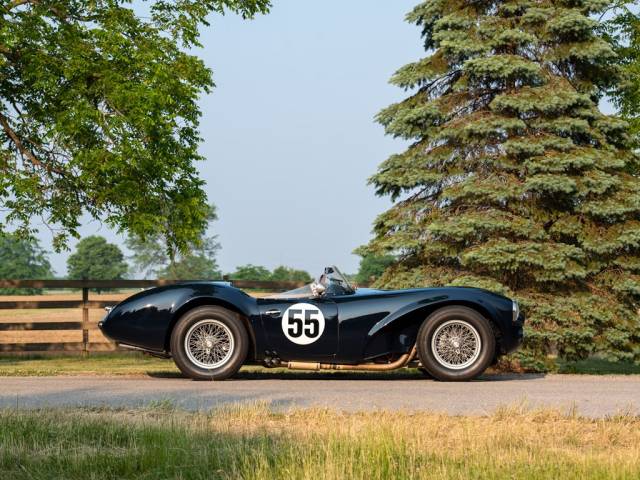
1956 | Aston Martin DB 3S
1956 Aston Martin DB3S Special
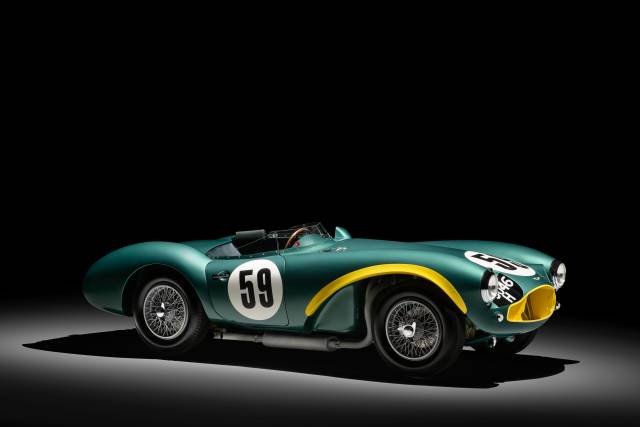
1953 | Aston Martin DB 3S
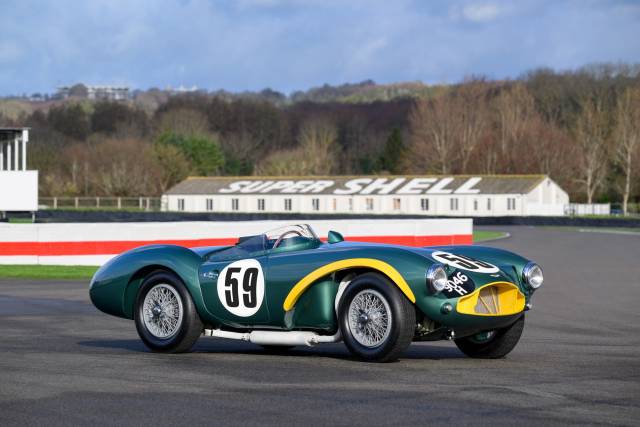
1953 | Aston Martin DB 3S
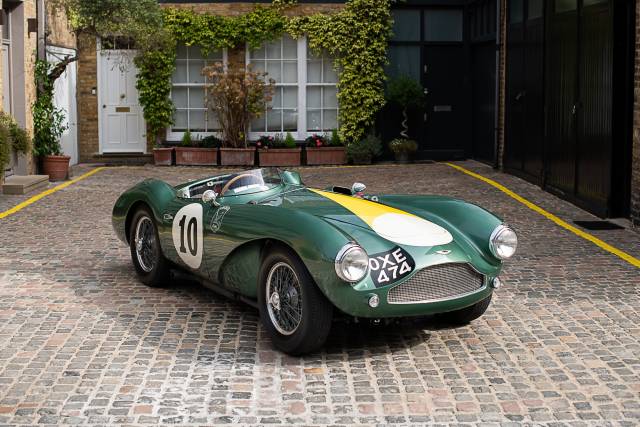
1955 | Aston Martin DB 3S
Create search alert
Let yourself be notified as soon as a listing is published that matches your search filters.
Create listing
Do you have a Aston Martin DB 3 that you want to sell? Then create a listing now.
Create listingAston Martin DB 3 Classic Cars: Prices & Market Values
History of the Aston Martin DB 3
Introduced in 1951, the Aston Martin DB 3 was the brand’s first car developed specifically for international sports car racing. Unlike previous models, which were adapted road cars, the DB 3 started with a clean-sheet design to contest iconic races such as Le Mans and the Mille Miglia. The car was the result of David Brown’s vision and the technical expertise of Aston Martin’s team, producing a sleek sports car that pushed the envelope for the marque in terms of chassis and powertrain development.
Model History of the DB 3 Series
The DB 3 marks a significant departure from the DB2, focusing squarely on performance and competitiveness. Its successor, the DB3S, would later refine the formula with lighter construction and improved handling, but it is the DB 3 that laid the groundwork for Aston Martin’s successes on the international stage. The model series is marked by very low production figures, making every surviving example a notable reference point in Aston Martin’s evolution.
Highlights of the Aston Martin DB 3
The DB 3 features a tubular chassis and custom-built straight-six engine, maximising weight distribution and structural rigidity for racing applications. Its period-correct racing bodywork, low overall production, and successful entries at major endurance races render it unique among both Aston Martins and early 1950s sports cars.
Technical Data
Special Editions and Collectible Models
The DB 3 was produced in extremely limited numbers, with each example playing a direct role in the marque’s racing lineage. Occasional chassis were factory-modified or upgraded for specific races, making some DB 3s more historically significant due to their provenance and recorded finish at events like Le Mans or Sebring.
Weak Spots and Common Issues
Due to its age and racing background, the DB 3 often requires thorough inspection of its chassis for fatigue or historical repairs. Originality is crucial for collectability; pay particular attention to drivetrain authenticity and the condition of suspension components. As with all high-value period racing cars, verifying matching numbers and racing history can dramatically affect value and confidence in long-term mechanical reliability.
Engine and Performance, Transmission and Handling
Powered by a high-compression straight-six, the DB 3 was engineered for endurance, combining long-legged performance with robust reliability. Its handling stood out thanks to advanced suspension geometry and weight distribution targeted for circuit work rather than road comfort. The gearbox, tailored for quick shifts and durability, complemented a driving experience focused entirely on motorsport. All Aston Martin DB 3s are highly regarded, especially those with notable race records or originality in key components, from engine and gearbox to period-correct bodywork.
Interior, Comfort, Exterior and Design
The DB 3’s design is purposeful, with an aluminium body crafted for aerodynamics and minimal weight. The spartan cockpit features lightweight bucket seats and racing gauges, while the exterior, designed with input from in-house engineers, blends British sports car elegance with the aggression demanded by international racing in the era. Many were delivered in traditional British Racing Green but can be found in various period-correct colours, depending on team and event. Original factory cars sometimes had minor bodywork and trim modifications according to racing needs.
Other Features
Many DB 3s today are noted for their race-proven provenance, and some have been restored with period-correct accessories or modifications that reflect their competition careers, such as additional instrumentation or retrofitted safety equipment, always with an eye toward historical accuracy.
Summary
The Aston Martin DB 3 embodies British motorsport ambition from the early 1950s. With its direct lineage to motor racing and extremely limited production, every example stands as a testament to the marque’s commitment to engineering and performance. Both in originality and provenance, the DB 3 remains a rare sight on the classic car market, appealing to connoisseurs with an appreciation for authentic historic competition vehicles.