Amilcar Pégase classic cars for sale
Produced in France from 1934 to 1937, the Amilcar Pégase occupies a distinct niche in the world of pre-war touring vehicles. Its 2150 cc and 2490 cc four-cylinder engines positioned it in the competitive mid-size segment of its era. Precise craftsmanship and engineering were at the heart of each Pégase, appealing to collectors who value authentic French design and technology from the 1930s.
Search results
Currently, there are no matching listings for your search.
Create search alert
Let yourself be notified as soon as a listing is published that matches your search filters.
Create listing
Do you have a Amilcar Pégase that you want to sell? Then create a listing now.
Create listingAmilcar Pégase listing references from Classic Trader
Below you will find listings related to your search that are no longer available on Classic Trader. Use this information to gain insight into availability, value trends, and current pricing for a "Amilcar Pégase" to make a more informed purchasing decision.
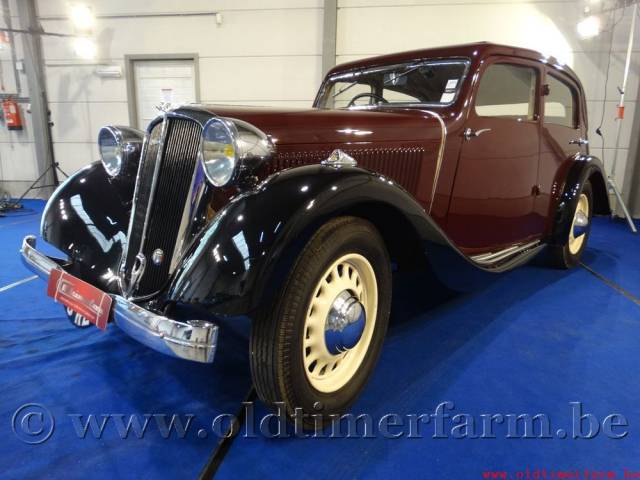
1935 | Amilcar Pégase
Beautifull Saloon
Create search alert
Let yourself be notified as soon as a listing is published that matches your search filters.
Create listing
Do you have a Amilcar Pégase that you want to sell? Then create a listing now.
Create listingAmilcar Pégase Classic Cars: Prices & Market Values
History of the Amilcar Pégase
Amilcar, a French automaker celebrated for nimble sports and touring cars, introduced the Pégase in 1934 as a contender in the mid-size market. Designed to capture drivers seeking both refinement and reliable performance, the Pégase fit squarely into the 12CV and 14CV tax classes. Its launch marked a strategic effort by Amilcar to broaden appeal beyond the rapidly evolving racing sector, aiming for a more family-oriented and comfort-focused clientele. The model's production lasted until 1937, coinciding with a challenging period for many independent French manufacturers, yet today the Pégase stands as a testament to Amilcar’s pursuit of engineering excellence during the waning years of its operations.
Model History
The Pégase succeeded earlier Amilcar models that built the brand’s reputation for lightweight, dynamic vehicles. Unlike its more spartan predecessors, the Pégase placed emphasis on comfort and versatility. Offered initially with a 2150 cc four-cylinder engine, the series was later expanded with a larger 2490 cc variant – both marking a technical advance over previous Amilcar units. The Pégase was one of the last entirely new models before Amilcar ceased operations in the late 1930s, so it represented both the final evolution of the brand’s engineering philosophy and the swansong of their independent production.
Highlights of the Amilcar Pégase
A hallmark of the Pégase was the availability of two distinct engine sizes: a 2150 cc (12CV) for balanced performance and a 2490 cc (14CV) for a more spirited drive, both designed for robust reliability and moderate running costs within their tax classes. Further unique to the series were its refined suspension geometry and elegant French bodywork, hallmarks of Amilcar’s approach to the grand touring concept. Notably, the Pégase offered buyers a blend of technical sophistication and comfortable motoring uncommon in its category during the 1930s.
Technical Data
Special Editions and Collectible Models
Documentation on specific factory special editions of the Amilcar Pégase is limited. However, collectors prize any surviving vehicles equipped with either the rarer 2490 cc engine or coachbuilt bodies, which occasionally featured custom details from renowned French ateliers. Such variants are particularly sought after for their enhanced performance or unique design elements.
Weak Spots and Common Issues
Information regarding typical weak spots and maintenance issues for the Pégase is scarce. As with many pre-war French cars, owners should pay close attention to the integrity of the braking components, suspension parts, and the condition of the engine’s internal bearings. Availability of original spare components can be a challenge, making preventative care and sourcing specialist knowledge an important aspect of ownership.
Engine and Performance, Transmission and Handling
The Pégase was conceived as a capable long-distance tourer, offering a balance between driving pleasure and practicality. Its 2150 cc and 2490 cc four-cylinder engines delivered solid, flexible torque – well matched to contemporary French road conditions. The manual transmission, combined with Amilcar’s advanced suspension for the period, provided secure and predictable handling, while its moderate kerb weight allowed for lively performance relative to peers from the mid-1930s. Most attention among enthusiasts is paid to the 2490 cc models, representing the high watermark of Amilcar’s technical development, while standard 2150 cc versions remain well-regarded for their usability and accessible maintenance.
Interior, Comfort, Exterior and Design
The Pégase exemplified French design principles of the 1930s, favouring understated elegance over excessive ornamentation. Exteriors often featured gently flowing fenders, streamlined grilles, and prominent coachbuilt details on certain luxury editions. Interiors incorporated quality materials, typically with leather seating, wood trim, and ergonomically arranged instrumentation – all tailored for comfort over longer journeys. Buyers could occasionally specify unique paint finishes or bespoke trim, especially when purchasing through a custom coachbuilder, adding to the series’ individuality.
Other Relevant Features
Beyond technical data and design, the Amilcar Pégase’s appeal is enhanced by its historical role as one of the brand’s last independent models. Occasional surviving examples may be fitted with period accessories such as custom luggage racks or rare body styles ordered through regional coachbuilders.
Summary
The Amilcar Pégase, manufactured from 1934 to 1937, stands as a compelling example of French mid-sized touring cars from the pre-war era. With reliable four-cylinder engines, elegant design, and a limited production run, it captures the essence of Amilcar’s craftsmanship in its final years. If you value automotive history and engineering rooted in the 1930s, the Pégase remains a captivating choice among classic French vehicles.