Alvis TB 14 Classic Cars for Sale
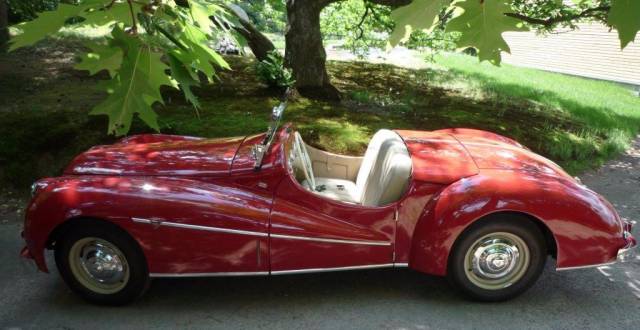
The Alvis TB 14, unveiled in 1948 and available only during 1950, represents one of the rarest British open-top sports cars of its era. This unique two-seater roadster, produced in collaboration with A P Metalcraft and based on TA 14 running gear, is a coveted choice for enthusiasts valuing limited-production post-war engineering.
Search results
Currently, there are no matching listings for your search.
Create search alert
Let yourself be notified as soon as a listing is published that matches your search filters.
Create listing
Do you have a Alvis TB 14 that you want to sell? Then create a listing now.
Create listingAlvis TB 14 listing references from Classic Trader
Below you will find listings related to your search that are no longer available on Classic Trader. Use this information to gain insight into availability, value trends, and current pricing for a "Alvis TB 14" to make a more informed purchasing decision.
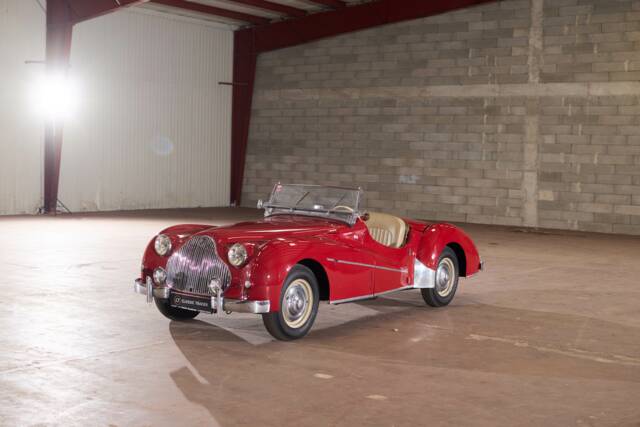
1950 | Alvis TB 14
1950 Alvis TB14 Special Sports Tourer, 1 of only 29, rare LHD version, documented history and concours awards

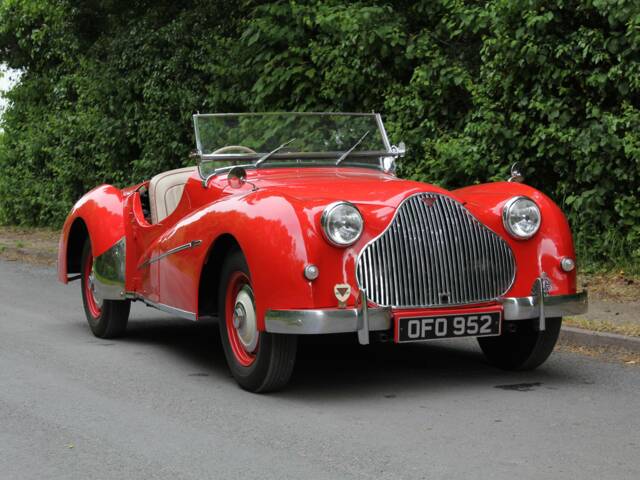
1950 | Alvis TB 14
1950 Alvis TB14 Sports Tourer

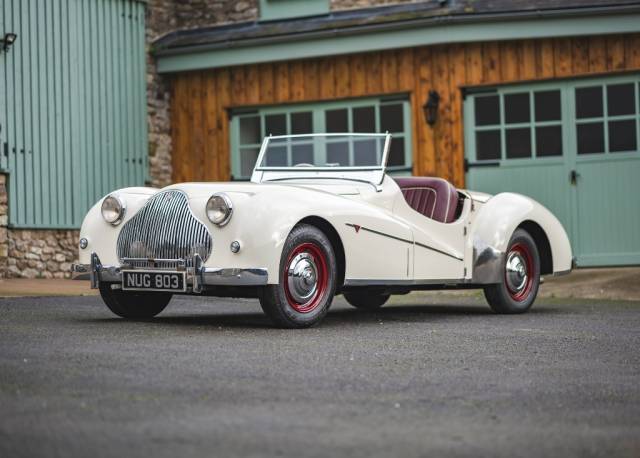
1950 | Alvis TB 14
Alvis TB14
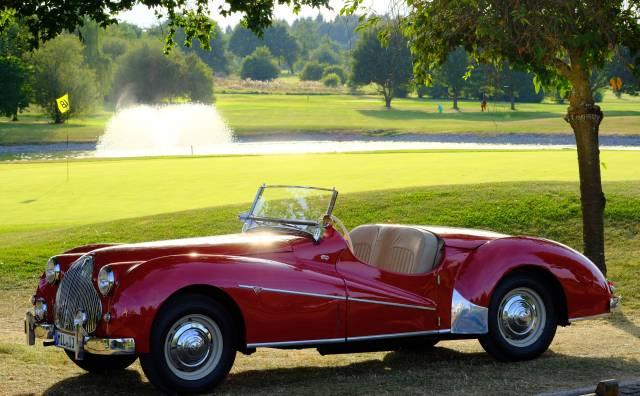
1950 | Alvis TB 14
Special Sport Tourer LHD

1949 | Alvis TB 14
Alvis TB14
Create search alert
Let yourself be notified as soon as a listing is published that matches your search filters.
Create listing
Do you have a Alvis TB 14 that you want to sell? Then create a listing now.
Create listingAlvis TB 14 Classic Cars: Prices & Market Values
History of the Alvis TB 14
The Alvis TB 14 made its debut at the 1948 Earls Court Motor Show, immediately attracting attention with its streamlined profile and sporting intent. Developed by Alvis in conjunction with coachbuilder A P Metalcraft, the TB 14 was intended to carry forward Alvis’s reputation for innovation in post-war Britain, using the robust underpinnings of the TA 14 saloon as its foundation. Due to the challenge posed by the more affordably-priced Jaguar XK120, Alvis kept production numbers low: only around 100 examples left the factory during its short run in 1950. The TB 14’s rarity cements its standing as one of the most infrequently seen Alvis models of the post-war period.
Model History
The TB 14’s roots can be traced back to the TA 14 saloon, inheriting the same chassis and much of the mechanical configuration. The direct predecessor is the TA 14, and the TB 14 itself has no direct successor, as Alvis’s lineup evolved away from open sports cars post-1950. The collaboration with A P Metalcraft reflected the period’s tradition of outsourcing specialist body styles. Production numbers never exceeded the initial goal of 100 vehicles, ensuring ongoing exclusivity and recognition among British classic sports cars.
Highlights and Unique Features of the Alvis TB 14
The TB 14 distinguished itself with an aerodynamic Alvis-designed body, created in small numbers for a targeted clientele keen on bespoke, hand-finished vehicles. Lightweight construction, streamlined design and a focus on post-war sporting values give it a unique character. The model is notable for its scarcity; fewer than 100 cars were built. According to current Classic Trader data, the TB 14 constitutes 100% of all Alvis models of this designation both in listings and in user interest. This underscores the model's status within the Alvis range: it is the only representative of its specific type presently in the market and attracts the entirety of search and viewing interest for Alvis vehicles of this code.
Technical Data
Special Editions and Collectible Models
The standard TB 14 bodywork came from A P Metalcraft and, due to low total production, each surviving car can today be considered a collectible in its own right. No official special editions were produced, but some vehicles might feature unique trims or customisation from original buyers or subsequent restorations, reflecting the coachbuilt nature of the series.
Weak Spots and Common Issues
Due to the absence of detailed weak spot reports in the current data, owners and buyers should focus on general areas typical for coachbuilt post-war British sports cars. These include potential issues with structural corrosion, particularly around bespoke bodywork mounting points, and general wear of components shared with the TA 14, such as suspension bushings and drivetrain elements. As with any limited-production classic, parts sourcing can prove challenging.
Engine and Performance, Transmission and Handling
Beneath the distinctive bodywork, the TB 14 employs the same 1.9-litre inline four-cylinder engine as the TA 14 saloon. Although output figures are not listed here, period sources describe adequate performance typical for late 1940s British roadsters, with an emphasis on smooth torque delivery and reliability. The combination of lighter roadster body and proven chassis provides responsive handling for its era, though it reflects the priorities of post-war sporting motoring—focused more on touring and style than outright speed. - Alvis TB 14: Standout for handcrafted aluminium body by A P Metalcraft, rarity, and exclusive post-war British sportscar flair.
Interior, Comfort, Exterior and Design
Design responsibility fell to A P Metalcraft, whose aluminium bodywork endowed the TB 14 with a sleek, streamlined appearance and unique front grille configurations—hallmarks of British coachbuilding from the period. Alloy construction not only reduced weight but also allowed for sharper contours and a distinctive presence. The minimalist two-seater cockpit features traditional British sporting cues: simple instruments, leather-trimmed seats, and minimal adornment. Period colours and trim variation were dependent on the specification of the initial buyer or seen during restorations. Accessories such as bespoke tonneau covers, retrofitted radios, and period-correct badging often enhance remaining examples today.
Other Noteworthy Features
Every TB 14 constructed differs subtly in details due to its coachbuilt origins and the small production batch, making provenance and individual history especially significant among surviving examples.
Summary
With only around 100 examples ever made, the Alvis TB 14 occupies a distinctive niche as a rare post-war British roadster. Its coachbuilt aluminium body by A P Metalcraft and basis in dependable TA 14 mechanics combine exclusivity with traditional Alvis quality. Present-day market data shows that all Alvis TB 14 interest is concentrated solely on this model, reflecting not just rarity but also focused demand from enthusiasts and collectors seeking unique open-top motoring from the 1950s.