Toyota Corolla classic cars for sale
The Toyota Corolla stands as a benchmark for robust engineering and daily usability, with over 50 million units sold worldwide across twelve generations. Available as saloon, estate and liftback, the Corolla impresses with its durable mechanics and accessible parts supply, making it a firm choice for classic car enthusiasts who value reliability and straightforward engineering.
Search results
Currently, there are no matching listings for your search.
Create search alert
Let yourself be notified as soon as a listing is published that matches your search filters.
Create listing
Do you have a Toyota Corolla that you want to sell? Then create a listing now.
Create listingToyota Corolla listing references from Classic Trader
Below you will find listings related to your search that are no longer available on Classic Trader. Use this information to gain insight into availability, value trends, and current pricing for a "Toyota Corolla" to make a more informed purchasing decision.
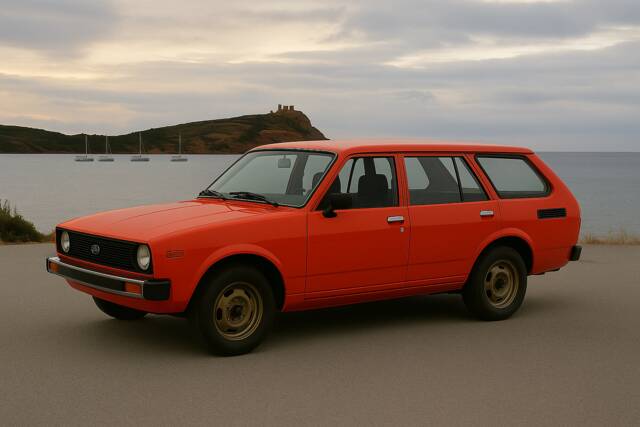
1976 | Toyota Corolla 1200
1976 Toyota Corolla Station Wagon – Rare Early Model | Factory-Spec Restoration Base

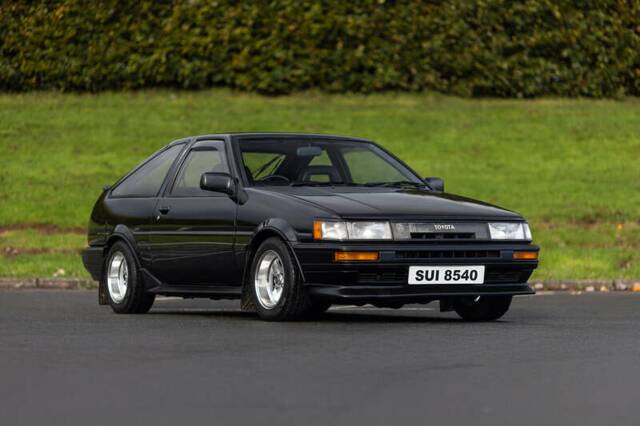
1986 | Toyota Corolla Liftback
1986 Toyota Corolla AE86 Twin Cam - Fully Restored

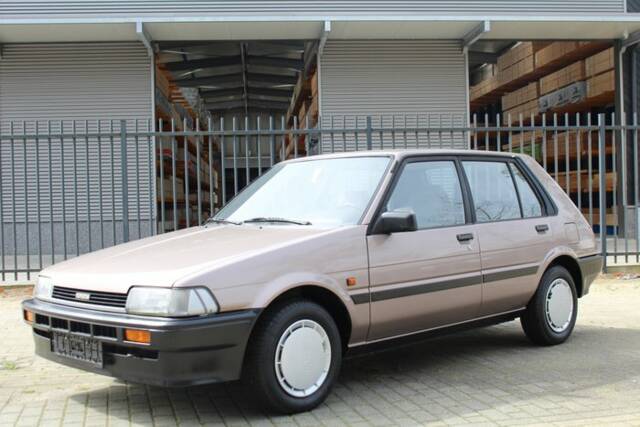
1985 | Toyota Corolla Compact
Toyota - Corolla 1.3 GL - 49.000 km - 1985

1985 | Toyota Corolla
Toyota - Corolla 1.3 GL - 49.000 km - 1985
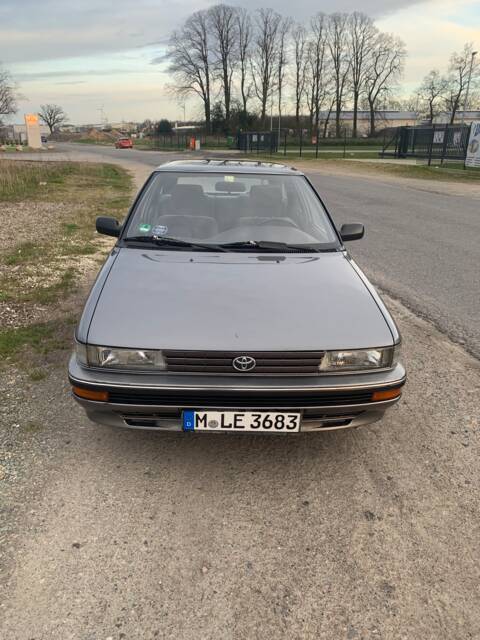
1991 | Toyota Corolla Liftback
Toyota Corolla Liftback 1.6 GLi

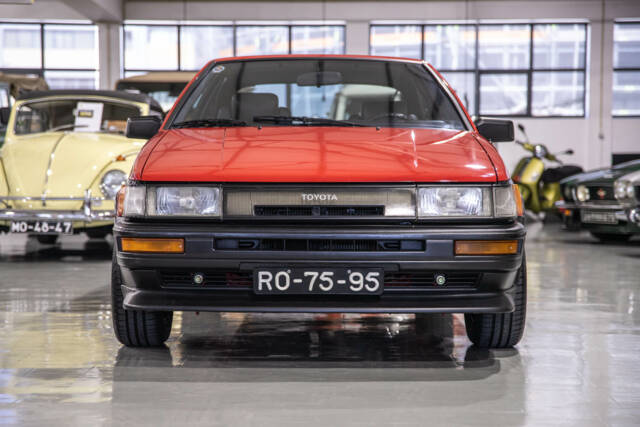
1986 | Toyota Corolla GT
Twin Cam 16 AE86

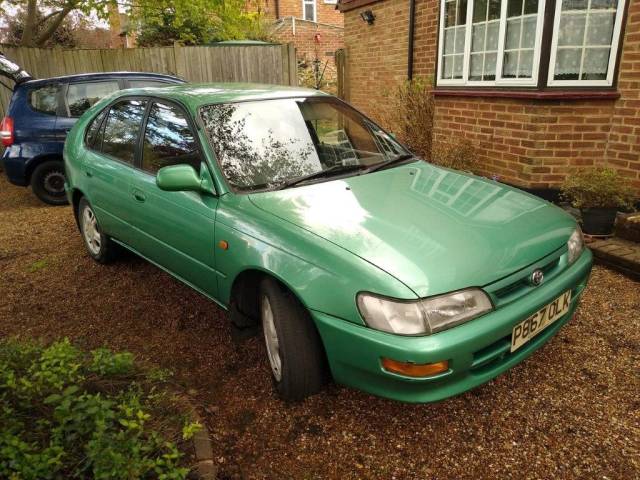
1997 | Toyota Corolla Compact
Smooth, refined ride 16 valve EFi
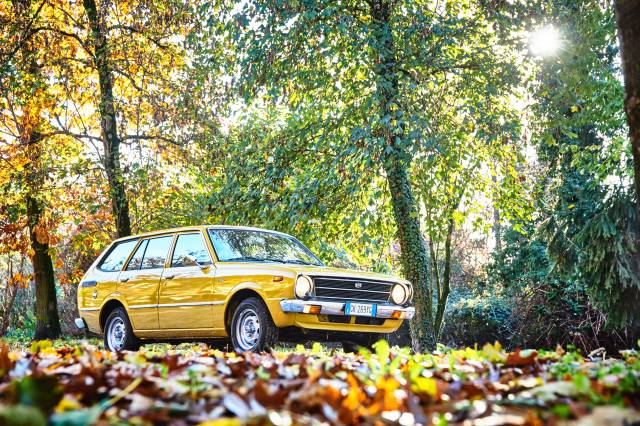
1978 | Toyota Corolla 1200
Toyota Corolla KE36 DeLuxe Wagon - First paint - 92000 documented kms

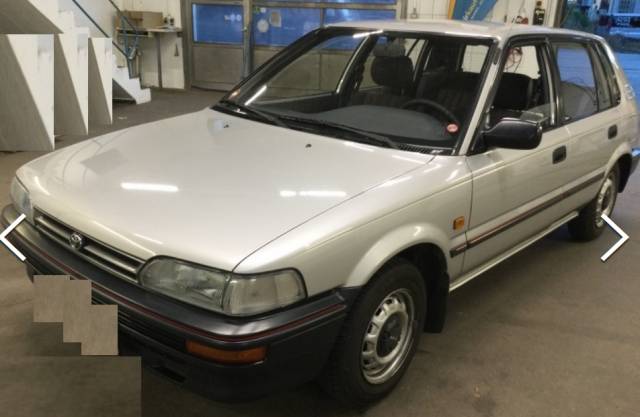
1992 | Toyota Corolla
1.Hd; nur 69 tkm; sehr selten
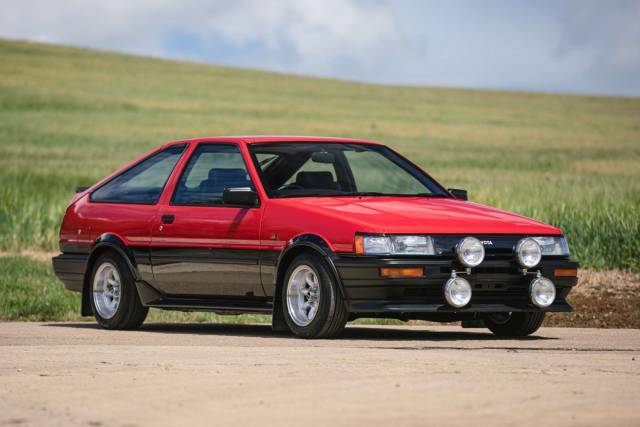
1987 | Toyota Corolla GT
1987 Toyota Corolla AE86 Twin-Cam
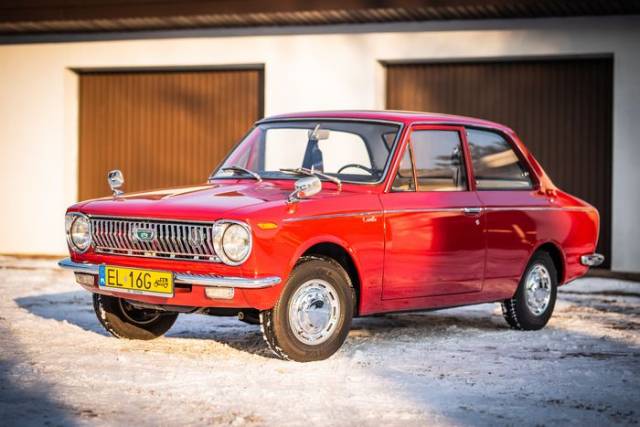
1968 | Toyota Corolla
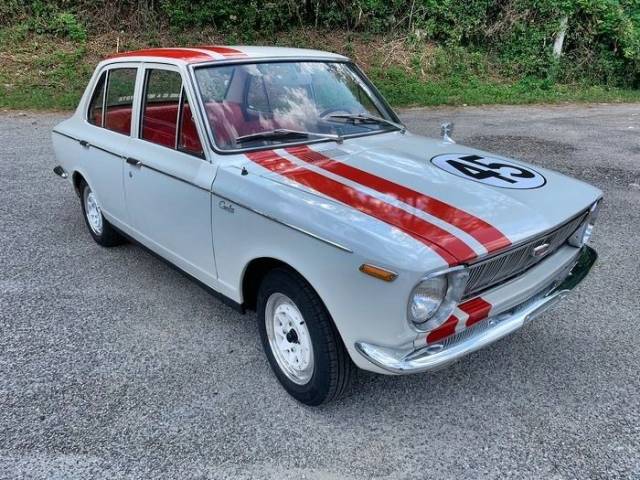
1967 | Toyota Corolla
Create search alert
Let yourself be notified as soon as a listing is published that matches your search filters.
Create listing
Do you have a Toyota Corolla that you want to sell? Then create a listing now.
Create listingToyota Corolla Classic Cars: Prices & Market Values
History and introduction of the Toyota Corolla
Launched in November 1966, the Toyota Corolla has been the cornerstone of Toyota’s entry into the compact class. Initially available as a two-door saloon, with estate and four-door versions following, the Corolla quickly established Toyota’s reputation for dependable, affordable vehicles. The first Corolla’s 1,077 cc inline-four engine set the standard for practicality and efficiency, an ethos carried through each successive generation. Noteworthy is the model’s role in transforming Toyota’s global image from a domestic player to a respected manufacturer in the international market. ‘Corolla’ — derived from the word for a flower’s outer ring — signals both compactness and attention to design detail. The marketing campaign, featuring the “My Toyota is fantastic” slogan, became synonymous with everyday trustworthiness for decades.
Model history
The Corolla’s lineage showcases an evolutionary approach: early generations (KE10, KE20, KE30) featured rear-wheel drive, OHV engines, and compact proportions, suited to crowded city environments. The third generation (from 1974) introduced estate bodies such as the KE36, combining practicality and space. By the fifth generation (E80, 1983 onwards), Toyota moved to front-wheel drive—a significant technical shift that kept the car competitive in global markets. Although the Corolla name was replaced by the Auris for certain European markets in 2007, the Corolla Verso MPV continued as a niche seven-seater until 2009. Later revivals saw the Corolla return to the market, benefitting from technological upgrades and efficiency improvements.
Highlights of the Toyota Corolla
Few cars match the Corolla for sheer numbers: by 2021, over 50 million units had been produced worldwide. In classic car circles, the early E10, E70, and the sportier EA85/86 codes each represent 17.9% of supply listings on Classic Trader, with the E70 particularly sought after, representing 29% of total search demand among Corollas. The broad spectrum of body styles—saloon, liftback, estate—caters for nearly every classic enthusiast’s preference, while mechanical durability is praised in every owner community.
Technical data
Special Editions and Collectible Models
The Corolla platform spawned numerous variants and special editions. Early DeLuxe models added upgraded trim and features, while the Liftback and Wagon versions expanded utility. The sportier Sprinter and AE86 (EA85/86) coupes, favoured by driving enthusiasts, became culturally significant and highly collectible. Production runs for certain versions were smaller, making original condition examples from early generations especially rare on today’s roads.
Engine and Performance, Transmission and Handling
Corolla models of classic vintage offer predictably smooth and predictable performance. Most feature overhead-valve inline-four engines with simple, robust mechanics, delivering between 40 and 68 PS depending on displacement and era. Later BA-series and 2.2-litre diesel engines in the Verso achieved as much as 177 PS. Manual gearboxes are standard throughout most models, praised for their crisp action and longevity. Handling characteristics are typical of the era: early rear-wheel-drive versions offer precise steering with lightweight feel, while leaf-sprung rear axles—particularly on estate models—prioritise utility over outright comfort. The transition to front-wheel drive on E80 and later models brought quieter, more stable driving, particularly ideal for daily urban commutes. Fuel efficiency is a strong point: later examples regularly achieve 7 l/100 km combined. Safety improved progressively, thanks to better seatbelts and dashboard design. Towing capacity of up to 1,300 kg (braked, later models) hints at the model’s practicality.
Popular Models:
- E10 (first generation): Rear-wheel drive, 40-68 PS engines, now rare in original spec.
- E70 (fourth generation): Versatile body styles, prominent among supply and demand stats.
- EA85/86 (AE86): Highly desired by driving enthusiasts, renowned for balanced handling and lively motors. undefined
Interior, Comfort, Exterior and Design
Early Corolla interiors are defined by their functional simplicity—fabric seats, minimal distractions and practical instruments. Materials prioritise resilience over luxury, with straightforward dashboards and robust controls. External design adhered to clear lines, compact overhangs and straightforward ornamentation, reflecting Japanese trends of the time. Later series adopt slightly increased dimensions (e.g. 428 x 171 x 148 cm for saloons), reflecting increased focus on safety and passenger comfort. Accessories like full-size spare wheels, factory tool kits and durable upholstery are standard. Noteworthy are rare colour codes and deluxe trims on early DeLuxe or Sprinter variants, sometimes featuring special wheel trims or interior finishes. Key safety features in later classics include 3-point seat belts and energy-absorbing dashboards.
Other features and additional details
With strong parts and archival documentation support, restoration and maintenance of classic Corollas is straightforward, aided by comprehensive spare parts availability. Many vehicles on the market still include their original toolkit, jack, and complete accompanying documentation—a rarity among the segment. Their suitability as H-registered (historic plate) classics is well-documented, and FIVA classification is often achievable. Estate versions are particularly versatile, offering a maximum payload of around 400 kg.
Summary
The Toyota Corolla stands as a testament to reliable engineering, diverse body styles and straightforward maintenance. Early kei-sized and saloon models, estate variants and later performance offshoots like the AE86 cater to a wide spectrum of classic car fans. Their mechanics are known for their longevity and the availability of parts and documentation makes ownership remarkably hassle-free. Corollas combine day-to-day usability with classic appeal, especially as earlier models in original condition become increasingly scarce.