Toyota Celica classic cars for sale
The Toyota Celica, produced from 1970 to 2006, stands for Japanese engineering meets sportscar flair. Across seven generations, liftback, coupé, and convertible versions delighted enthusiasts with robust four-cylinder engines, rear- and front-wheel drive designs, and distinct design lines that evolved through the decades.
Search results
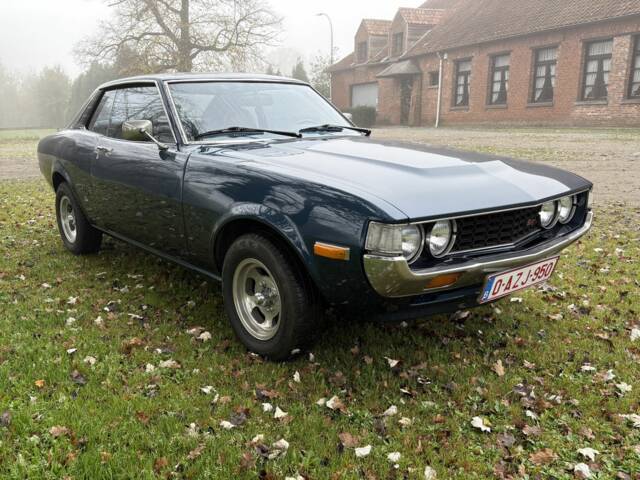
1977 | Toyota Celica ST
Toyota Celica | 1977 | Route 66 Auctions - For sale by auction. Estimate 13500 EUR

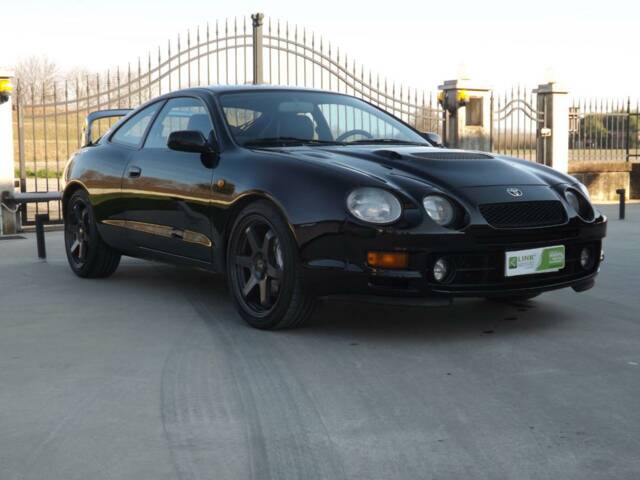

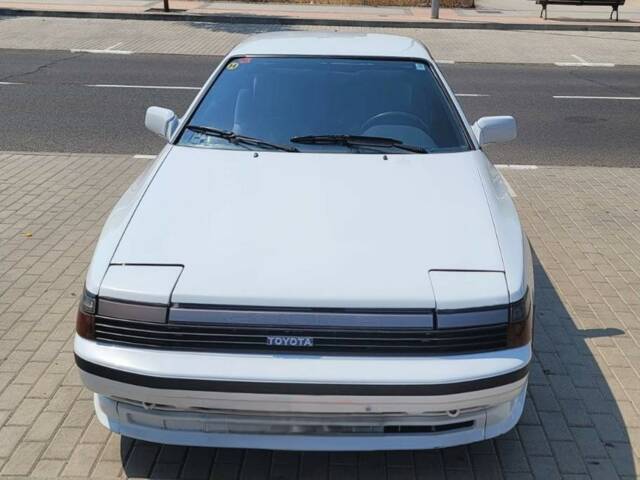
1989 | Toyota Celica 2.0 GTi
Toyota Celica 2.0 GT-i 16V | 1989 | Route 66 Auctions - For sale by auction. Estimate 4500 EUR
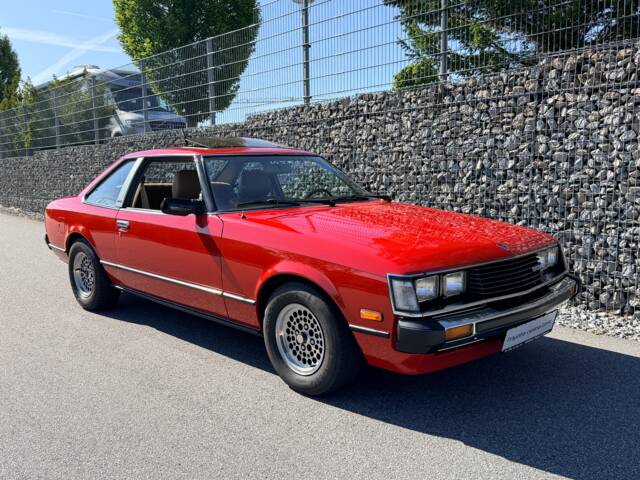
1981 | Toyota Celica 1.6
Coupé mit 75PS - Zeitkapsel

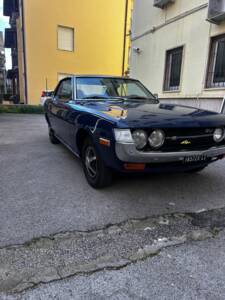
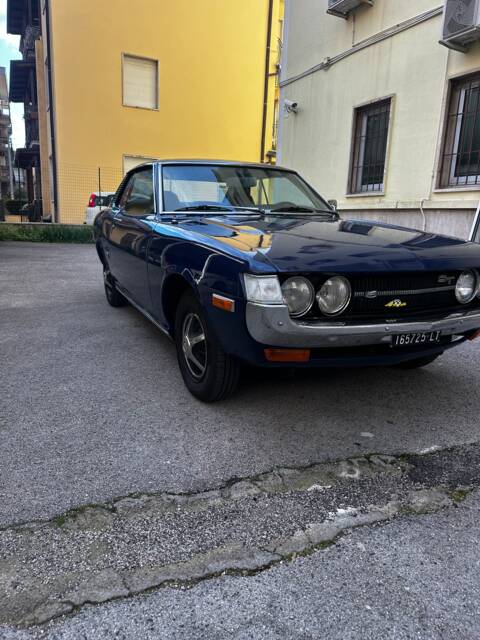
1976 | Toyota Celica ST
very rare
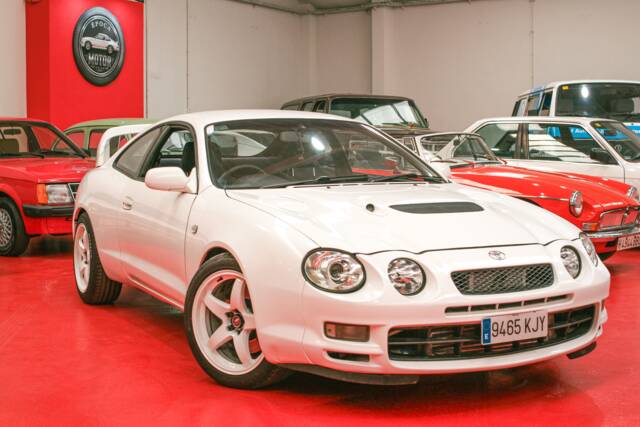
1997 | Toyota Celica GT-Four
Celica Gt Four

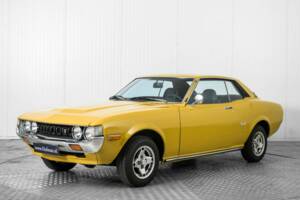
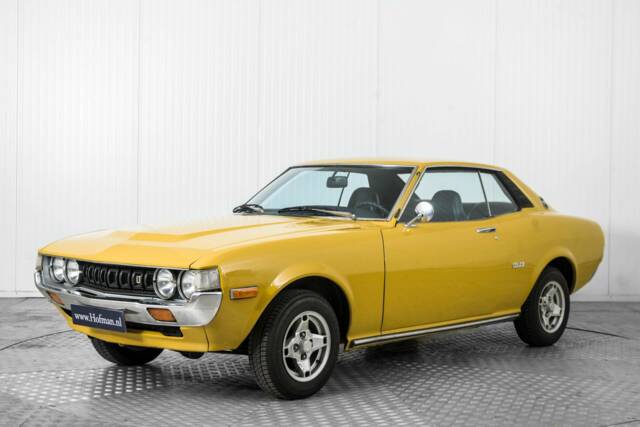
1976 | Toyota Celica LT
Toyota Celica 1.6 LT
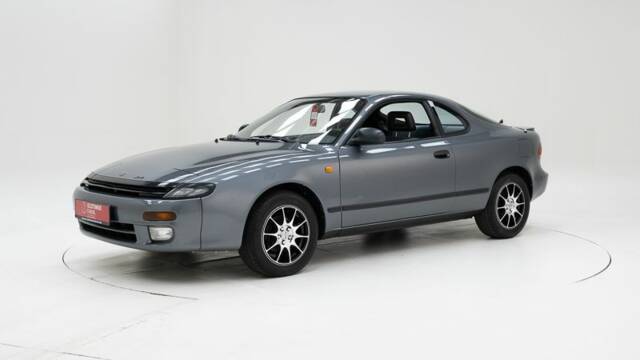
1994 | Toyota Celica 1.6
1994 Toyota Celica '94

Toyota Celica listing references from Classic Trader
Below you will find listings related to your search that are no longer available on Classic Trader. Use this information to gain insight into availability, value trends, and current pricing for a "Toyota Celica" to make a more informed purchasing decision.
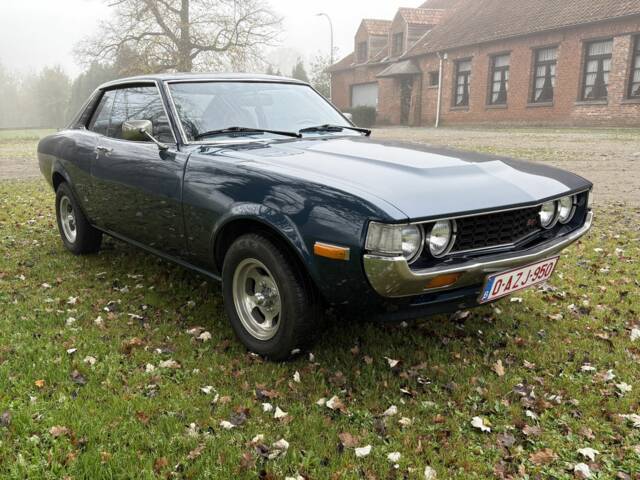
1977 | Toyota Celica Liftback
Toyota Celica | 1977 | Route 66 Auctions - For sale by auction. Estimate 13500 EUR
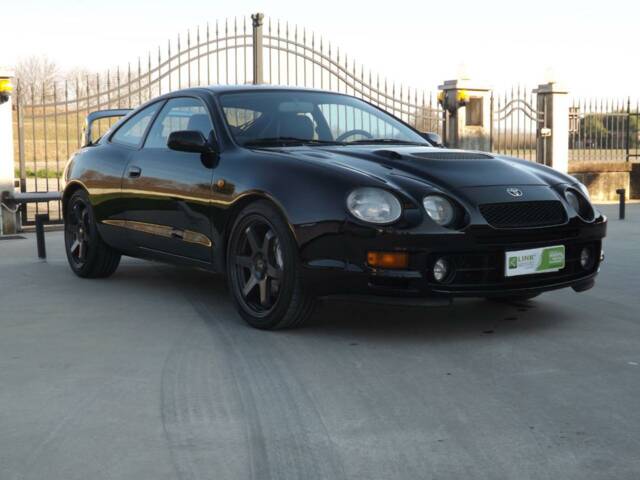
1996 | Toyota Celica GT-Four
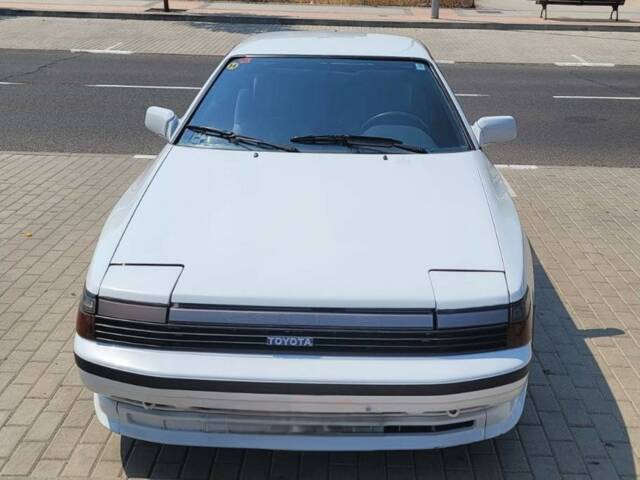
1989 | Toyota Celica Turbo
Toyota Celica 2.0 GT-i 16V | 1989 | Route 66 Auctions - For sale by auction. Estimate 4500 EUR
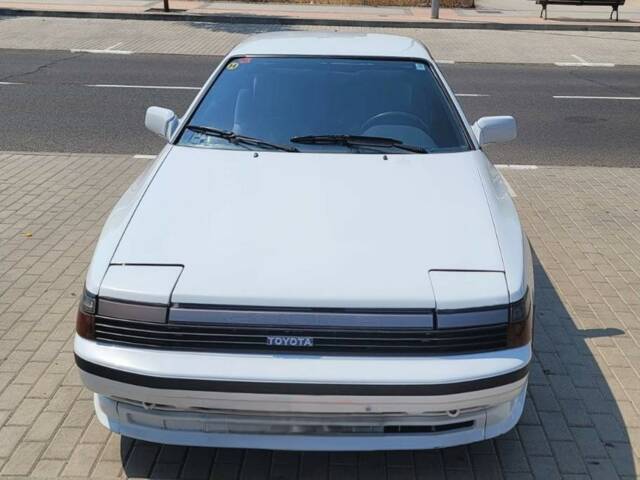
1989 | Toyota Celica
Toyota Celica 2.0 GT-i 16V | 1989 | Route 66 Auctions - For sale by auction. Estimate 5500 EUR
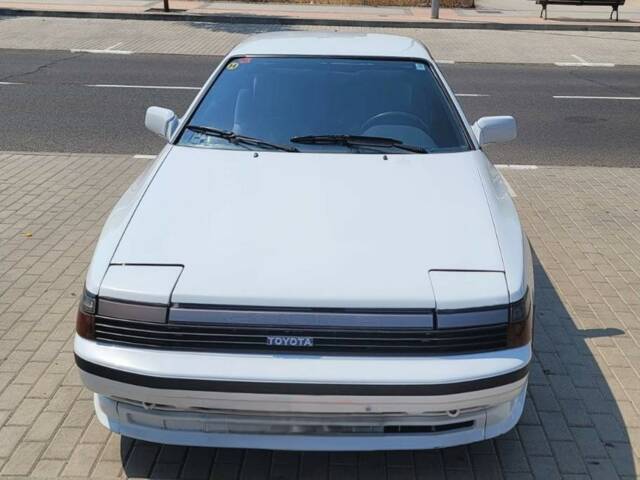
1989 | Toyota Celica 2.0i GT Liftback
Toyota Celica 2.0 GT-i 16V | 1989 | Route 66 Auctions - For sale by auction. Estimate 5500 EUR
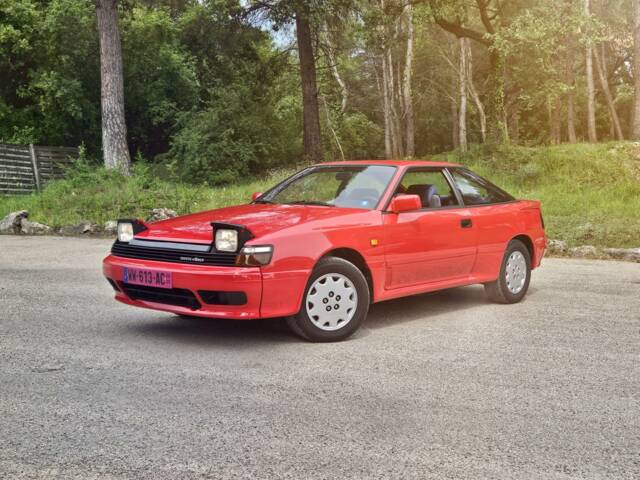
1988 | Toyota Celica Turbo 4WD
Toyota Celica GT-Four ST165 – 1988 – 84,120 km – Exceptional Original Example

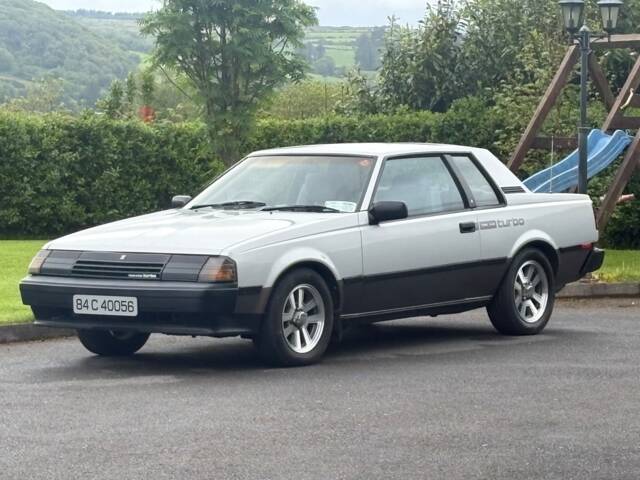
1984 | Toyota Celica 1800 GT-TR
Rare celica turbo TA63

Toyota Celica Classic Cars: Prices & Market Values
The market value of Toyota Celica classic cars is primarily determined by the specific manufacturer code and variant, as well as technical condition, originality and mileage. Additional factors include rarity, history and documentation. A well-maintained, largely original vehicle with low, verifiable mileage and complete history including appraisals and documentation typically achieves significantly higher prices than a comparable vehicle with deferred maintenance, many modifications or unclear provenance.
Toyota Celica: Market Prices & Value Trends
Based on Classic Trader marketplace sales data from January 2021 to December 2025, the Toyota Celica market in Europe looks broadly stable overall, with a clear premium for homologation and rally-bred variants. Most “everyday” Celicas (notably late-1990s to mid-2000s 1.8 models) cluster in the lower end of the market, typically around €7,000–€19,000 depending on condition, mileage and originality. In contrast, the turbocharged four-wheel-drive cars — especially the early-1990s Celica Turbo 4WD / GT-Four and Carlos Sainz editions — regularly sit in the mid-range, most commonly around €23,000–€35,000, with Italian and Benelux ads featuring heavily in the dataset. A small number of top-end, specialist or motorsport-themed examples appear far above this (including rare “Rallye Gruppe 4” style offerings), but these should be treated as outliers rather than the baseline. For buyers, this means solid cars remain accessible, while the most collectible 1990–1995 GT-Four variants are holding firm thanks to scarcity, provenance and period WRC appeal.
History of the Toyota Celica
The Toyota Celica first appeared in 1970 and set out to offer a more affordable alternative to traditional sports coupés. Named after the Latin 'coelica' for celestial, the Celica was developed exclusively for Toyota's Corolla Store dealerships in Japan. Early models were heavily inspired by the then-popular muscle cars but featured efficient, rev-happy four-cylinder engines and more compact proportions. Every Celica generation brought technical progress, from the early rear-wheel-drive platforms to the introduction of front-wheel and all-wheel-drive in later versions. Its engineering and design drew from siblings like the Toyota Carina, helping establish the Celica as a gene pool for later icons like the Supra.
Model history
Spanning seven generations, the Celica lineup began with the TA22 (1971 in Germany), followed by multiple iterations including the TA23, RA28 (with 2.0L engines), and the facelifted 1976 models. The early years saw liftback and coupé body styles, with power output ranging from 86 to 107 PS (TA22 ST/LT/GT). The late 70s and early 80s introduced the TA4, TA6, and the T16 and T18 generations, gradually moving from rear-wheel drive to front-wheel drive. In the 1990s, signature design cues like quad round headlights and options for turbocharged, all-wheel-drive GT-Four editions reflected Toyota's motorsports ambition. The final T23 generation (from 1999) retained its dynamic profile but featured advanced 1.8L VVT-i engines. Notably, the Celica was a direct predecessor and inspiration for the legendary Toyota Supra, with technical innovations shared between these platforms.
Highlights of the Toyota Celica
Numerous Celica models made waves thanks to their engineering partnerships with Yamaha—especially regarding cylinder head and valvetrain design. The line included a variety of engine types: 1.6L, 1.8L, and 2.0L, naturally-aspirated and turbocharged (such as the 3SGTE, used in rally GT-Four versions). Sports features like double carburettors and 16V DOHC units assured strong performance and high-revving characteristics. Notable is also the robust chassis, resilient drivetrain, and attention to aerodynamic forms, with design and color codes specific to certain model years—such as Super White 040 and Turquoise Blue Metallic. As per our supply statistics, the most frequently listed Celica variants are the T18 (27.2% of Celica listings) and T23 (25.3%), while demand figures show that unspecific Celica searches (i.e., not generation-specific) command over 50% of Toyota viewing traffic, with T18 at 22.4%.
Technical data
Special Editions and Collectible Models
Highly sought after are Celica GT-Four derivatives (ST185, ST205), built as homologation specials for World Rally Championship competition—especially the limited Carlos Sainz Edition/GT-Four RC featuring water-cooled intercoolers and upgraded suspension. Early liftbacks were sometimes dubbed the 'Japanese Mustang' for their styling. Cabriolets by specialists or factory-offered, Targa-style roof sections, and rare color codes further set specific examples apart. Rare European editions and low-production rally specials also command attention from collectors.
Weak Spots and Common Issues
Classic Celicas, especially early generations, show commendable rust resistance compared to European rivals, but problem areas include underbody and wheel arches. Fabric wear on seats (especially in ST162 generation), and increased difficulty sourcing original trim and spare parts for older variants should be expected. Robustness of engine and drivetrain is a hallmark, but check for signs of deferred maintenance. Matching numbers (engine and chassis) is a point for collectors. Documentation, including full service history, is valuable for preservation and value.
Engine and Performance, Transmission and Handling
Celicas are known for their keen engines—four-cylinder units developed with Yamaha input, ranging from smooth, eager 1.6L to potent turbocharged 2.0L. Most models offer sharp, sporting handling, with early models delivering rear-wheel-drive agility and later ones offering FWD simplicity. The GT-Four all-wheel-drive, turbocharged versions bridge road and rally, with up to 242 PS (ST205). Manual gearboxes complement the dynamic drive, with some later models also equipped with six-speed transmissions. Suspension designs evolved for more poise; disc brakes and power steering become standard in later editions. Most notable: GT-Four (ST185, ST205), T18 and T23 for their availability and versatility, T16 for fans of 1980s Japanese sportscars. Each offers nuanced dynamics, from lightweight rear-wheel drive to all-wheel drive turbocharged rally cars.
Interior, Comfort, Exterior and Design
Design highlights reflect evolving eras: the crisp lines and muscle-car cues of the 1970s, through the aerodynamic, wedge-shaped 1980s silhouettes, to the athletically sculpted forms of the T23. Some generations offered pop-up headlights ('sleepy eyes'), rare in the Japanese coupe segment, and dedicated liftback rear hatches. Interiors ranged from Spartan 70s dashboards with deeply set gauges to 90s-era velour, digital-analogue instrument mixes, and increasingly plush trimmings. Customisation options included rare color codes, velour, vinyl or leather seating, wooden trims, and Clarion-branded audio. Accessories like period alloy wheels, targa roofs, and even heated and electric seats feature in later years.
Other relevant features
The Celica line has a storied motorsports past, particularly as the backbone for Toyota’s World Rally Championship campaigns with the GT-Four rally cars. Reliable performance, durability, and advanced technical features tailored for homologation made selected Celicas especially prized among motorsport aficionados. Documentation and complete provenance are especially regarded among collectors.
Summary
With its blend of reliable Japanese engineering, dynamic performance, and sports coupe charm, the Toyota Celica covers a spectrum from 1970s classics to 1990s rally-born hot hatches. Its broad selection of body styles and trim levels, supported by a history of technical innovation and motorsport success, keeps it a relevant choice for enthusiasts seeking a usable classic with lasting value. Most Celica markets today see the T18 and T23 as the most available models, while high-demand GT-Four variants anchor the upper end of desirability.