Riley 15/6 classic car buying
The Riley 15/6 combines the distinctive British streamline design of the 1930s with innovative engineering, such as the DOHC engine and preselector gearbox. With its rare six-light saloon body, elegant fastback lines, and proven sporting credentials, the 15/6 stands out as a remarkable representative of pre-war automotive craftsmanship.
Resultados de la búsqueda
Auctions ending soon

Loading…
Loading…
Loading…
Loading…
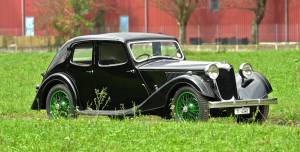
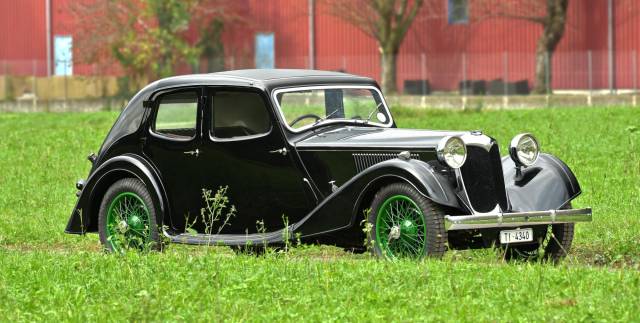
Riley 15/6 listing references from Classic Trader
Below you will find listings related to your search that are no longer available on Classic Trader. Use this information to gain insight into availability, value trends, and current pricing for a "Riley 15/6" to make a more informed purchasing decision.
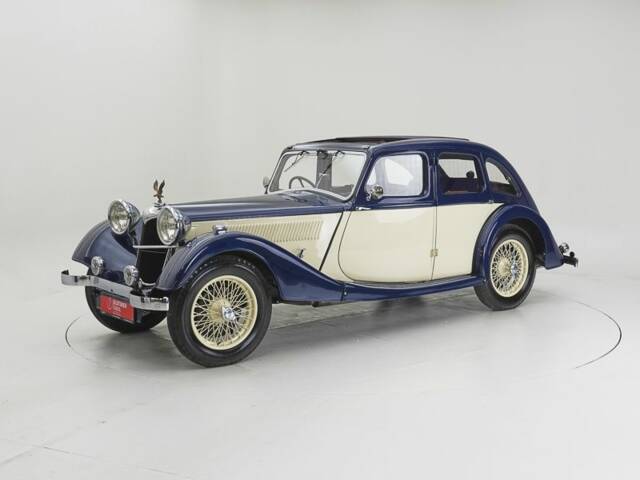
1936 | Riley 15/6 Kestrel
1936 Riley 12/4 Kestrel '36
History of the Riley 15/6
The Riley 15/6 occupies a special place in British motoring history. Introduced in the late 1930s, it offered stylistic and mechanical innovation at a time when many saloons were still rooted in conservative engineering. Built as a touring saloon with sporting aspirations, the 15/6 quickly attracted attention for its blend of performance and comfort. Notably, this model clinched victory at the 1935 R.A.C. Tourist Trophy, bolstering Riley’s reputation for combining durability, advanced technology and racing pedigree in a single package.
Model History: Evolution within the 15/6 Series
Mechanically, the Kestrel-bodied 15/6 was rooted in the Riley 12/4, but Riley marketed it as a new, more refined model. The six-light saloon form, with three windows per side, set a distinctive profile that became influential for subsequent Riley saloons. The body remained largely unchanged over its approximate three-year production, with small details evolving—such as windscreen wiper positioning and a shift from bonnet louvres to a chrome-louvred grille on the 1938 models. Production figures suggest between 1300 and 1500 units were built, across various chassis types (notably S26K, 27K, and 28K).
Highlights and Unique Features of the Riley 15/6
The 15/6 impresses with its flowing aerodynamic lines—a rarity among its contemporaries—and its distinct Kestrel six-light saloon bodywork, which delivers both style and spaciousness. Technical standouts include the double overhead camshaft (DOHC) engine paired with a preselector gearbox, reflecting Riley's engineering ambition. The car’s low-slung stance, raked grille, and pronounced fastback roofline create a sporty presence. Sunroof and sliding front roof were available, enhancing driving enjoyment.
Technical Data
Special Editions and Motorsport Variants
A subset of 15/6 models were factory-built to higher-performance specification, often identifiable by the 'SS' code in the chassis number. These refer to the “TT” (Tourist Trophy) variants, inspired by the car's sporting success at the R.A.C. Tourist Trophy. These versions were more powerful and aimed at buyers seeking enhanced dynamic capability and motorsport credentials.
Weak Spots and Common Issues
Specific recurring issues for the Riley 15/6 are not identified here. As with most pre-war vehicles, attention should be paid to the condition of mechanical components, especially the engine’s valvetrain and the preselector gearbox, which both require specialist servicing for optimal performance. Bodywork, particularly timber framing and streamlined fenders, should be inspected for rot or accident repairs.
Engine, Transmission and Handling
The Riley 15/6 is driven by a spirited 1.5-litre six-cylinder DOHC engine, giving lively performance well above average for late 1930s saloons. The preselector gearbox ensures rapid and smooth gear changes when properly set up. Roadholding is aided by a low-slung chassis and the car’s balanced weight distribution, with the Kestrel variant noted for its poise and agility despite the luxury-oriented specification. Amongst the chassis codes, the S26K (500–550 units), 27K (375–400 units) and 28K (180–200 units) are recognised, as well as TT/SS special models tuned for sporting results and featuring in period races.
Interior, Comfort, Exterior and Design
The design of the 15/6’s six-light Kestrel saloon body marks an early example of British streamline style, with swooping, curved wings, fluid waistline and a pronounced fastback profile. The car sits low on its chassis, with a sharply inclined grille aiding its dynamic perception. Inside, a luxury atmosphere prevails, with materials and finish reflecting the car's upmarket positioning. Accessories such as a sunroof and front sliding roof were available, augmenting passenger comfort and allowing for open-air motoring. Later versions saw tweaks like the introduction of a vertical chrome grille and subtle changes in paint and trim to keep the design fresh across its production run.
Other Features
The Riley 15/6 was offered as a touring saloon capable of spirited performance on long journeys, making it suitable for both leisurely drives and brisk touring. A practical yet elegant body design, combined with comfort-focused options, made it stand out among pre-war British saloons.
Summary
The Riley 15/6 exemplifies the peak of pre-war British engineering and design, blending a technologically advanced DOHC engine, refined chassis, and an aerodynamically inspired six-light saloon body. With its proven motorsport roots, strong individuality, and rare production numbers, the 15/6 is a standout choice for classic car enthusiasts seeking a unique mix of innovation, style, and authentic 1930s British motoring experience.