Morgan 4/4 Classic Cars for Sale
The Morgan 4/4 stands out as the marque’s first four-wheeled, four-cylinder sports car, produced almost continuously from 1936 to 2018. Its handcrafted construction, lightweight chassis and unique blend of tradition and driving engagement have defined Morgan’s philosophy for over eight decades.
Search results
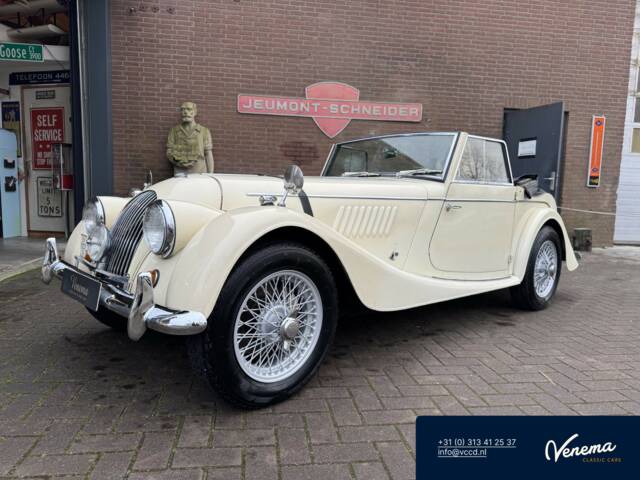
1967 | Morgan 4/4 Series V
Morgan 4+4 Series V

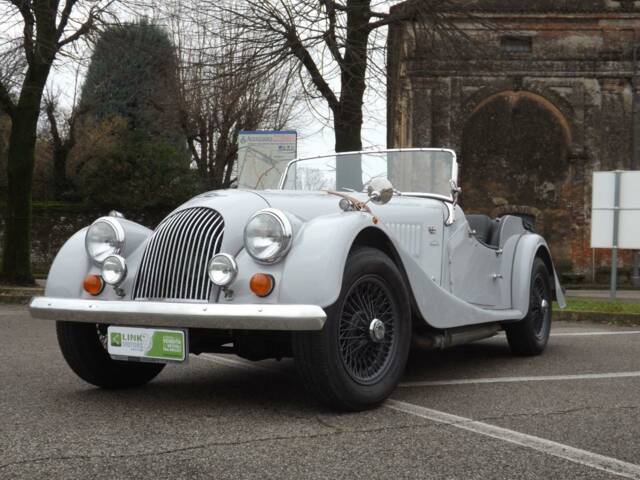


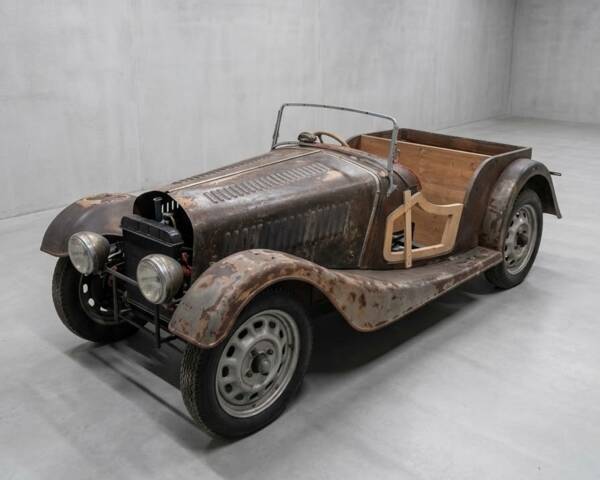

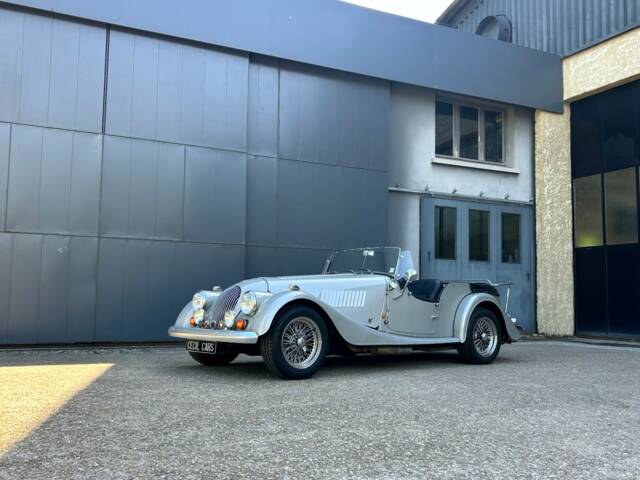
1987 | Morgan 4/4 1600
Morgan 4/4 Tourer

Newsletter
The best Morgan listings, straight to your inbox
Get hand-picked Morgan listings, plus the best of cars, motorbikes, and auctions on Classic Trader — all in one place.

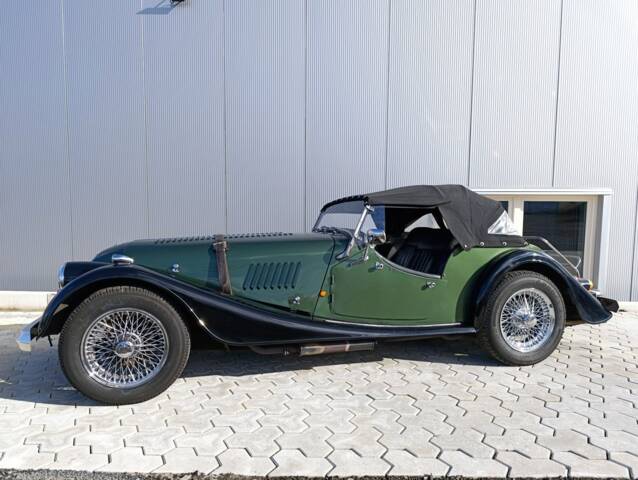
1989 | Morgan 4/4 1600
Morgan 4/4 1600ccm Roadster

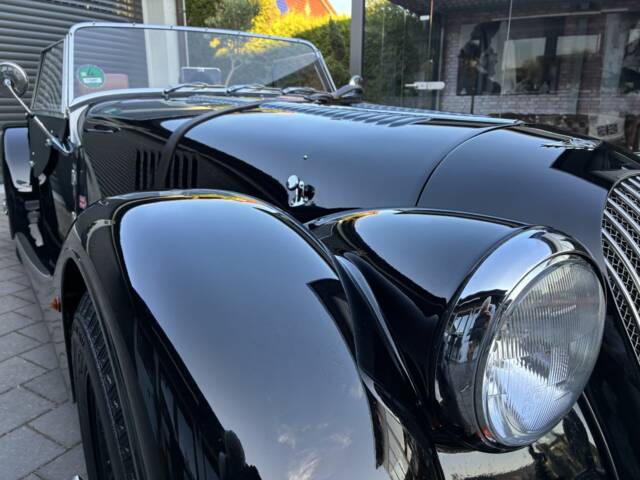
2010 | Morgan 4/4 1600
Morgan 4/4 Competition 1.8 Limited Anniversary Edition 100 Years Anniversary-aluminium body
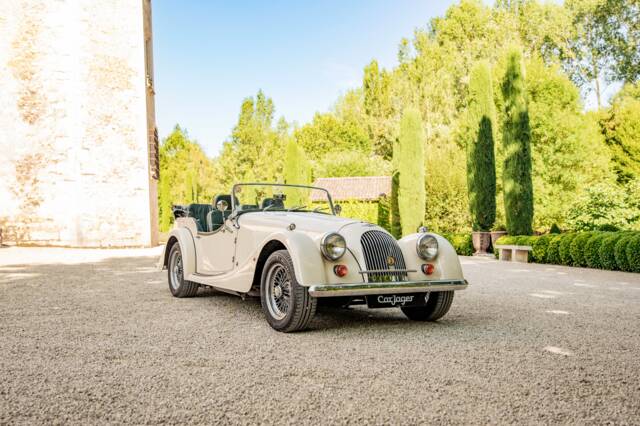
2001 | Morgan 4/4 1800
Morgan 4/4 Tourer - Origine France - 2ème main - Garantie
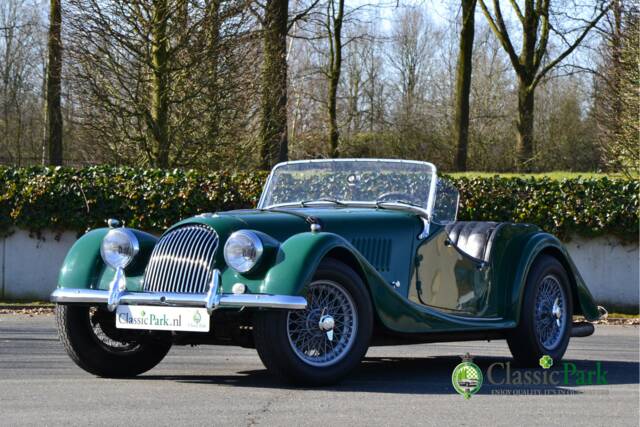
1962 | Morgan 4/4 Series IV
Morgan 4/4
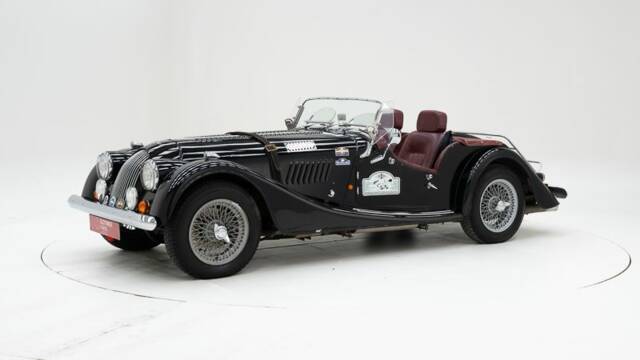
1995 | Morgan 4/4 1800
1995 Morgan 4/4 1800 '95

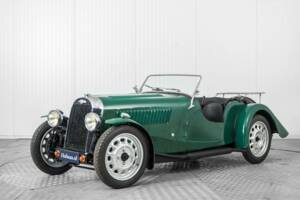
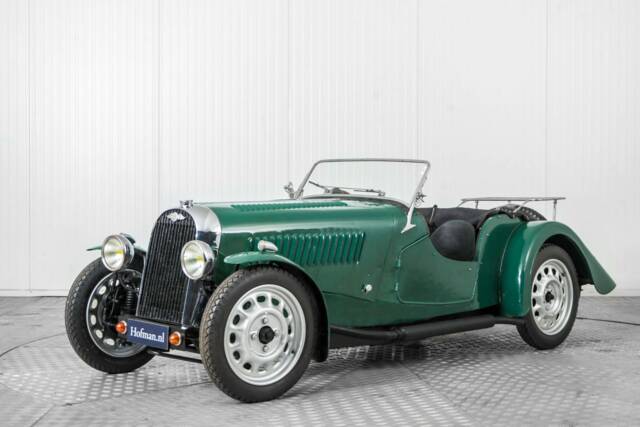
1949 | Morgan 4/4 Series I Special
Morgan 4/4
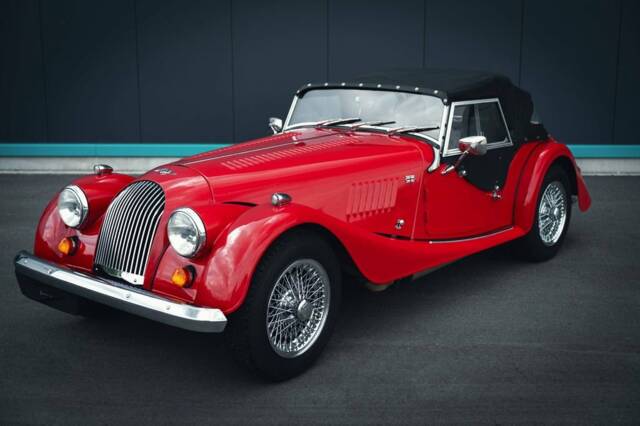
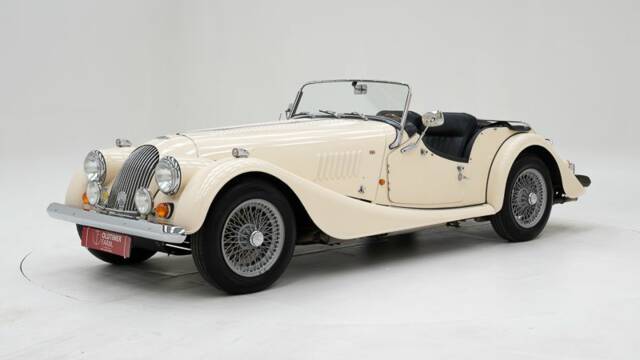
1995 | Morgan 4/4 1800
1995 Morgan 4-4 1800 EFI '95
Morgan 4/4 listing references from Classic Trader
Below you will find listings related to your search that are no longer available on Classic Trader. Use this information to gain insight into availability, value trends, and current pricing for a "Morgan 4/4" to make a more informed purchasing decision.
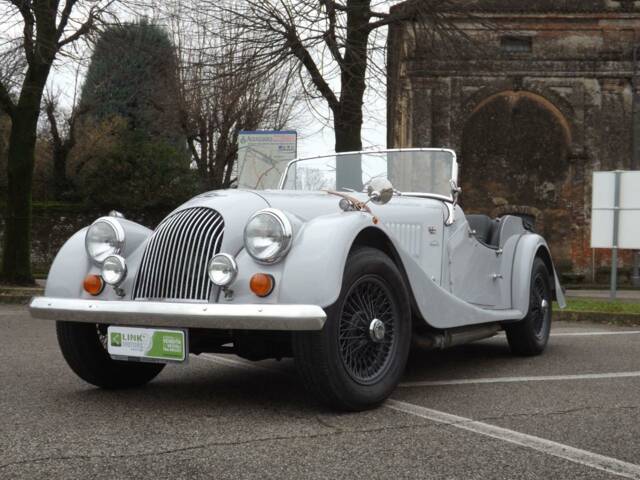
1985 | Morgan 4/4 1600
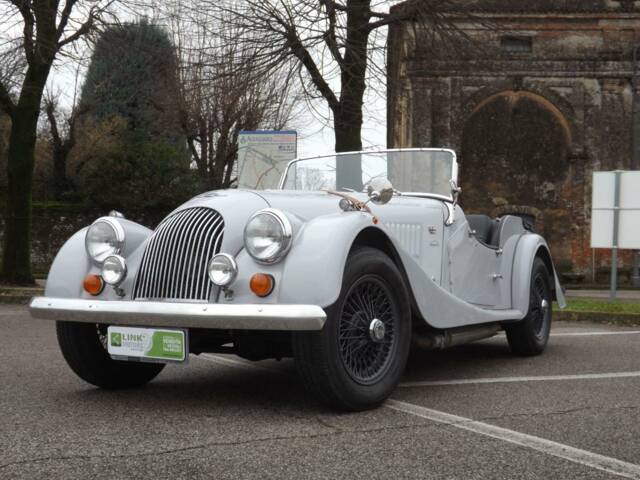
1985 | Morgan 4/4 1600
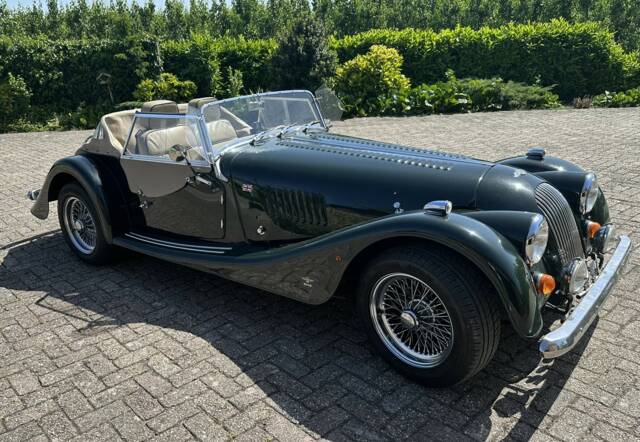
1999 | Morgan 4/4 1800
Morgan 4/4 4.2 rover
Morgan 4/4 Classic Cars: Prices & Market Values
The market value of Morgan 4/4 classic cars is primarily determined by the specific manufacturer code and variant, as well as technical condition, originality and mileage. Additional factors include rarity, history and documentation. A well-maintained, largely original vehicle with low, verifiable mileage and complete history including appraisals and documentation typically achieves significantly higher prices than a comparable vehicle with deferred maintenance, many modifications or unclear provenance.
Morgan 4/4: Market Prices & Value Trends
Based on sales data from the Classic Trader marketplace, the Morgan 4/4 market in Europe has been broadly stable to gently firming over the period from early 2021 to January 2026, with most mainstream cars clustering in the mid-range rather than showing a clear boom-and-bust cycle. Across the dataset, typical asking prices for common 4/4 variants (notably 1600 and 1800 cars from the 1970s through early 2000s) generally sit around €25,000–€45,000, with condition, specification and provenance doing most of the heavy lifting. A handful of cheaper adverts (for example, a €11,400 1979 1600) look like outliers and shouldn’t be treated as representative, while early pre-war Series I cars can command materially higher figures (often around €55,000–€60,000) due to rarity. UK adverts show a similar spread in £ terms, with many usable examples in the roughly £20,000–£35,000 bracket. For today’s buyers, this points to a steady, liquid niche: the 4/4’s traditional appeal, usability and limited supply support prices, especially for well-kept, correctly specified cars.
History of the Morgan 4/4
When Morgan introduced the 4/4 in 1936, it marked a turning point for the British carmaker, which had previously produced only three-wheeled vehicles. The name 4/4 refers to four wheels and four cylinders, distinguishing it from its predecessors. Debuting as a two-seater, the 4/4 grew into a range that included four-seater models and various body styles like the drophead coupé. Throughout its remarkably long production—punctuated mainly by wartime cessation and a brief halt in the early 1950s—the 4/4 maintained a distinct silhouette: an elongated bonnet, sweeping wings and upright stance. The frame, traditionally crafted in ash wood and steel, is crowned by an aluminium body attached by hand, reflecting Morgan's dedication to artisanal manufacturing. Over decades, the 4/4 evolved in detail but retained its unmistakable character.
Model Evolution and Series
The 4/4’s model lineage is atypically long-lived. The initial Series I (1936–1950) featured the Coventry Climax engine. Series II (1955–1960) adopted Ford powerplants and introduced upgrades such as optional heaters and direction indicators, achieving a top speed of over 120 km/h. With Series III and IV, further technical refinements and improved Ford engines came onboard. From the late 1960s, the 4/4 1600 employed Ford Kent motors and briefly a Fiat unit, with the 4/4 1800 and 4/4 1.6 Sigma marking late examples into the 21st century. During its tenure, the 4/4 boasted impressive flexibility, offering two- and four-seater layouts, hardtops, and drophead versions to suit enthusiasts’ tastes. Each major series is reflected in markets and listings, with the largest share held by the standard 4/4, followed by Series I and V.
Highlights and Market Insights
The Morgan 4/4’s identity is built on a symbiosis of traditional build methods and evolutionary engineering. The sliding pillar suspension, a Morgan hallmark, delivers a unique driving experience. Lightweight construction and minimal electrification preserve the car’s raw, direct control, making it a benchmark for enthusiasts who value mechanical purity. The car’s design changed only incrementally across decades—yet each evolution addressed drivers’ expectations for comfort, reliability, and sportiness.
Technical Specifications
Special Editions and Collectible Variations
Across its lengthy history, the 4/4 has seen various limited editions and sought-after variants. Notable are the Le Mans 62 and other commemorative editions marking Morgan milestones, often sporting unique badging, special interiors, or distinctive paintwork. In 2016, Morgan celebrated 80 years of 4/4 production by creating 80 hand-built examples with tailored specifications, which now stand out as desirable classics for their rarity and craftsmanship.
Weak Spots and Typical Issues
Despite its robust mechanical simplicity, the Morgan 4/4—especially older models—can suffer from wood frame deterioration if neglected or exposed to moisture over years. Regular inspection of the ash frame joints is essential. Chassis corrosion (especially around suspension mounts) should also be checked. The sliding pillar front suspension needs proper lubrication and maintenance. Electrical systems in early cars may be basic, but wiring looms and connectors deserve attention. Soft-top mechanisms and weather seals require regular treatment to avoid leaks. Replacement parts are widely available due to active Morgan owner clubs and specialist suppliers.
Driving Dynamics and Engine Choices
What sets the Morgan 4/4 apart on the road is its raw, analogue feel: you sit low, steering is immediate, and every movement is relayed directly through the structure. Engine character varies across series, but all 4/4s deliver a responsive, lightweight sports car experience, complemented by the rear-wheel drive layout. The sliding pillar suspension gives distinctive handling feedback—firm, lively, but communicative. Later cars with Ford Sigma or Zetec engines are capable of genuine modern road speeds, reaching up to 185 km/h with brisk acceleration. - Series I (1936–1950): Coventry Climax 1,122 cc, 34 hp
- Series IV (1963–1968): Ford 1,498 cc up to 65 hp
- 4/4 1600 (1968–1993): Ford Kent/CVH/Fiat 1.6-1.6L, up to 101 hp
- 4/4 1800: Ford Zetec 1.8L, 127 hp
- Recent 4/4: Ford Sigma 1.6L, 110 hp
Interior, Comfort, Exterior and Design Features
A Morgan 4/4’s appeal lies in its handcrafted detail. Each car features a wooden dashboard, classic Smiths gauges and often leather or high-quality fabric upholstery, sometimes with contrast piping. Signature elements include wire wheels, flowing fenders, an elongated bonnet and exposed grille. Accessories such as luggage racks, badge bars, fly screens, fog lamps and bonnet straps are commonly seen, especially on enthusiast-owned examples.
Paint choices have expanded over the decades, but traditional British racing hues and deep solid colours dominate. Limited series and well-optioned cars might feature sportier hardtops (such as Le Mans editions), special wood trim, or custom-ordered leather interiors. Right-hand-drive is traditional, but left-hand-drive cars are available, especially for export or continental Europe. The traveling setup typically involves a fabric hood, with removable sidescreens for weather protection, and a compact luggage area for touring drivers.
Additional Information
Active Morgan owner clubs across Europe and beyond ensure excellent support, knowledge exchange, and spare part access for all eras of the Morgan 4/4. Conversion between right- and left-hand-drive is common, broadening market interest. Documentation and maintenance records are valued highly, as is originality for collector-buyers. Thanks to the car’s reputation for mechanical honesty and robust engineering, 4/4s are widely found in well-preserved, road-ready condition. Many examples include period or upgraded extras such as wood-rim steering wheels, competition-style accessories or commemorative plaques.
Summary
The Morgan 4/4 represents over 80 years of British hand-built motoring, evolving in detail while remaining true to its roots: light weight, direct handling, and traditional craftsmanship. With a vast spectrum of engine variants, body types and personalised features, it remains the most prevalent and high-demand Morgan—backed by strong community support, ample parts supply and a presence that resonates with both enthusiasts and connoisseurs alike.