- Car
- Mitsubishi
- Mitsubishi Shogun (1 offer)
Mitsubishi Shogun classic cars for sale
The Mitsubishi Shogun, internationally known as the Pajero or Montero, represents a milestone in off-road engineering. Produced since the 1980s, the Shogun became renowned for its robust drivetrain, legendary rally performance, and versatility from urban streets to the harshest terrain. Each generation brings unique characteristics, making these 4x4s true classics for adventurers and collectors alike.
Search results
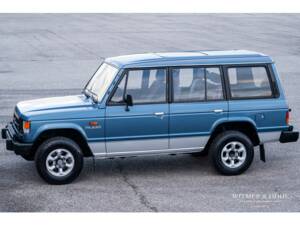
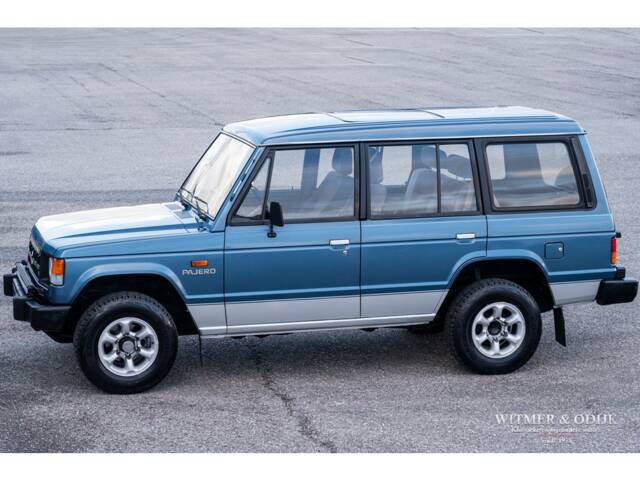
1990 | Mitsubishi Shogun V6
Classic 3.0 V6 Long Body

Mitsubishi Shogun listing references from Classic Trader
Below you will find listings related to your search that are no longer available on Classic Trader. Use this information to gain insight into availability, value trends, and current pricing for a "Mitsubishi Shogun" to make a more informed purchasing decision.
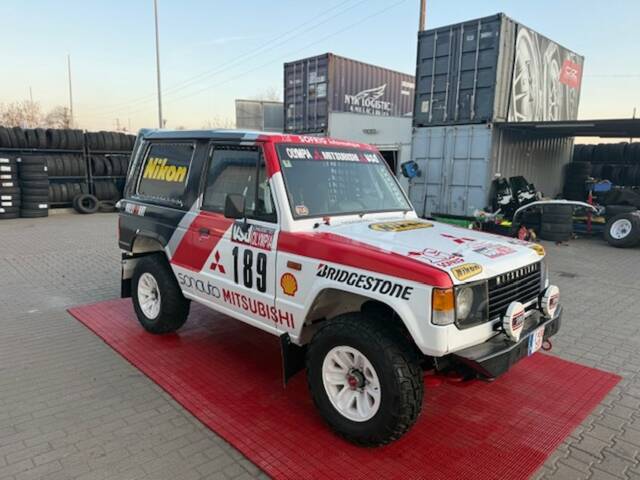
1989 | Mitsubishi Shogun
Mitsubishi Pajero Dakar | 1989 | Route 66 Auctions - For sale by auction. Estimate 23500 EUR
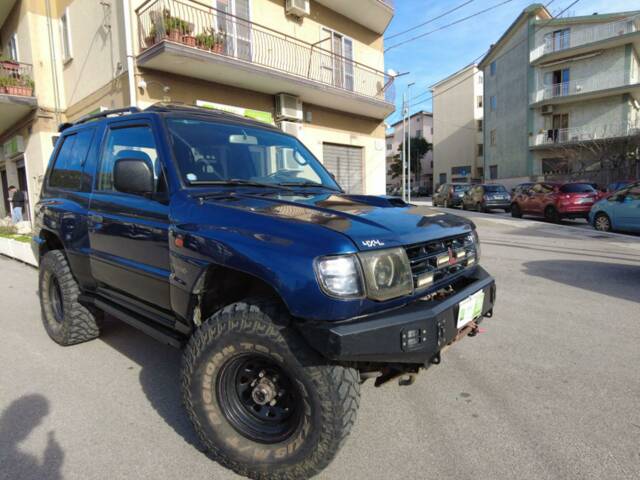
2000 | Mitsubishi Shogun 2800 TD

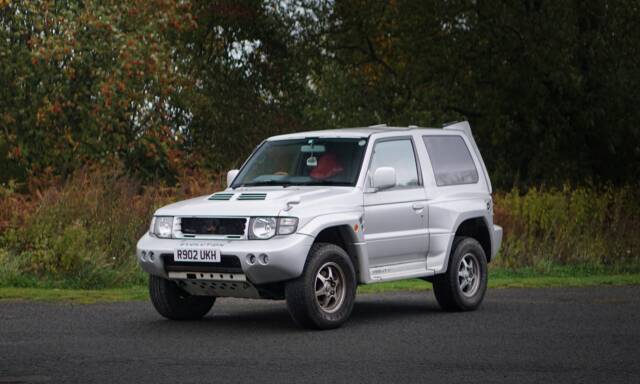
1997 | Mitsubishi Pajero Evolution
1997 Mitsubishi Pajero Evolution

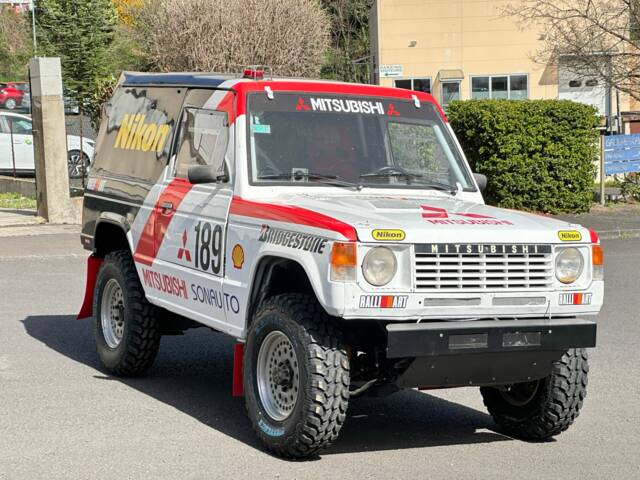
1985 | Mitsubishi Shogun TD
Mitsubishi PROTOTYPE Rallye Raid Pajero | 1985 | Route 66 Auctions - For sale by auction. Estimate 13500 EUR
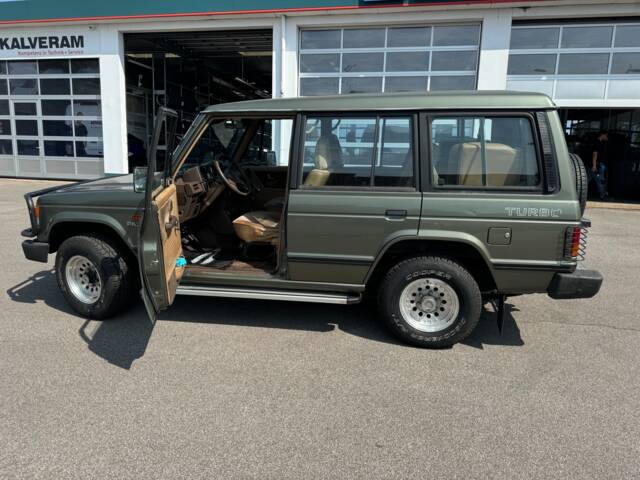
1988 | Mitsubishi Shogun
Mitsubishi Pajero 2.5 TD, 7- Sitzer, H- Kennzeichen

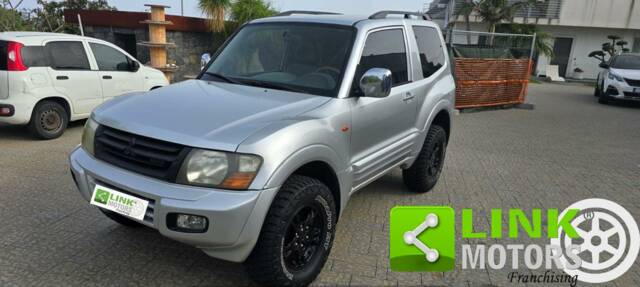
2000 | Mitsubishi Shogun
MITSUBISHI Pajero 3.2 16V DI-D 3p. GLS
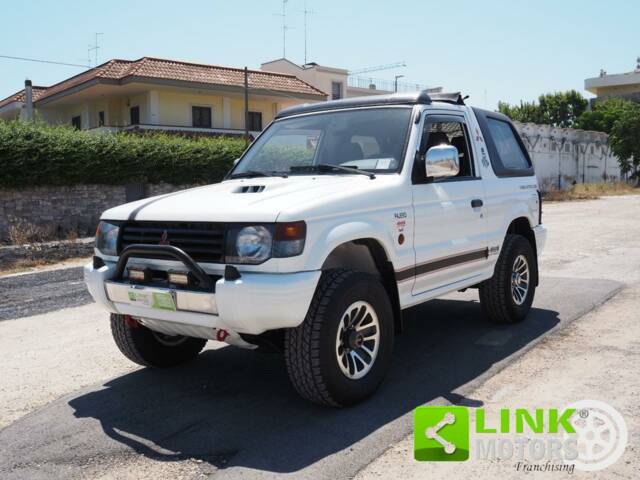
1994 | Mitsubishi Shogun 2500 TD
MITSUBISHI Pajero 2.5 TDI Canvas-top GLS
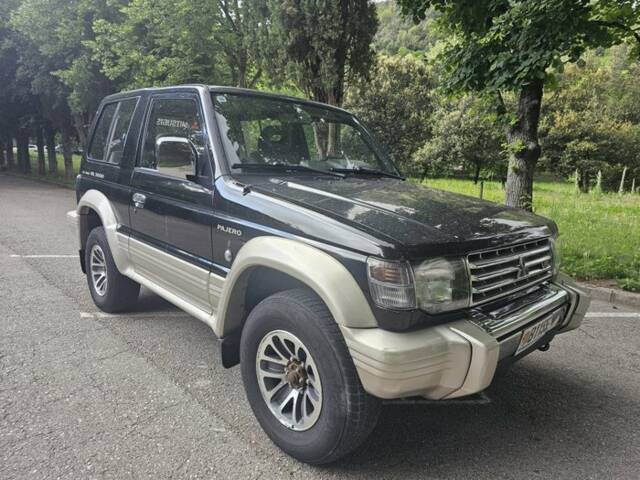
1992 | Mitsubishi Shogun 3000 V6 GLS
Mitsubishi - Pajero V6 3000 - NO RESERVE - 1992
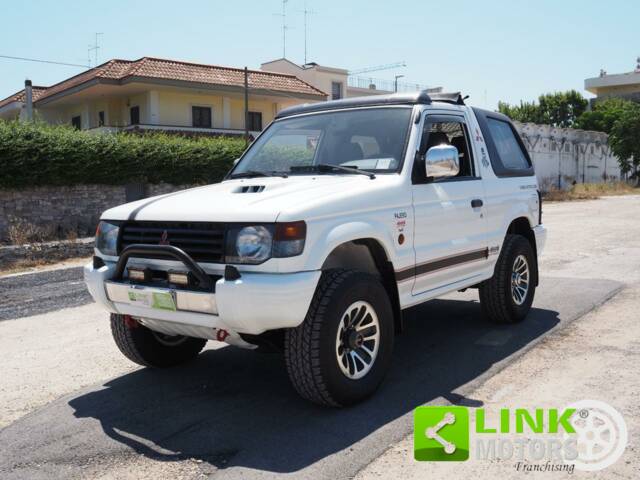
1994 | Mitsubishi Shogun 2500 TD
MITSUBISHI Pajero 2.5 TDI Canvas-top GLS
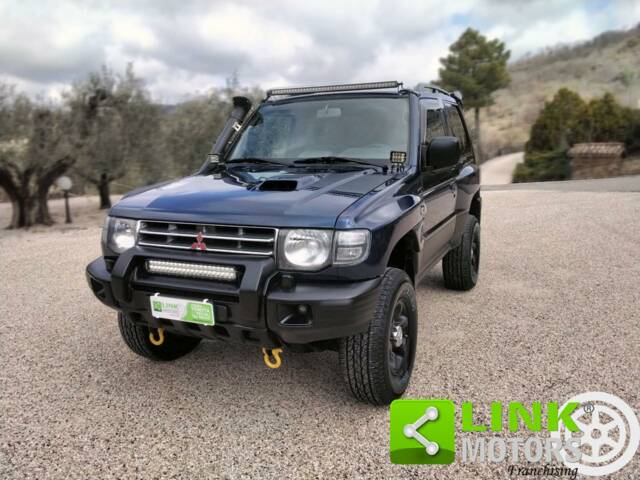
2000 | Mitsubishi Shogun 2800 TD
MITSUBISHI Pajero 2.8 TDI Metal-top S.S. GLS Target
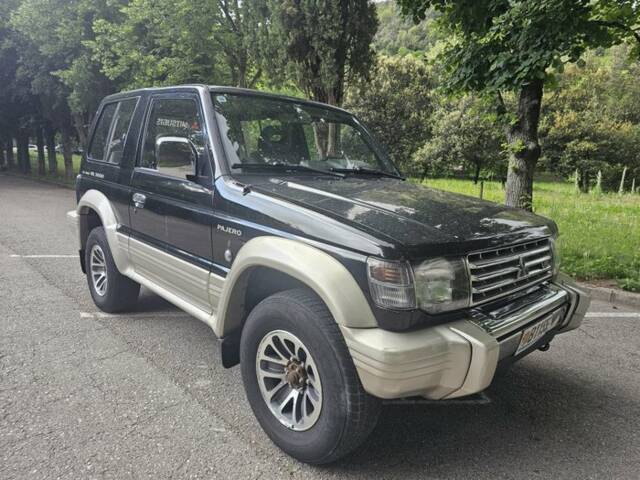
1992 | Mitsubishi Shogun 3000 V6 GLS
Mitsubishi - Pajero 3.0 V6 - NO RESERVE - 1992
Mitsubishi Shogun Classic Cars: Prices & Market Values
The market value of Mitsubishi Shogun classic cars is primarily determined by the specific manufacturer code and variant, as well as technical condition, originality and mileage. Additional factors include rarity, history and documentation. A well-maintained, largely original vehicle with low, verifiable mileage and complete history including appraisals and documentation typically achieves significantly higher prices than a comparable vehicle with deferred maintenance, many modifications or unclear provenance.
Mitsubishi Shogun: Market Prices & Value Trends
Based on sales data from the Classic Trader marketplace, Mitsubishi Shogun prices in Europe have been broadly stable to slightly firmer over the period from March 2021 to January 2026, with most activity centred on 1990s to early-2000s diesel models such as the Shogun 2500 TD and 2800 TD. Ignoring rare, high-priced homologation specials (notably Pajero Evolution entries that sit well above the Shogun’s mainstream market), the realistic going rate for a typical Shogun in usable classic condition generally falls between about £4,000 and £11,000. At the lower end are higher-mileage or older TD examples (often mid-1980s to mid-1990s), while cleaner late-1990s/2000 2800 TD cars tend to cluster around £9,000–£11,000 and show repeated pricing in recent months, suggesting sellers see support at that level. This points to a market that is consolidating rather than overheating, helped by the Shogun’s reputation for durability, genuine off-road capability, and increasing nostalgia for robust 4x4s from the 1990s.
Introduction and history of the Mitsubishi Shogun
The Mitsubishi Shogun first appeared in the early 1980s as Mitsubishi's answer to the growing demand for reliable, all-terrain vehicles. Developed with a focus on durability and off-road prowess, the Shogun became synonymous with rugged utility and versatile application. Initially launched as the Pajero in other world markets, the Shogun quickly established its reputation thanks to victories at events like the Dakar Rally. Over time, its chassis refinements and drivetrain advancements ensured it could withstand challenging environmental conditions, from muddy trails to arid desert tracks. Its popularity soared, particularly among enthusiasts seeking a capable SUV that blended comfort, reliability, and true off-road capability.
Model history
The Shogun line spans several significant generations. The earliest L040 model defined the first generation, featuring 2.3-litre turbodiesel and 3.0-litre V6 petrol engines. With the arrival of the V20 in 1991, Mitsubishi introduced further mechanical choices—2.4 to 3.5 litres in petrol, and 2.5 to 2.8 litres for diesel. The V60 third generation debuted at the turn of the millennium, marking a design and engineering evolution but keeping the all-terrain spirit alive. The fourth generation (from 2007) further refined comfort without compromising the Shogun's rugged nature. Special editions and regional variants, like the Shogun Cabriolet and the outstanding Pajero Evolution (built for rally raids), complete a broad model family that persists in classic car circles.
Highlights of Mitsubishi Shogun
What sets the Shogun apart is its technical resilience and versatility. The model was designed for the rigours of cross-continent rallies—distinctly shown by the Pajero Evolution's Dakar Rally pedigree. Permanent or selectable four-wheel drive, locking differentials, and a chassis engineered for both street and off-road performance reveal a true multipurpose character. Comfort and equipment standards—such as power steering, aluminium wheels, air conditioning, cruise control, and seven-seat configurations—meet the expectations of both daily drivers and overland enthusiasts.
Technical data
Special Editions and Collectible Models
The standout special edition is the Pajero Evolution, built from 1997–1999 for rally homologation (T2 class), with only about 2,500 street versions offered. Features include reinforced suspension, wider track, unique bodywork, and signature Recaro sports seats. Cabriolet and hardtop variants, as well as models equipped with luxury packs—like leather interiors and oversized off-road tyres—add to the diversity and appeal. These models often have unique registration or technical attributes depending on market regulations.
Engine and Performance, Transmission and Handling
Performance across the Shogun lineup is robust and tailored for real-world durability. Petrol versions deliver strong torque and smooth operation—particularly the later 3.0 and 3.5-litre V6s known for their dependability and flexibility. Diesel options, especially the 2.5 TDI and the early 2.3, are valued for their longevity and easy servicing. All-wheel-drive configurations, especially those with locking differentials, provide real off-road potential. Advanced technical solutions such as manual and automatic gearboxes, selectable transfer cases, and upgraded suspension (as seen on the Evolution) make the Shogun a preferred platform for both utility and adventure. 1. V20 (1991–late 90s): Offers a wide selection of body types (3-door, 5-door, Cabrio), robust 4WD systems, and engine choices ranging from 2.4 to 3.5 litres. 2. Pajero Evolution (1997–1999): Rally-bred, features unique suspension, DOHC 3.5 V6, and specialised interiors. 3. L040 (First generation): Purist off-roader with basic equipment and strong following among retro SUV enthusiasts. 4. V60 (2000–onwards): Focusses on more refined road manners with modernised interiors and updated diesel engines.
Interior, Comfort, Exeterior and design
Mitsubishi approached Shogun design with a mix of purpose and comfort. Exterior lines remain utilitarian and robust, especially in earlier models, with optional accessories like bull bars, side rails, and winches to suit off-road needs. The cabin in higher trims includes power windows, dual-zone air conditioning, and seating for up to seven. Special versions feature Recaro branded sport seats and distinctive upholstery. Options for metallic finishes, hardtops, and step-boards allow buyers to customise their SUV according to taste and lifestyle. Equipment like cruise control, rear heater, and extra loading space respond to the demands of everyday and expedition use.
Other relevant features
Various Shogun models can be found in historic vehicle registries, particularly in countries where classic car status is officially recognised. Some markets offer versions with unique body configurations (single/double cab, cabriolet) and specific registration types (e.g., commercial vehicle homologation). Technical manuals and extensive documentation are common with well-kept examples. Country-specific features may include engine tuning, emissions control, and trim adjustments for compliance with regional legislations.
Summary
The Mitsubishi Shogun occupies a strong position among classic SUVs. Its durable engineering, array of special editions, and proven off-road credentials make it a centrepiece for collectors and enthusiasts. Particularly dominant are the V20 models—widely available and in high demand—while early L040 versions are seeing a rise in interest. Whether for rugged expeditions, historic rallies, or simply classic motoring, the Shogun’s technical and cultural legacy is hard to match.