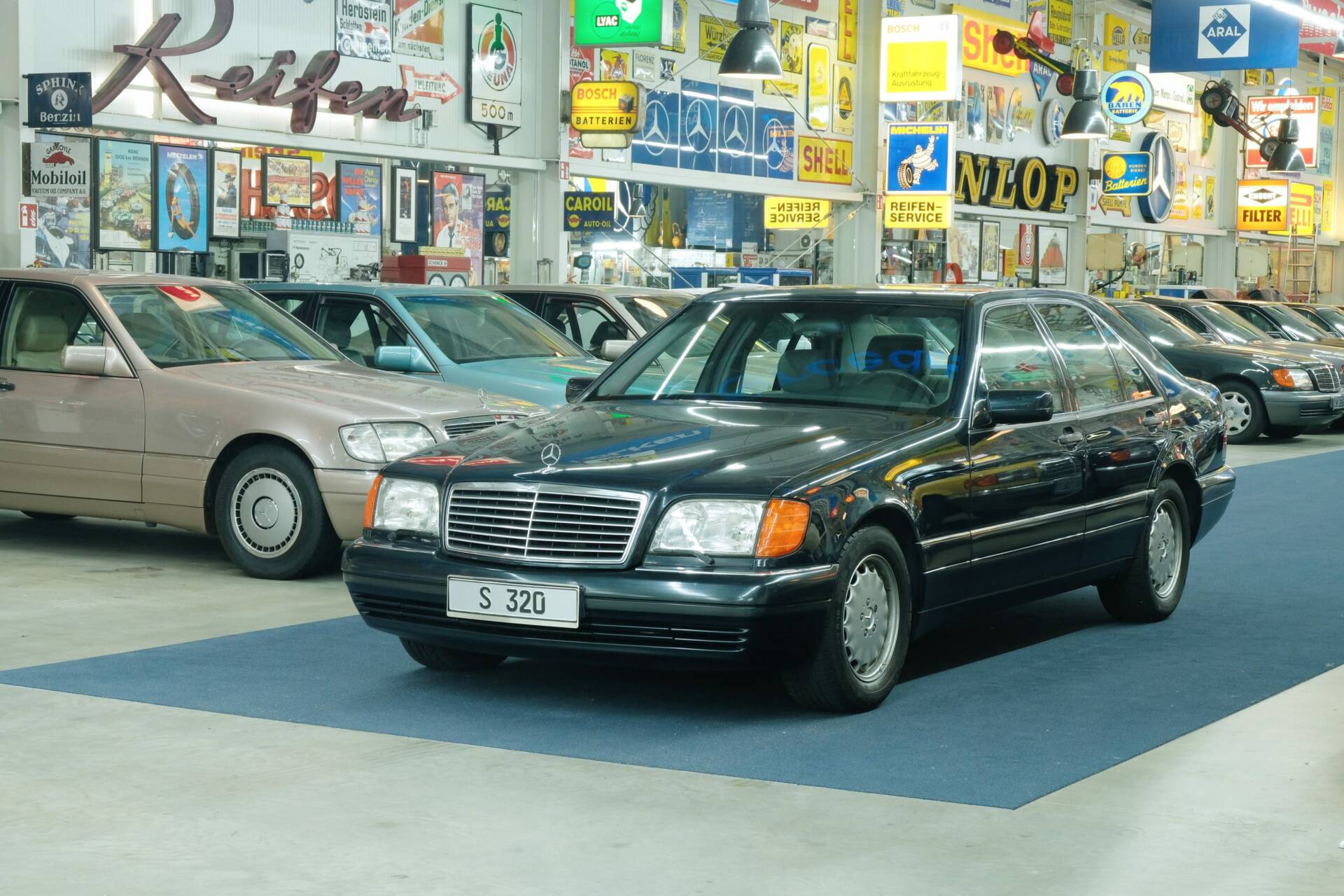
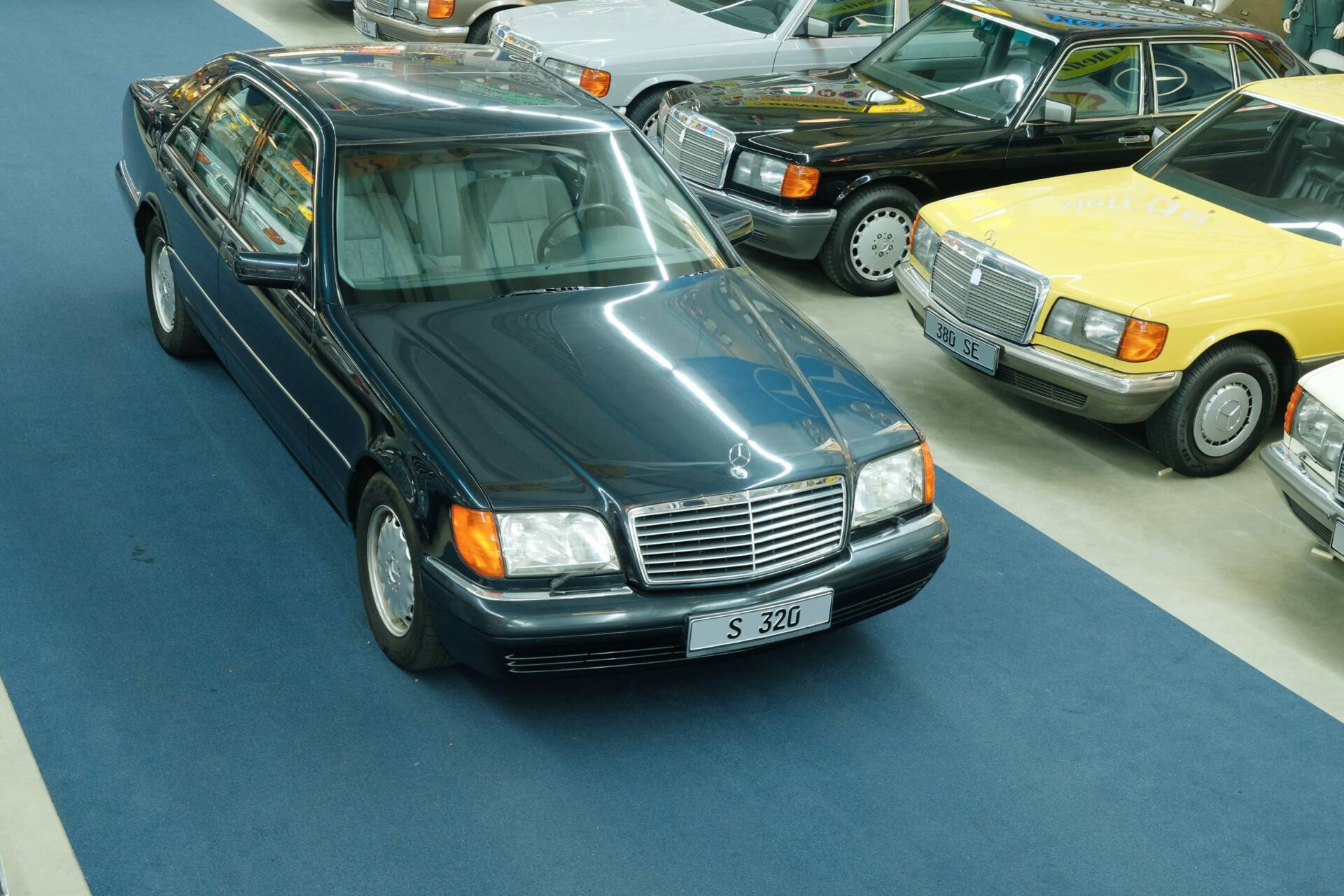
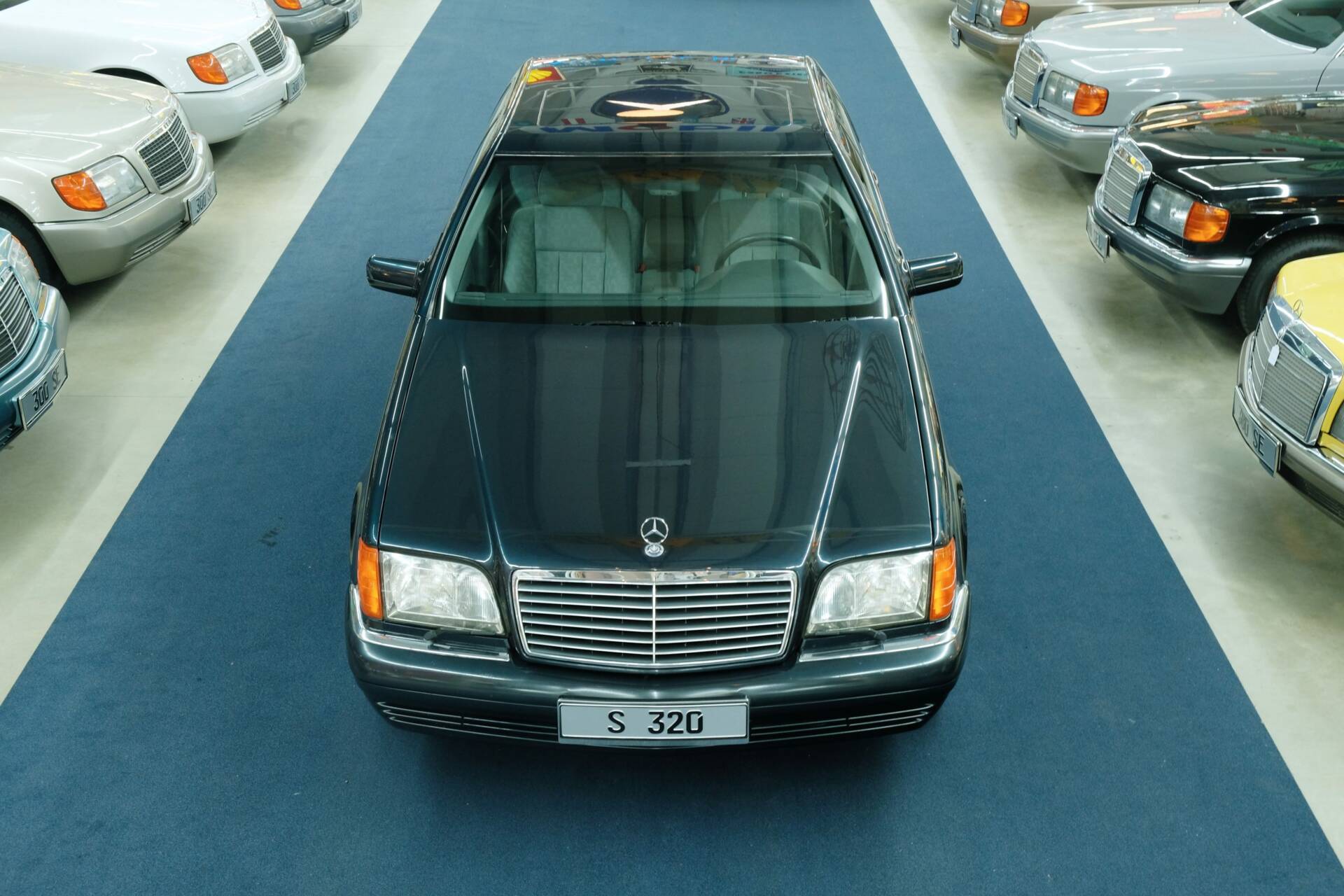
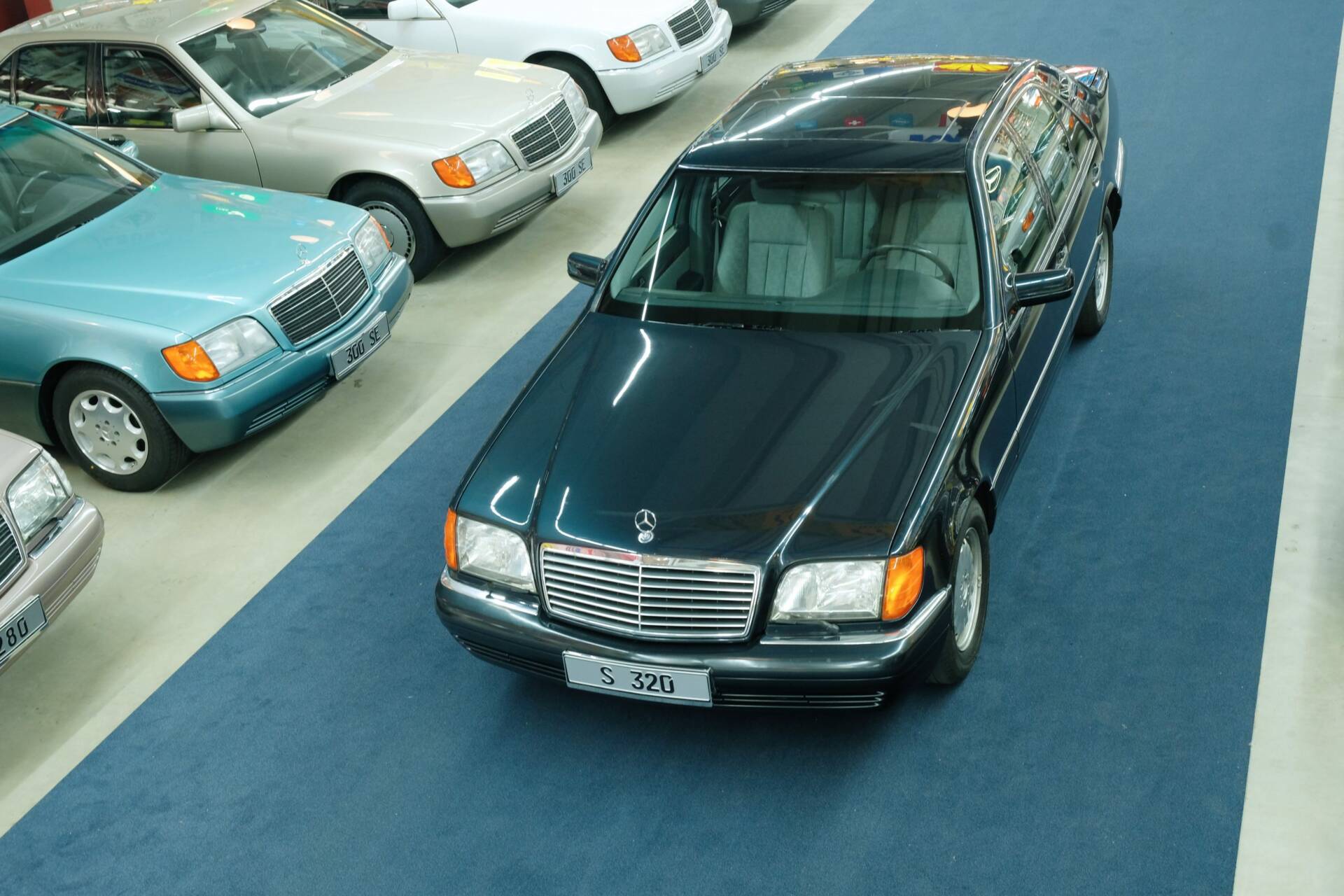
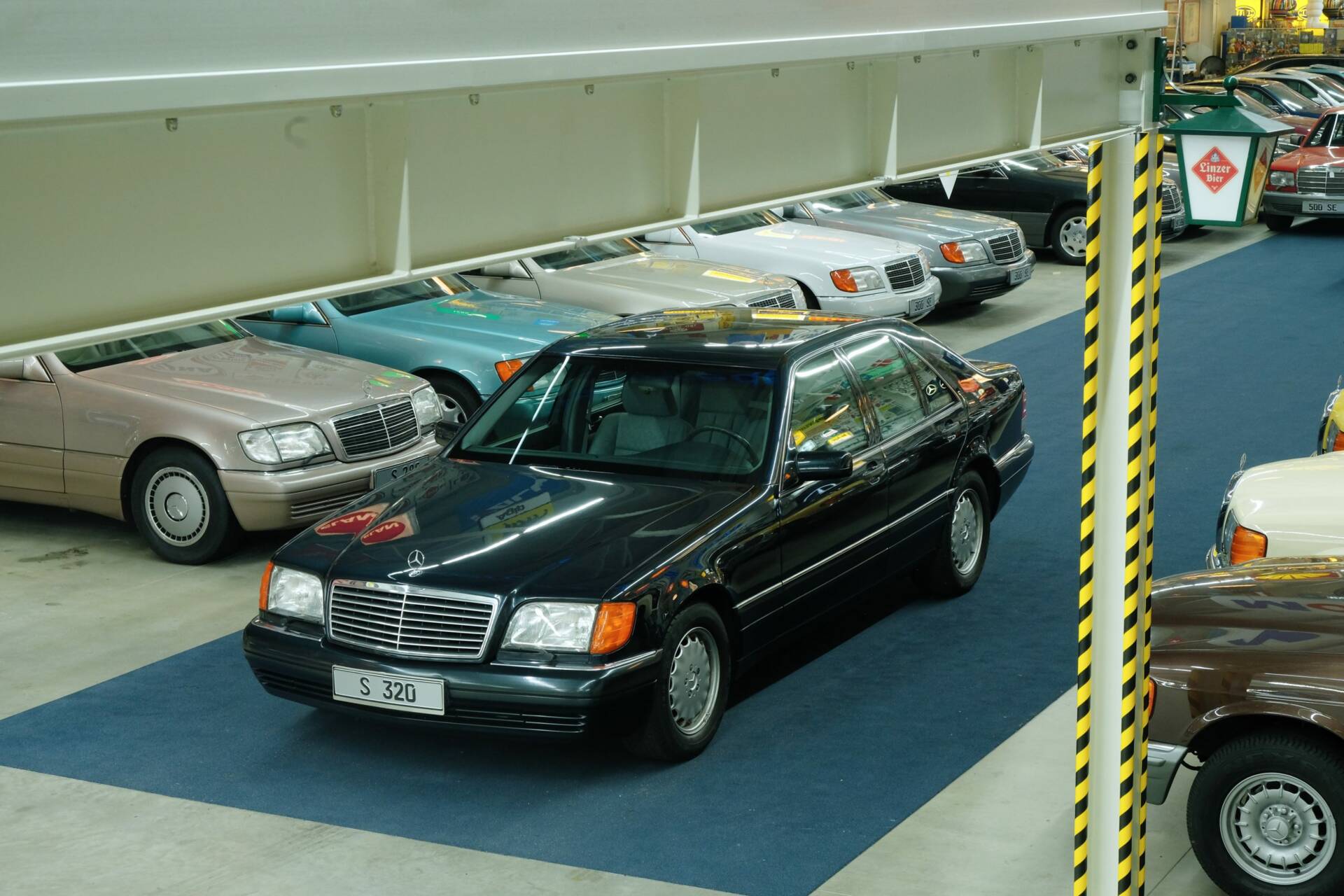
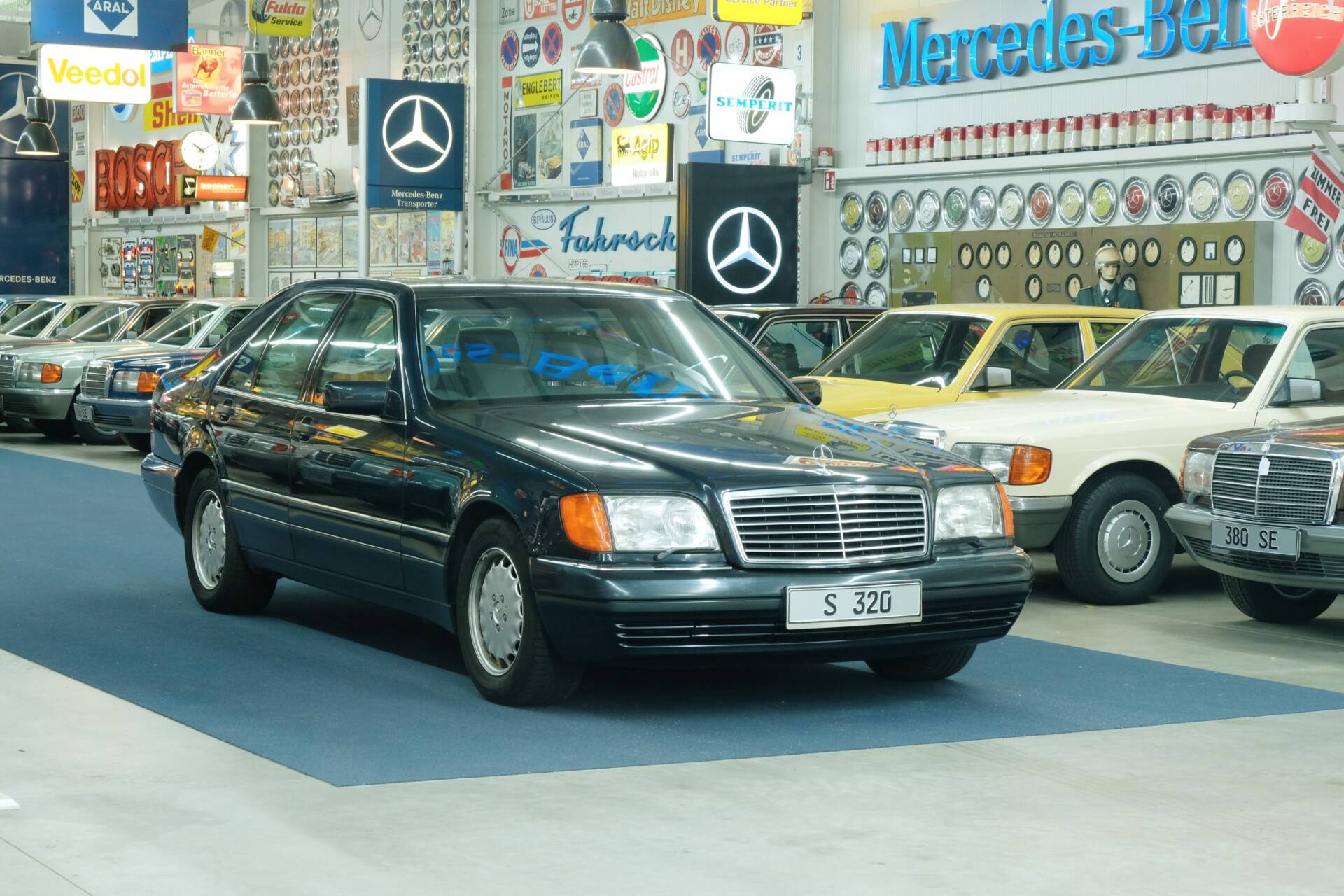
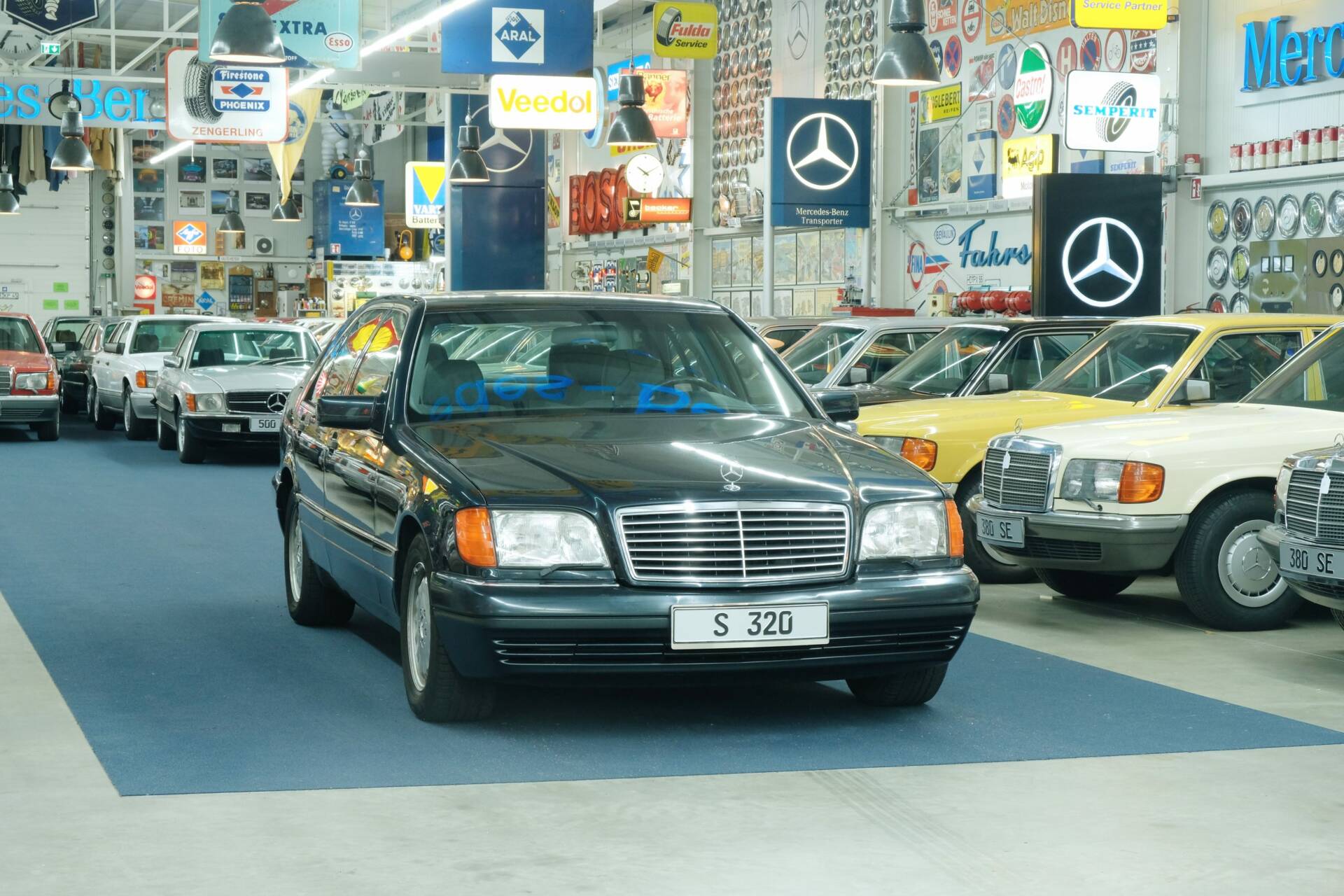
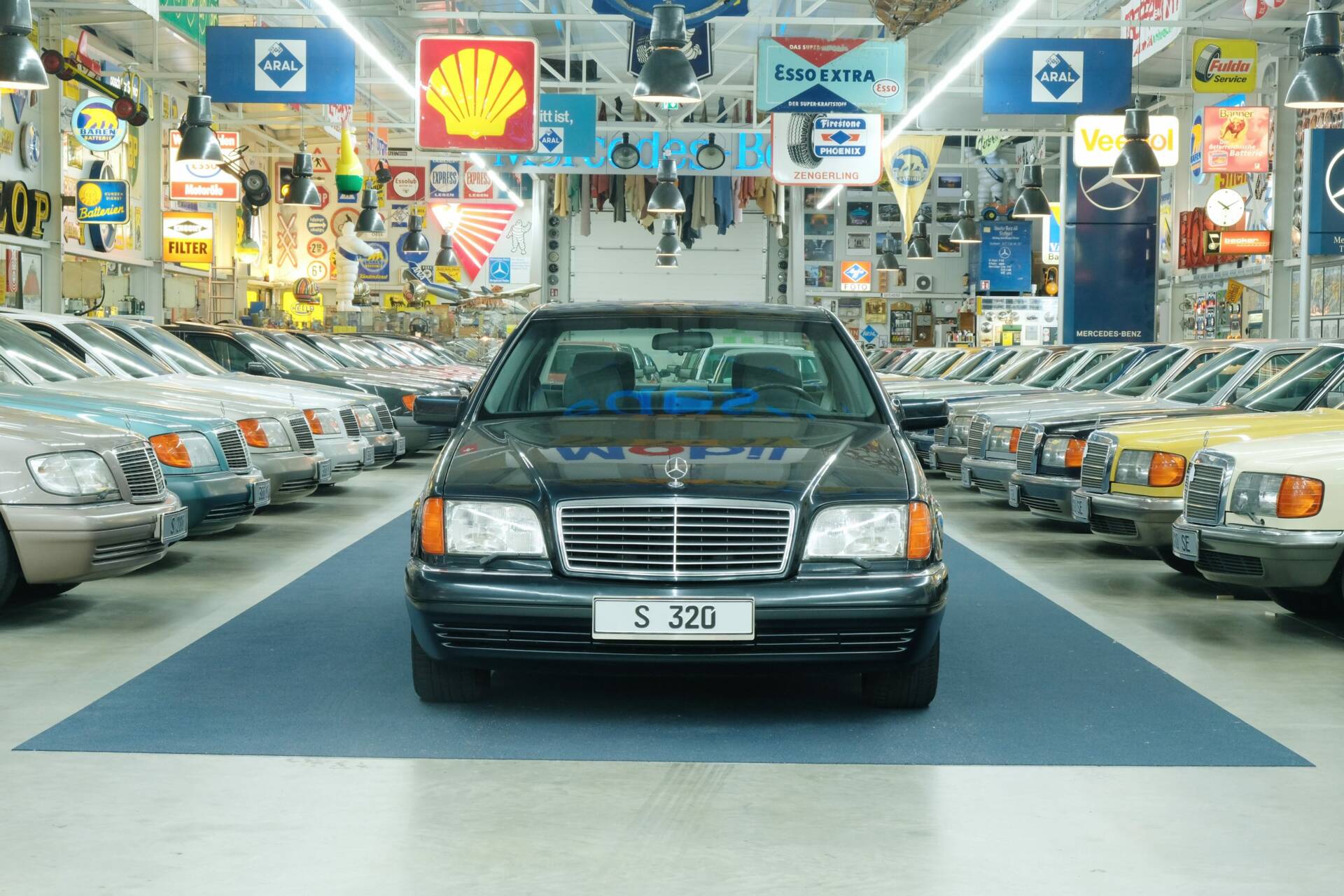
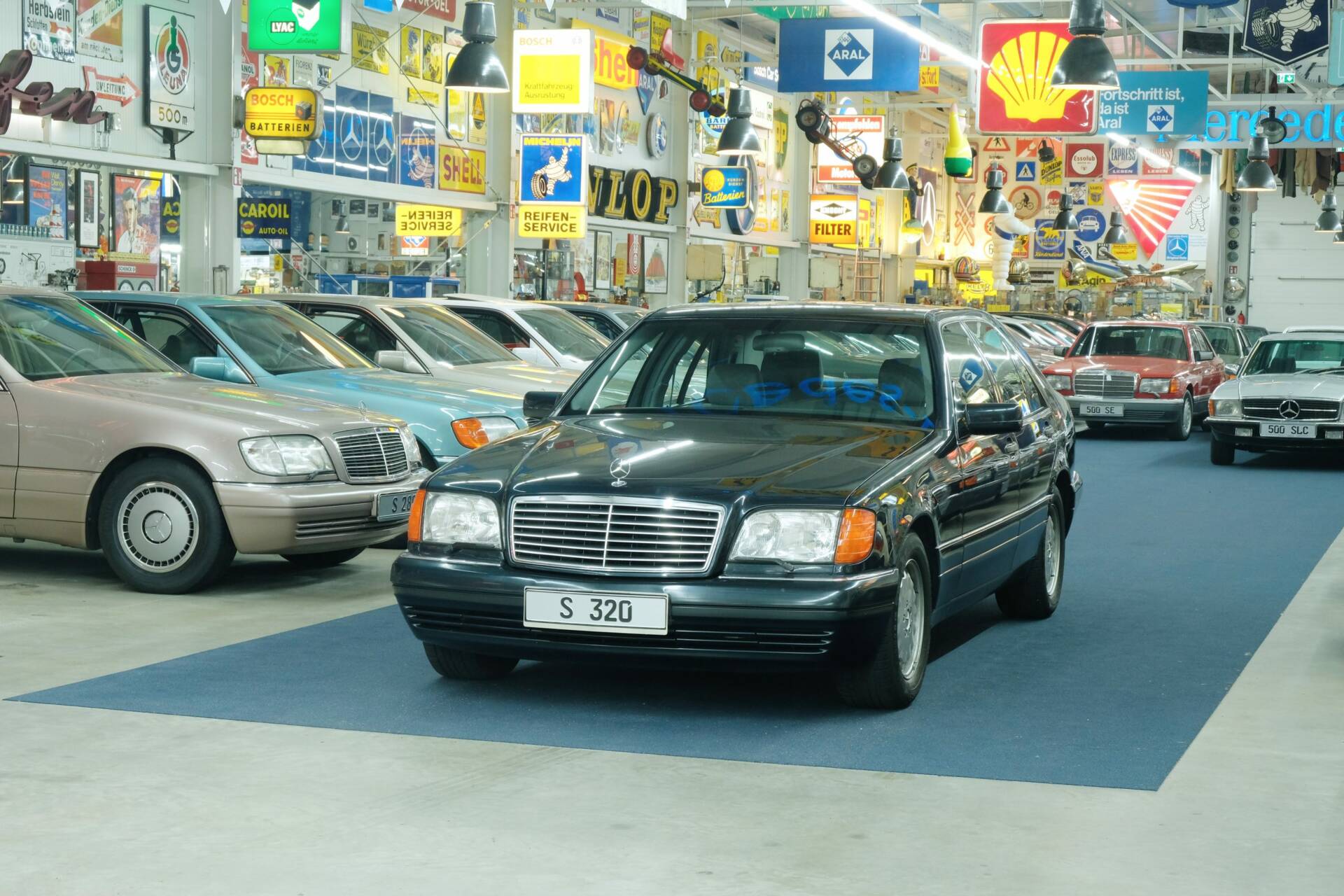
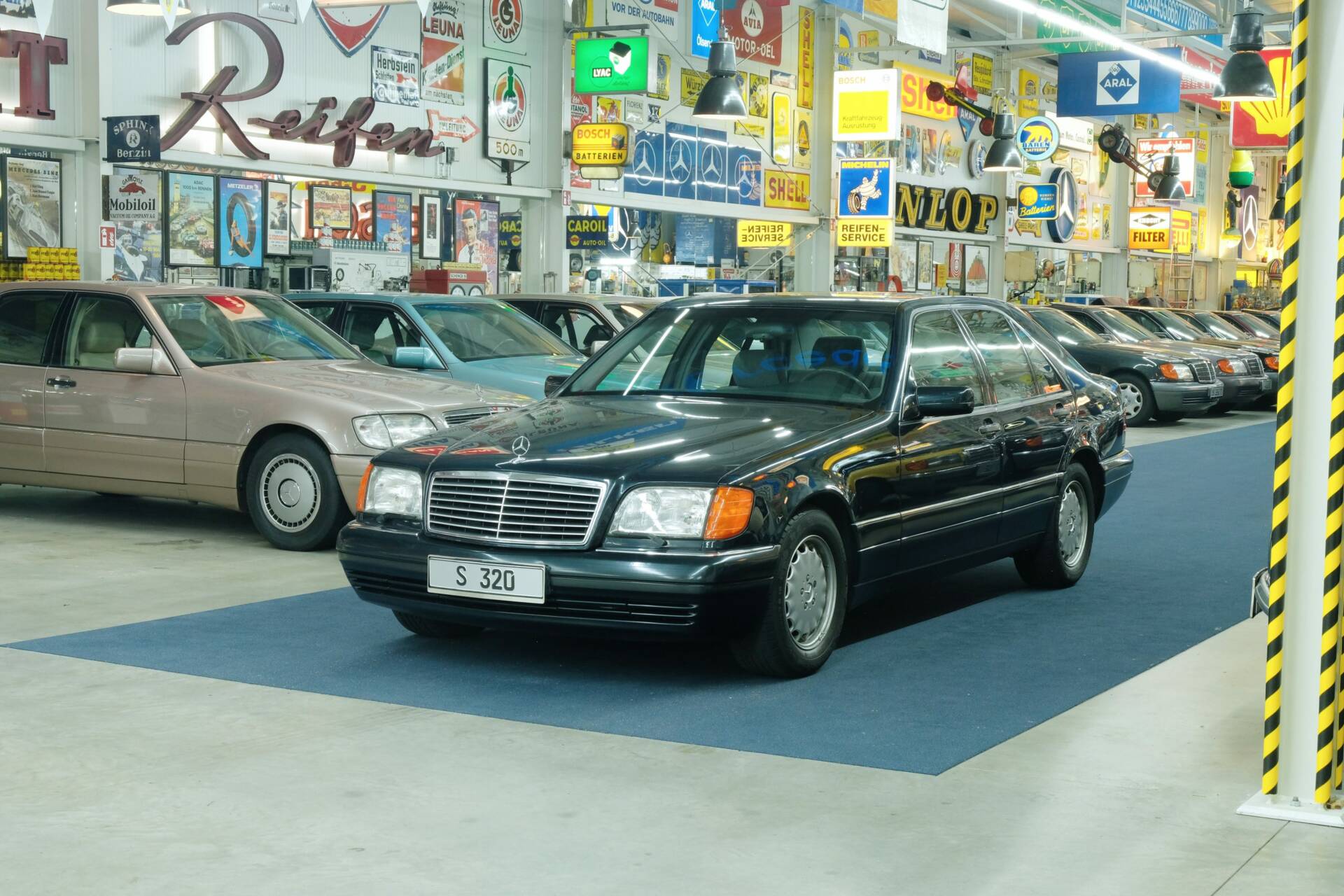
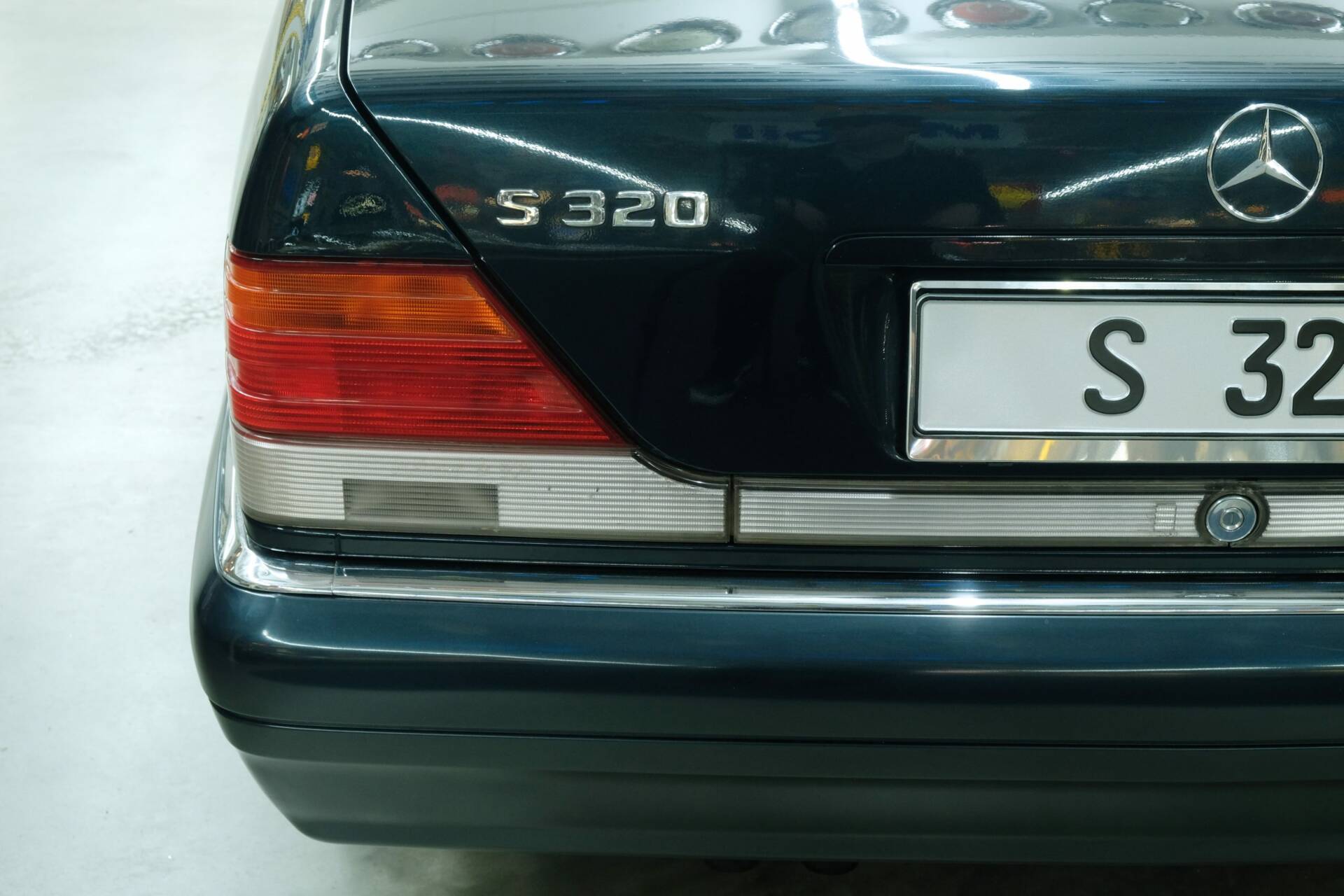
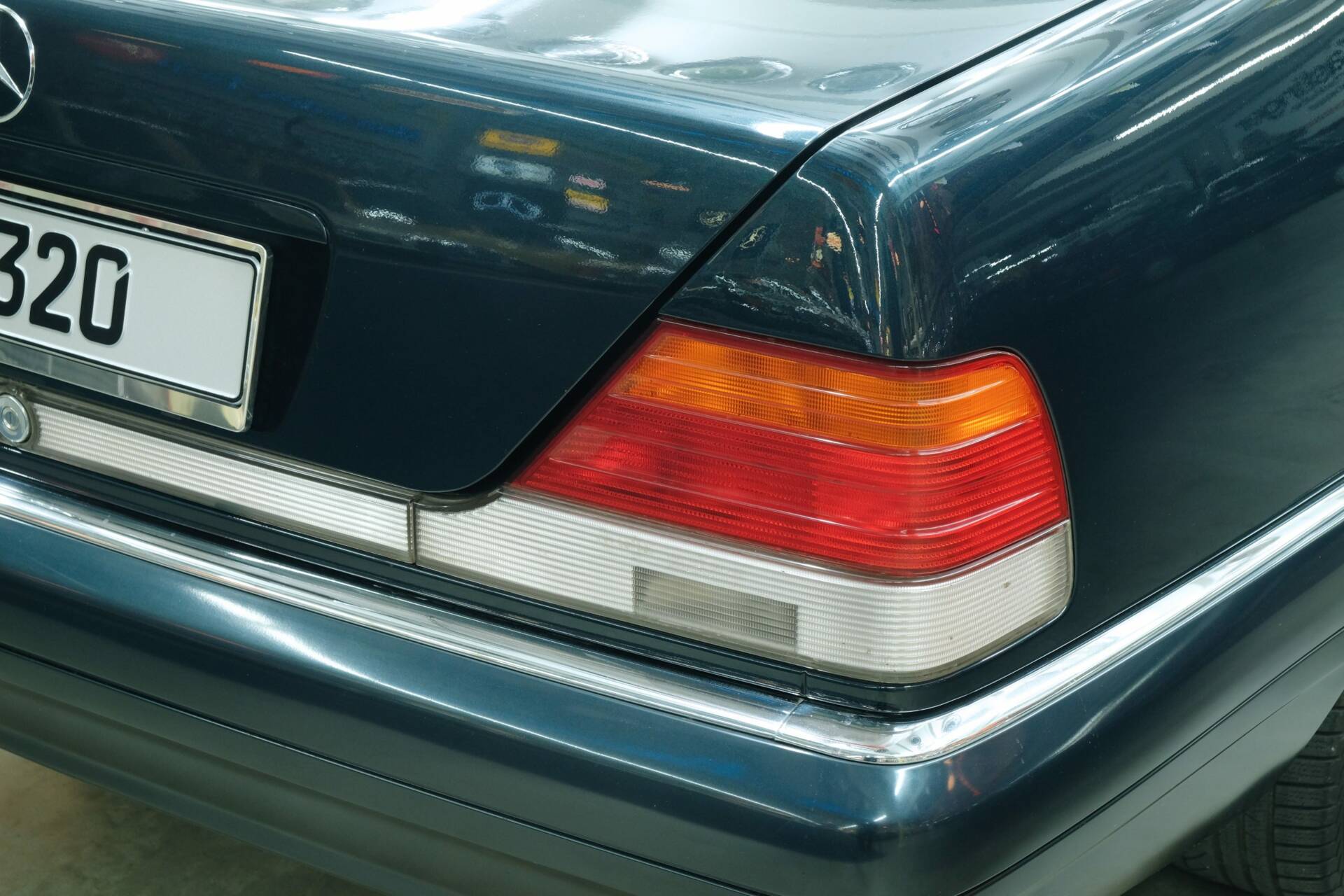
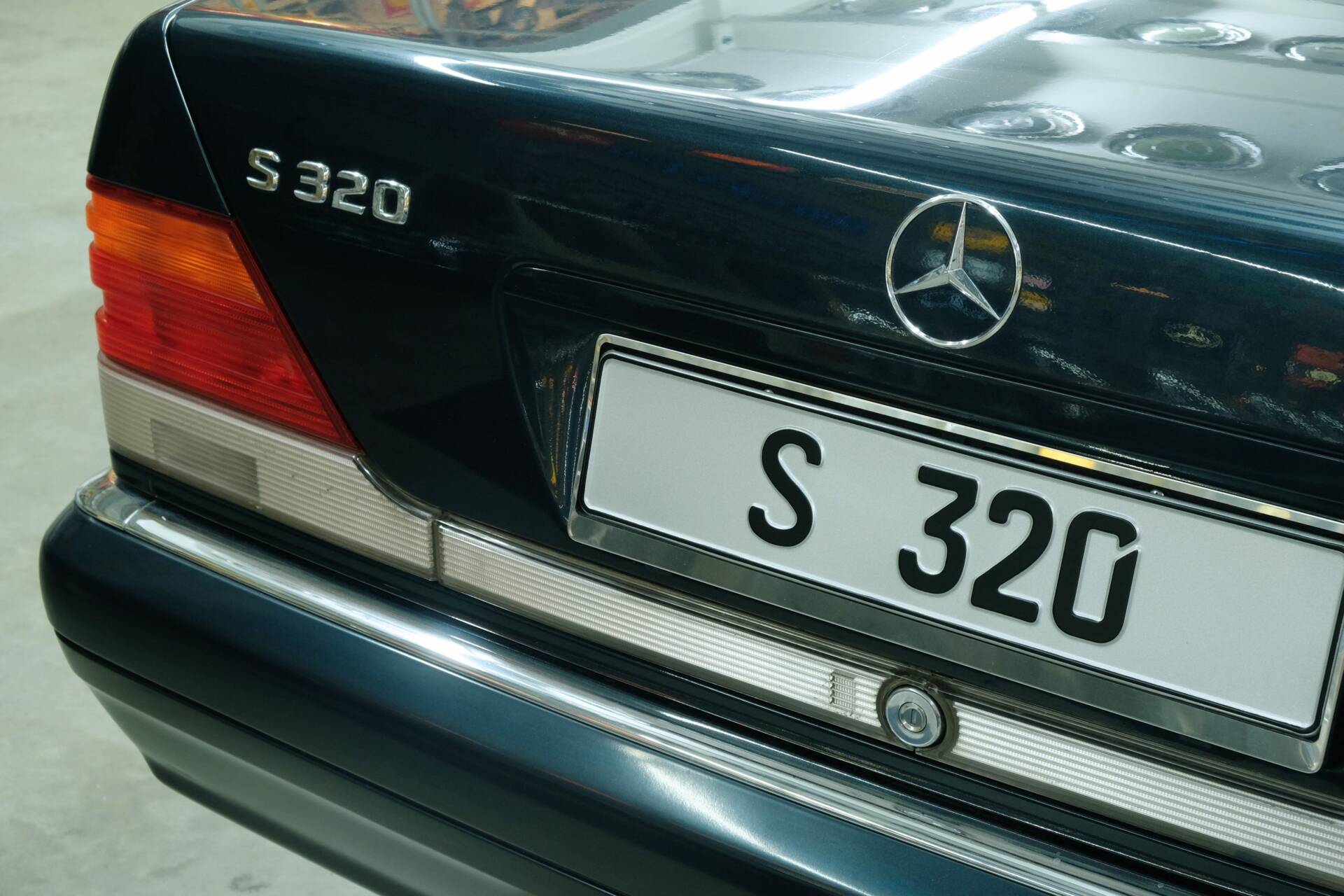
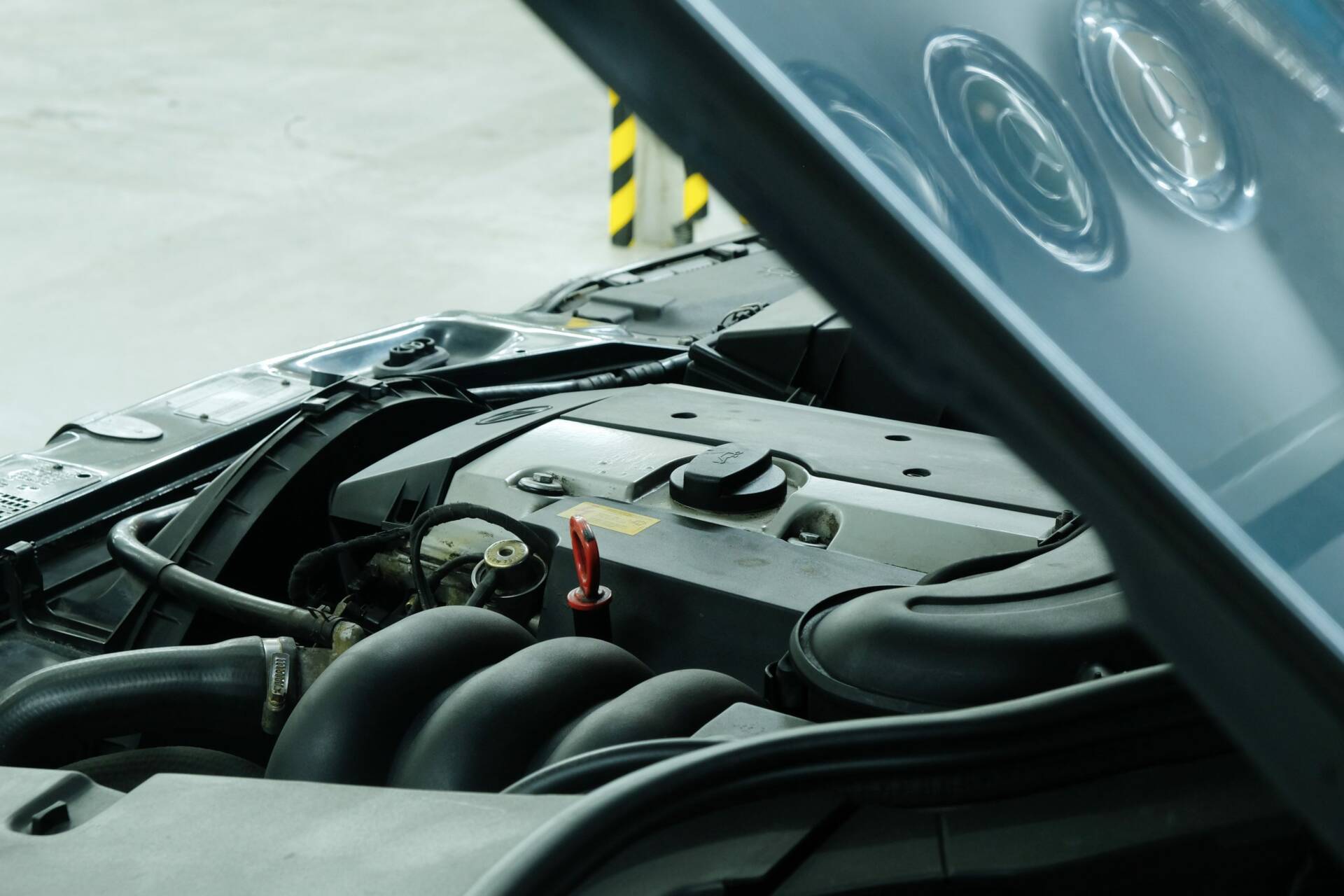
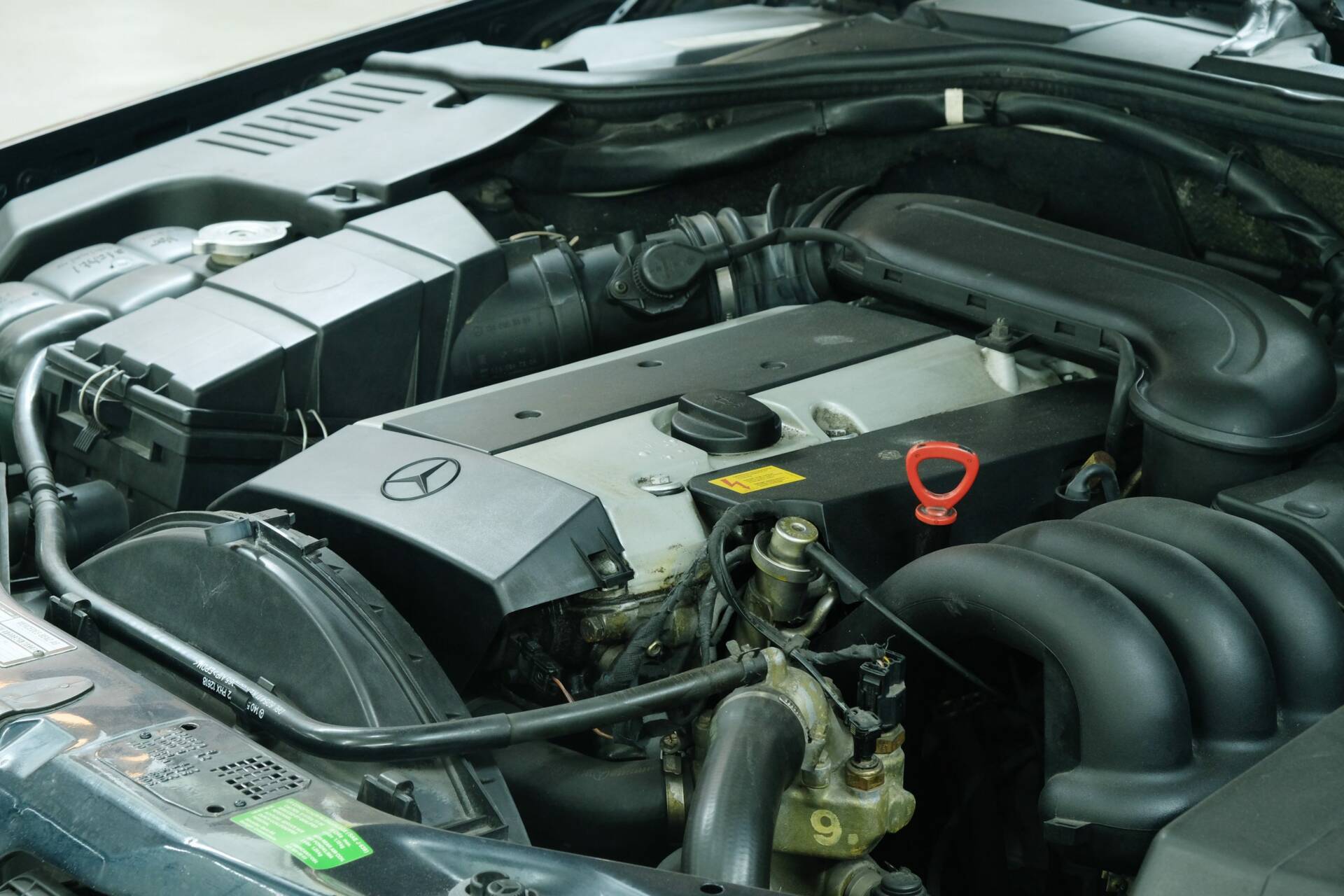
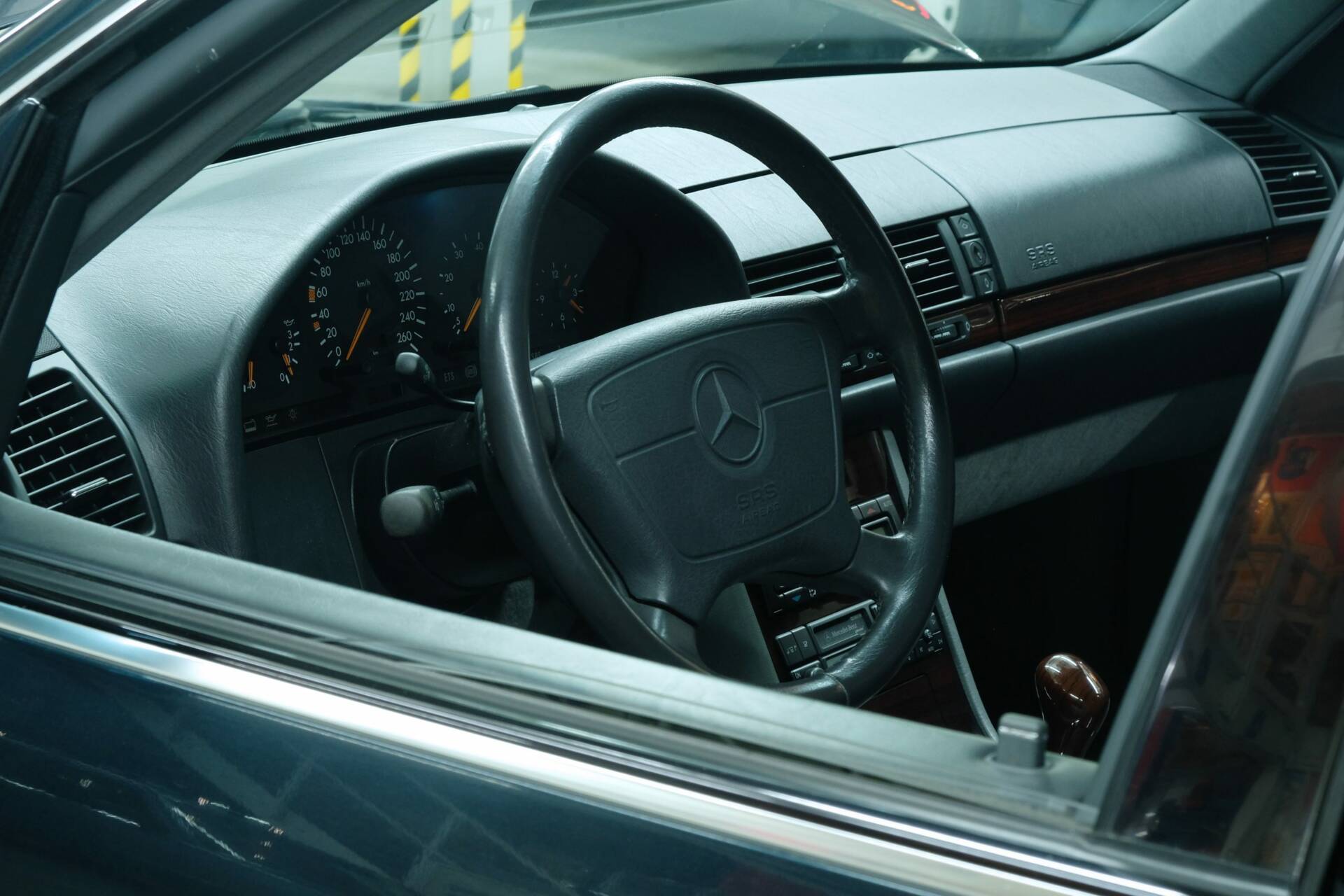
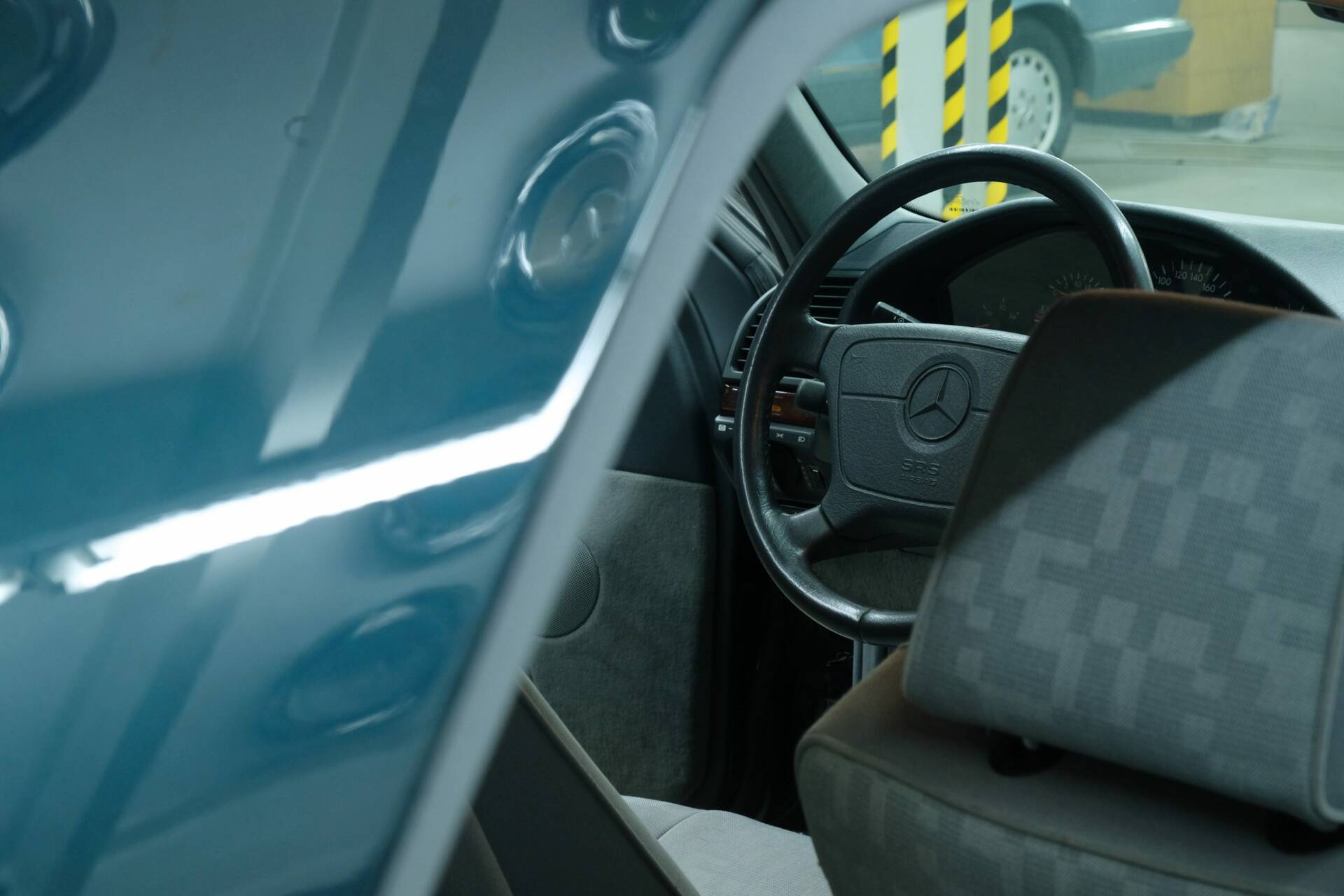
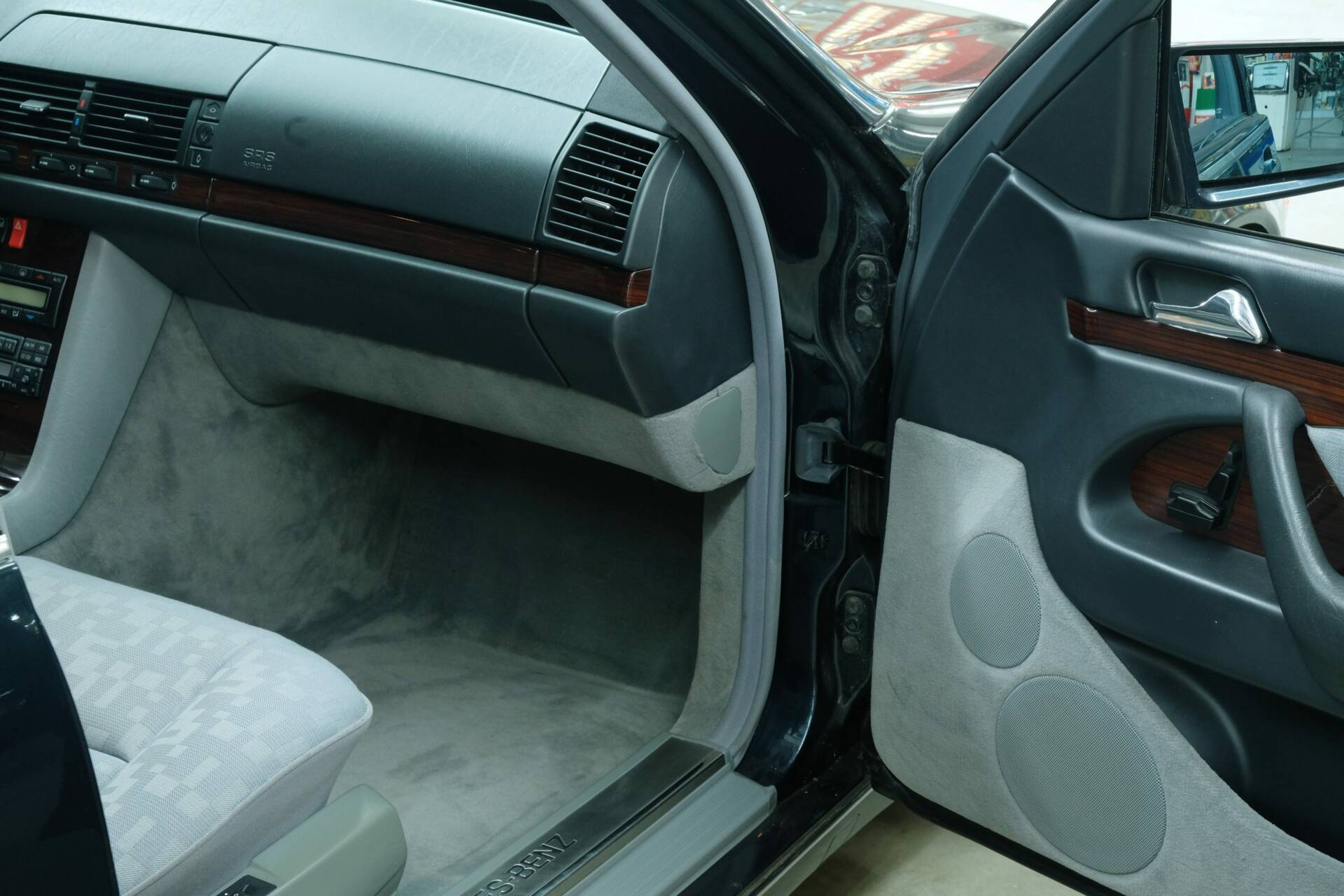
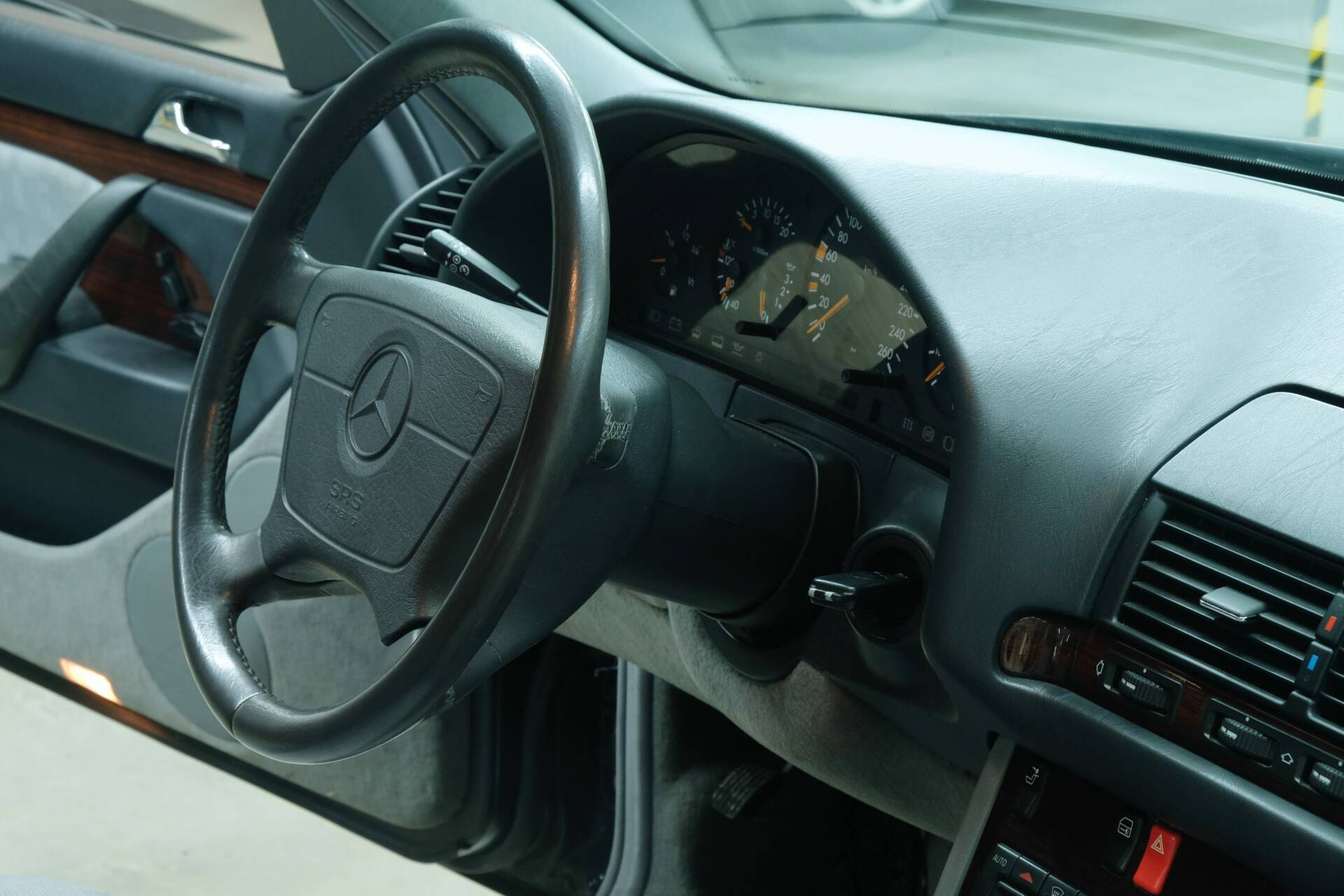
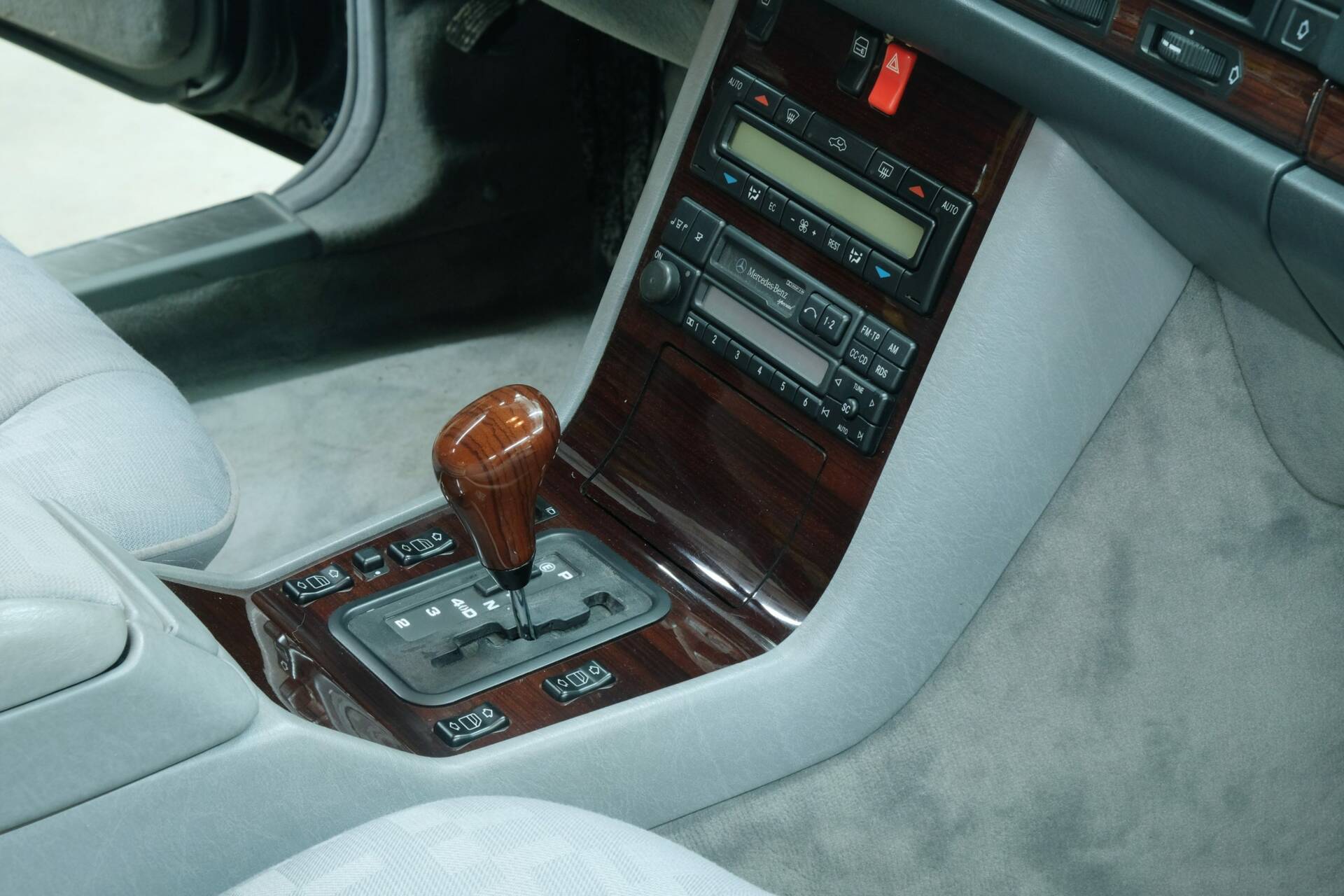
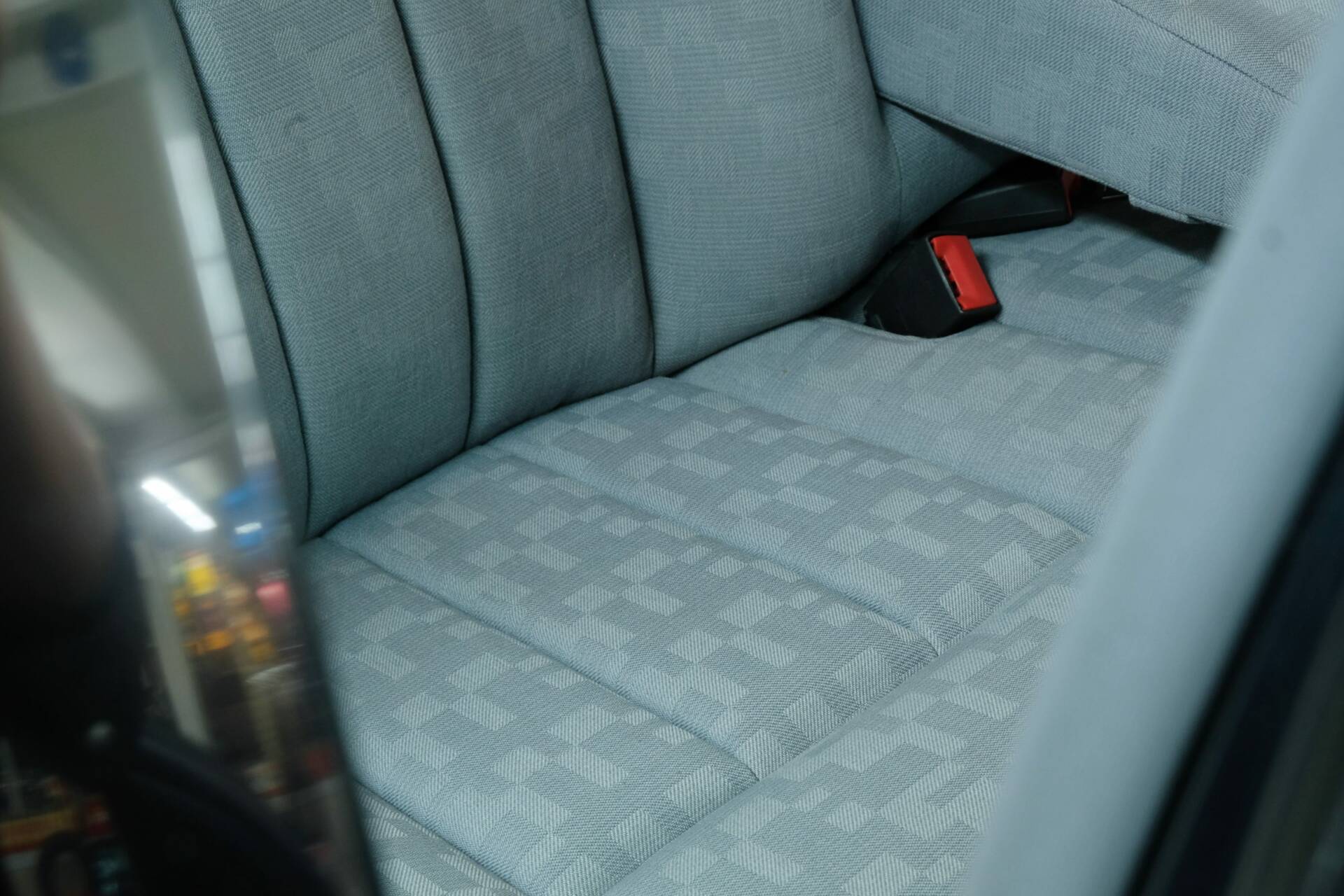
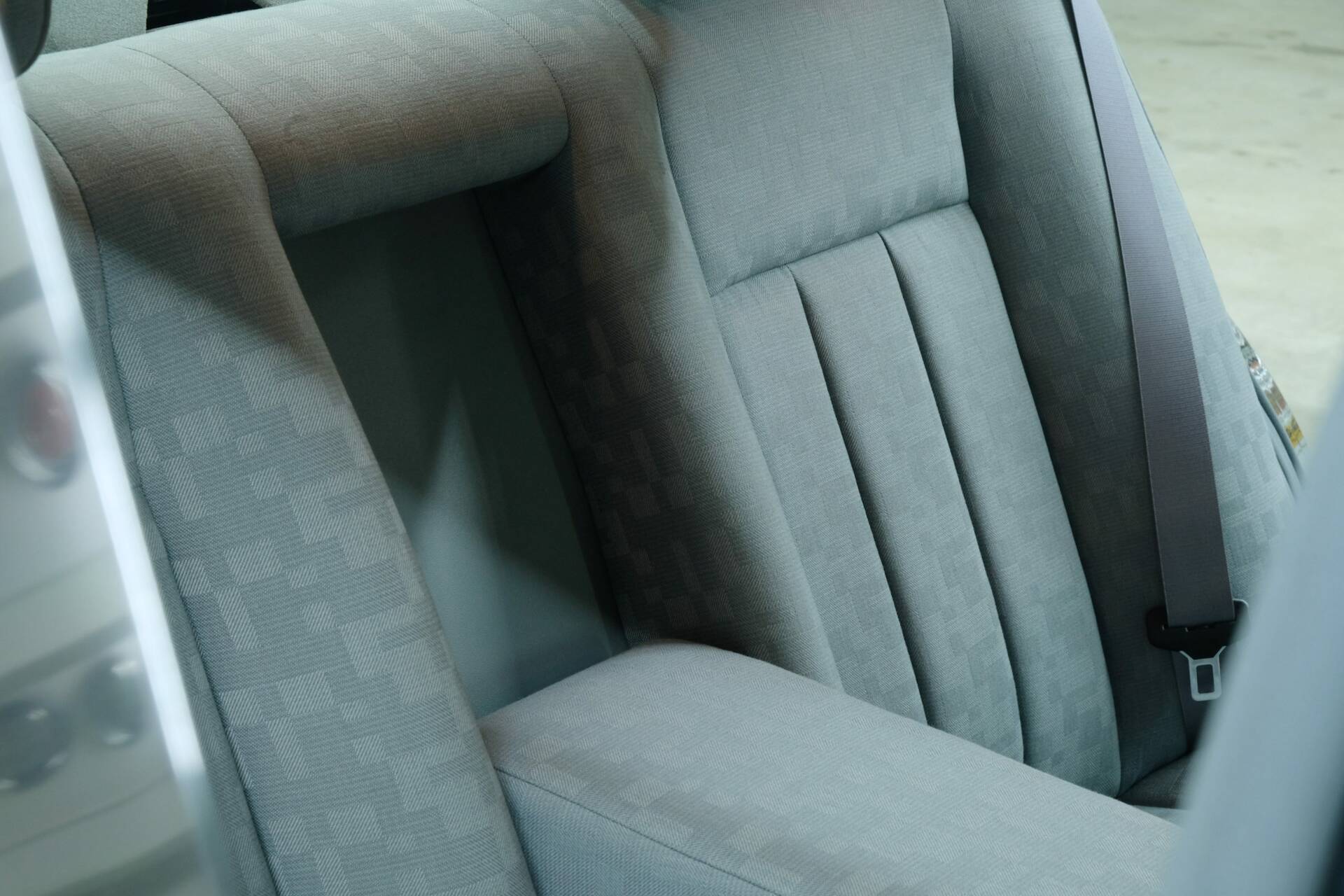
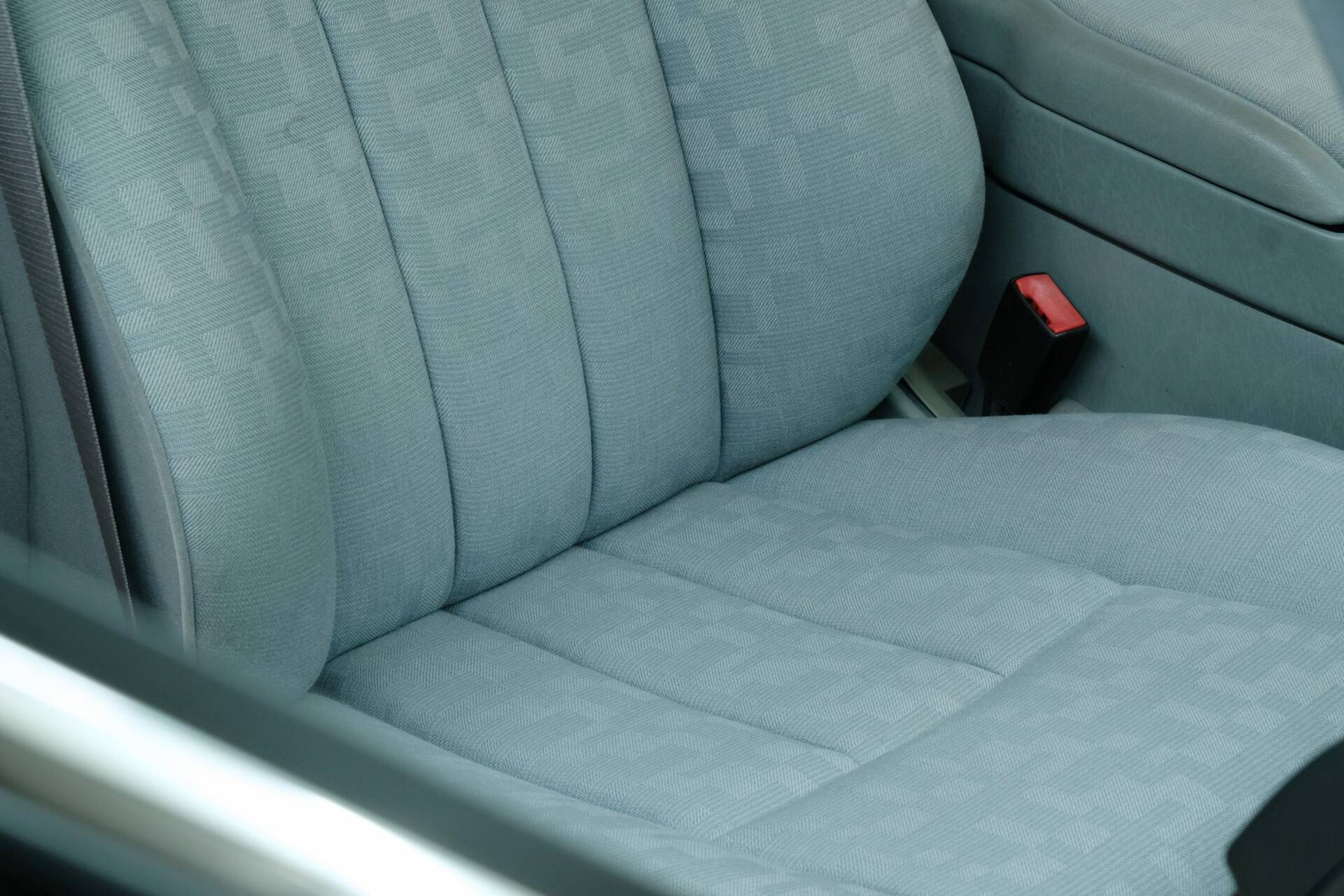
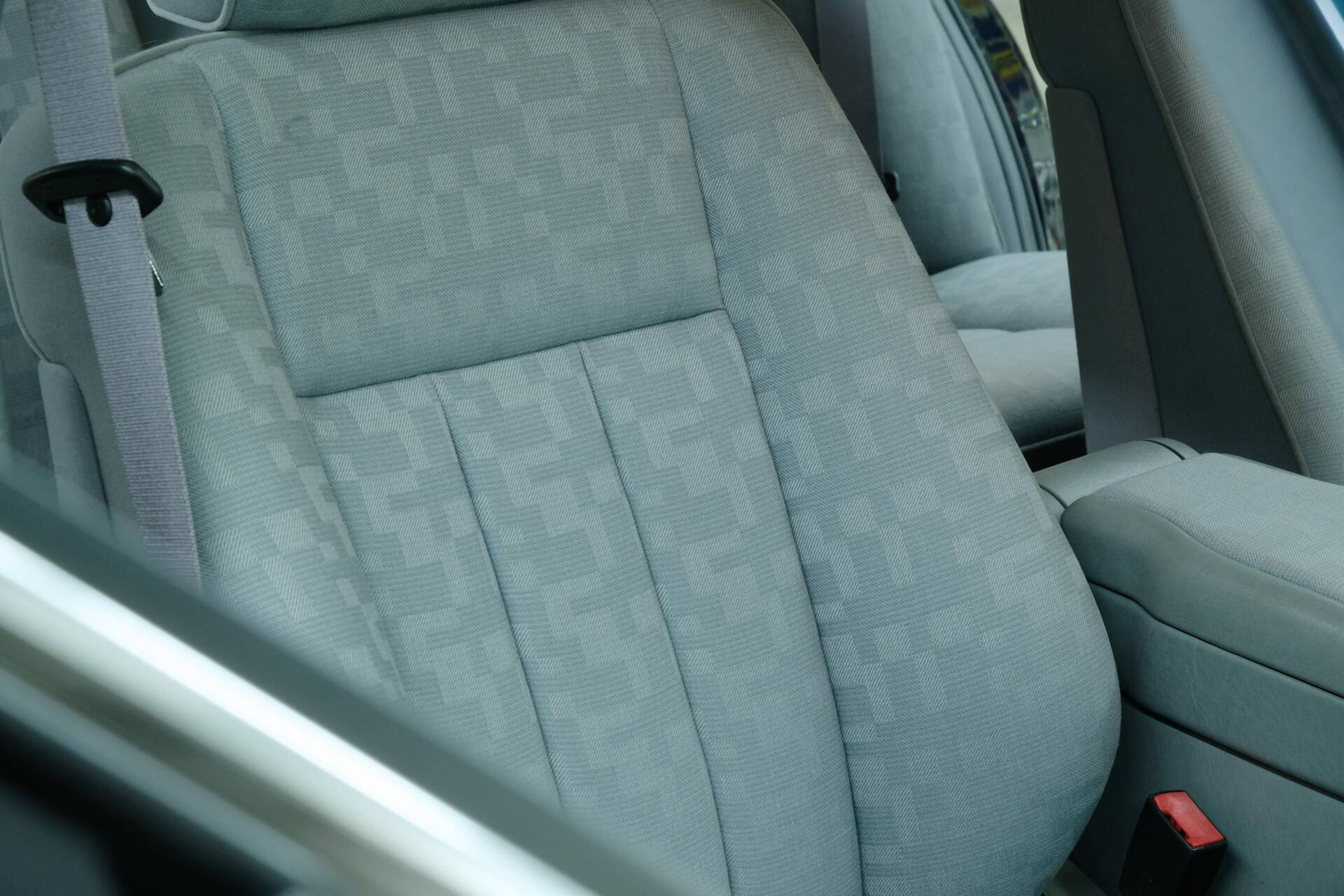
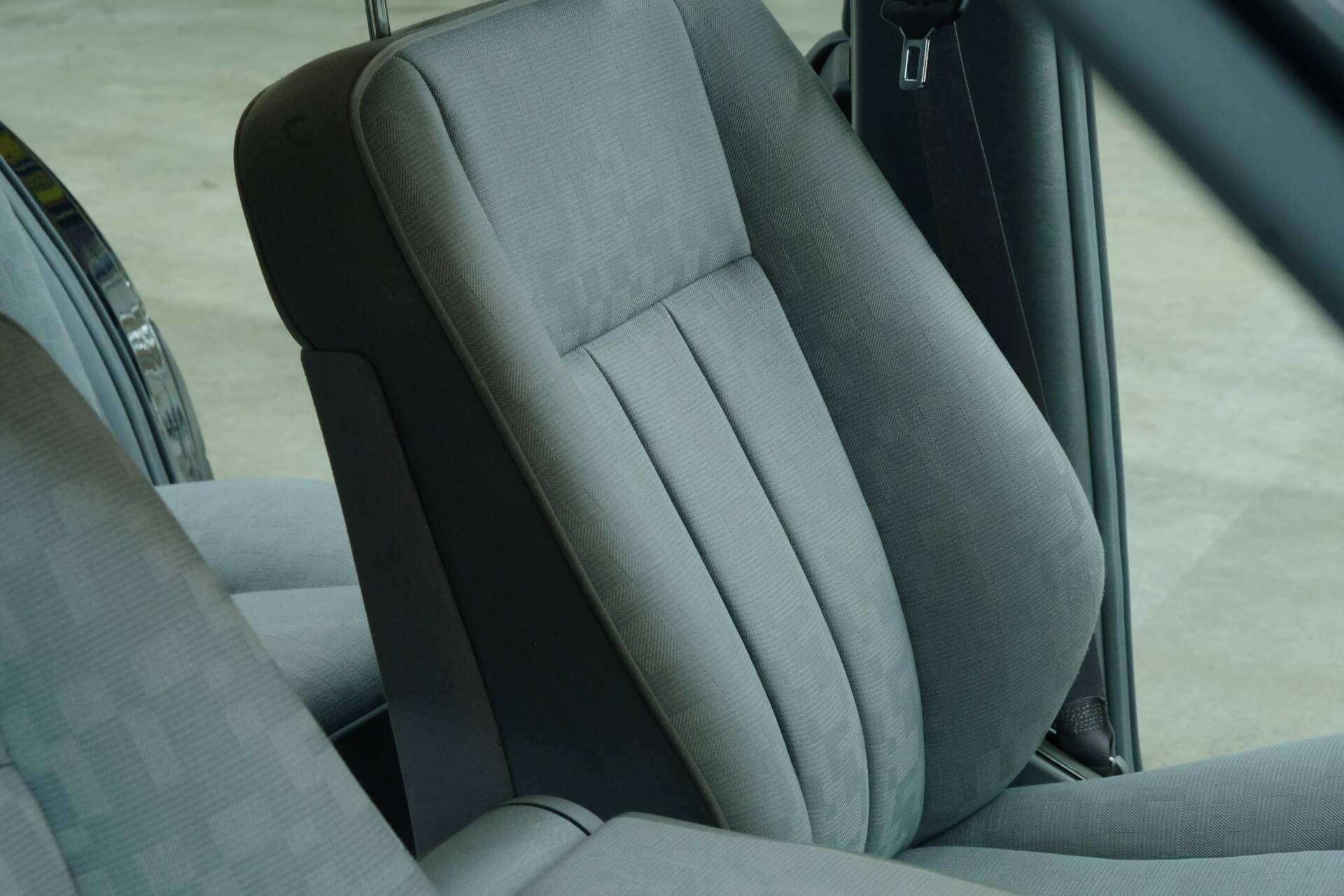
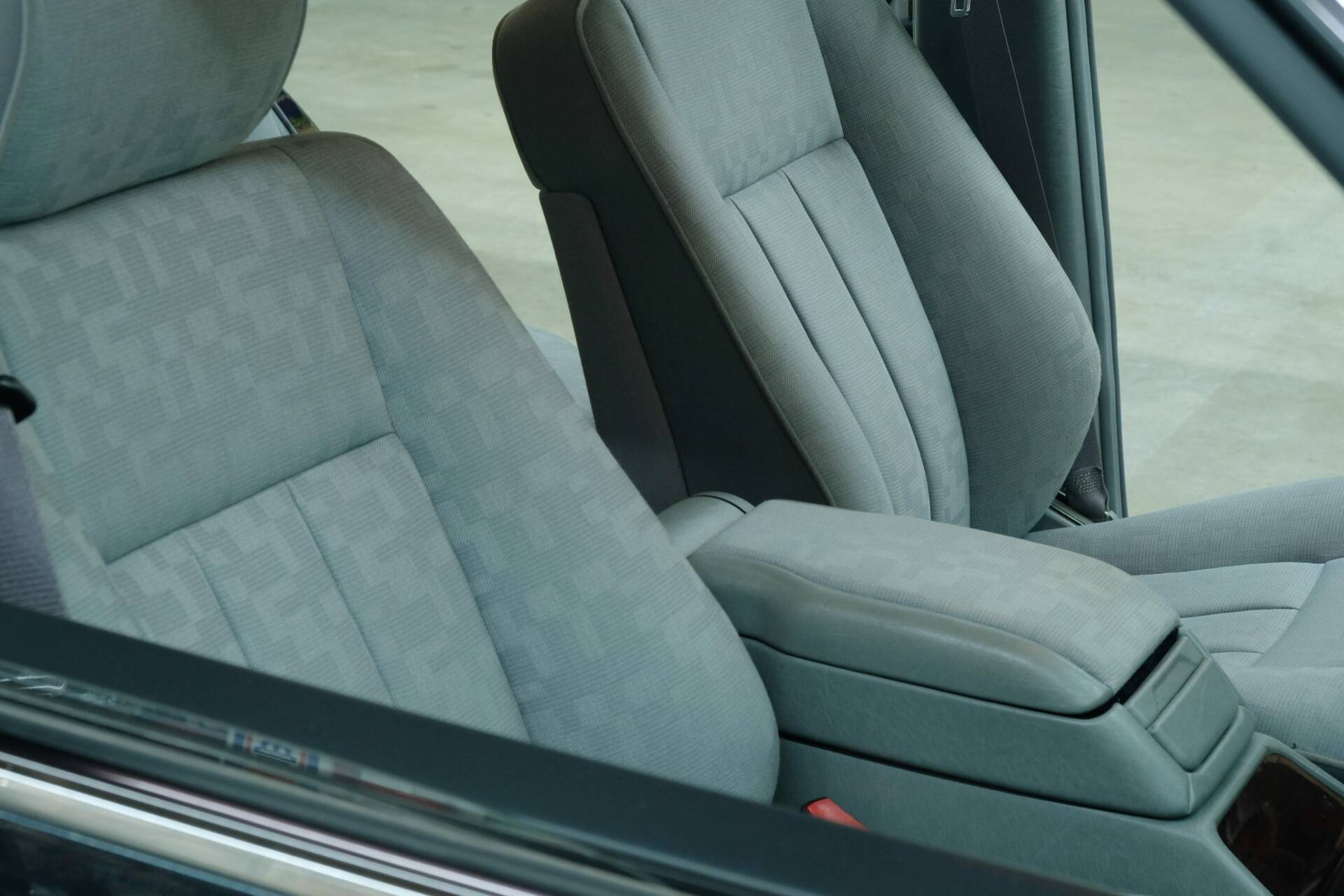
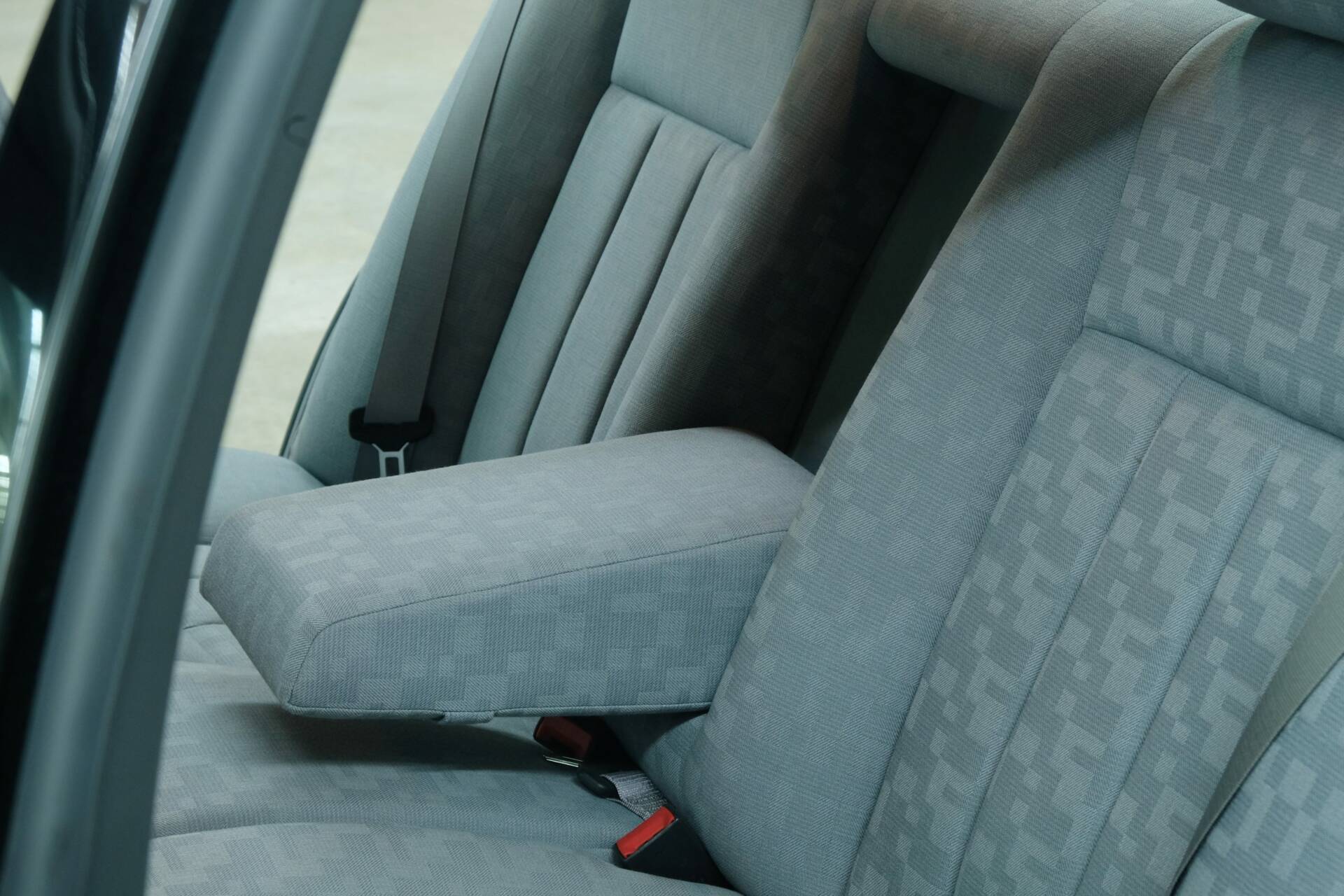
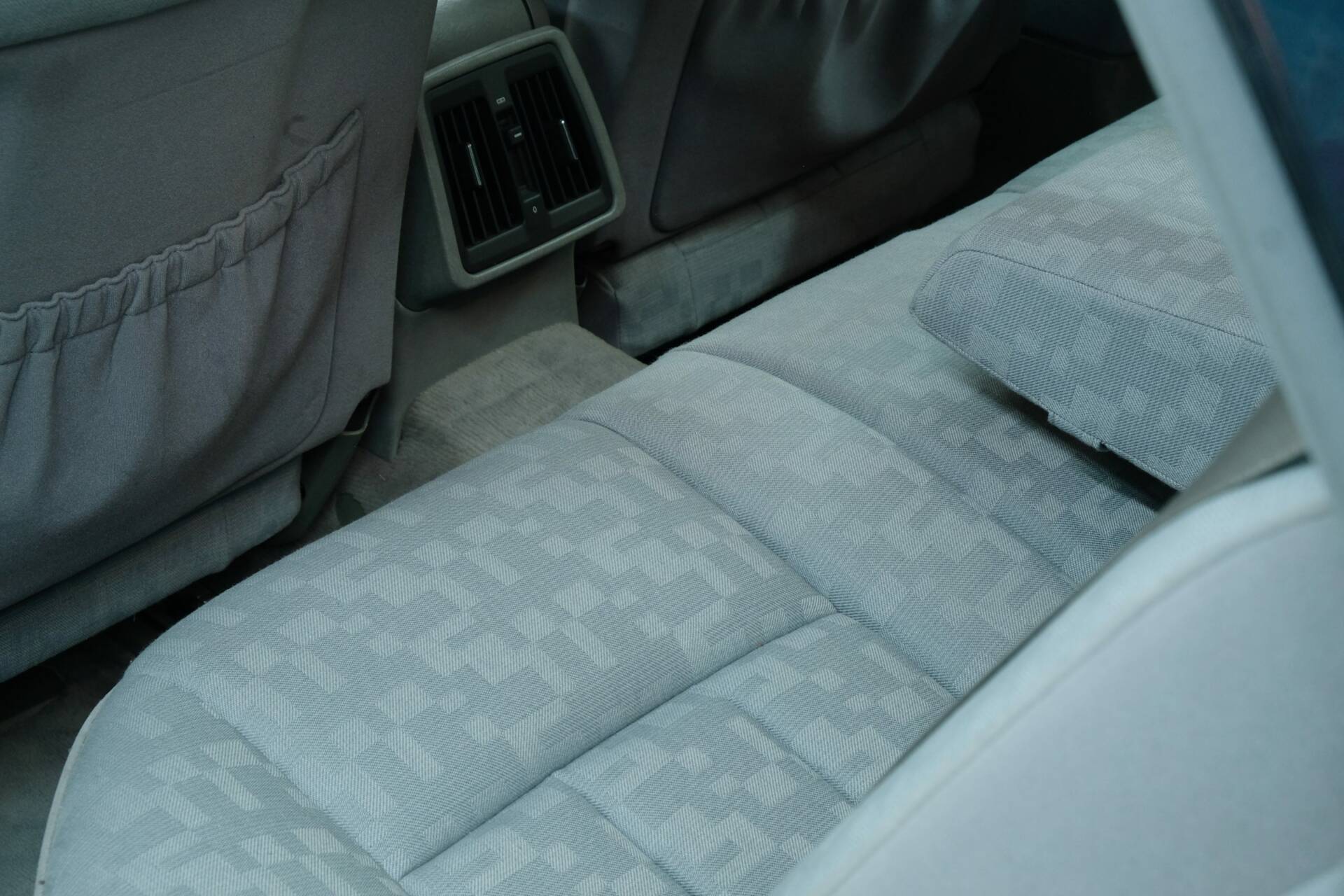
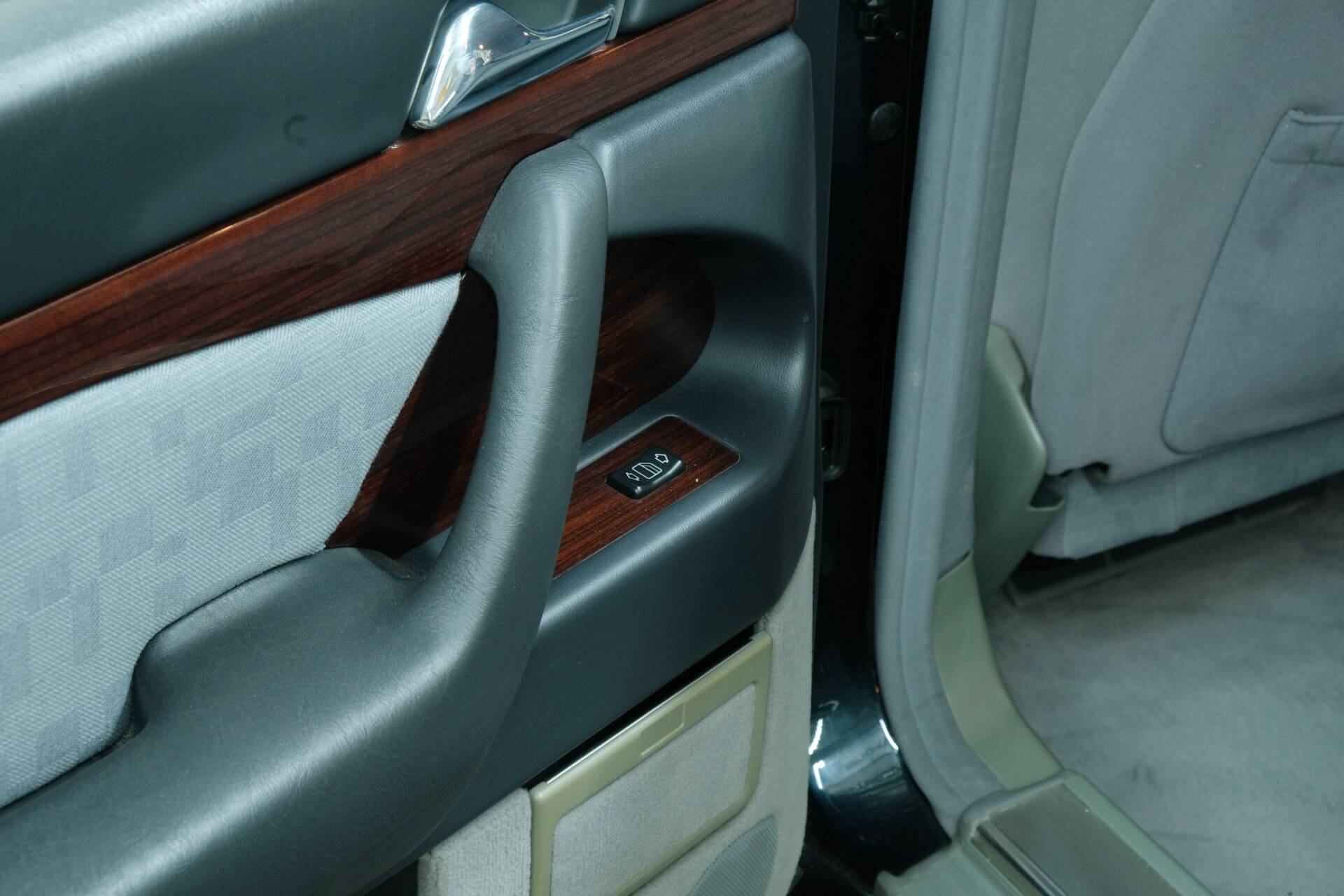
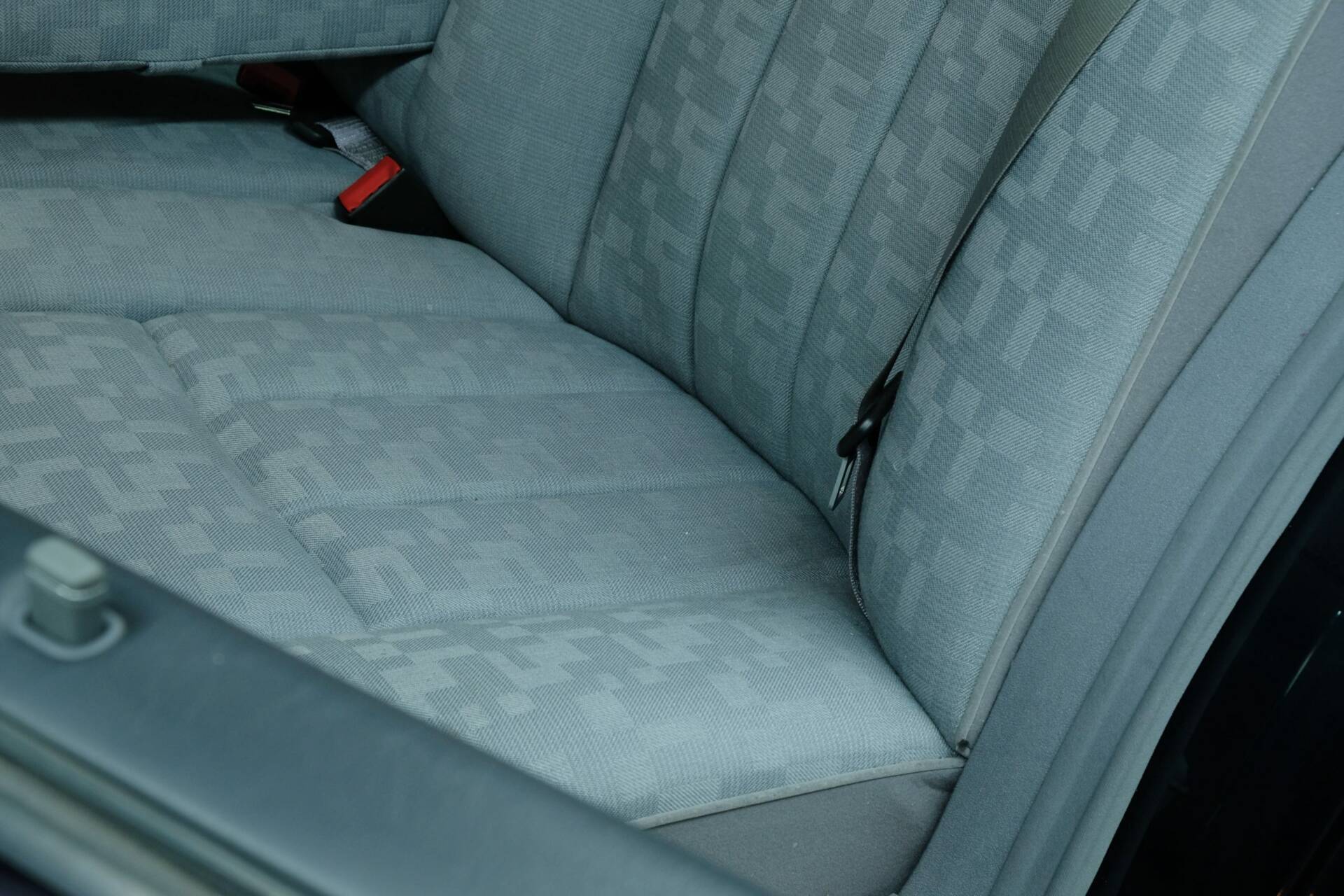
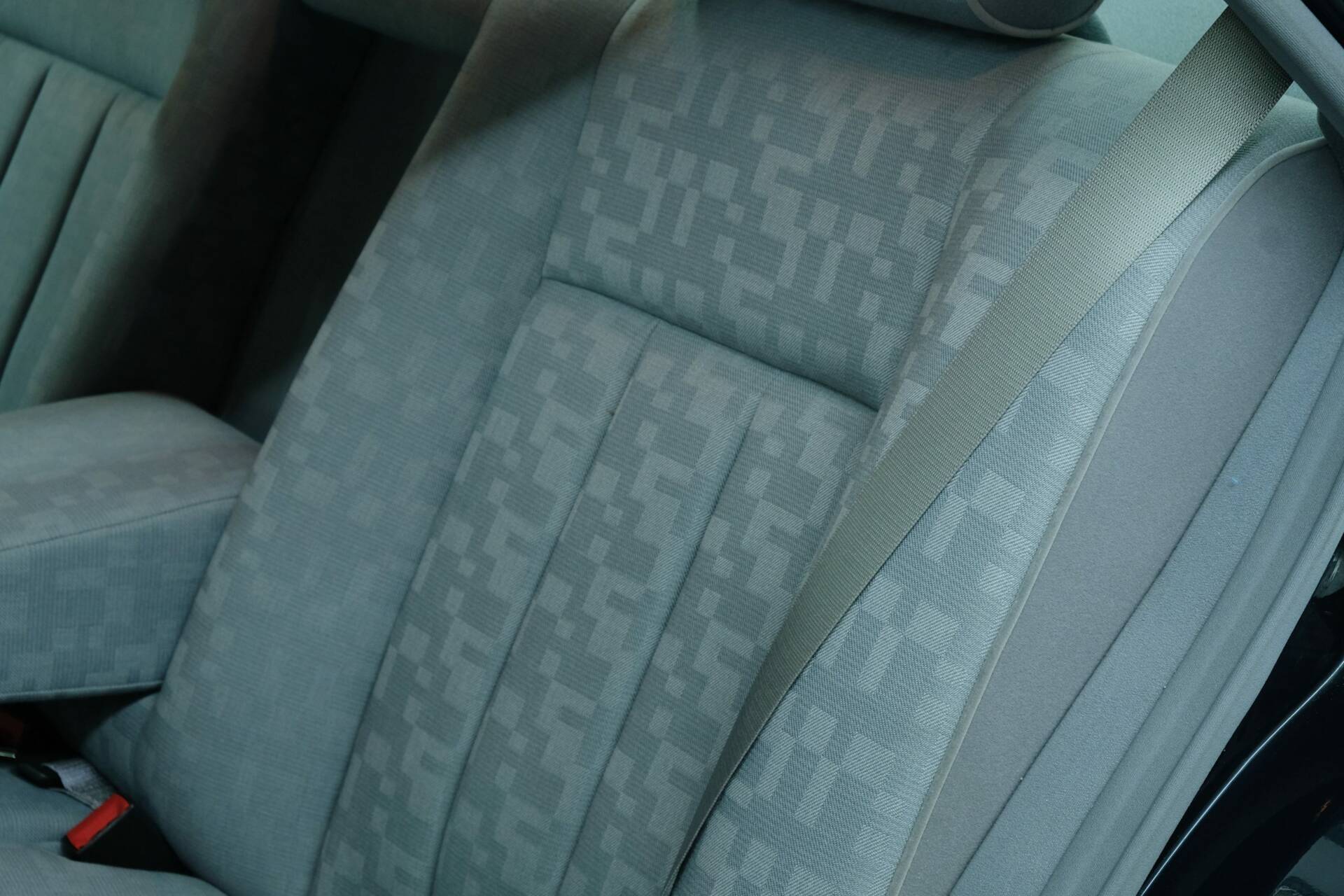
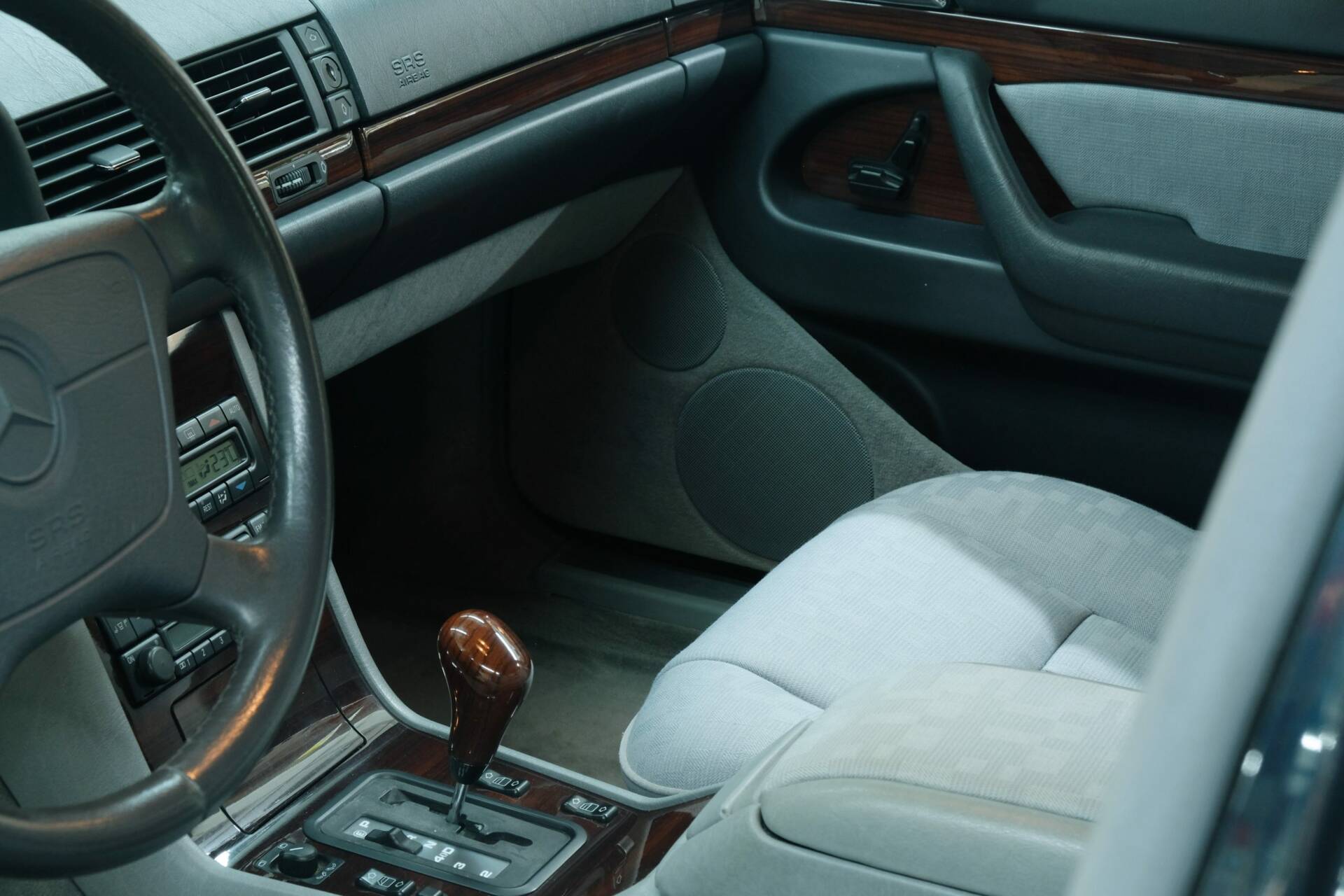
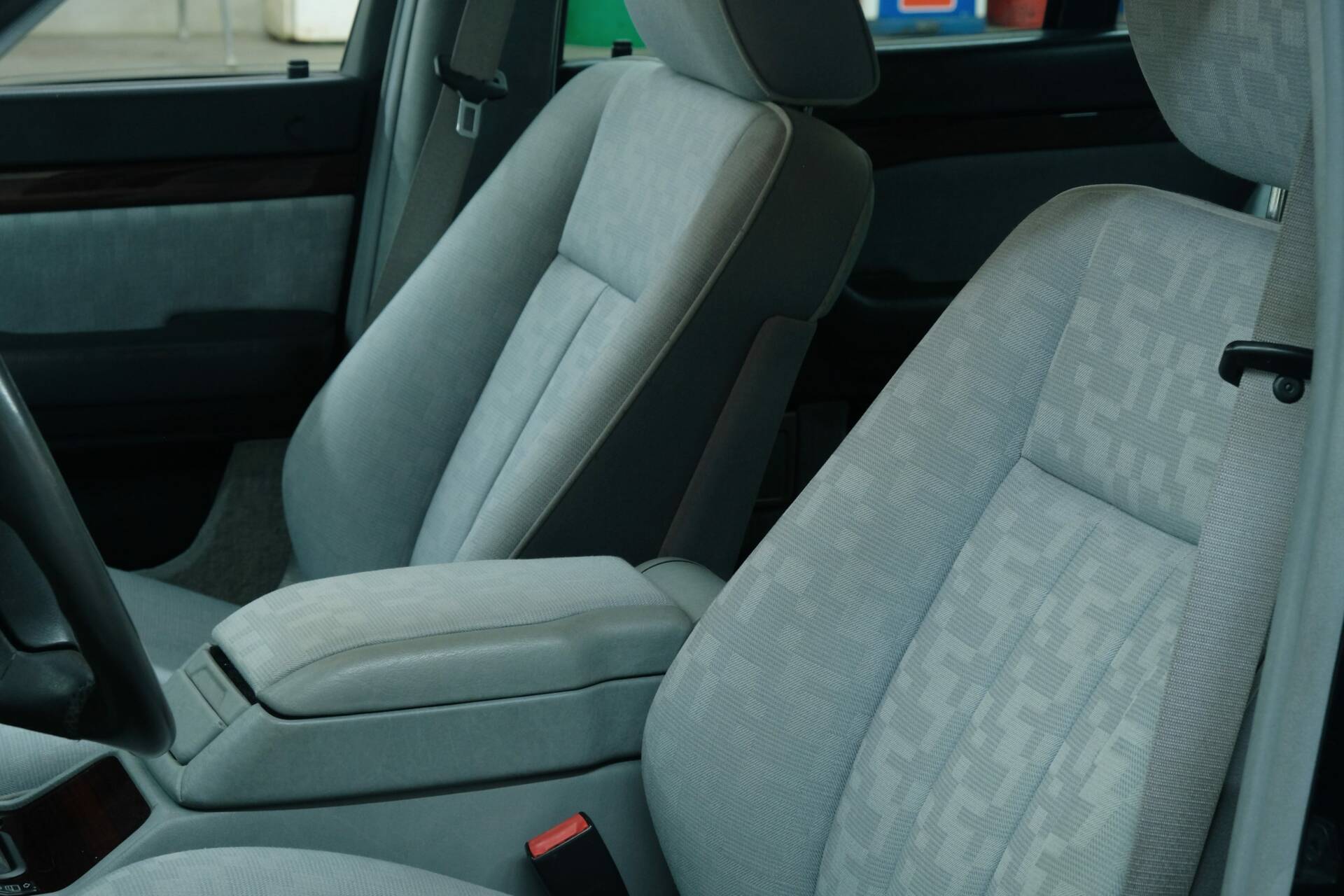
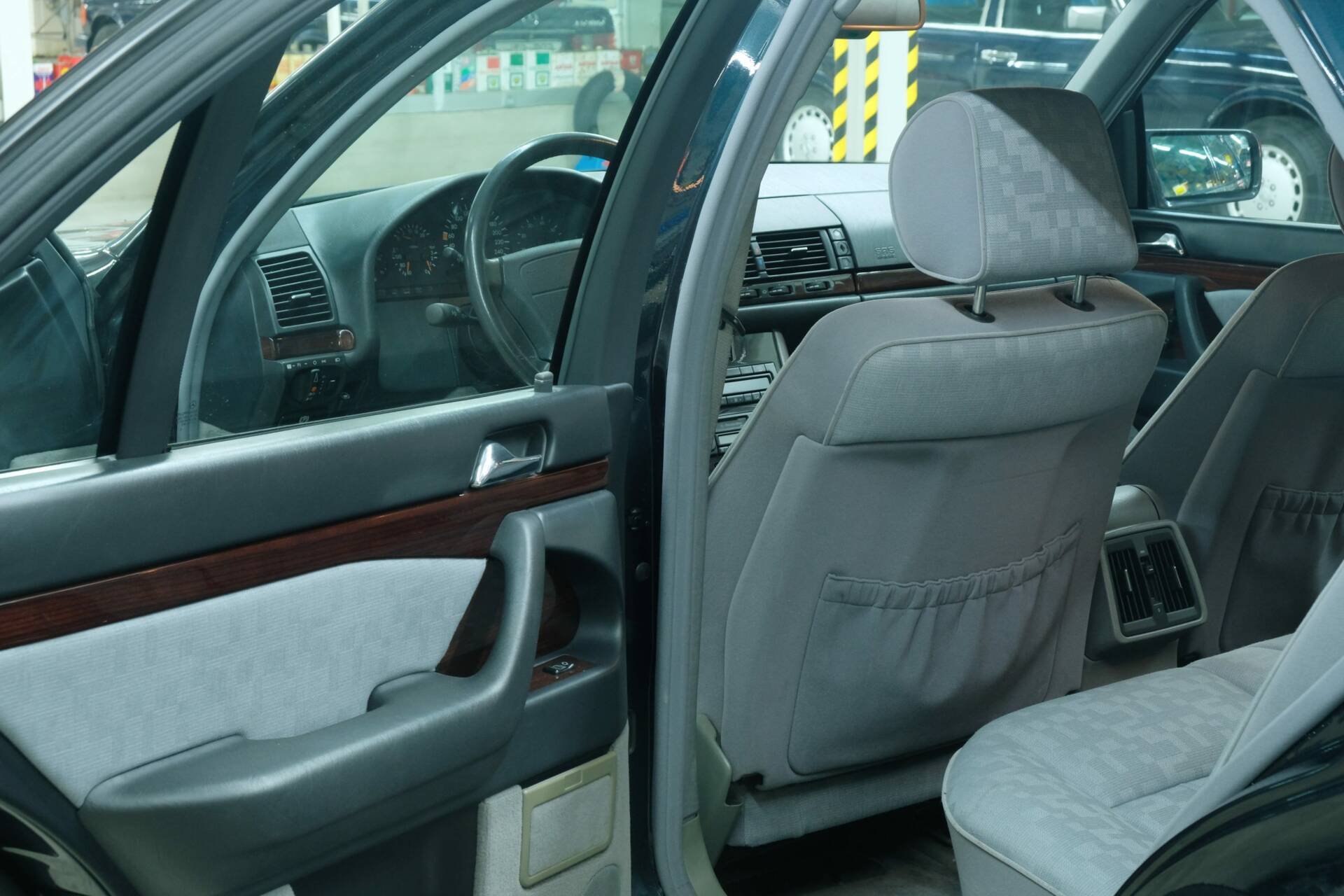
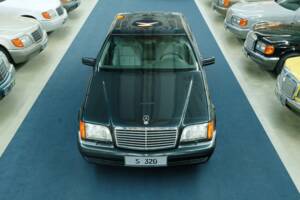
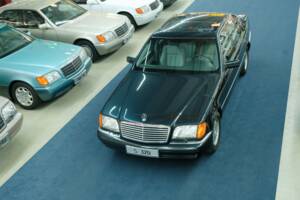
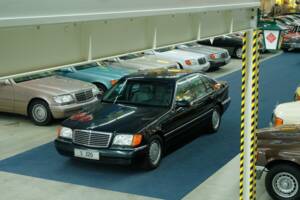
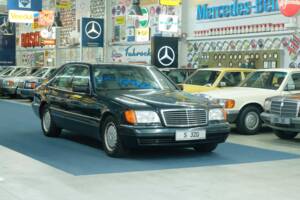
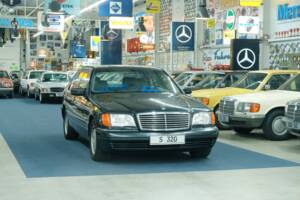
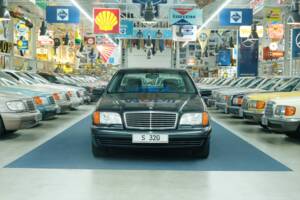
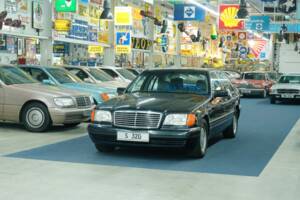
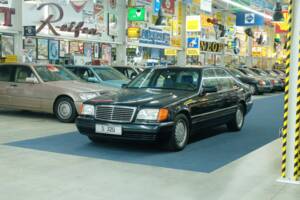
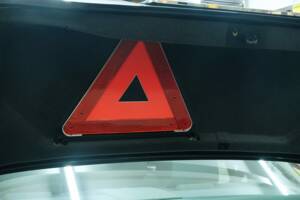
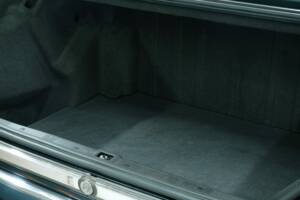
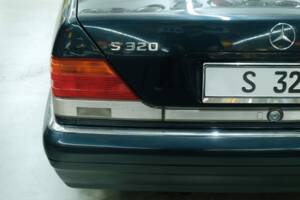
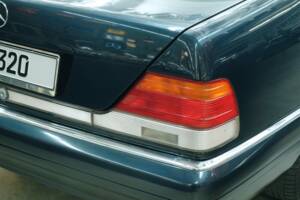
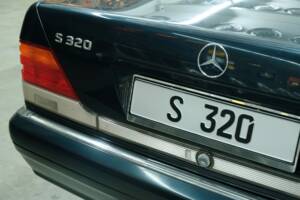
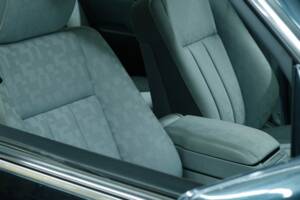
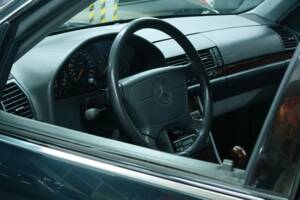
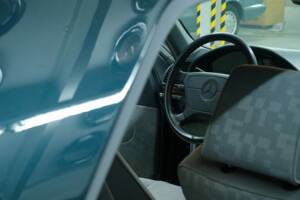
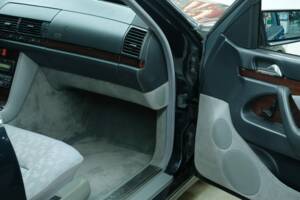
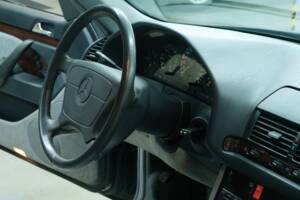
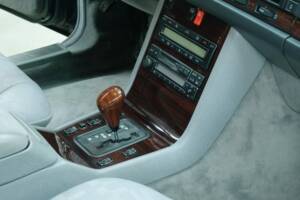
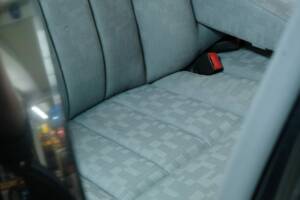
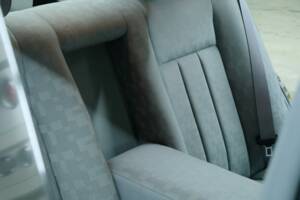
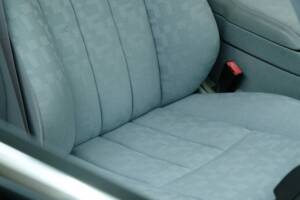
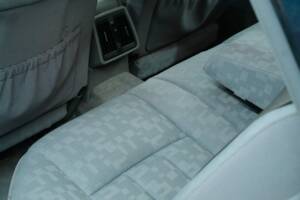
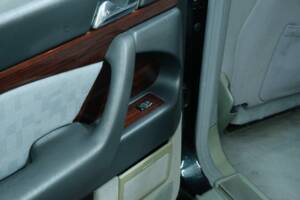
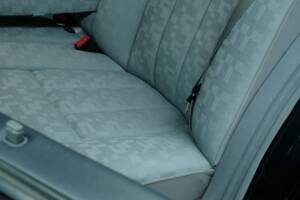
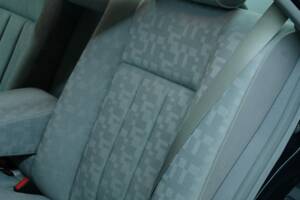
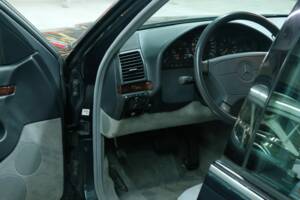
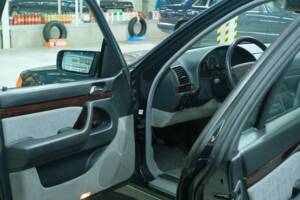
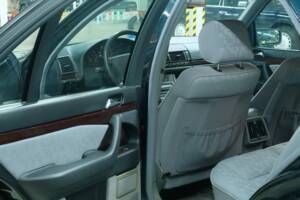
**Sale by auction This vehicle is being sold as Lot 064 at Humer Granner & Co's Sammlung Sonderklasse auction. - Starting price: 3,000 EUR - No reserve - Auction: 7-11-2026 14:00 - Viewing: 5-11-2026 to 7-11-2026 - Location: Gewerbeparkstraße 17, 4101 Feldkirchen an der Donau - Bidding options: In person | Online live | Telephone | Written bid **
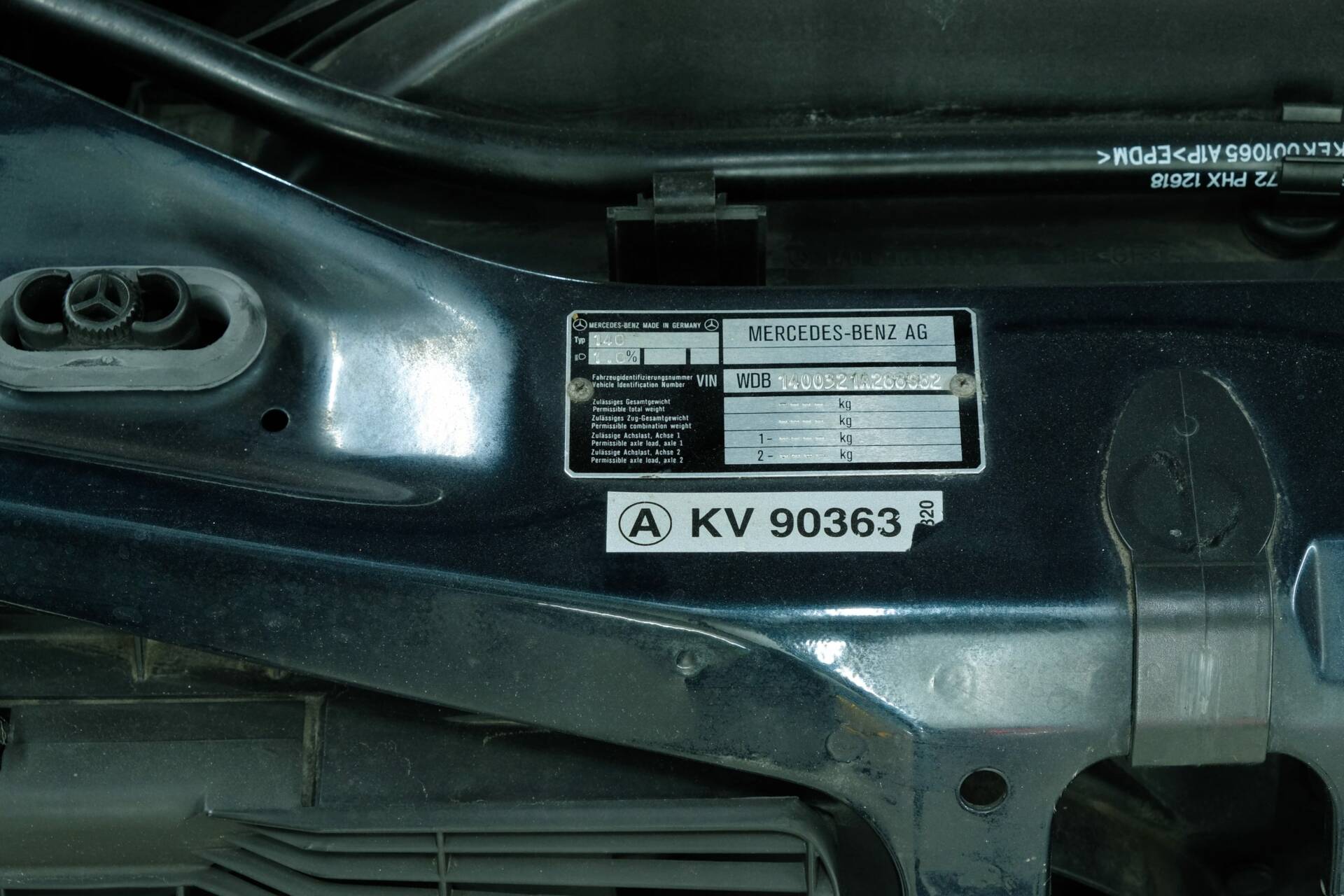
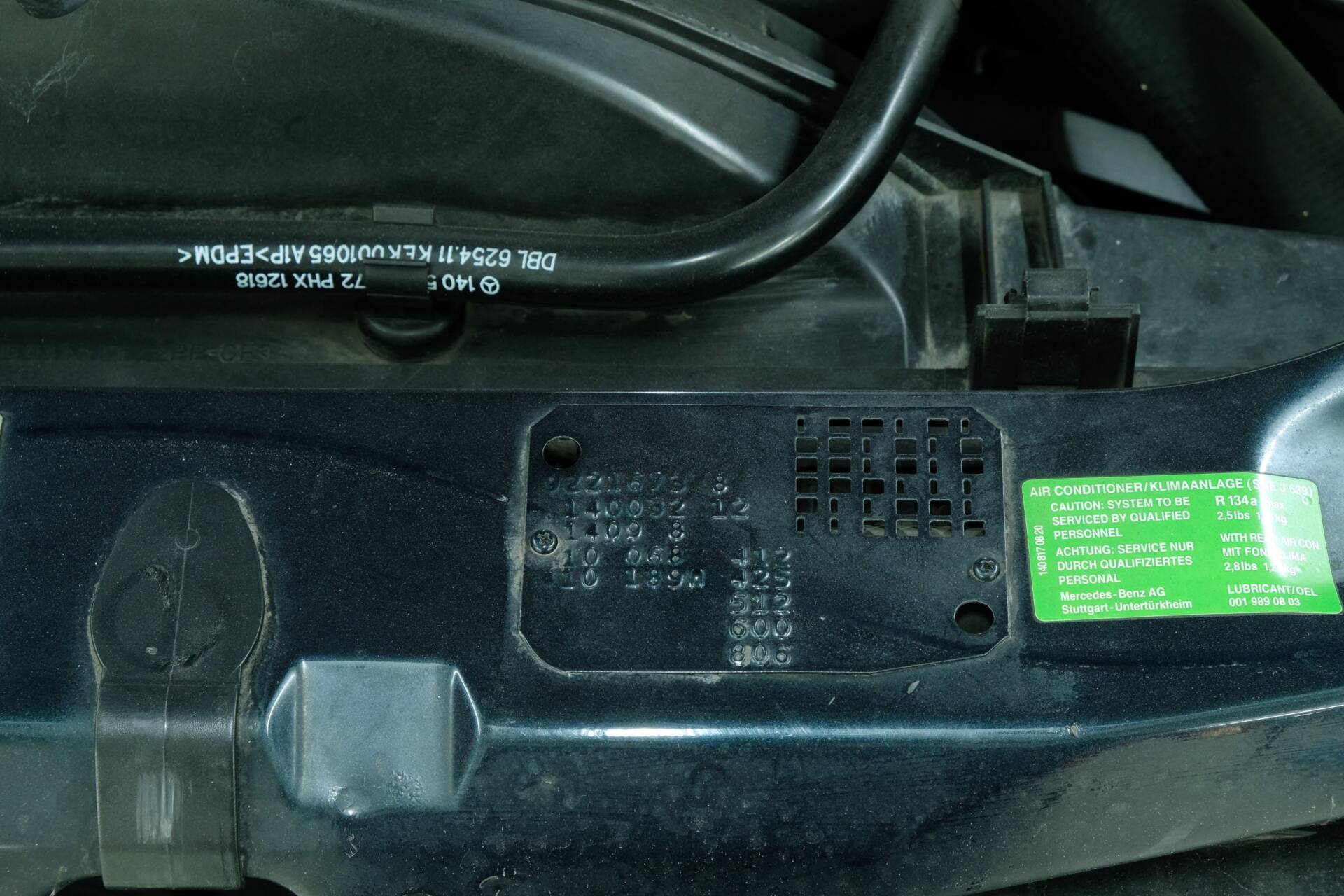
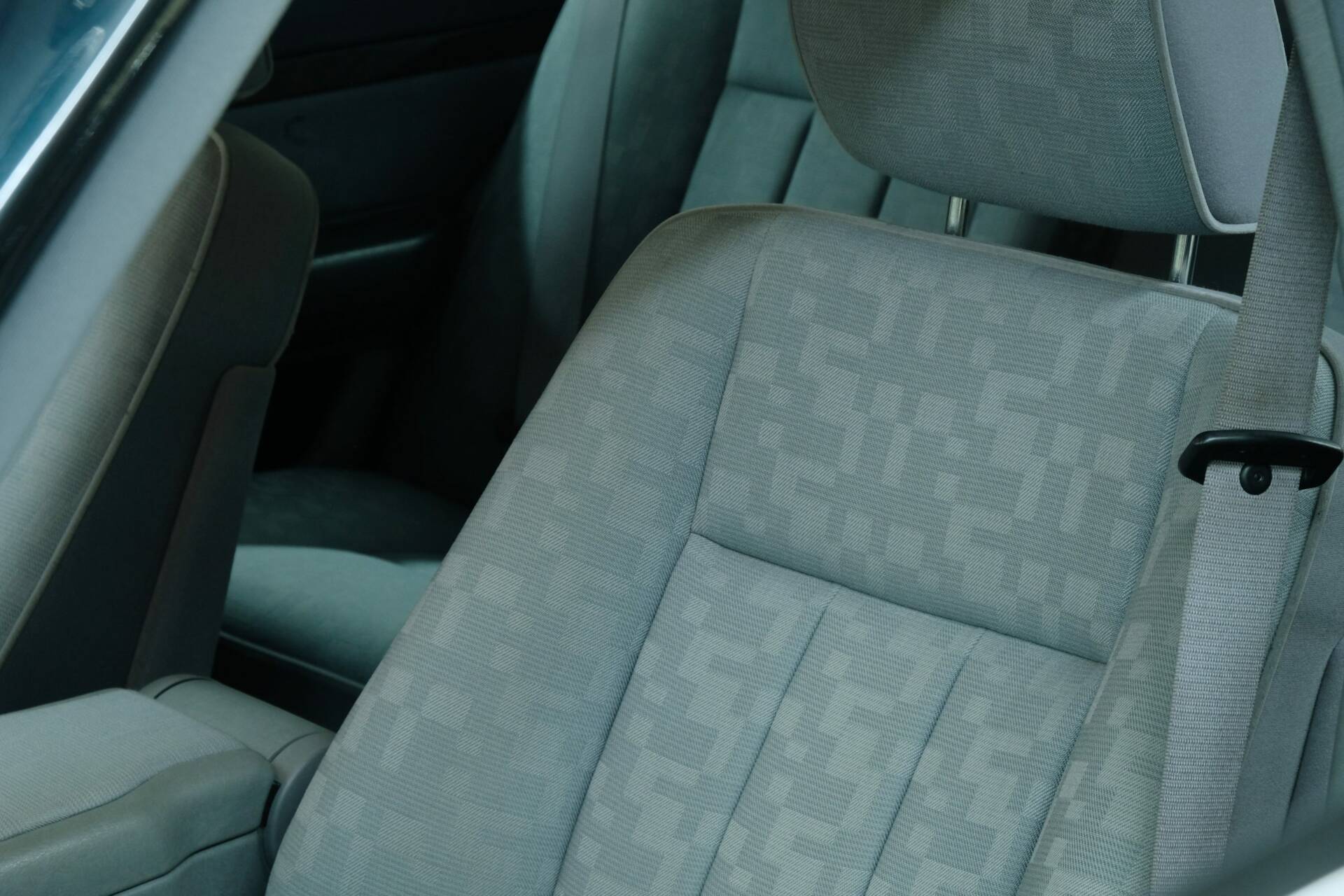
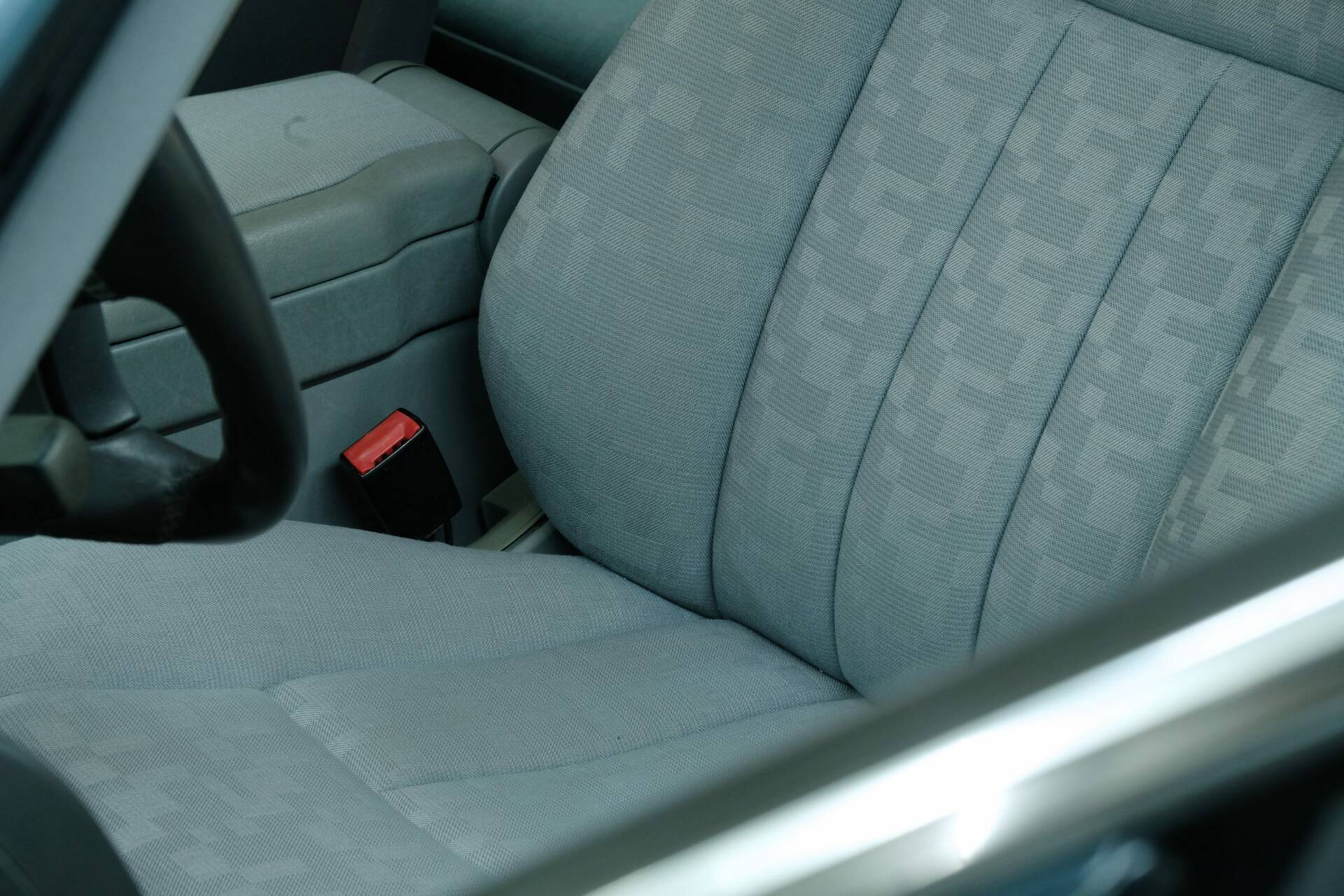
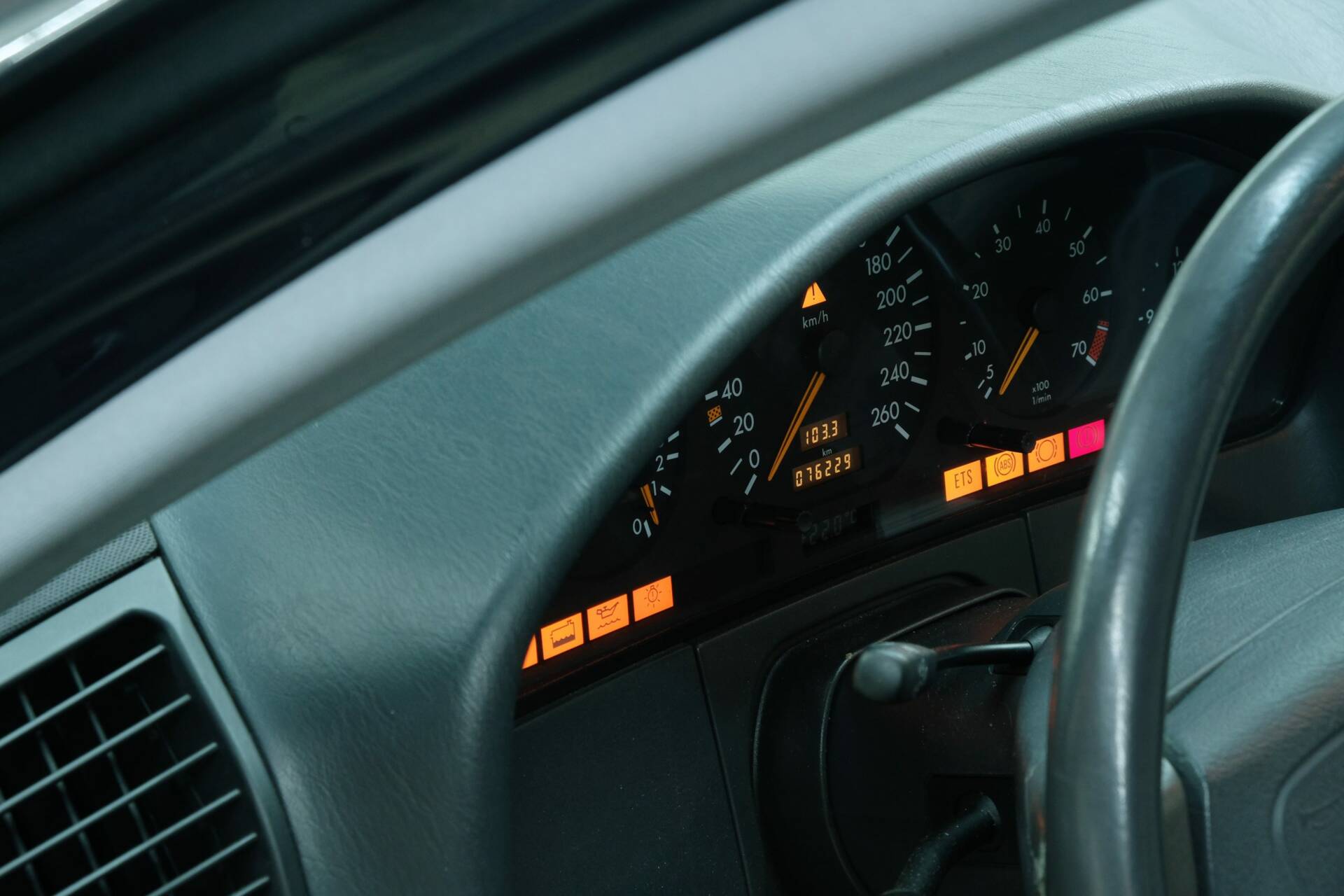
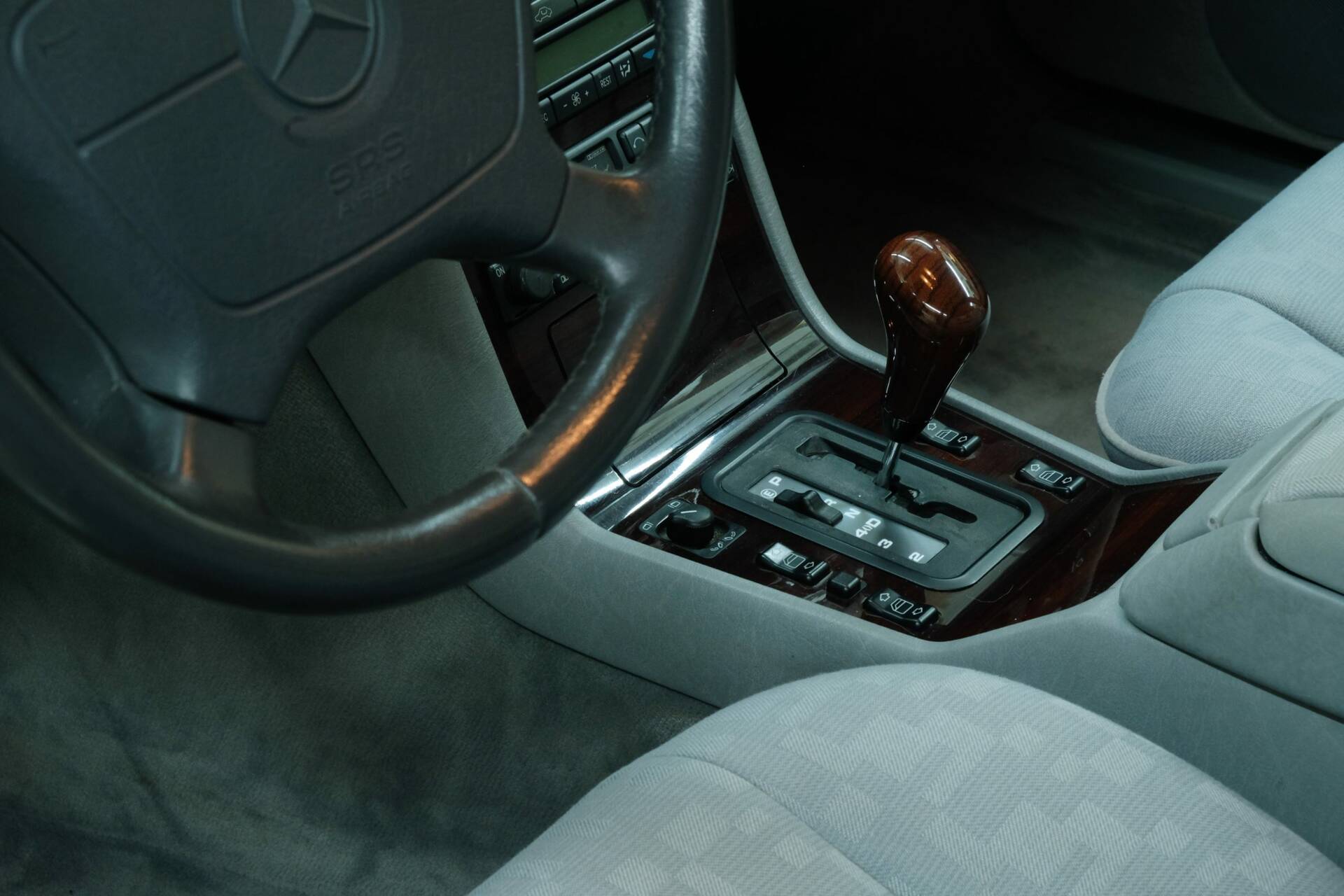
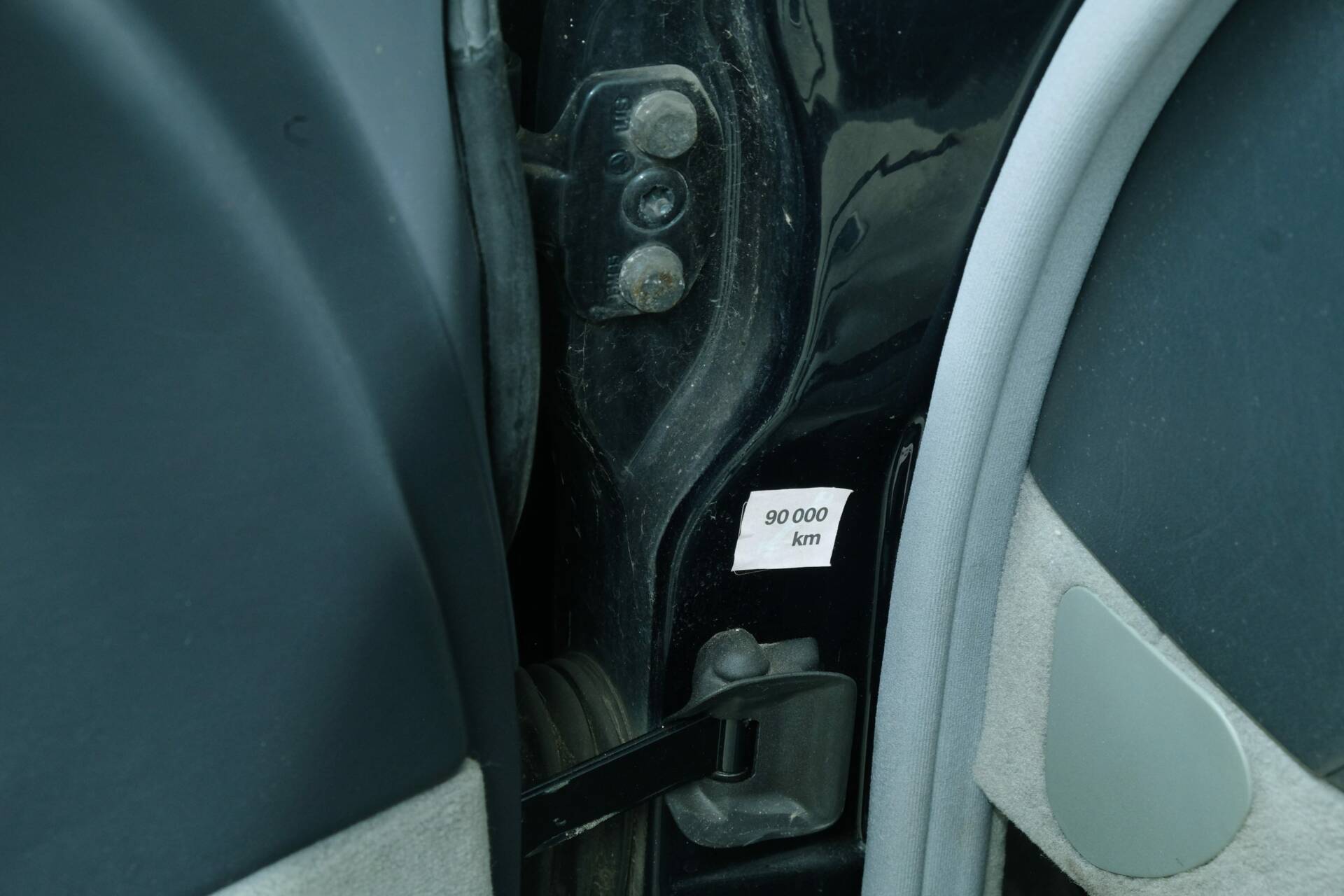
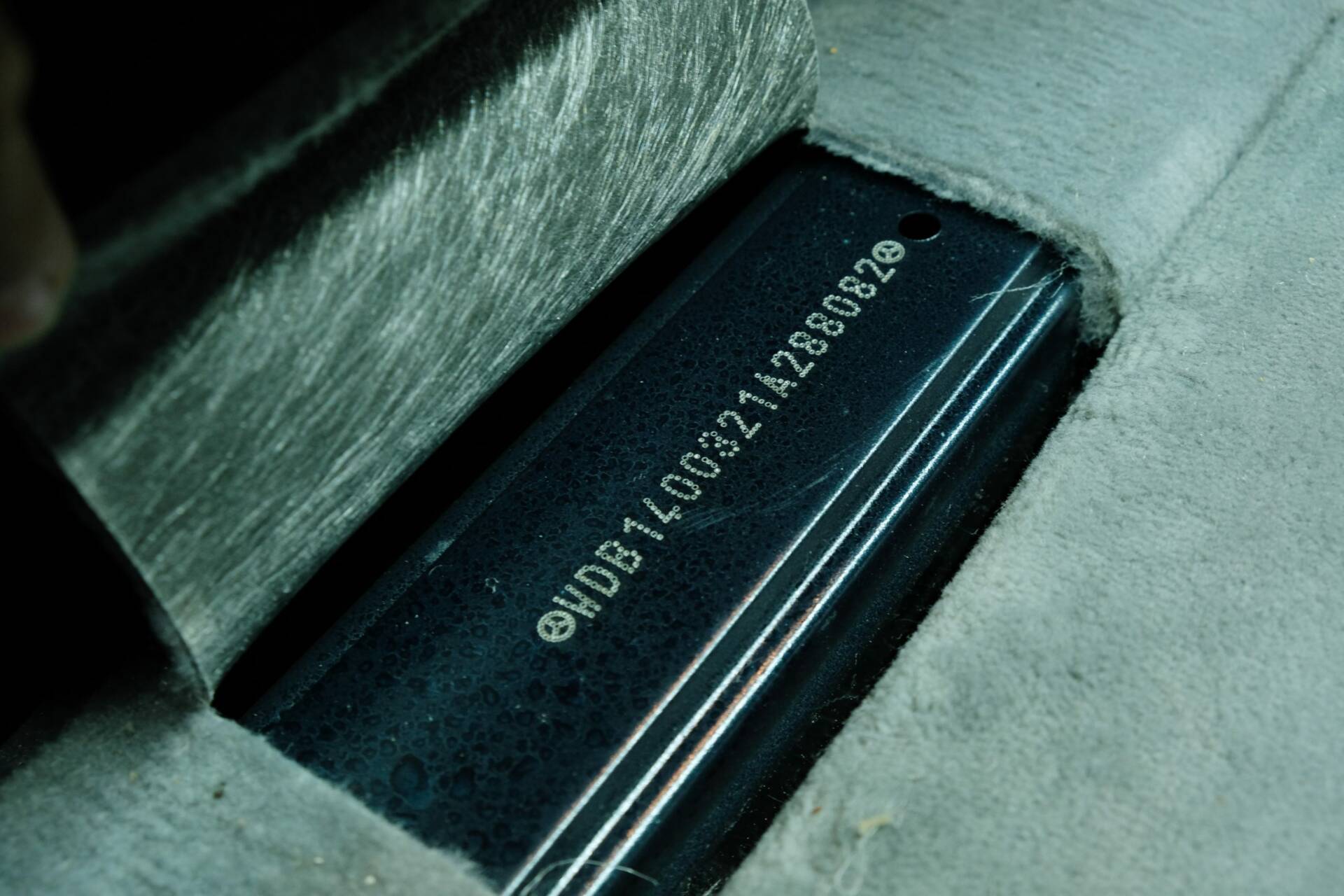
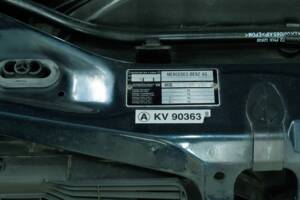
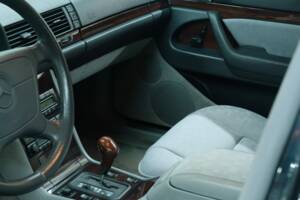
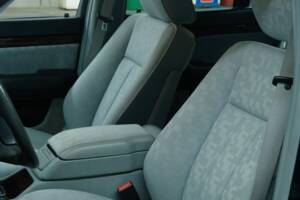
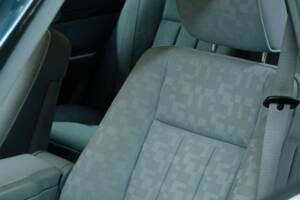
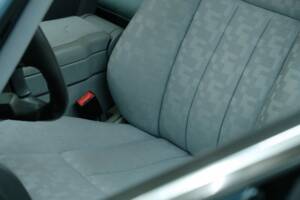
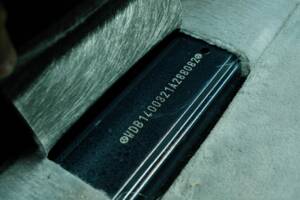
Vehicle data - Chassis number: WDB1400321A288082 - Fuel: Petrol - Colour: 189 emerald black metallic - Mileage: 76000 km - Transmission: Automatic - More pictures and details: https://hg.auction/lots/1996-mercedes-benz-s-320/
About the W 140 model seriesAs early as 1981, when the S-Class of the W 126 model series had been on the market for just two years, development work began on a successor series. No less than 3 billion Deutsche Marks were budgeted for it, with the launch planned for 1989. The team headed by chief designer Bruno Sacco presented several designs, one of which, by Olivier Boulay, was chosen as the final design at the end of 1986.
Then the unimaginable happened. With the 750i, BMW presented the first German production twelve-cylinder of the post-war era, which made the 560 look literally old in the first comparison tests. All the high-tech electronics that had been built into the new S-Class suddenly seemed secondary. Mercedes had to respond; a twelve-cylinder was needed. And it had to be there right from the market launch, which was pushed back by two years. They followed the same path as their Bavarian rival. Two six-cylinders were combined to create a V12. Six litres of displacement was one more than in Munich, and with 408 hp, Mercedes also made no concessions in terms of power, relegating the competition. This suited the exterior, which consciously turned away from the filigree elegance of its predecessor. Broad surfaces, gently rounded forms and imposing proportions gave the W 140 a presence that was difficult to overlook. Not everyone liked it at first sight, but that was precisely the point it made. The new S-Class did not want to be pleasing. It was meant to radiate authority.
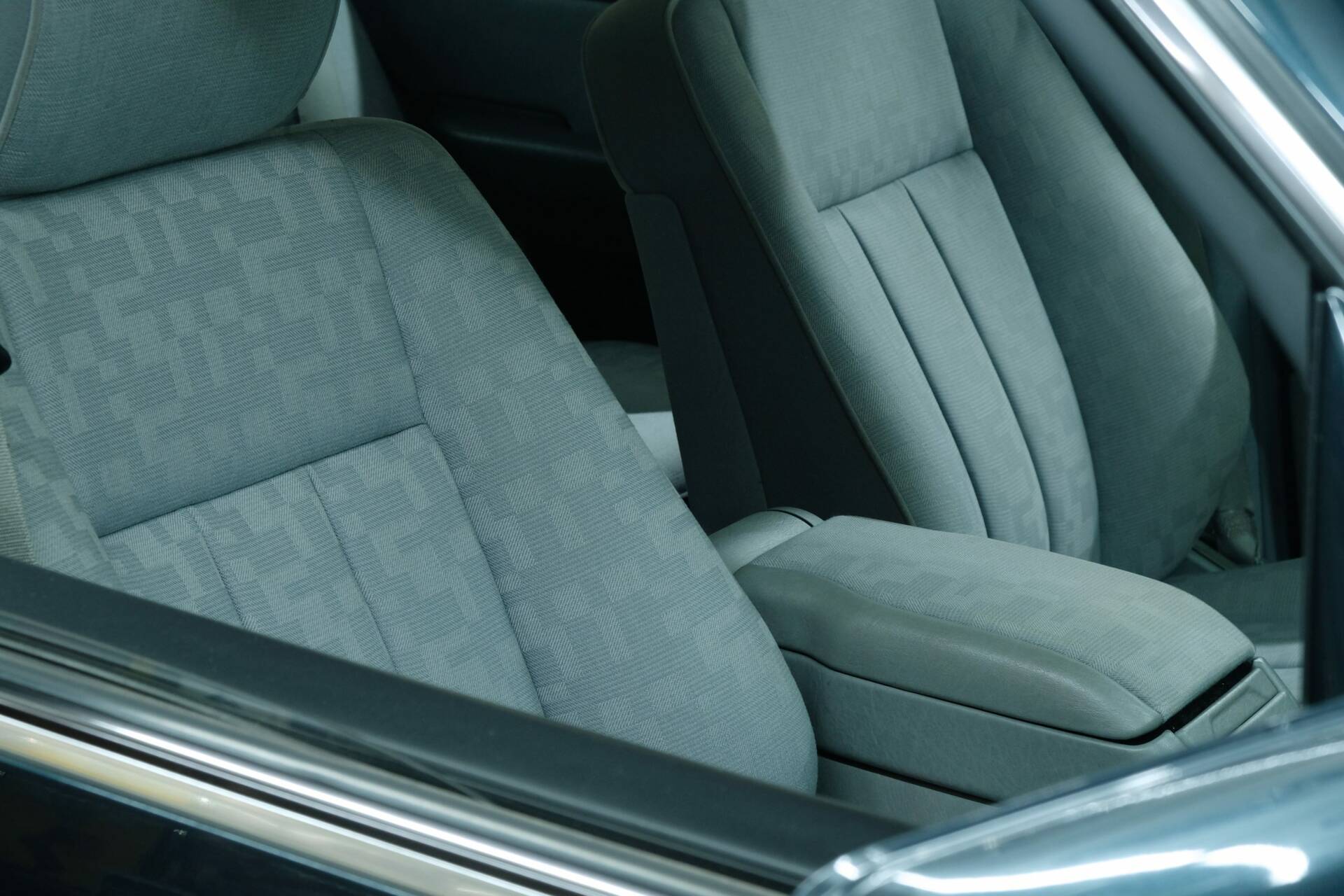
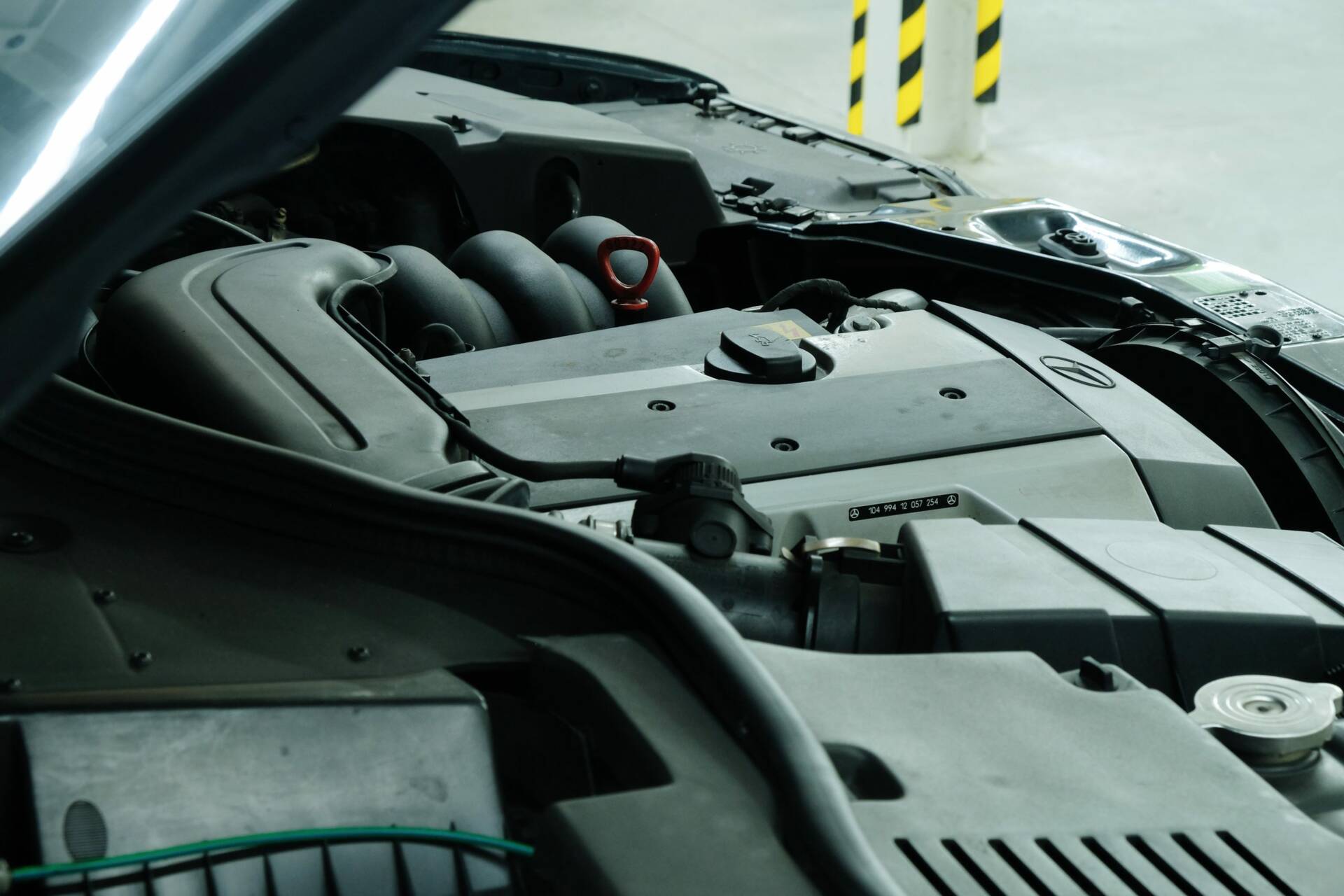
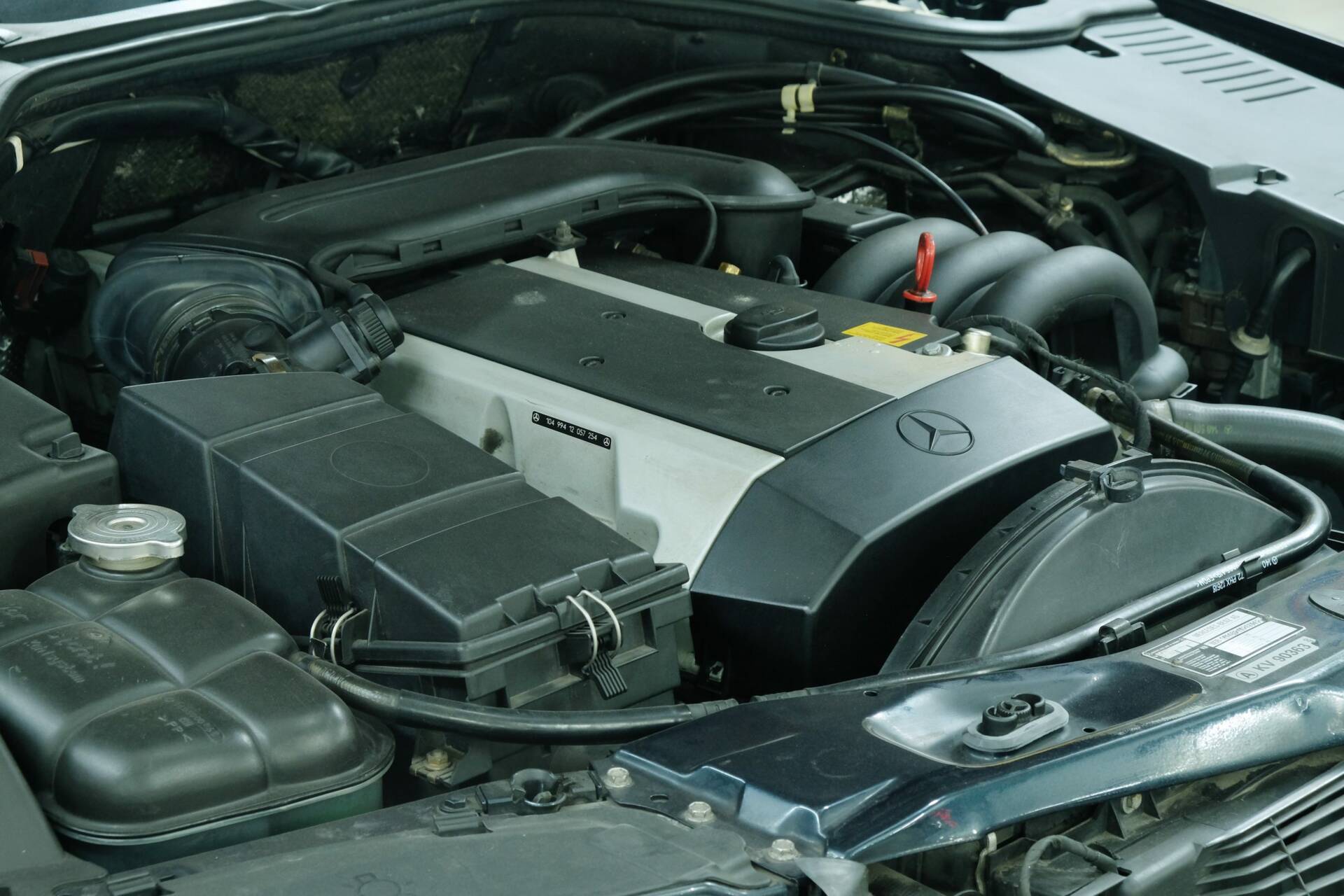
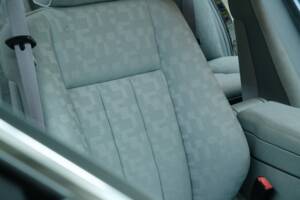
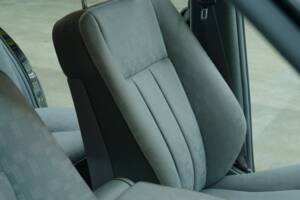
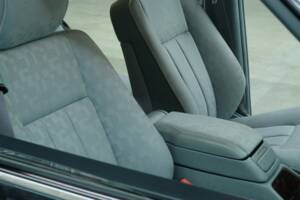
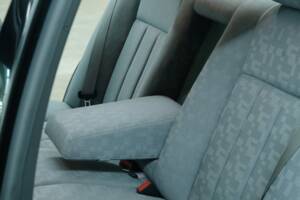
Under the skin, Mercedes-Benz spared no expense. Double glazing provided a level of sound insulation that had been virtually unknown until then; doors and boot lids could be closed almost silently at the touch of a button, while the air conditioning, seats and suspension achieved a level of comfort that made even luxury cars from rival manufacturers look dated. Electronics found their way into virtually every area. The W 140 was no longer an automobile consisting exclusively of mechanical components, but a high-tech centre on wheels. Mercedes was also unwilling to compromise when it came to the engines. Alongside the V12, refined straight-sixes and commanding eight-cylinders formed the backbone of the model series. Speed was not the S-Class's greatest strength, but rather the complete effortlessness with which it handled every driving task. In the W 140, you never had to call upon its power. It was simply always there.
However, this wealth of technology came at a price. The W 140 became larger, heavier and more complex than any S-Class before it. Retractable guide rods at the rear helped when manoeuvring, because even experienced chauffeurs could barely judge where the limousine ended. At the same time, its presentation in 1991 came in the midst of a worldwide recession. While austerity was the order of the day in many places, the new S-Class appeared to some critics as a symbol of excessive opulence. Hardly any Mercedes polarised its contemporaries more strongly.Their verdict changed fundamentally over the years, however. The 1994 facelift brought visual restraint and, at the same time, the new nomenclature with the S 280, S 320, S 420, S 500 and S 600. By the end of production in 1998, more than 400,000 saloons had been built.
The W 140 was not a modest S-Class. Nor did it ever aspire to be. It was probably the most uncompromising interpretation of what Mercedes-Benz understood a luxury automobile to be in the early 1990s. The S-Class was once again the benchmark for everything.
This description has been automatically translated. Original language: German.