|

Mercedes-Benz 280 classic cars for sale

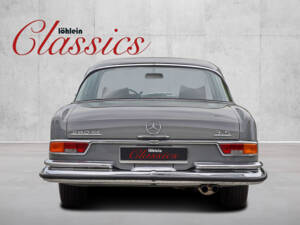
The Mercedes-Benz 280 stands for handcrafted luxury and innovative engineering of the late 1960s and early 1970s. From the distinctive Pagoda-roofed SL to the luxurious hand-built W111 Coupé and Cabriolet, as well as the stately W108 S-Class saloons, the 280 series showcases seminal design by Paul Bracq and robust six- and eight-cylinder engines. Diverse body variants and rare factory features make these models particularly appealing to collectors and enthusiasts.
Read more

Search results

Image 1/27 of Mercedes-Benz 280 SE 3,5 (1971)
1 / 27
$166,687
🇳🇱
Dealer
Show vehicle
Image 1/26 of Mercedes-Benz 280 SE 3,5 (1971)
1 / 26

1971 | Mercedes-Benz 280 SE 3,5

280 SE 3.5 Bj. 08 / 1971 DB 350 blau , Leder rot DB 243 Stahlschiebedach elektrisch, Servolenkung, 2.Hand PAPPBRIEF

$96,503
🇩🇪
Dealer
Show vehicle
Image 1/15 of Mercedes-Benz 280 SE (1970)
1 / 15

1970 | Mercedes-Benz 280 SE

1970 Mercedes-Benz 280 SE Cabriolet '70

$228,098
🇧🇪
Dealer
Show vehicle
Image 1/19 of Mercedes-Benz 280 SE (1973)
1 / 19

1973 | Mercedes-Benz 280 SE

Mercedes-Benz 280  SE Flachkuhler Coupé | 1973

$140,280
🇳🇱
Dealer
Show vehicle
Image 1/26 of Mercedes-Benz 280 SE (1969)
1 / 26

1969 | Mercedes-Benz 280 SE

BRABUS-Classic Restauration MwSt. ausweisbar

$614,110

VAT is reclaimable

🇩🇪
Private seller
Show vehicle
Image 1/84 of Mercedes-Benz 280 SE 3,5 (1970)
1 / 84
$136,859
🇩🇪
Dealer
Show vehicle
Image 1/58 of Mercedes-Benz 280 SE (1968)
1 / 58
$30,706
🇳🇱
Dealer
Show vehicle
Image 1/25 of Mercedes-Benz 280 SE (1968)
1 / 25
Report

1968 | Mercedes-Benz 280 SE

Originales Werkscabriolet W111 Hochkühler mit deutscher Zulassung

$210,552
🇩🇪
Private seller
Show vehicle
Image 1/38 of Mercedes-Benz 280 SE 3,5 (1970)
1 / 39

1970 | Mercedes-Benz 280 SE 3,5

Very original German delivery car

$157,037
🇩🇰
Dealer
Show vehicle
Image 1/44 of Mercedes-Benz 280 SEL 3,5 (1971)
1 / 44

1971 | Mercedes-Benz 280 SEL 3,5

SEL mit vielen Extras und dezenter Optik

$50,708
🇩🇪
Dealer
Show vehicle
Image 1/35 of Mercedes-Benz 280 SE (1970)
1 / 35

1970 | Mercedes-Benz 280 SE

Mercedes Benz 280SE 3.5 V8 Cabriolet automatic

$390,399
🇳🇱
Dealer
Show vehicle
Image 1/26 of Mercedes-Benz 280 SE (1970)
1 / 26

1970 | Mercedes-Benz 280 SE

Mercedes-Benz 280 SE 1970 97.849 km Original Flachkuhler

$279,859
🇳🇱
Dealer
Show vehicle
Image 1/38 of Mercedes-Benz 280 SE 3,5 (1970)
1 / 38
Report

1970 | Mercedes-Benz 280 SE 3,5

Mercedes-Benz 280 SE 3.5 Coupé (W111)

$171,074
🇩🇪
Dealer
Show vehicle
Image 1/20 of Mercedes-Benz 280 SE 3,5 (1971)
1 / 20

1971 | Mercedes-Benz 280 SE 3,5

Mercedes 280 SE/3.5 Coupé W111 (1971) - elegance meets performance

$307,055
🇩🇪
Dealer
Show vehicle
Image 1/23 of Mercedes-Benz 280 SE (1968)
1 / 23

1968 | Mercedes-Benz 280 SE

A classic in automotive history - Mercedes Benz 280 SE Cabrio (1968)

$277,227
🇩🇪
Dealer
Show vehicle

History of the Mercedes-Benz 280

The Mercedes-Benz 280 models marked a technological and stylistic leap for the Stuttgart marque between 1967 and 1973, succeeding the 'Ponton' line. They appeared in multiple series: most notably, the elegant W111 Coupé/Cabriolet (1967–1971), the W113 'Pagoda' SL (1968–1971), and the prestigious W108 luxury saloon (1968–1972). These vehicles introduced standard steel suspension, integrated disc brakes, and advanced passive safety, setting new benchmarks for comfort and durability. The W111 Coupé and Cabriolet were noteworthy for their largely hand-built bodies, representing the last era of craftsmanship before Mercedes switched to more industrialised manufacturing processes. All 280 models shared refined inline-six engines, with later versions introducing powerful V8s and sophisticated Bosch D-Jetronic electronic fuel injection. The 280 solidified Mercedes-Benz’s status as the standard for postwar German luxury.

Model History and Series Development

The 280 nameplate spanned several key Mercedes-Benz model lines. The W111 series debuted as Coupé and Cabriolet in 1967, with production ending in 1971. These models offered both a 2.8-litre inline-six (160PS) and, from 1969, the 3.5-litre V8 (200PS). The more prolific W108 limousine brought the 280S and 280SE, available as standard or extended wheelbase (SEL). The W113 'Pagoda' 280SL, produced 1968–1971, became instantly recognisable for its unique roof and extremely strong cabin safety features. Each series introduced chassis and safety improvements—especially the move to four-wheel disc brakes and reinforced safety cells. Notably, no exterior body panels were shared between coupé/cabriolet and limousine. Later, the 280 designation was also applied to the W114 'Strich Acht' and even briefly to the W202 C-Class in the 1990s. The direct successors in the coupé/cabriolet range were the SLC C107 (for coupés) and, after a long hiatus, the R129 SL roadsters for convertibles.

Highlights and Distinctive Features

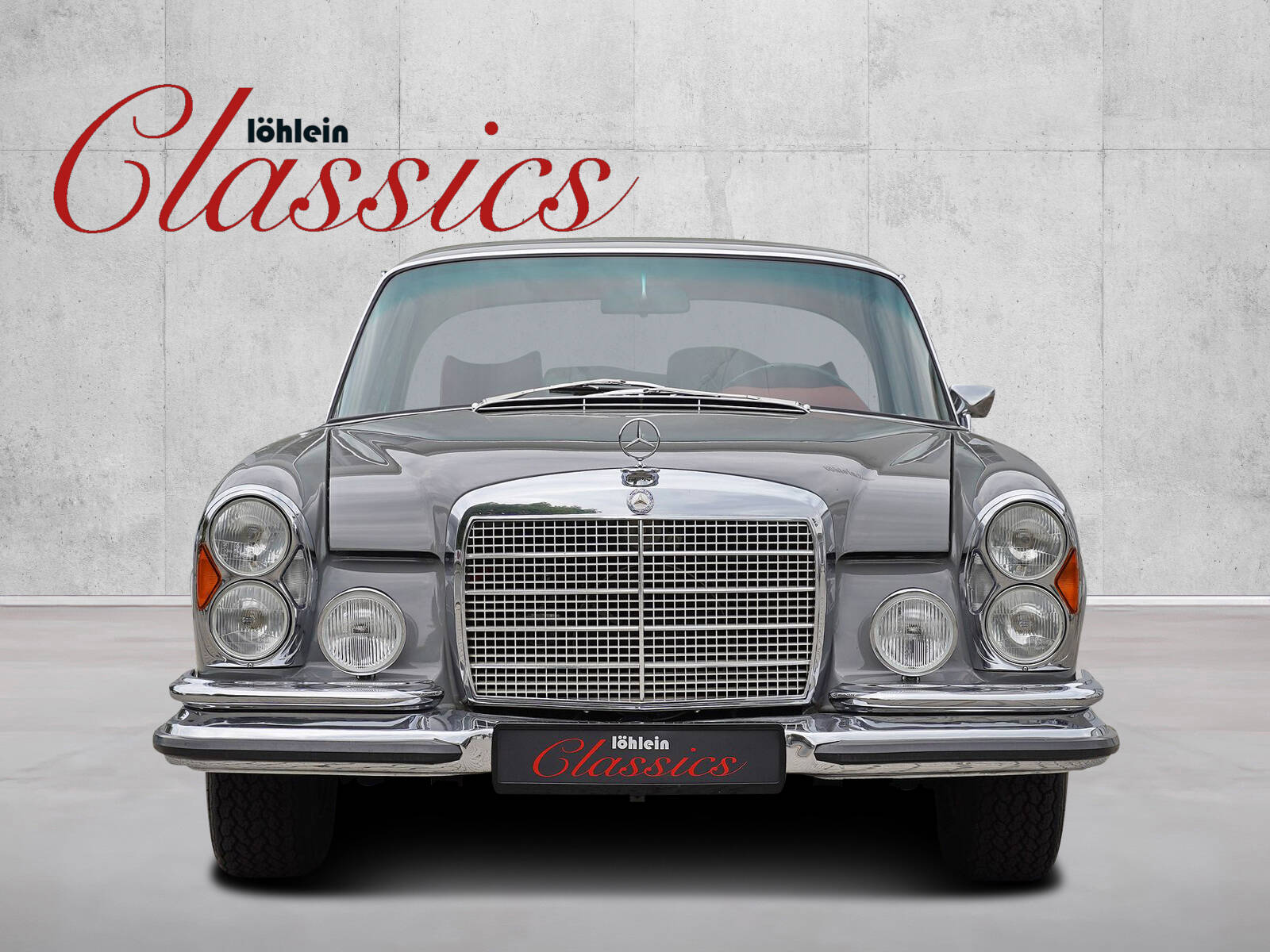
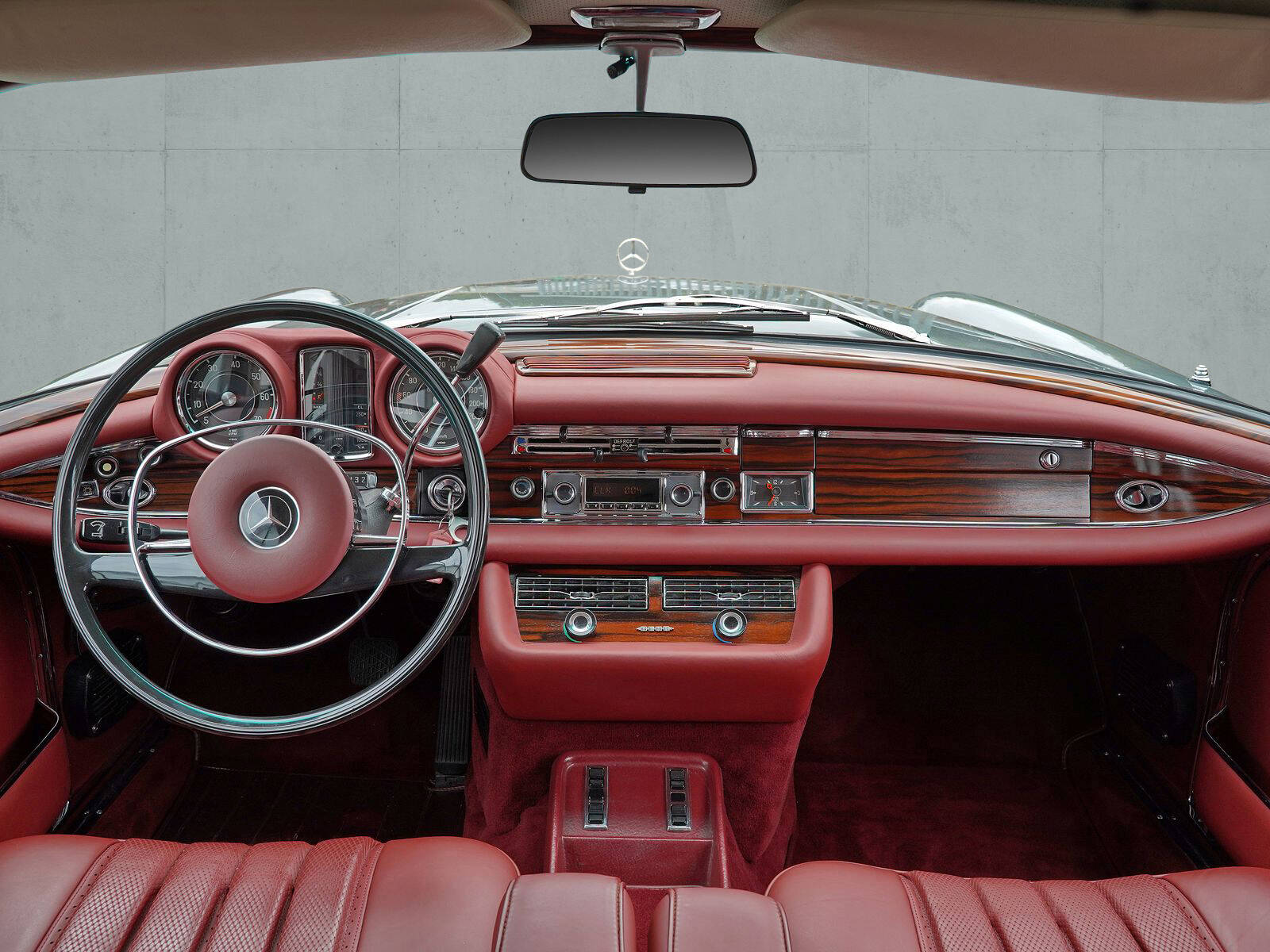
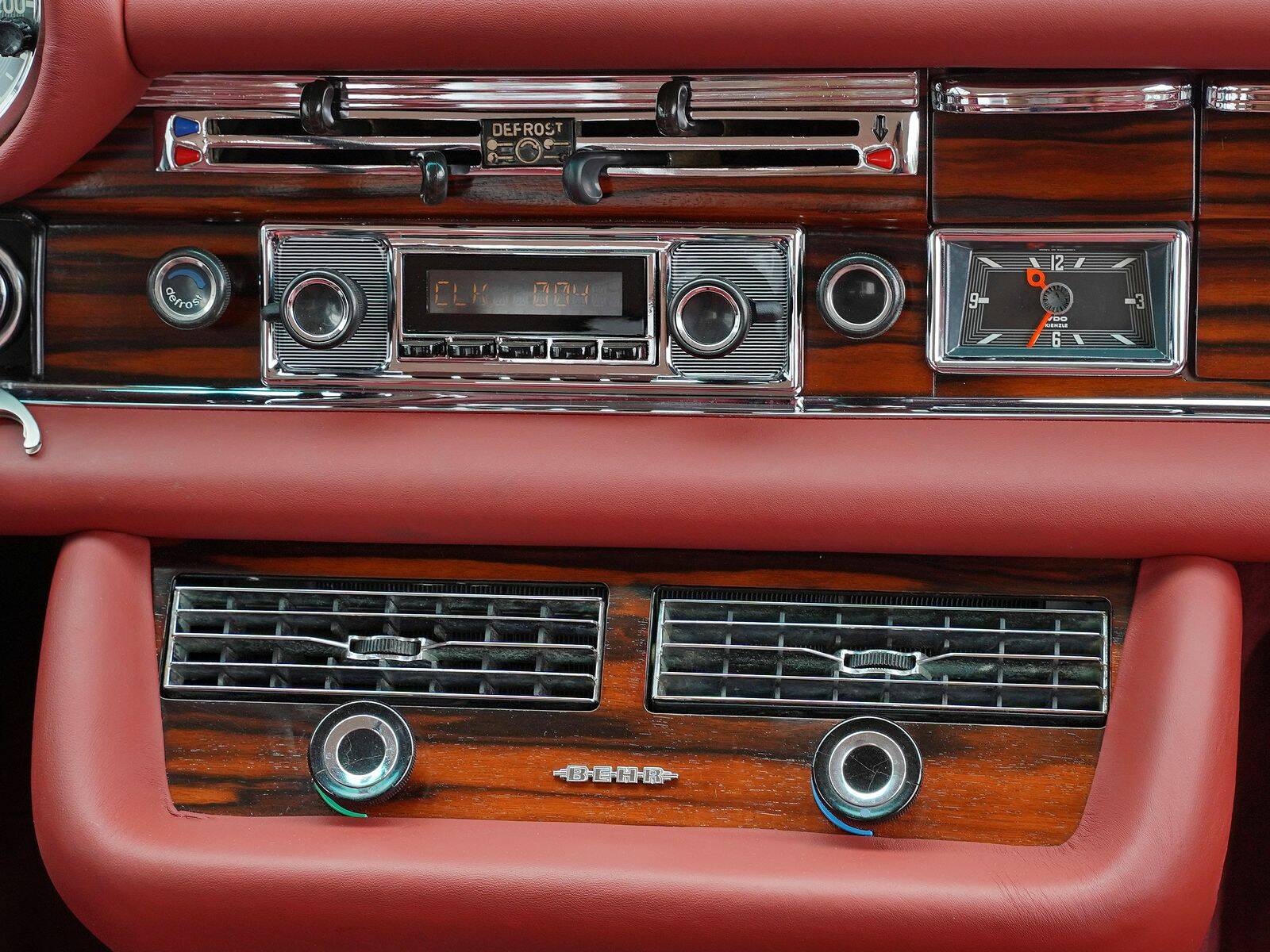
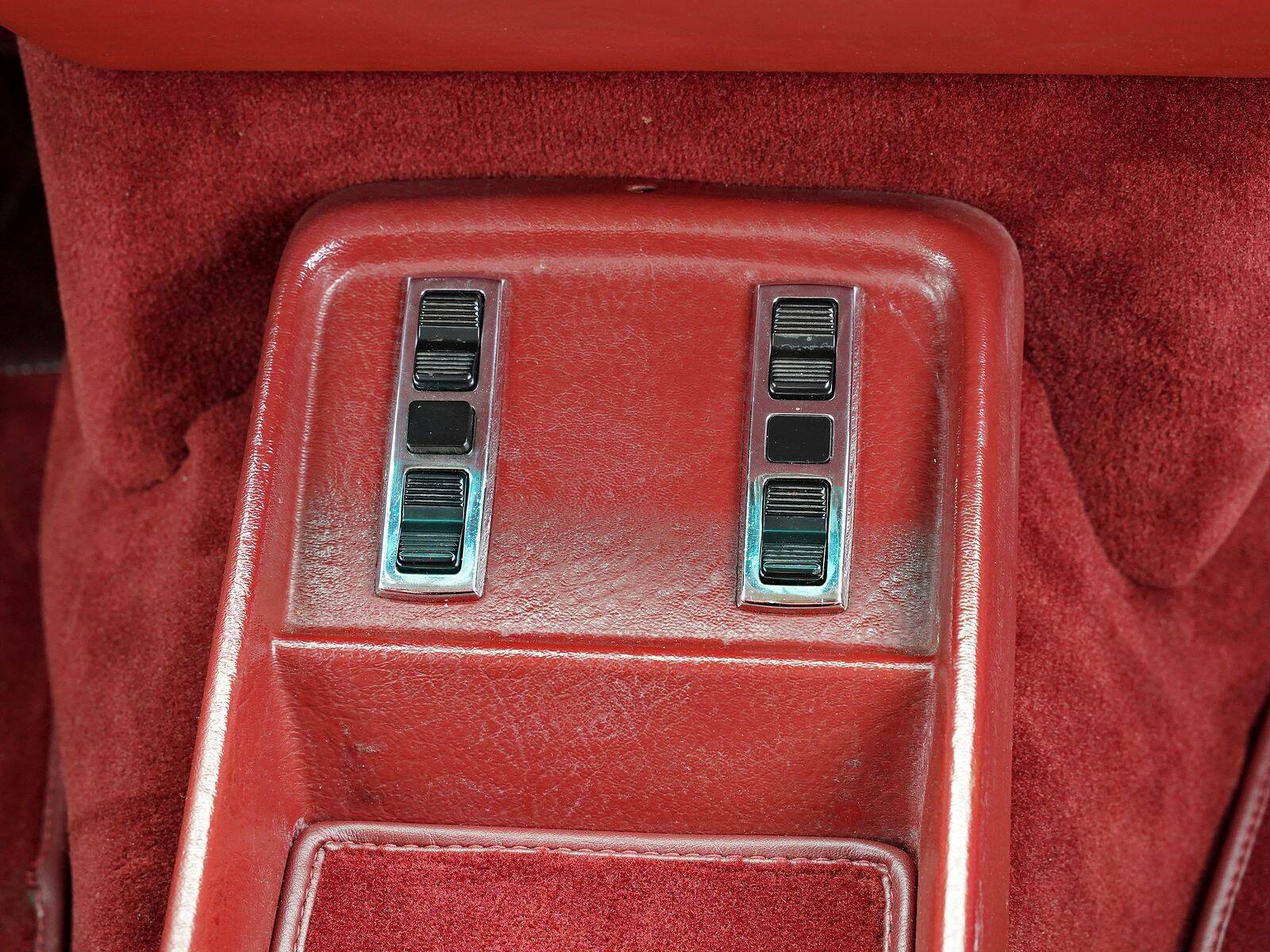
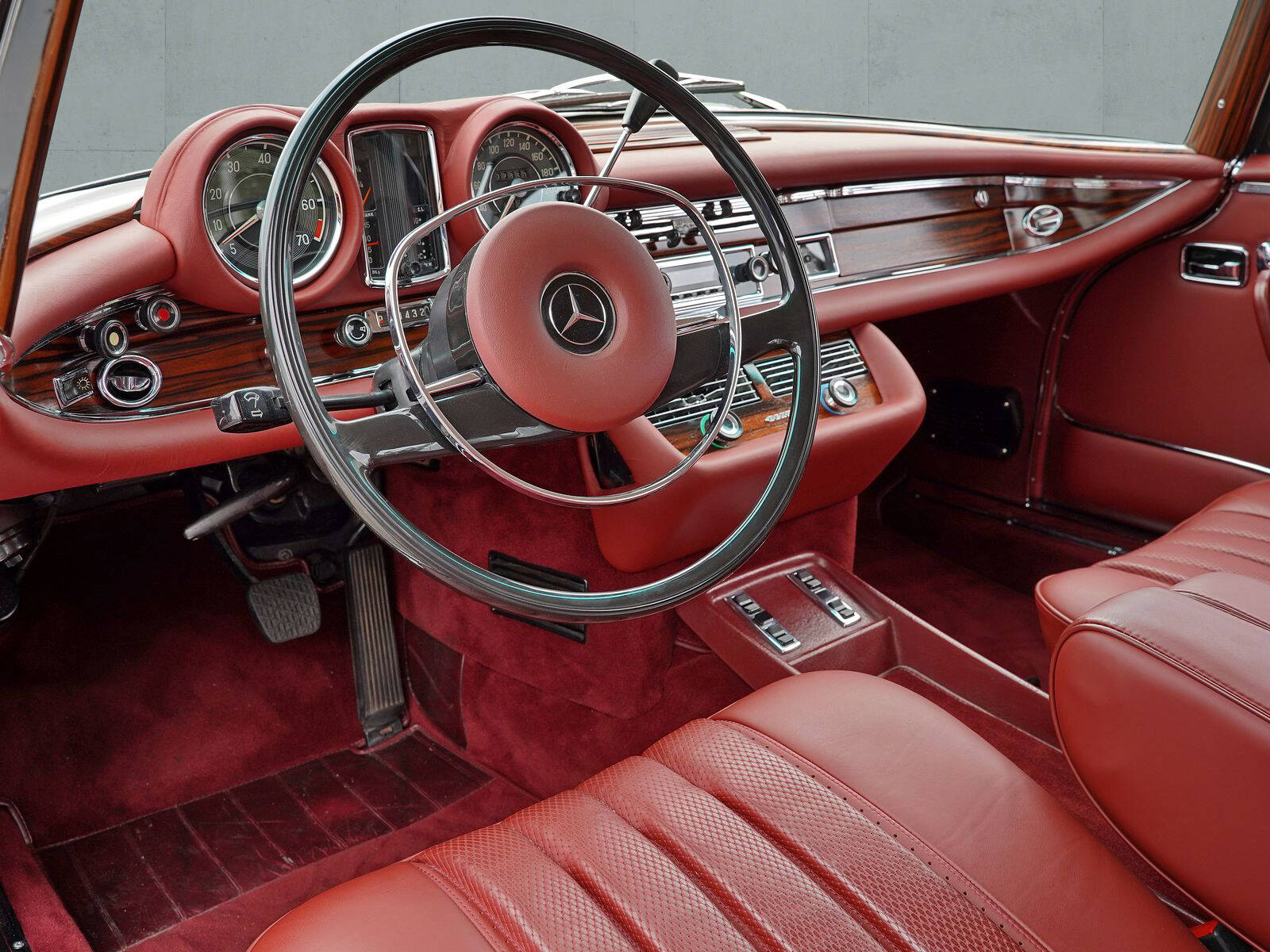
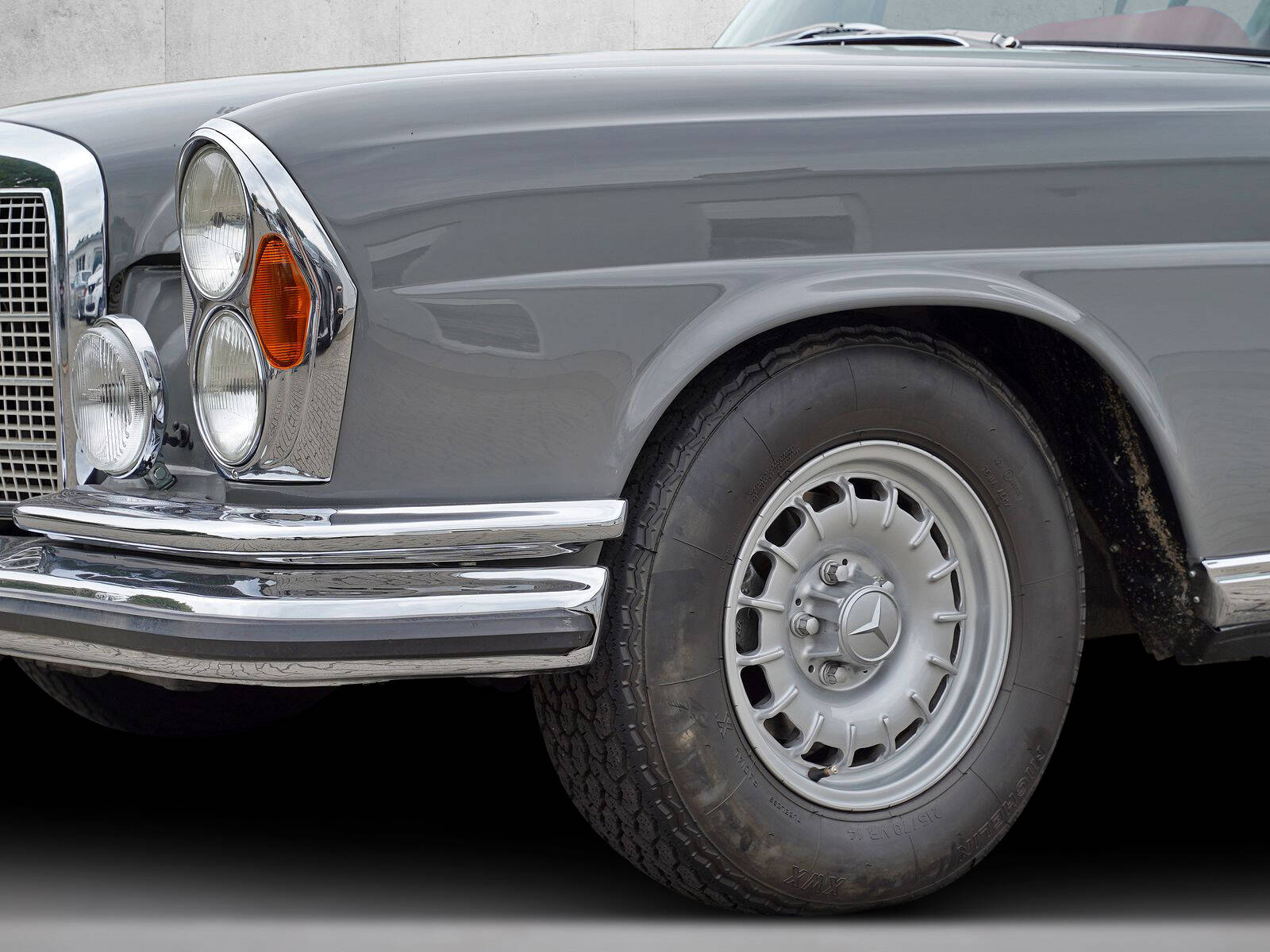
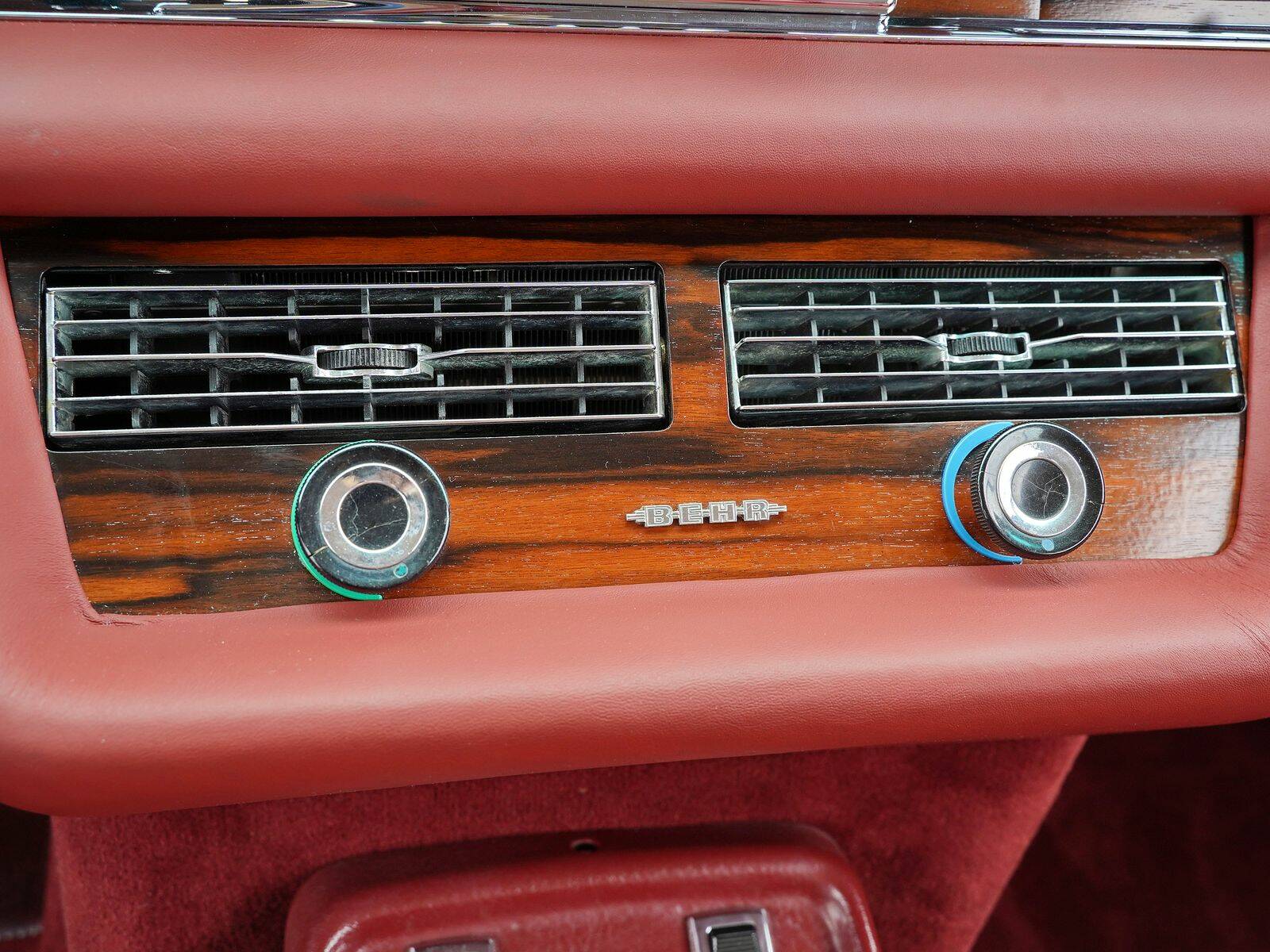
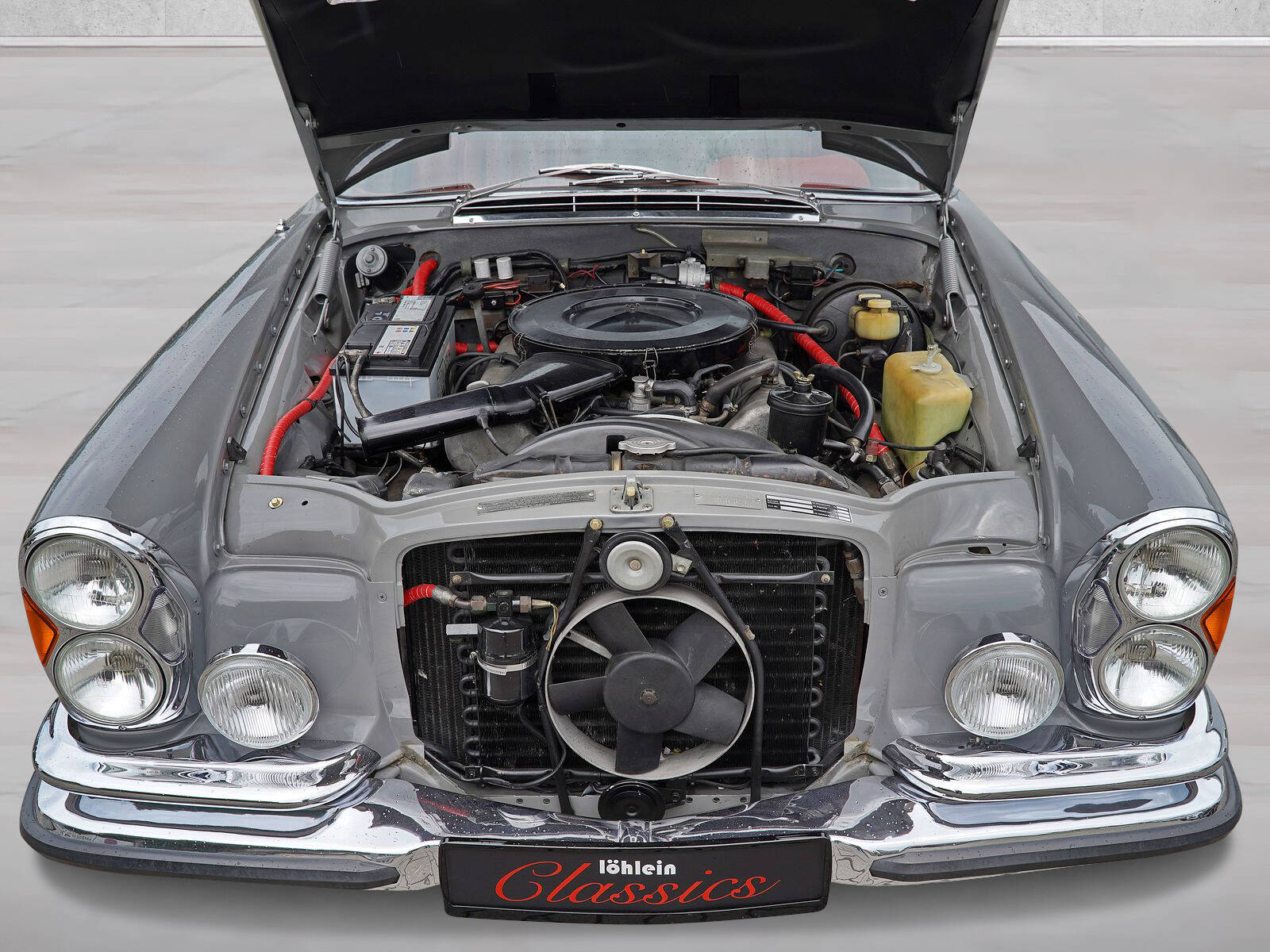
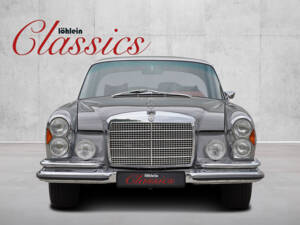
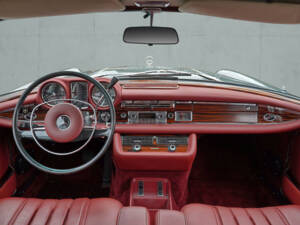
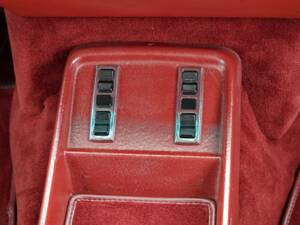
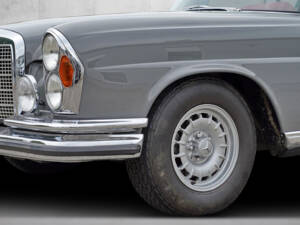
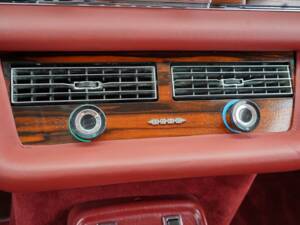
The Mercedes-Benz 280 models are defined by advanced safety features, a high ratio of hand-built elements (Coupé/Cabrio), and a wide palette of colours and rare factory options. Electric windows, BEHR air conditioning, sunroof, seat heating and unique wood trims were available. V8 models (‘3.5’) feature a broader, flatter front grille (‘Flachkühler’), while convertible versions benefit from strengthened bodies and full seating for four. Materials such as Cognac leather, Makassar, and Zebrano wood in the cabin give these cars their unmistakable aura. Original cabriolets are significantly rarer and more valuable than coupés due to much lower production numbers and full structural reinforcement.

Technical Data

Special Editions and Collectible Models

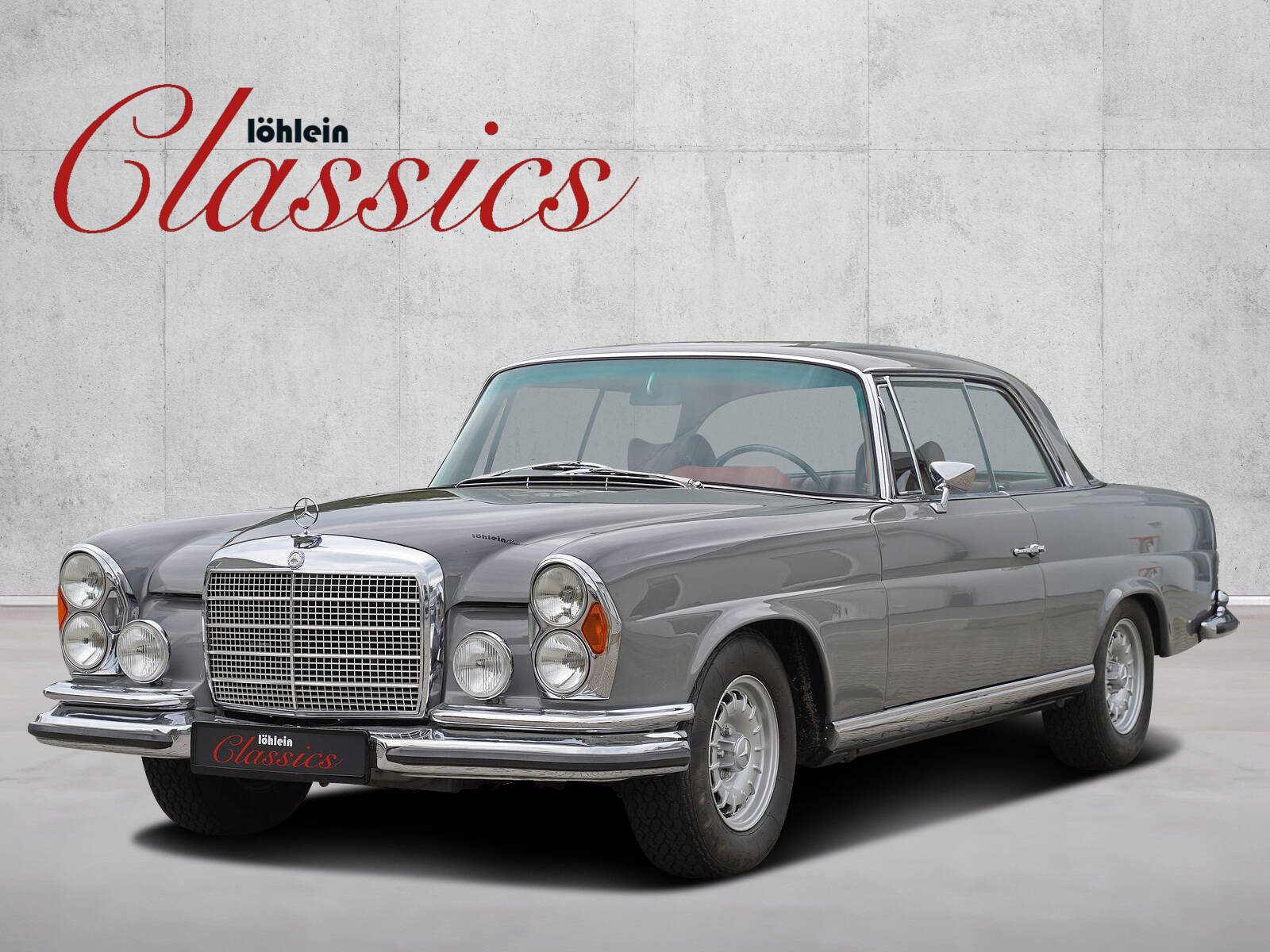
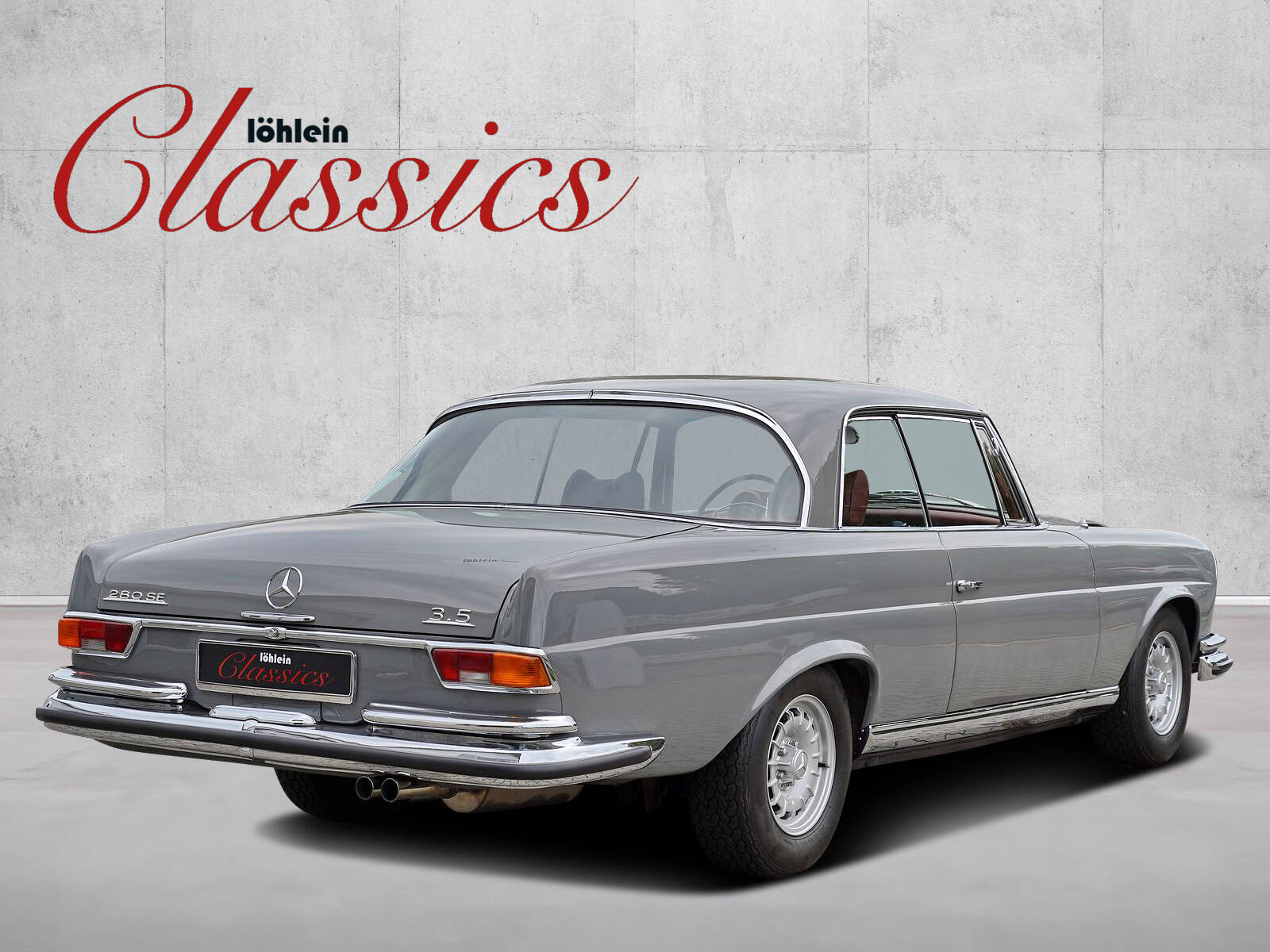
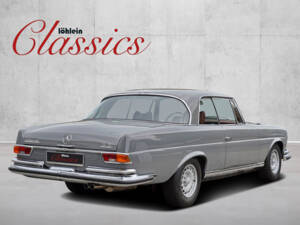
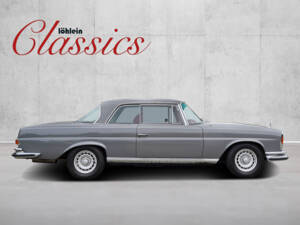
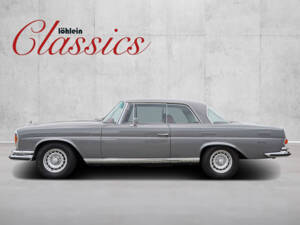
Especially valued are the W111 280 SE 3.5 Coupé and Cabriolet with V8 engine, recognisable by their flatter grilles and increased performance (200 PS). Only around 3,270 Coupés and 1,232 Cabriolets with this engine/variant were produced, making original examples rare. Other special versions include the 280 SE Cabriolet with six-cylinder M130 engine; fewer than 400 such Flachkühler Cabriolets were built. Originality—particularly models with ‘matching numbers’ and rare factory options such as manual gearboxes and air conditioning—raises collector interest significantly.

Weak Spots and Common Issues

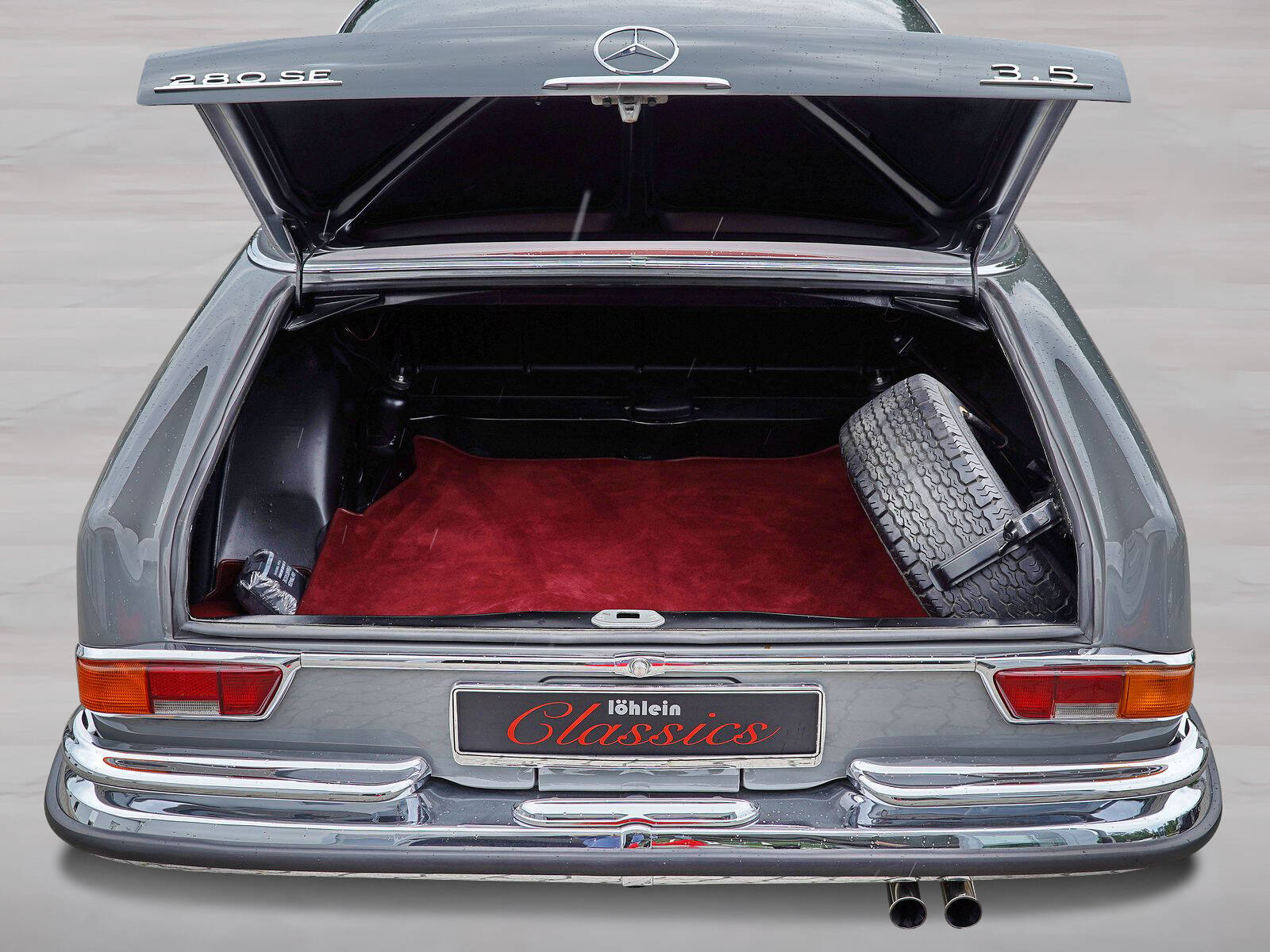
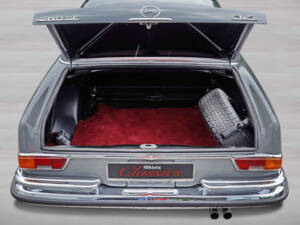
Typical weak points for the Mercedes-Benz 280 models include rust-prone areas such as underbody, sills, and wheel arches, along with perishable rubber parts and ageing wooden interior trim. Electrical window lifts and climate systems may require overhaul. Cabriolet hood mechanisms, leather upholstery, and dashboard wood require particular attention; authentic convertibles need verification of additional structural bracing, as some coupés were later converted into soft-tops without these. Regular inspection and thorough documentation (original toolkits, spare wheels, service history) are highly recommended for long-term value retention.

Engine, Transmission, and Driving Dynamics

From the smooth-running inline-six of early models to the torquey 3.5-litre V8, Mercedes-Benz 280s deliver a driving experience tailored to comfortable, relaxed touring. Most models employ a 4-speed automatic—though rare manuals increase exclusivity. The robust rear-wheel-drive layout with steel springs and individual front suspension allows both limousines and coupés to combine excellent straight-line stability and well-controlled ride comfort. Four-wheel disc brakes, servo assistance, and power steering add further composure. Fuel economy varies widely, depending on engine and use, reported between 12 and 17 litres per 100 km. - W111 280 SE 3.5 Cabriolet: V8, 200 PS, only about 1,232 built.

  • W111 280 SE Coupé: Inline-six, 160 PS, rare and all largely hand-built.
  • W108 280 SE Saloon: Inline-six or 3.5-litre V8, prevalent as a formal four-door with luxury fittings.
  • W113 280 SL 'Pagode': 2.8-litre inline-six, open or hardtop, 23,885 built, known for safety features and styling.

Interior, Comfort, Exterior and Design

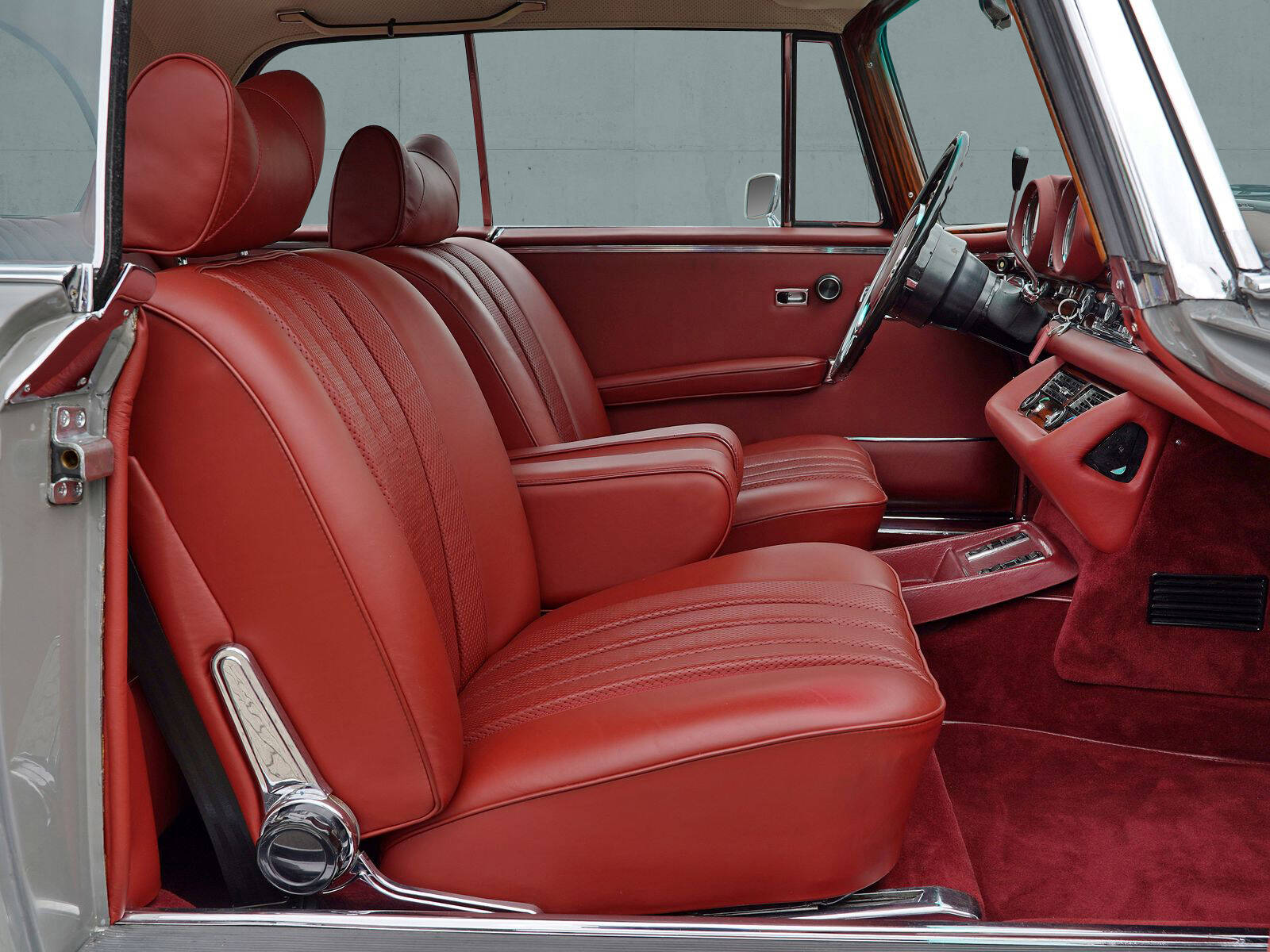
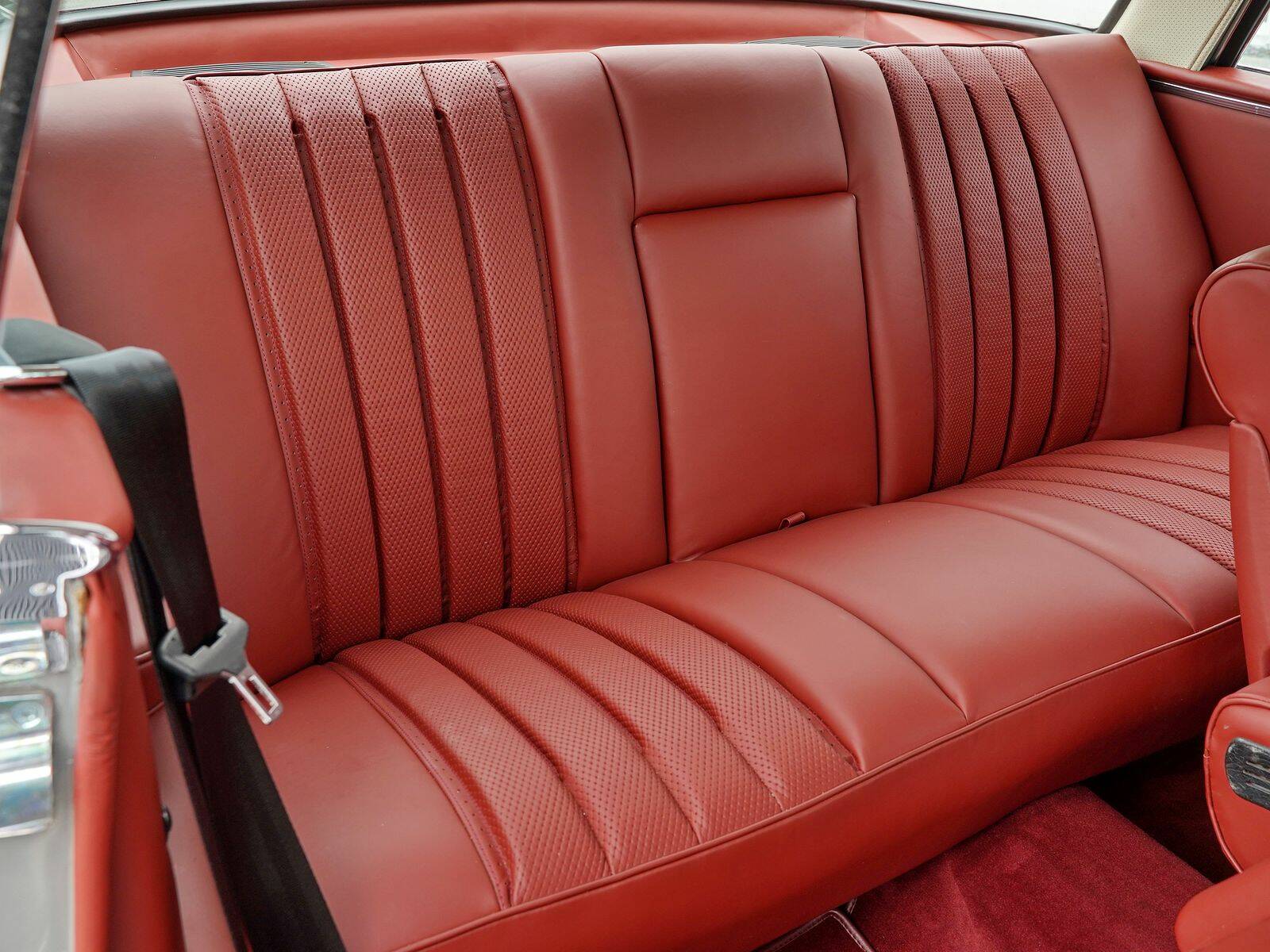
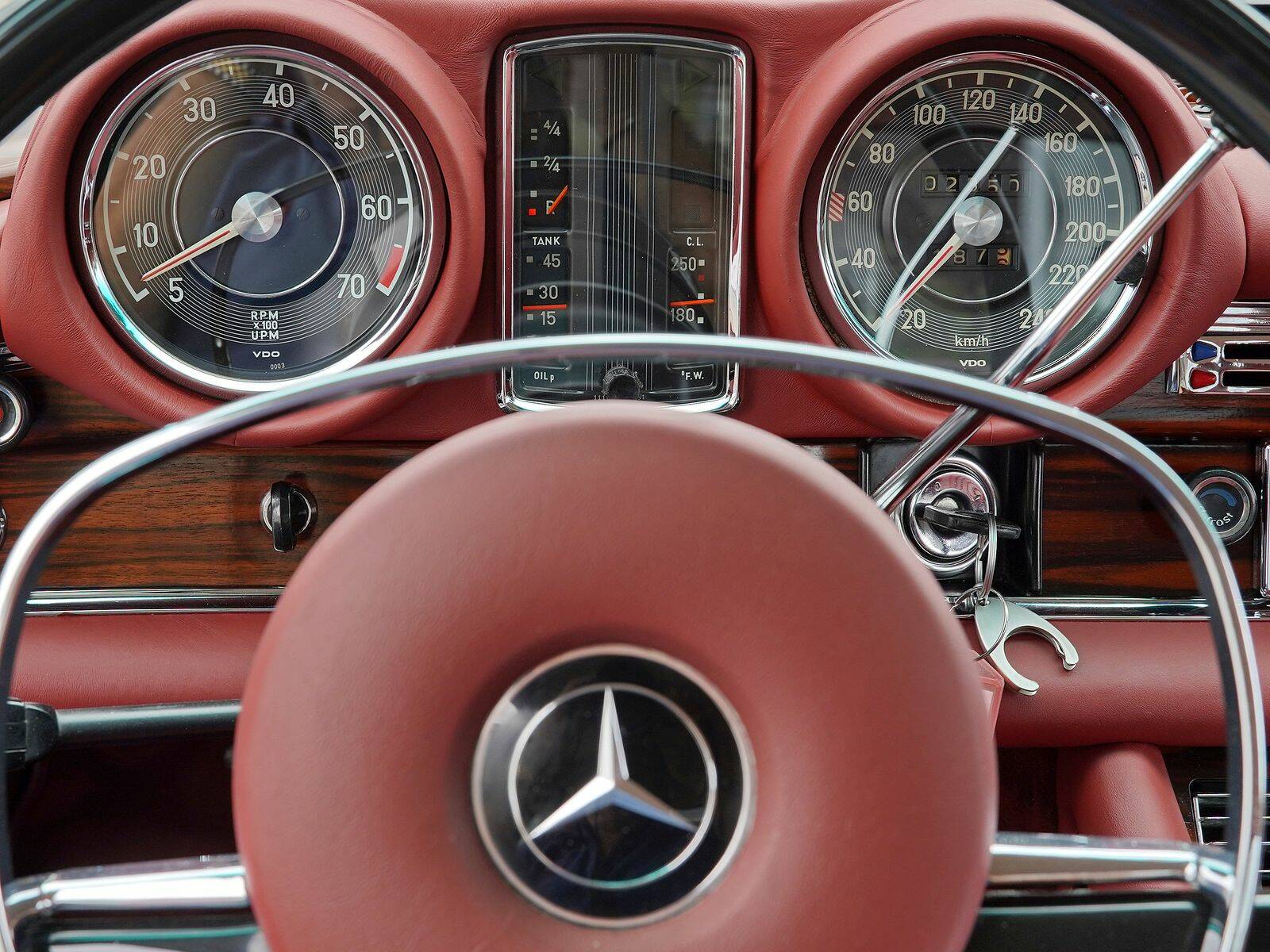
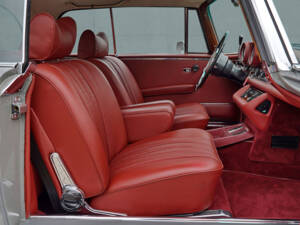
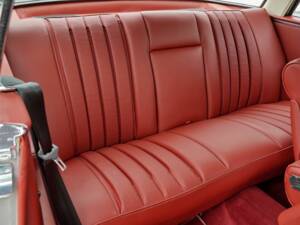
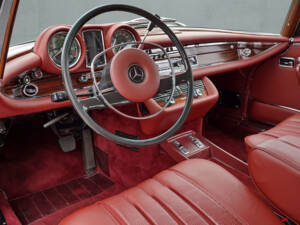
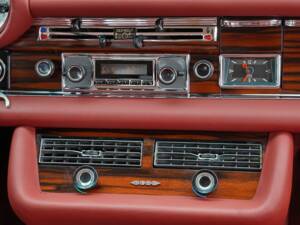
Chief stylist Paul Bracq shaped the W111 Coupé and Cabriolet with subtle tailfins and an understated elegance, while the SL’s Pagoda roof became an instant classic. Interiors offer generous seating for four and a choice of rich leathers, velours, and select hardwoods. Factory options included BEHR air conditioning, electric sliding sunroof, four electric windows (Coupé/Cabrio mostly standard), and period-correct Becker radios. Rare combinations of paint and trim—DB 834 Moss Green, DB 462 Tunis Beige, and leathers like Cognac or Blue—add to individuality. Cabriolet tops were trimmed in real leather with matching headliners, and the rear seat lighting, armrests, and period detail speak to Mercedes' obsession with comfort and functional luxury.

Other Features and Insights

Genuine 280 models feature unique combinations of chassis codes, interior options, and market-specific equipment—such as different bumpers or speedometers for US editions. Many survived with original toolkits, whitewall tyres and rare electrics like central locking. Subtle changes distinguished early ‘high grille’ from later ‘flat grille’ versions. Some vehicles also feature seat heating, colour-glazed glass, or headrests as rare extras, especially from the 1970s. The attention to detail and opportunity for factory customisation helped these models stand out even at the time of manufacture.

Summary

The Mercedes-Benz 280 range combines hand-crafted bodies, advanced suspension and braking, and a remarkable array of factory options, making them sought-after among classic car enthusiasts who appreciate technical and historical substance. With a share of nearly 70% W111 listings and notably high demand, especially for the hand-built Coupé and Cabriolet, the 280 remains a reference point among postwar luxury vehicles from Germany. Attention to rust and originality is essential for any purchase; documented examples with desirable mechanicals and options continue to set benchmarks in collector circles.