Maserati A6 classic cars for sale
The Maserati A6 redefined Italian engineering in the late 1940s and 1950s, blending straight-six performance with grand touring and competition pedigree. As the sole A6 series in Maserati’s inventory, every available listing speaks directly to one of the brand’s most authentic and technically significant models.
Search results
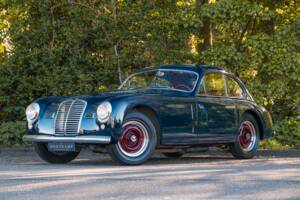
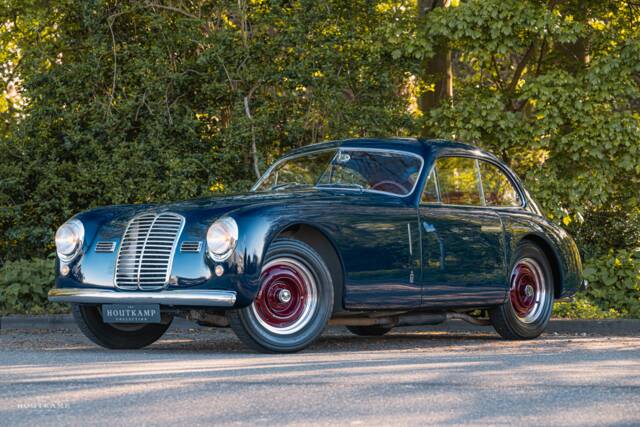
1949 | Maserati A6 1500 Turismo Berline
Mille Miglia Eligible, one of 61 examples Built

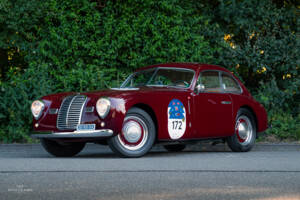
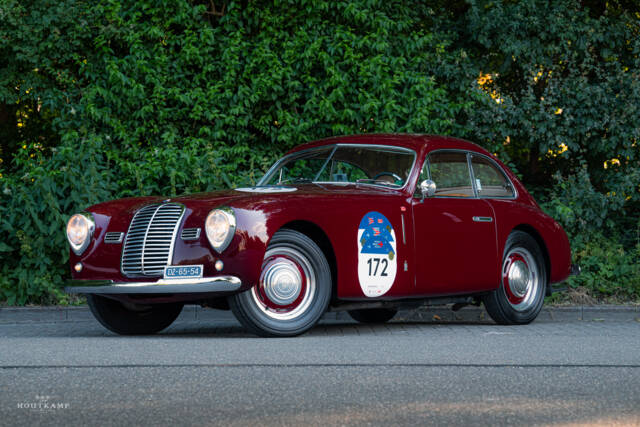
1948 | Maserati A6 1500 Turismo Berline
Mille Miglia Eligible, one of 8 examples built in 1948
Auctions ending soon

Loading…
Loading…
Loading…
Loading…
Maserati A6 listing references from Classic Trader
Below you will find listings related to your search that are no longer available on Classic Trader. Use this information to gain insight into availability, value trends, and current pricing for a "Maserati A6" to make a more informed purchasing decision.
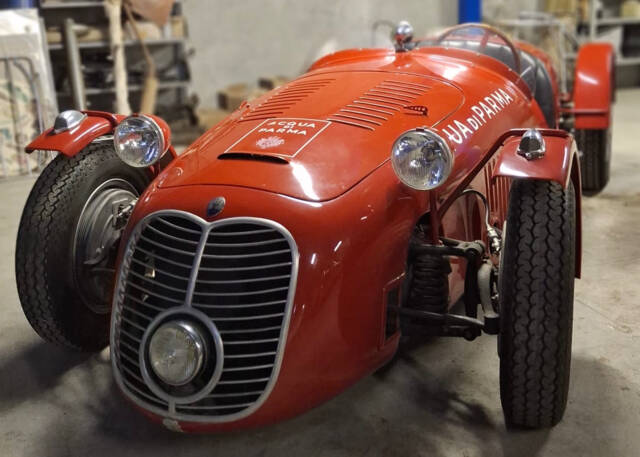
1949 | Maserati A6 GCS "Monofaro"
MASERATI A6GCS

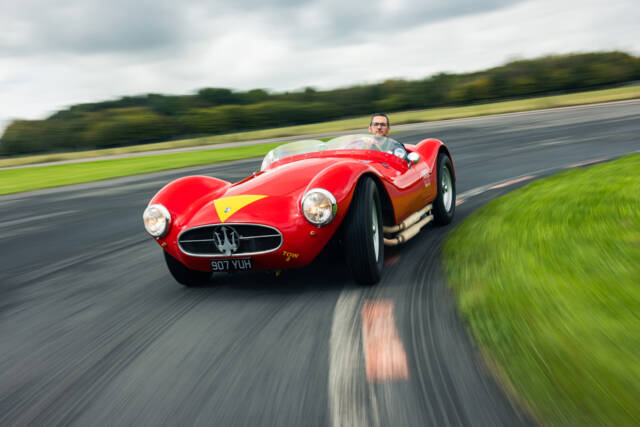
1955 | Maserati A6 GCS

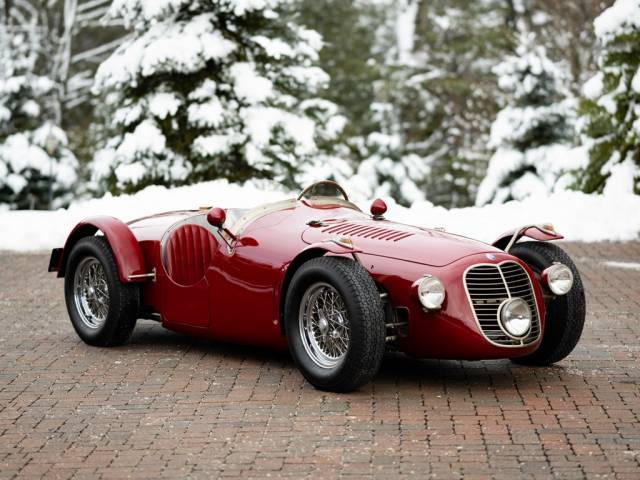
1950 | Maserati A6 GCS "Monofaro"
1950 Maserati A6GCS 2000 ‘Monofaro’ by Fantuzzi
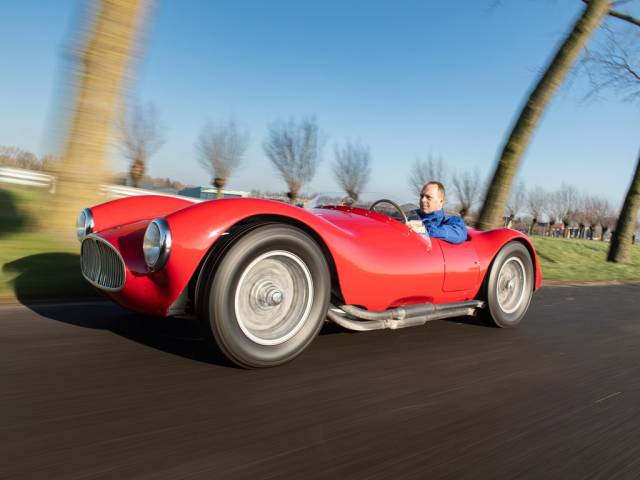
1953 | Maserati A6 GCS
1953 Maserati A6GCS/53 Spyder by Fantuzzi
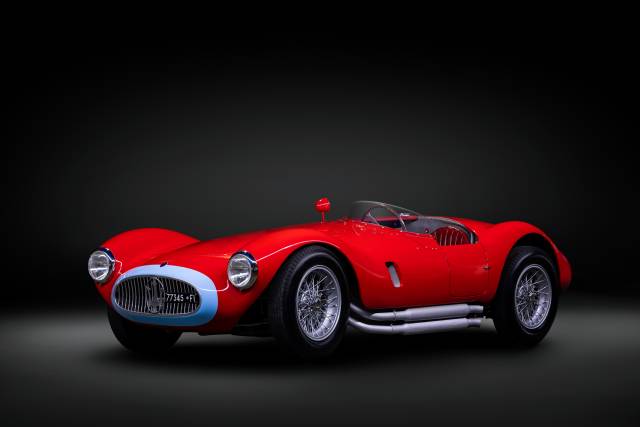
1955 | Maserati A6 GCS
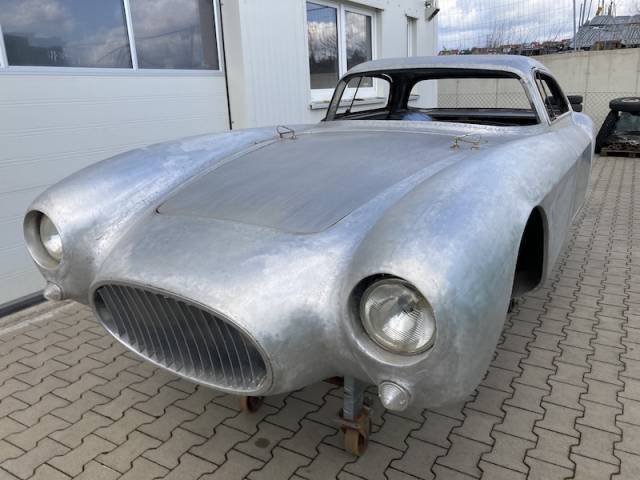
1954 | Maserati A6 GCS
Restaurationsprojekt

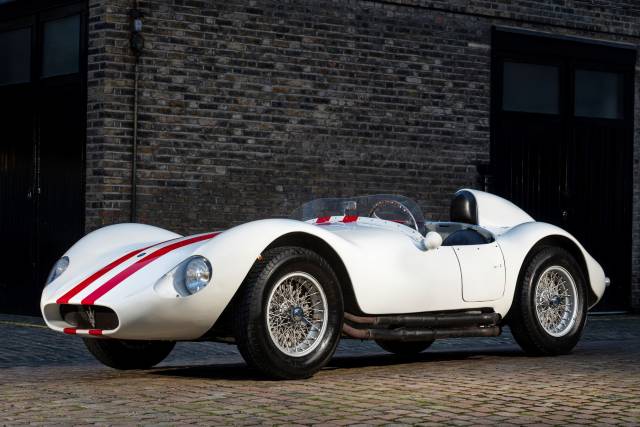
1954 | Maserati A6 GCS
Maserati A6 Classic Cars: Prices & Market Values
History of Maserati A6
The Maserati A6 lineage spans from 1947 to 1956, marking a period of innovative advances at Maserati. Named after Alfieri Maserati, the legendary founder, and the in-line straight-six engine configuration ("A" for Alfieri, "6" for 6 cylinders), the A6 emerged in post-war Italy. Maserati crafted both grand tourers for spirited road use and purpose-built competition variants, underpinning their transition from pure racing constructor to versatile sportscar manufacturer. The A6 series anchored Maserati’s brand identity at a time when Italian motoring was surging with postwar optimism and fresh engineering solutions. The initial A6 1500 coupe set a template for subsequent models, charting the brand’s aesthetic and technical path throughout the decade.
Model History and Series Development
The Maserati A6 saga started with the A6 1500 GT, which saw production from 1947, quickly earning respect among Italian luxury coupes. Its development led to the more focused A6GCS sports cars, which competed in events like the Mille Miglia, and the refined A6G/2000 coupés and spiders, blending road and race DNA. Across its run, the A6 series comprised a mix of grand tourers and single-seaters, each iteration showcasing mechanical sophistication and coachbuilder creativity. After the A6 range, the next step in Maserati’s technical evolution came with the 3500 GT, which further expanded Maserati’s presence in the high-performance grand tourer arena.
Highlights and Distinctive Features of the Maserati A6
Every Maserati A6 features a straight-six engine, hand-built Italian chassis, and bodies crafted by renowned carrozzeria like Pininfarina and Zagato. The A6 GT’s early adoption of tubular steel frames and diverse coachwork options distinguished each car as a unique artefact. Competitions bred the racing A6GCS variants, famous for their lightweight bodies and Mille Miglia exploits. The model’s engineering and rarity make it stand out even among other Maserati classics.
Technical Data
Special Editions and Notable Variants
Within the A6 lineage, standout editions include the racing-focused A6GCS/53 and the rare Zagato-bodied coupes, each featuring unique lightweight construction and race-bred tuning. Pininfarina’s handbuilt coupes, limited-run spiders, and select open competition variants are particularly prized due to their bespoke character and limited production.
Weak Spots and Common Issues
Sourcing mechanical and body parts for all A6 series cars is challenging due to their age and extremely limited production numbers. Specialist knowledge is essential for both the straight-six powertrain and hand-crafted chassis. Rust in metal coachwork, especially in non-restored examples, can require expensive interventions. Attention to original details, especially engine internals and coachbuilt fittings, is crucial for ongoing reliability and authenticity.
Engine, Performance, Transmission and Handling
The A6 straight-six offered a sophisticated mix of power and refinement for its era, yielding competitive acceleration and high-revving flexibility. Racing variants like the A6GCS demonstrated outstanding agility and stamina in endurance competitions. Handling characteristics differ across the GT, GCS and Spider iterations, but all prioritise direct driver engagement via precise, if period-typical, steering and adjustable suspension. Manual gearboxes require attentive maintenance to operate at their intended smoothness and precision. - A6 1500 GT: The original coupe offering, merging luxurious interiors with pioneering engineering.
- A6GCS/53: Purpose-built for motorsport, lightened chassis, competitive in historic endurance racing.
- A6G/2000 Spider/Coupe: Refined later models, sometimes bodied by Pininfarina or Zagato, showcasing a blend of style and enhanced everyday usability.
Design: Exterior, Interior, and Accessories
A6 coachwork spans collaborations with famed Italian designers: Pininfarina’s restrained lines, Zagato’s double-bubble roofs, Frua and Vignale’s sculptural touches—every detail signals its handbuilt origins. Interiors are period-correct: slender wood-rimmed wheels, Jaeger instrumentation, fine Connolly leather. Paint schemes varied, with vibrant original tones and custom finishes. Special accessories include rally trip meters and subtle race-derived modifications by owners and restoration experts.
Other Notable Features
The Maserati A6 stands as the foundation of Maserati’s postwar DNA—not just a milestone for the brand, but also a showcase for mid-century Italian technical creativity at its most ambitious.
Summary
The Maserati A6 series encapsulates the dawn of postwar Italian sports engineering, distinguished by straight-six innovation, bespoke coachwork, and direct connections to Maserati’s competition success. The model’s singular market presence and technical purity ensure it remains a rare and focal point for Maserati devotees in today’s classic landscape.