Marcos Mantis classic cars for sale
The Marcos Mantis, produced in limited numbers in the early 1970s, stands out with its distinctive British sports car engineering, utilising the reliable Triumph 2.5-litre inline-six engine. With only 32 factory-built examples and a handful of unsold units worldwide, the Mantis has become a rare sight on the classic car market. This 2+2 coupé combines original Marcos design with robust technology from its era.
Suchergebnisse


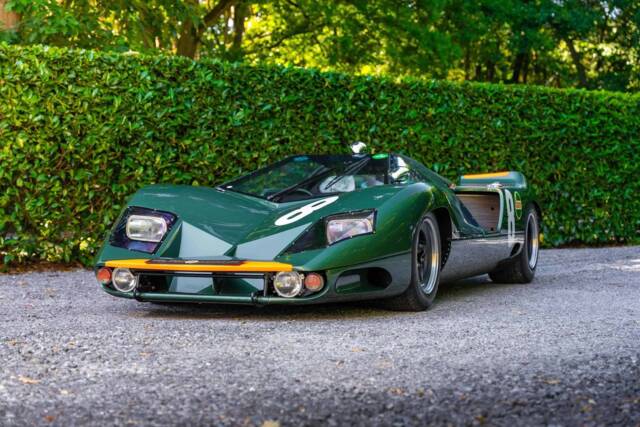
1998 | Marcos Mantis Challenge
“From track to road (and back to track?)”

Auctions ending soon

Loading…
Loading…
Loading…
Loading…

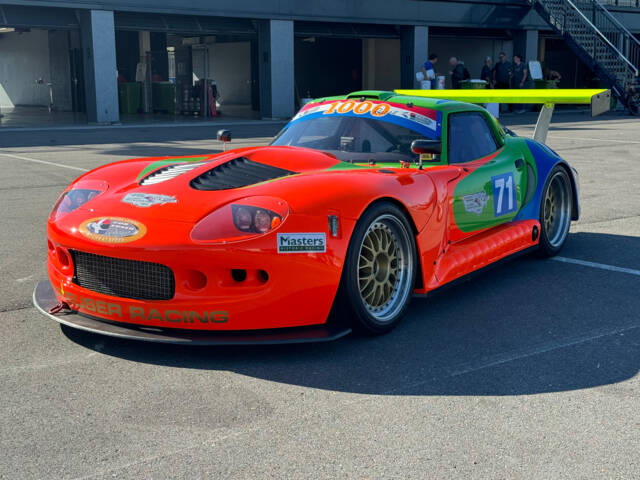
2006 | Marcos Mantis GT3
“Best value for money in Endurance Legends”
History of the Marcos Mantis
The Marcos Mantis made its debut in 1970, during a challenging period for British sports car manufacturers. Built by Marcos Engineering, the Mantis was conceived as a (2+2) sports car meant to compete in the niche for high-performance yet practical grand tourers. The car’s launch coincided with mounting financial troubles for Marcos, leading to the closure of the company in 1971. Initially, the retail price for a complete Mantis was considerably higher than contemporaries, but Marcos attempted to boost sales by offering self-assembly kits at a reduced cost within the domestic market. Despite these attempts, only 32 units were produced before the factory doors shut, with additional stock left unsold in overseas markets, particularly in the United States. The short production run and corporate misfortunes have directly contributed to the vehicle’s rarity today.
Model History
The Mantis M70 did not have a direct predecessor within the Marcos range, introducing a new design language and mechanical concept for the brand. Powered by the reliable Triumph 2.5-litre engine, the Mantis leveraged proven mechanical components already familiar to sports car enthusiasts, such as those found in the Triumph TR6 and some TVR models. After the early ‘70s, no direct successor followed the original Mantis, and Marcos would remain dormant until its revival in the late 1980s with different, more modern models.
Highlights and Rarity
With only 32 cars built and a small number of unsold vehicles scattered internationally, the Marcos Mantis is exceptionally scarce. The Mantis remains the only model from Marcos’ catalogue with complete market exclusivity, evidenced by supply and demand statistics: every single Marcos currently listed under the Mantis nameplate, and 100% of listing interest, belongs to this model. This blend of exclusivity and historical context gives it a distinct status within the classic British sports car landscape.
Technical Data
Special Editions
There are no documented special editions or factory-backed limited runs for the original Marcos Mantis M70. All cars produced feature similar technical specifications and trim levels, given the extremely low production volume and the company’s financial situation during the model's short production span.
Weak Spots and Common Issues
No specific weak spots or recurring technical faults are noted in the available documentation. As with any low-volume British classic from this era, prospective buyers should pay close attention to typical age-related wear and the availability of replacement parts, particularly for bespoke body or interior components. Regular mechanical maintenance remains straightforward due to the widespread use of the Triumph 2.5-litre engine across multiple manufacturers.
Engine, Performance, Transmission and Handling
The engine layout and mechanical underpinnings of the Marcos Mantis align it closely with the Triumph TR6, ensuring accessible parts and familiar handling characteristics. The 2.5-litre inline-six delivers robust torque and a linear power curve, suiting both relaxed touring and more spirited driving. The manual transmission and lightweight construction accentuate the car’s sporting intentions, while the 2+2 configuration enhances practicality compared to pure two-seaters. The Mantis was available as a factory-assembled vehicle or in kit form, offering period enthusiasts an affordable path to ownership. The factory-built variant commanded a significant price premium over the kit, reflected in original UK market pricing.
Design and Interior
The Mantis’ exterior featured Marcos’ distinctive, low-slung silhouette and pronounced curves, immediately distinguishing it from more mainstream British sports cars. Special attention was paid to the (2+2) interior layout, providing usable rear seating within a sporting coupé profile—a rarity for its time. Marcos utilised established British materials, and the body offered both visual presence and functional aerodynamics. Contemporary colour options and custom details varied, given the availability of cars in self-assembly form.
Additional Features
Some Mantis examples were sold in kit form, which allowed for owner-driven customisation. This led to individual differences in trim and features, as some owners selected non-standard upholstery, instrumentation or even modified suspension settings during assembly.
Summary
The Marcos Mantis occupies a unique place on the British classic car scene, combining rarity with mechanical accessibility courtesy of the Triumph 2.5-litre engine and period-correct coupé design. Its tiny production numbers and direct link to British sports car history mean every surviving example carries authentic period character and substantial technical interest.