Marcos GT classic car for sale
The Marcos GT stands out with its ultra-light plywood chassis, distinctive coupé design, and rare engineering rooted in race and aviation expertise. This British sports car, built between 1964 and 1972, impresses with unique technical solutions and extremely limited production numbers, making each example a true original.
Search results
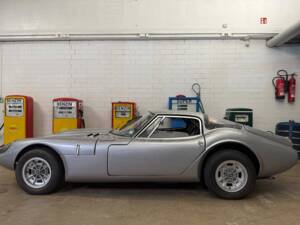
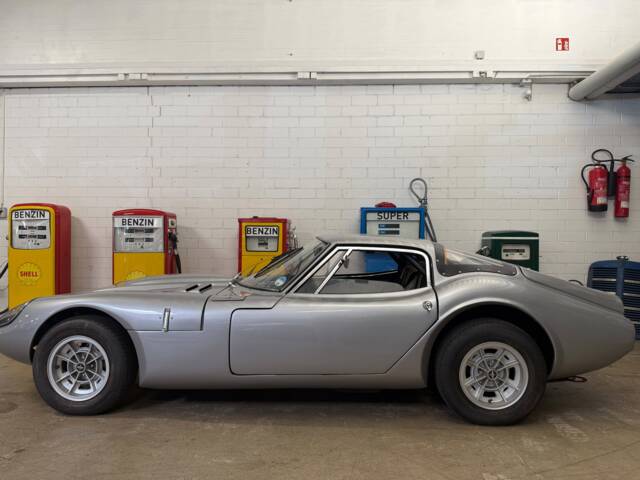
1969 | Marcos 3000 GT
Sonstige Marken Marcos

Marcos GT listing references from Classic Trader
Below you will find listings related to your search that are no longer available on Classic Trader. Use this information to gain insight into availability, value trends, and current pricing for a "Marcos GT" to make a more informed purchasing decision.
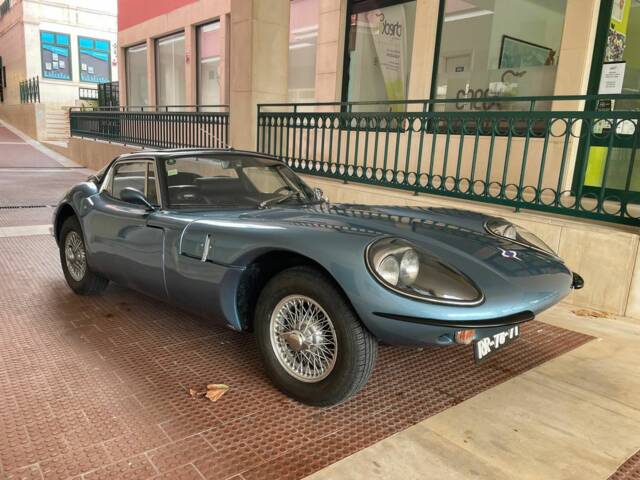
1968 | Marcos 1600 GT
Marcos 1600 GT | 1968 | Route 66 Auctions - For sale by auction. Estimate 23500 EUR

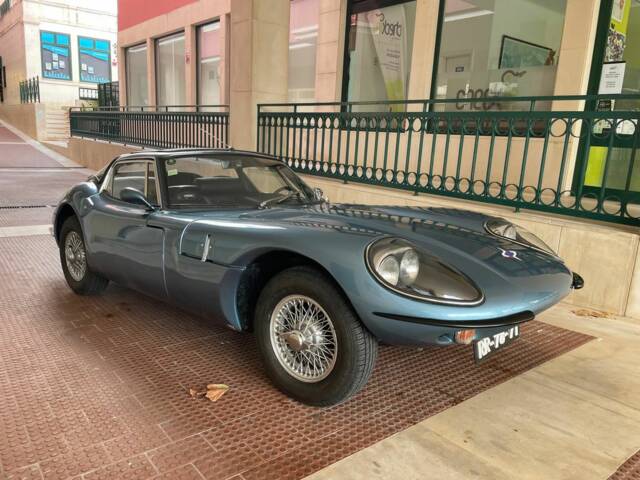
1968 | Marcos 1600 GT
Marcos 1600 GT | 1968 | Route 66 Auctions - For sale by auction. Estimate 23500 EUR
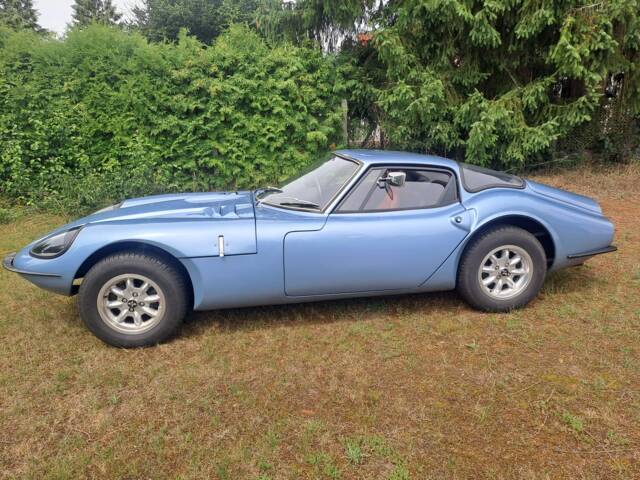
1965 | Marcos 1800 GT
Oldtimer mit H-Zulassung, sehr selten !
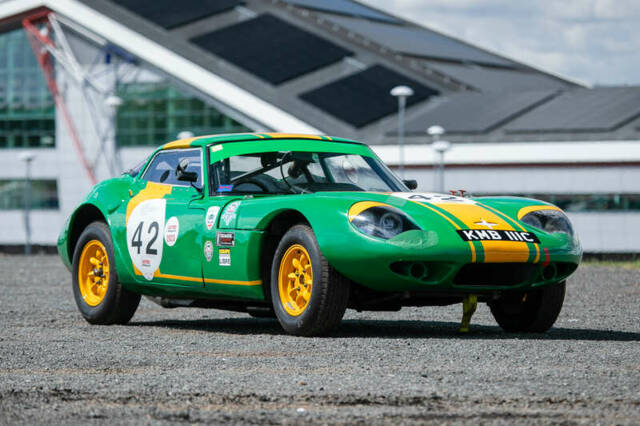
1965 | Marcos 1800 GT
1965 Marcos 1800GT FIA GTP1

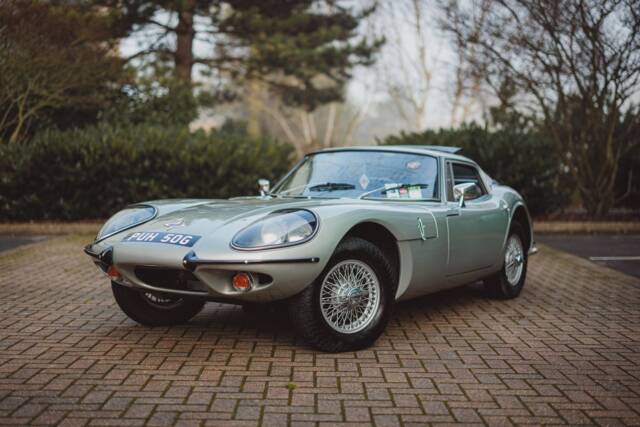
1968 | Marcos 1600 GT
Being sold by the CEO of Marcos Motor Company
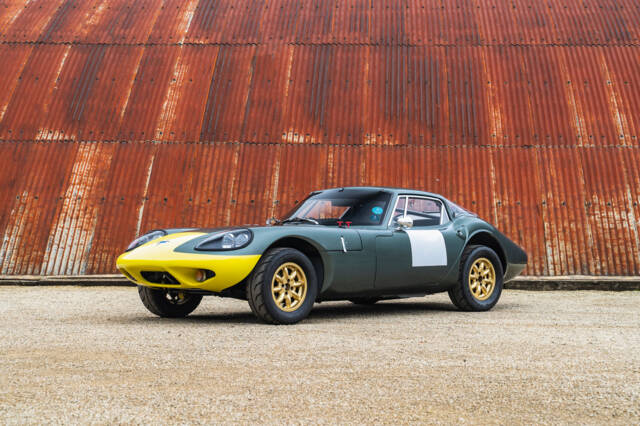
1965 | Marcos 1800 GT
Superbly prepared for historic racing with HTP papers to 2031
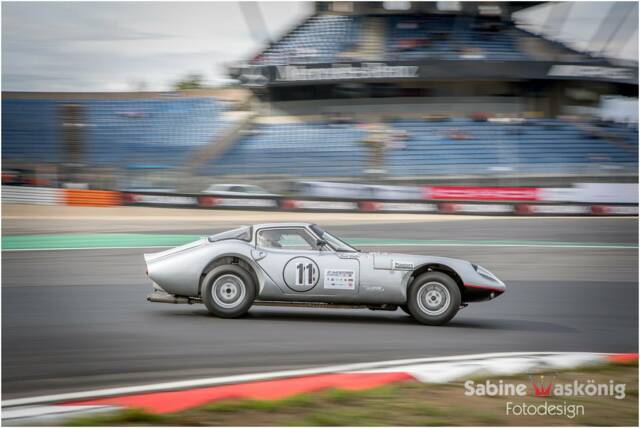
1965 | Marcos 1800 GT
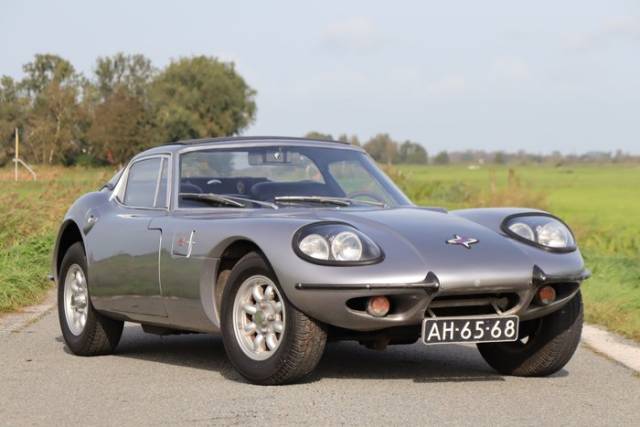
1966 | Marcos 1800 GT
Marcos - 1500 GT - 1966
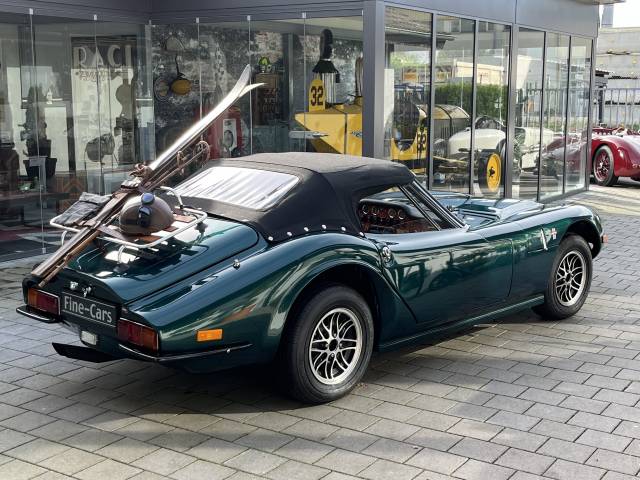
1970 | Marcos 3000 GT
Marcos 3000 GT 6 Zylinder Spider Links-gesteuert H-Zulsg.
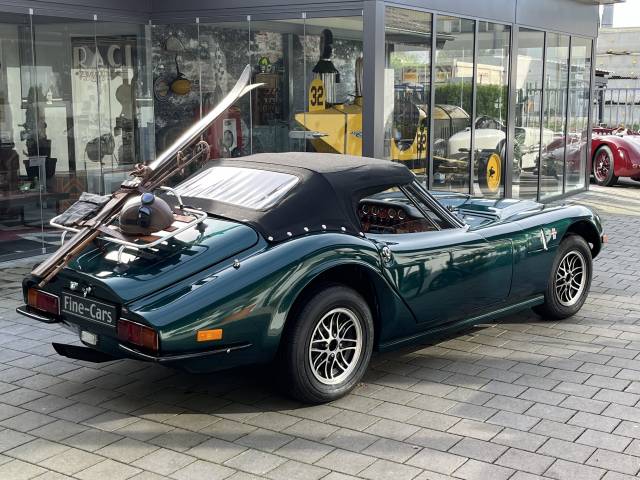
1970 | Marcos 3000 GT
Marcos GT-Spider 6-Zyl. restauriert mit H-Zulassung
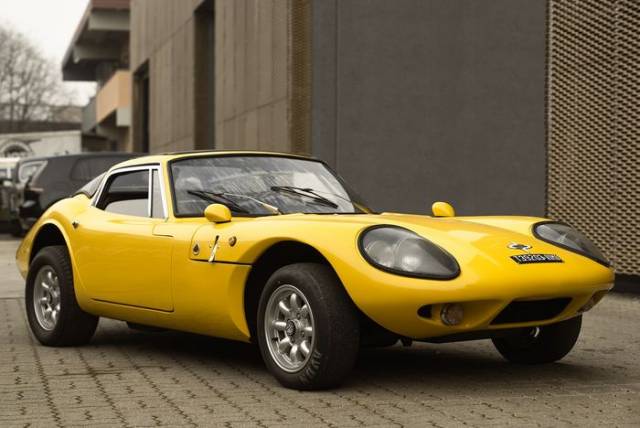
1977 | Marcos 1600 GT
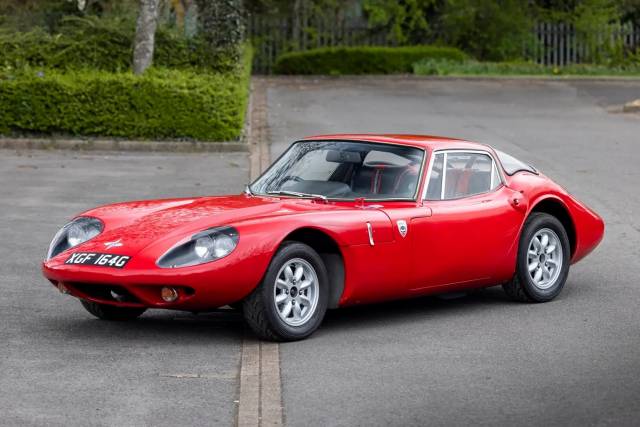
1968 | Marcos 1600 GT
Fantastic Fast Road - Competition Spec
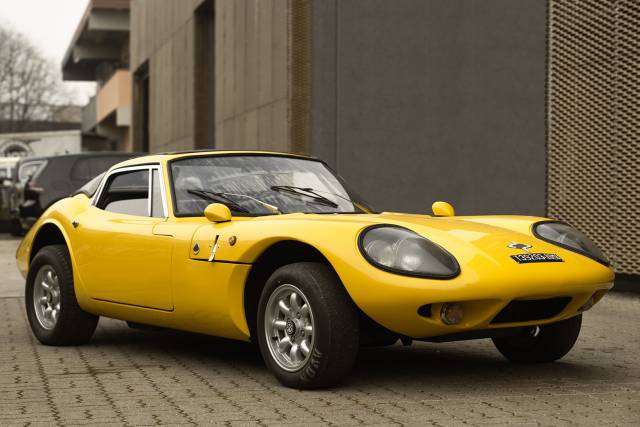
1977 | Marcos 1600 GT

Marcos GT Classic Cars: Prices & Market Values
History of the Marcos GT
The story of the Marcos GT begins in late 1950s Britain, when Jem Marsh and Frank Costin—whose backgrounds included aviation and motorsport—sought to develop a sports car that broke the mould of conventional construction. Founded in 1959, Marcos combined their surnames in the brand name, setting a new standard for lightweight sports cars using a plywood monocoque chassis, inspired by aircraft engineering. The GT series debuted at the 1963 Racing Car Show in London, garnering immediate attention for its streamlined lines and advanced use of materials. Early racing success, notably with Jackie Stewart at the wheel, forged its reputation before the model transitioned into a more production-focused sport coupé for private buyers. The original Marcos GT was notable not just for its structure but for its continuous development—from the "Ugly Duckling" prototype with its distinctive, high roofline to the elegant, ultra-low silhouette sculpted by Dennis and Peter Adams. The GT outlived earlier experimentations like the Luton Gullwing and Fastback, and remained a hallmark until the arrival of the Mantis in 1970.
Model History of the Marcos GT
Introduced in 1964, the Marcos GT evolved through several engine and body configurations until 1972. The earliest cars featured Volvo’s B18 engine; soon after, more affordable Ford Kent units (1499 and 1600 cc) broadened market appeal. Low-volume production kept the cars exclusive: for instance, only 82 units of the 1500 GT version were built. Several derivatives appeared, including Twin Cam variants and the move from a racing prototype focus to more road-friendly versions. Distinctive features—such as a self-supporting plywood chassis—remained throughout, before the series was succeeded by the Marcos Mantula.
Highlights of the Marcos GT
The Marcos GT challenged conventional engineering with its ultra-light chassis made from over 200 plywood components using aircraft techniques. Its weight savings (approx. 720–740 kg) enabled brisk performance even with modest engine sizes. Notable for its long bonnet, fastback roof, and pronounced coupé shape, the GT also stood out for its hand-finished interiors, three-spoke steering wheel, comprehensive gauges, and availability in both left- and right-hand drive. Unusual features included early gullwing doors and split windscreens, while aluminium wheels, sunroofs, and custom luggage compartments were optionally available.
Technical Data
Special Editions and Collectible Models
Production numbers for specific models underline their collectibility—most famously, only 82 units of the 1500 GT were produced, and Twin Cam-equipped chassis are particularly sought after by purists for their mechanical authenticity and performance specification. Some examples featured unique body elements like motorcycle-style fenders or distinctive split windscreens in early cars, making them especially desirable to collectors.
Weak Spots and Common Issues
The Marcos GT’s unconventional plywood chassis demands expertise for repairs, especially concerning wood rot or moisture ingress—unlike typical steel cars, restoration requires woodworking skills and specialised adhesives. Fibreglass bodies can suffer from stress-cracks over time. Mechanical issues depend on the engine fitted: parts for Ford Kent or Volvo drivetrains remain relatively accessible. Custom-fit interior trim and exterior parts, however, may be challenging to source due to low total production.
Engine, Performance, Transmission and Handling
Thanks to its featherweight design, the GT delivers impressive agility and acceleration, even with modest engine outputs. The four-speed manual transmission (often with overdrive) suits the car’s sporting character. Independent front suspension and a solid rear axle reflect 1960s British sports engineering, with the low ride height contributing to a unique, ground-hugging feel on twisty roads. Steering precision and driver feedback are considered a strong point, attributed to both the chassis construction and layout. - Marcos GT 1500 (1499 cc Ford Kent): c. 85 PS, approx. 720 kg kerb weight.
- Marcos GT 1600: Slight bump in power and flexibility.
- Volvo B18-engined cars: Used in early models, valued for robust performance.
- Twin Cam variants: For more athletic driving characteristics.
Interior, Comfort, Exterior and Design
The Dennis and Peter Adams styling is immediately recognisable: signature long nose, tight cockpit, thin roofline, and flowing coupé contours typify the GT’s late-sixties British sportscar look. Interiors often feature bucket seats, a leather-accented luggage space, and a wood-clad, multi-dial dashboard. Finishes like anodised 13-inch alloy wheels, removable sunroofs, and in some units a split windscreen, demonstrate attention to detail and ingenuity. The low seating position and minimal height reinforce the car’s dedicated sporting focus, while rare paint and trim options occasionally surface in the market, especially on special-commission cars.
Other Notable Features
The Marcos GT appeals to enthusiasts who value innovative construction and rarity. Some early examples featured radically different design solutions, like motorcycle-style wheel arches or gullwing doors, not seen elsewhere. The series’ blend of aeronautical and racing influence sets it apart from conventional British coupés.
Summary
The Marcos GT is a rare example of British sports car engineering driven by individual visionaries with backgrounds in racing and aviation. Hand-crafted with a plywood monocoque and lightweight fibreglass skin, its technical choices and design philosophy remain unmatched. Slim production numbers, genuine motorsport pedigree, and unusual technical details combine to ensure lasting appeal for dedicated collectors and those seeking authentic 1960s driving sensations.