Lotus Elan Classic Cars for Sale
The Lotus Elan stands out as one of Britain’s most focused sports cars. Launched in 1962, it introduced ground-breaking engineering such as a steel backbone chassis and fibreglass bodywork, resulting in extraordinary agility, minimal weight and rewarding driving precision. Today, its rare balance of usability and performance draws a loyal following among classic motoring enthusiasts.
Search results

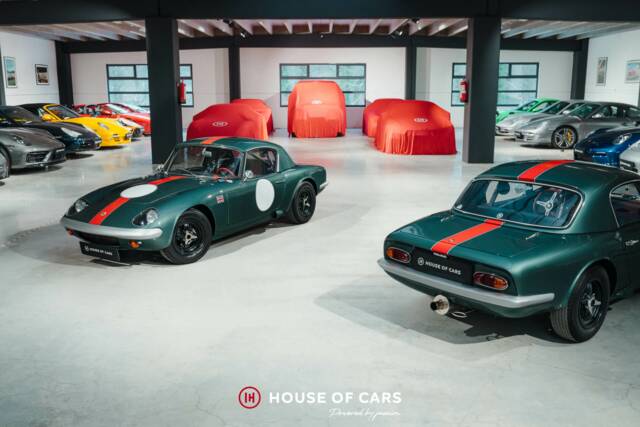
1965 | Lotus Elan S2 26R
26R - Genuine - 1 of 97* - LHD converted

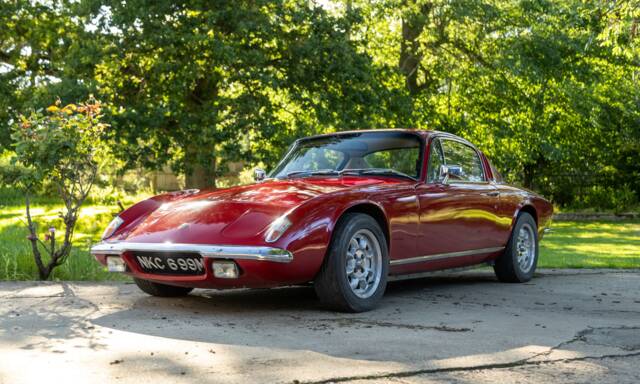
1973 | Lotus Elan Plus 2S 130
1973 Lotus Elan Plus 2S

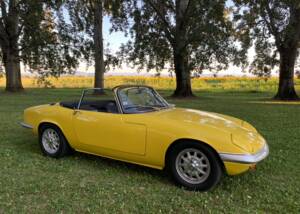
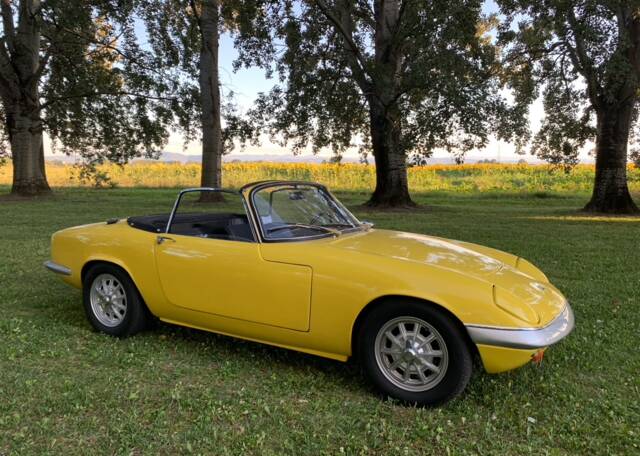
1966 | Lotus Elan S3
Italiana CERTIFICATA ASAI

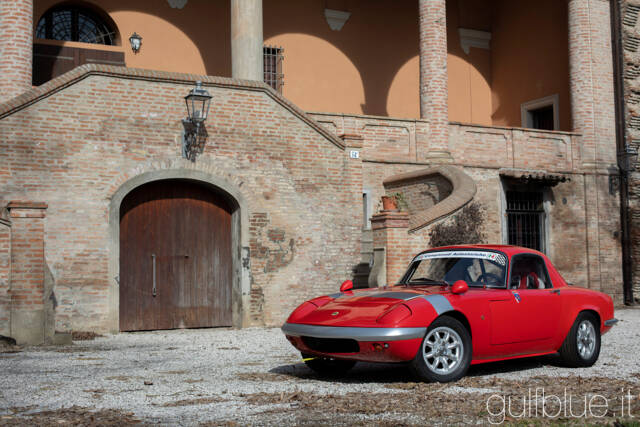
1966 | Lotus Elan S3
Race car, ideal for rally, hillclimb and track, same owner since more than 20 years
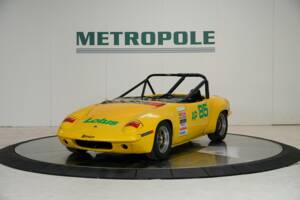
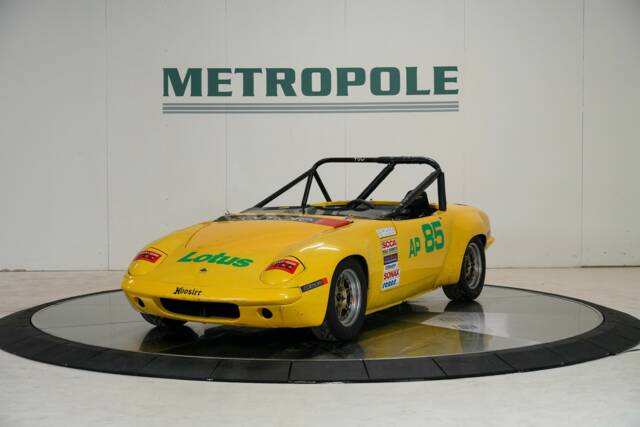
1969 | Lotus Elan
Lotus Elan R SCCA1558/ M1134

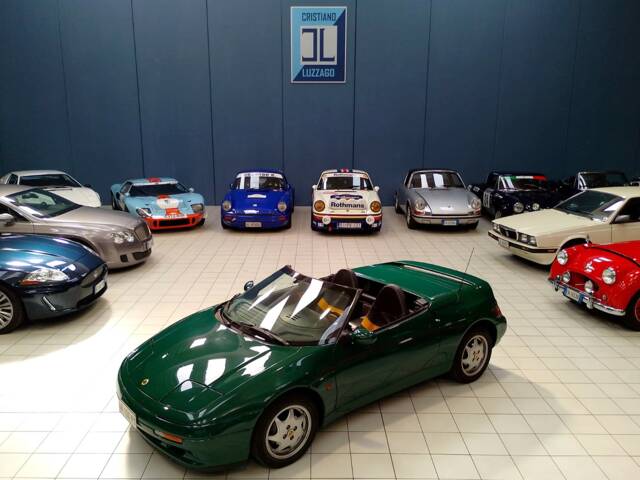
1992 | Lotus Elan SE
LOTUS ELAN 1.6 TURBO 1992
Lotus Elan listing references from Classic Trader
Below you will find listings related to your search that are no longer available on Classic Trader. Use this information to gain insight into availability, value trends, and current pricing for a "Lotus Elan" to make a more informed purchasing decision.
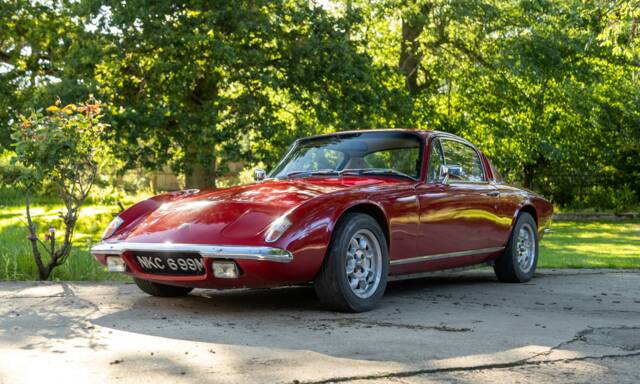
1973 | Lotus Elan Plus 2S 130/5
1973 Lotus Elan Plus 2S 130/5
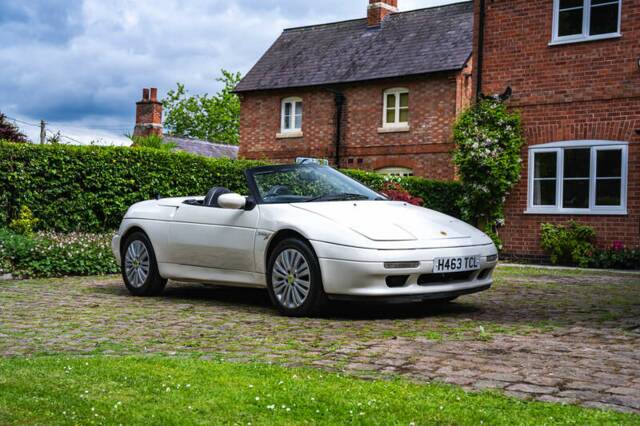
1991 | Lotus Elan
1991 Lotus Elan SE Turbo (M100)
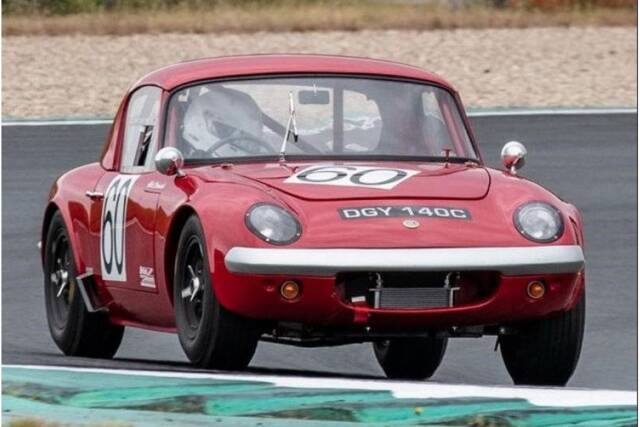
1965 | Lotus Elan
ex-Jochen Neerpasch Lotus Elan 26R
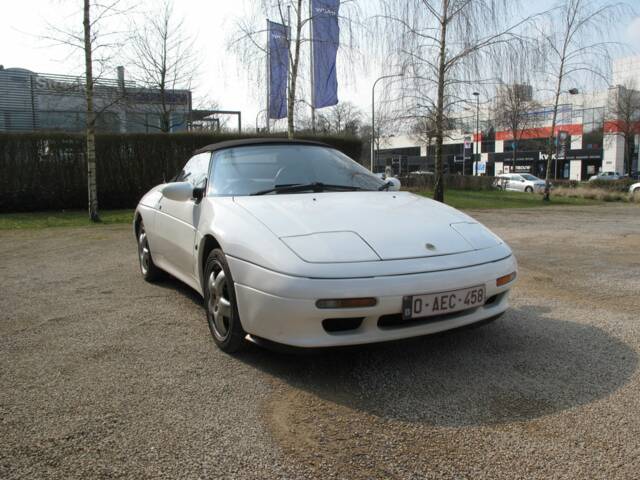
1990 | Lotus Elan SE
Lotus Elan M100 SE Turbo | 1990 | Route 66 Auctions - For sale by auction. Estimate 5500 EUR
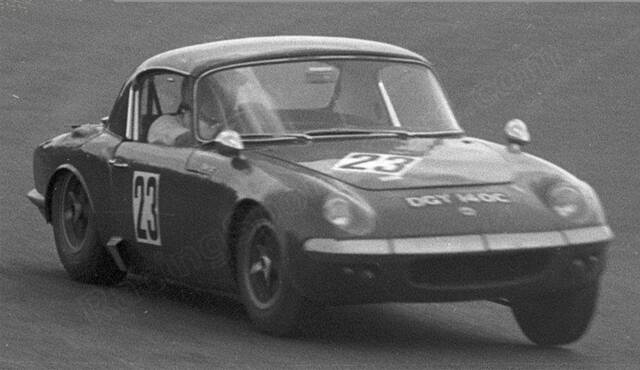
1964 | Lotus Elan S2 26R

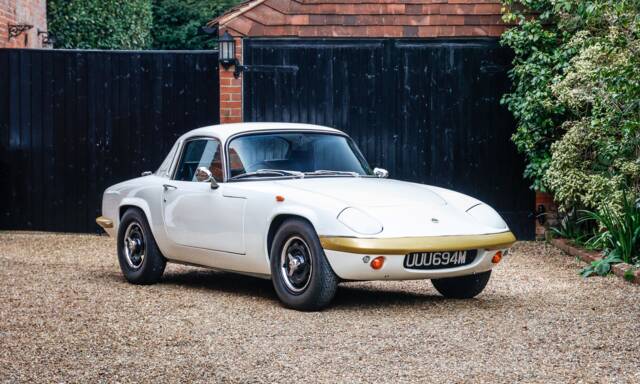
1973 | Lotus Elan Sprint
1973 Lotus Elan Sprint
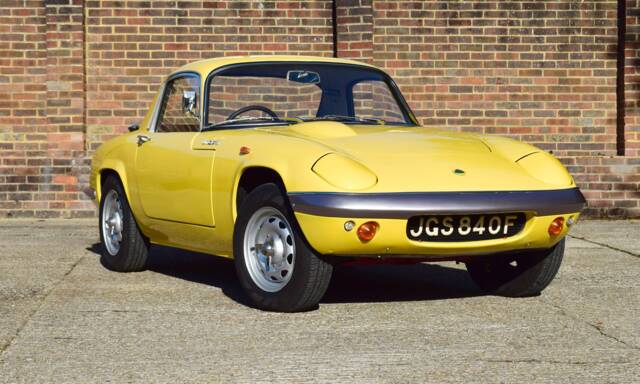
1968 | Lotus Elan S4
1968 Lotus Elan S4
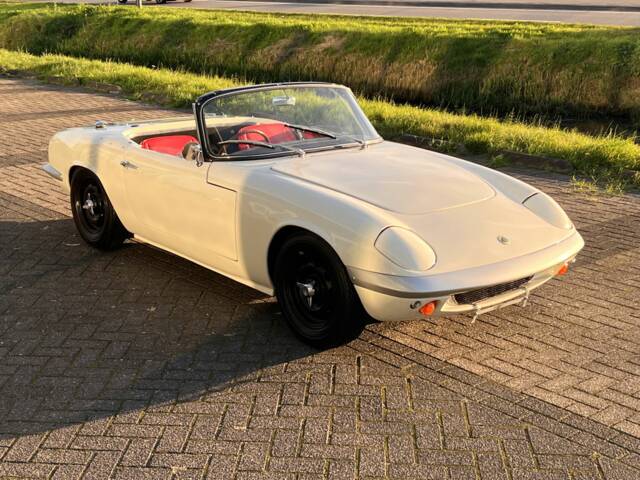
1965 | Lotus Elan
Lotus Elan S2 | 1965 | Route 66 Auctions - For sale by auction. Estimate 16500 EUR
Lotus Elan Classic Cars: Prices & Market Values
The market value of Lotus Elan classic cars is primarily determined by the specific manufacturer code and variant, as well as technical condition, originality and mileage. Additional factors include rarity, history and documentation. A well-maintained, largely original vehicle with low, verifiable mileage and complete history including appraisals and documentation typically achieves significantly higher prices than a comparable vehicle with deferred maintenance, many modifications or unclear provenance.
Lotus Elan: Market Prices & Value Trends
Based on sales data from the Classic Trader marketplace, the Lotus Elan market shows a broadly stable to gently rising trend over the period from early 2021 to December 2025, with most movement driven by specification and provenance rather than short-term swings. Across Europe (with a notable cluster of adverts in the UK, Italy, the Netherlands and Belgium), the “core” classics — particularly 1960s Elan S3/S4 and similar road cars — typically sit in a realistic bracket of roughly €35,000–€60,000 (or about £25,000–£50,000 in UK asking prices), depending on restoration quality, originality and documentation. Later M100 Elan SE models from the early 1990s generally trade much lower, commonly around €12,000–€25,000, reflecting higher production numbers and a different collector profile. Rare, competition-focused cars (for example an Elan S2 26R) can appear at very high figures, but these are clear outliers and should not be used to judge the mainstream market. Overall, steady demand for lightweight, analogue British sports cars is helping values hold firm, especially for well-sorted 1964–1973 cars such as S3/S4 and Sprint variants.
The Story of the Lotus Elan
The Lotus Elan made its debut in 1962 as the Type 26 roadster, setting a new standard for lightweight sports cars in Britain. Conceived by Colin Chapman, the founder of Lotus, the Elan was born from a drive to reduce weight and maximise handling. The Elan replaced the costly Lotus Elite and brought new technology to the street—including a steel backbone chassis and a glassfibre-reinforced plastic body, a fastidiously engineered suspension and notable mechanical innovations. Throughout the 1960s, Lotus expanded the lineup: 1963 saw the addition of a hardtop, the Type 36 coupé arrived in 1965, and by 1967 the stretched Elan +2 offered extra space with two rear seats. Production of the classic Elan lineage ended in 1975, with a brief resurgence of the Elan badge from 1989 to 1995 under General Motors, this time with a transverse Isuzu engine and front-wheel drive.
Model Series Evolution
The Elan’s evolution began with the Elan 1500, a short run with a 1.5-litre engine, quickly superseded by the Elan 1600 and then the more powerful S2, S3, and S4 models. The Elan Sprint, launched in 1970, became a high point with its ‘Big Valve’ twin-cam engine. Lotus offered coupé and convertible body styles (Fixed Head Coupe Type 36; Drop Head Coupe Type 45), while the Elan +2 catered to families with its longer wheelbase. In 1989, Lotus revived the Elan as the M100, now with a front-wheel drive Isuzu turbo engine, retaining the lightweight focus but introducing modern technology, including a catalytic converter in the 1994 Series 2.
Key Features and Data
The engineering behind the Elan was ahead of its time. The backbone chassis and GFK (fibreglass-reinforced plastic) body made the car exceptionally light—around 680 kg for standard models and up to 1020 kg for the +2 variant. Its precise rack-and-pinion steering, four-wheel disc brakes, and fully independent suspension offered an unmatched driver experience. The original twin-cam engines, developed from Ford’s Kent block with aluminium DOHC heads designed by Lotus, ranged from about 100 to 126 hp in the most powerful ‘Big Valve’ versions. Later models featured 5-speed gearboxes and further upgrades. Motorsport versions like the 26R were even lighter and more powerful, with race-tuned engines and bespoke chassis. The supply statistics show the Elan represents approximately 43% of Lotus classic listings, and the demand shares echo its strong following: Elan models garner around 42% of Lotus listing views, affirming its enduring appeal among British classic car enthusiasts.
Technical Data
Special Editions & Limited Models
Lotus produced several standout editions: The Elan Sprint (Big Valve) was the peak of performance for the original shape. Motorsport enthusiasts prize the 26R—factory-built race cars with lighter shells, uprated engines and bespoke chassis. The Shapecraft Coupe (alloy roof conversion), Ian Walker Racing Elan Coupe (full aluminium body), and the rare Hexagon Estate offered unique body styles for the select few. The M100 Series 2 (S2) was a limited run with catalytic converters, only 800 produced. The +2 130/5 offered a 5-speed ‘box for grand touring comfort.
Maintenance and Typical Issues
Routine maintenance is straightforward thanks to the Elan’s simple mechanicals and strong aftermarket support. The fibreglass body is immune to general corrosion, but UV exposure and impacts can cause surface cracks or crazing. Chassis can suffer from rust, particularly at suspension pick-up points, but replacement frames are widely available. Standard wear items include suspension bushings, disc brakes, and electrical components; early Elans in particular had issues with Lucas electricals but these are well documented and repairable. Engines are robust when properly cared for, but attention to coolant and oil circuits is crucial. Parts availability is high due to the car’s popularity in club environments.
Driving Experience, Engines and Handling
Low curb weight, perfectly balanced suspension, and direct steering define the Elan’s reputation. Early models, with sub-700 kg mass and up to 126 hp, deliver vivid acceleration (0–100 km/h in 6–8 sec) and agile responses. The chassis remains responsive at all speeds, and the Chapman-strut back end imbues lively cornering. Early Elans offer rear-wheel drive; M100 shifts to a turbocharged, front-wheel-drive format, yet still provides engaging handling thanks to careful geometry.
Popular Models:
- Elan Sprint: Widely respected for its ‘Big Valve’ head, outputting up to 126 hp; available as coupe and convertible.
- Elan +2 130/5: Adds two rear seats and 5-speed box; practical yet swift.
- Elan 26R: Factory race model, lightened, strengthened, race-tuned, and highly competitive in period and historic motorsport.
- Elan M100 S2: Modernised drive, Isuzu turbo, advanced suspension—appeals to those seeking Lotus DNA with more refinement. undefined
Design, Interior and Features
The Elan’s body (by Ron Hickman) embodies 1960s British sports car minimalism—smooth lines, compact proportions, and a driver-centric cockpit. GFK bodywork allows for vibrant colours and resistance to corrosion, while interior features vary from spartan clubman to wood dash, leather seats and optional power windows and radios. Accessories range from optional hardtops to period-correct wheels (Minilite) and factory-fit radios. +2 models feature larger cabins, four seats (rear best for children), and more extensive trims. Elan M100 presents a different, aerodynamic silhouette, modern bumpers, and a practical soft-top mechanism.
Other Relevant Features
The Elan uniquely straddles both historic motorsport and usable classic car categories. Extensive club support ensures parts supply and restoration expertise. It was offered in both kit and factory-built forms—an important distinction for UK buyers seeking cost efficiency. The Elan’s influence even inspired Mazda’s MX-5 engineering, highlighting its lasting technical and cultural impact.
Summary
The Lotus Elan remains an outstanding example of British engineering, famed for its driving pleasure, innovative chassis, and maintenance accessibility. With a wide range of models—including lightweight club racers and practical four-seaters—the Elan continues to attract enthusiasts seeking a purist approach to classic motoring. Its robust supply on the market and high demand figures reflect a dedicated following, while its strong engineering and ease of care ensure lasting enjoyment on the road or track.