Dodge Daytona classic cars for sale
The Dodge Daytona stands out among American sports hatchbacks, produced from 1984 to 1993. Its front-wheel drive layout, diverse engine choices, and restyled appearances make each Daytona a unique driving experience. The Daytona’s evolution and technical features attract enthusiasts looking for both history and performance in a classic car.
Search results
Currently, there are no matching listings for your search.
Create search alert
Let yourself be notified as soon as a listing is published that matches your search filters.
Create listing
Do you have a Dodge Daytona that you want to sell? Then create a listing now.
Create listingDodge Daytona listing references from Classic Trader
Below you will find listings related to your search that are no longer available on Classic Trader. Use this information to gain insight into availability, value trends, and current pricing for a "Dodge Daytona" to make a more informed purchasing decision.
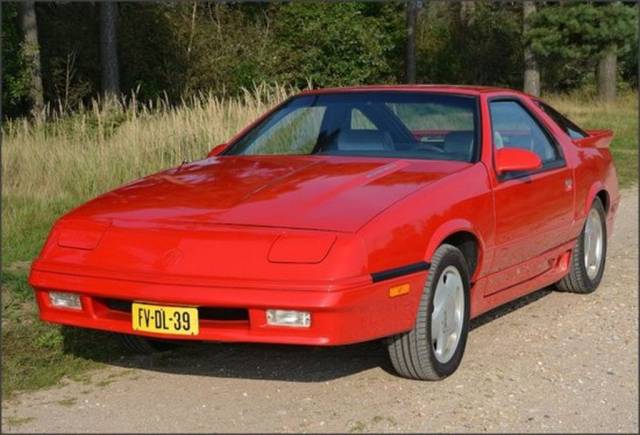
1989 | Dodge Daytona ES Turbo
Dodge Daytona Turbo II

Create search alert
Let yourself be notified as soon as a listing is published that matches your search filters.
Create listing
Do you have a Dodge Daytona that you want to sell? Then create a listing now.
Create listingDodge Daytona Classic Cars: Prices & Market Values
History of the Dodge Daytona
The Dodge Daytona, produced between 1984 and 1993, was Dodge’s answer to the growing demand for sporty, affordable coupes in the US market. Based on the Chrysler G platform – itself an iteration of the famous K-car platform – the Daytona offered a modern, aerodynamic design and front-wheel drive. With the Daytona, Dodge positioned itself against both domestic and imported sports coupes, using a name that referenced the Daytona 500, extracting heritage from American motorsport culture. The model replaced the Mitsubishi Galant-based Challenger and found its place between the larger Charger and the more premium Conquest. The Daytona also had an upscale sibling, the Chrysler Laser, which only lasted until 1986. Over its life, the Daytona saw two major facelifts in 1987 and 1992, as Dodge aimed to keep the model current with design and technology trends, before eventually being replaced by the Dodge Avenger in 1995.
Model History
Initially launched in 1984 as a three-door hatchback, the Daytona was part of Dodge’s G24 project and shared much of its architecture with the Chrysler Laser. Early models included the Base, Turbo, and Turbo Z trim levels. By 1986, a new 2.5-litre four-cylinder engine joined the range, and by 1987, the Daytona was restyled with pop-up headlights and an updated rear. Key evolutions included the sporty Shelby Z model in 1987, equipped with a Getrag five-speed gearbox and an uprated turbo engine. From 1989 onwards, all Daytonas benefited from rear disc brakes. The performance hierarchy later included the Daytona Shelby (later Daytona IROC), each carrying different turbocharged engine options, and the series closed in March 1993 with over 385,000 units built in all versions.
Highlights and Features
The Daytona introduced turbocharging to a broad new market segment. Early Turbo Z models drew attention with two-tone paint, unique spoilers, and ground effects. Later, the 1987 Shelby Z added a sport-tuned suspension and mechanical upgrades. Electronic features were advanced for their time, with available digital dashboards, trip computers, and warning systems for doors and lights. The Daytona stood out by making performance accessible and packing in advanced electronics for the market segment.
Technical Data
Special Editions and Collectible Models
Among the most interesting variants is the Daytona Shelby Z (offered from 1987), combining an uprated turbocharged engine, beefed-up suspension, and exclusive features. Rare models like the 'Silver' Daytona (only 258 produced between 1989 and 1991), equipped with the 2.2-litre Turbo II, stand out for collectors. Notably, the Decepzione project attempted to mate a Lamborghini Jalpa V8 with all-wheel drive to the Daytona platform. Though it never saw mass production, it reflects the model’s experimental edge and cross-brand influence during Chrysler’s ownership of Lamborghini.
Weak Spots and Common Issues
Common weak spots for the Dodge Daytona include issues typical of turbocharged four-cylinders from the period, such as head gasket wear, oil leaks from aged seals, and timing belt fatigue. Early electronic systems—like digital dashboards and trip computers—can also present repair challenges today due to ageing components or unavailable parts. Bodywork may suffer from corrosion in structural areas and on multimedia spoiler elements. Braking and suspension components, especially on higher-performance variants, will require regular inspection and, if possible, upgraded replacements to ensure reliability.
Engine and Performance, Transmission and Handling
The Daytona’s front-wheel-drive layout and turbocharged engines provided spirited acceleration, particularly in Turbo and Shelby trims. The five-speed Getrag transmission in later Shelby models is well-regarded for its durability and positive shift action. Handling evolved noticeably through the model run: the addition of wider tires, sport-tuned suspensions, and rear disc brakes (from 1989 onwards) gave the Daytona a competent blend of comfort and cornering precision for a car of its class. Ride comfort is firmer on the Turbo and Shelby editions due to upgraded springs and shocks, providing more feedback and control at speed. Most sought-after are the Daytona Shelby Z (177 hp, Getrag transmission), Turbo Z models for their styling and performance, and the Silver limited edition (2.2 Turbo II, 150 hp; just 258 produced). Each offers a unique combination of performance and rarity.
Interior, Comfort, Exterior and Design
The Daytona’s wedge-shaped body, pop-up headlights (from 1987), and pronounced spoiler work make it unmistakable on the road. Interiors of higher trims often feature multi-tone upholstery, side bolstering on sports seats, digital instrumentation, and options such as trip computers, power windows, and premium sound systems. Paint options varied through the years, with Turbo Z and Shelby variants often delivered in eye-catching two-tone finishes or rare metallics. Unique design features such as ground effects kits, distinctive front and rear spoilers, and accented side stripes set the Daytona apart from its more restrained competitors. Optional accessories included sunroofs, body-coloured wheel accents, and alloy wheels.
Other Features and Details
Some Daytona models were exported under different names; for example, the 1987 Daytona Turbo was known in Europe as the Chrysler GS Turbo II. Experimentation with advanced displays and trip monitoring functions placed the Daytona ahead of many competitors in the tech department during the 1980s.
Summary
The Dodge Daytona, built from 1984 to 1993, remains an engaging blend of American performance engineering and ‘80s style. Its development over nearly a decade produced several distinctive variants, with technical evolution reflected in powertrains, chassis upgrades, and interior technology. For buyers interested in a classic American sports hatchback with character, a well-preserved Daytona—especially in Turbo or Shelby trim—offers driving enjoyment backed by a unique place in Dodge’s model history.