BMW Z1 classic cars for sale
The BMW Z1 stands apart as a technological pioneer among classic roadsters, produced from 1989 to 1991 in just 8,000 units. Its standout features—sliding doors, a thermoplastic body, and a highly advanced chassis—make it a unique experience to drive and collect. Dive into the world of the Z1 for a deep look at its development, engineering highlights, and what to watch for with these distinctive BMWs.
Search results
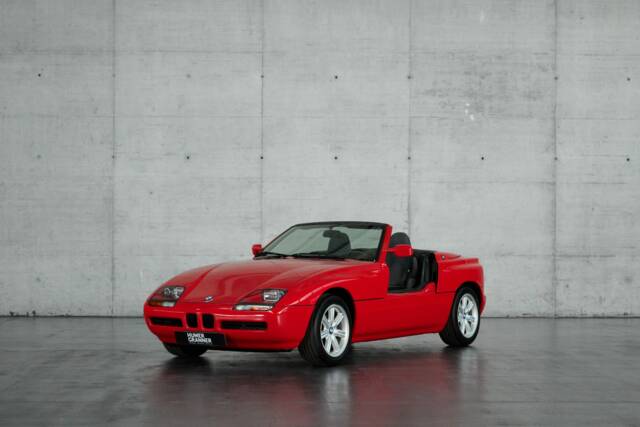
1990 | BMW Z1
1990 BMW Z1. Im Auktionsverkauf. Schätzwert: 35.000 € - 50.000 €.

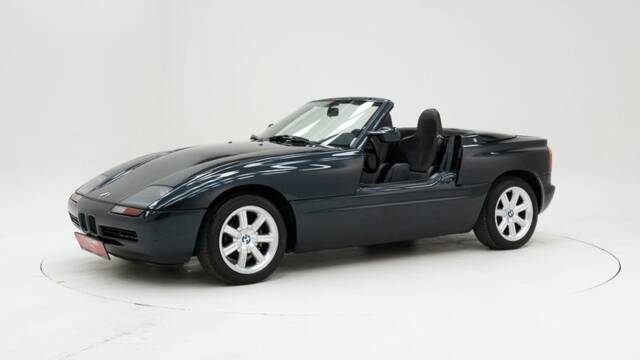
1991 | BMW Z1
1991 BMW Z1 '91

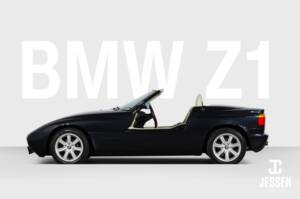
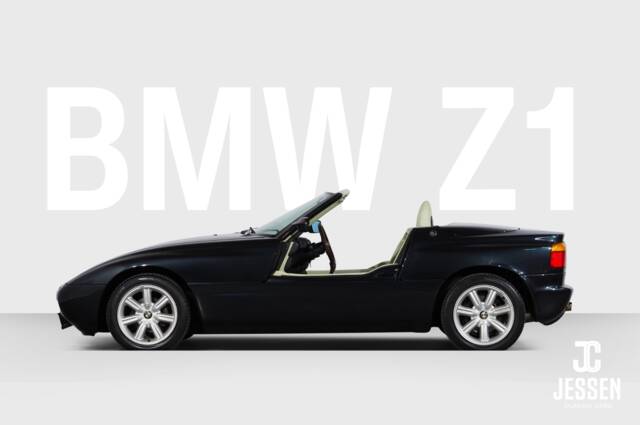
1991 | BMW Z1
Dream Black Metallic/Cloth-/Leather Combination, Light Yellow


Newsletter
The best BMW listings, straight to your inbox
Get hand-picked BMW listings, plus the best of cars, motorbikes, and auctions on Classic Trader — all in one place.
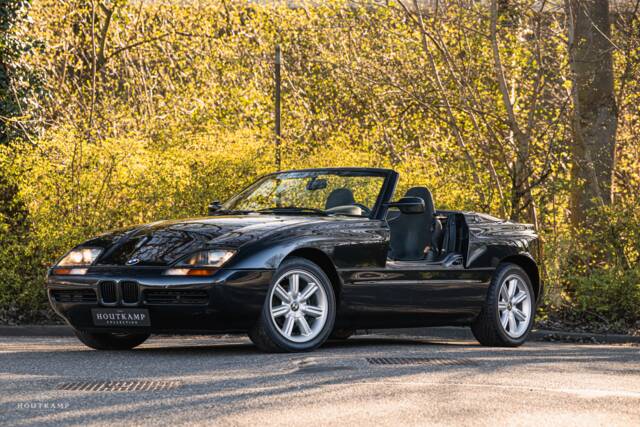
1990 | BMW Z1
Just 51,600 km since new
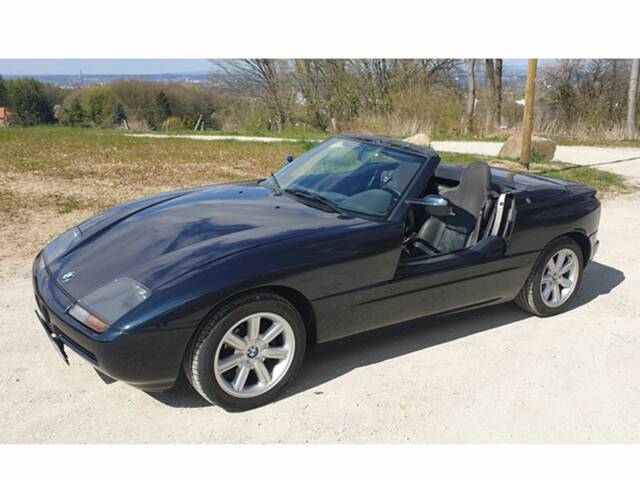
1989 | BMW Z1
Accident-free-Original condition-Historic registration-Dream Black-Leather Camouflage TÜV 08/27
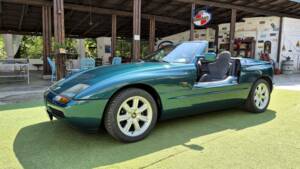
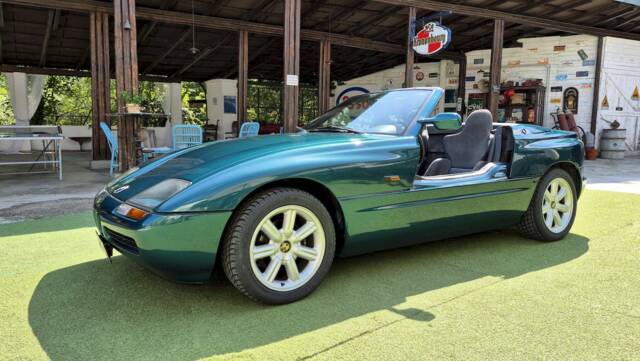
1991 | BMW Z1
SUMMER PRICE 2026 @ CITY MOTORS

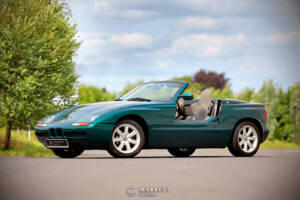
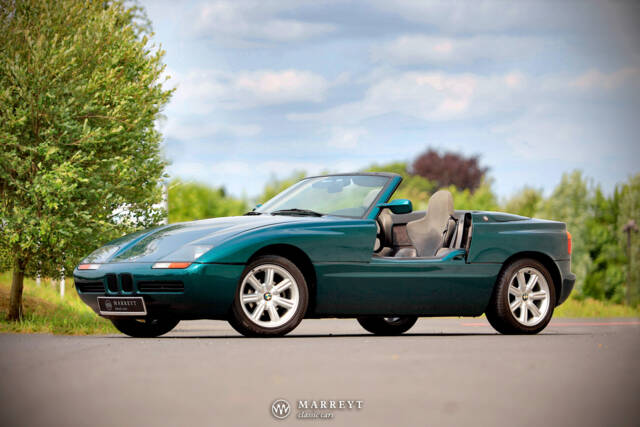
1990 | BMW Z1
A rare icon in Ürgrün with exceptional provenance
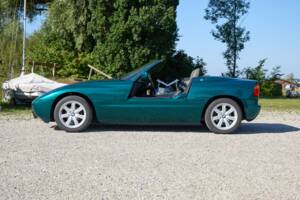
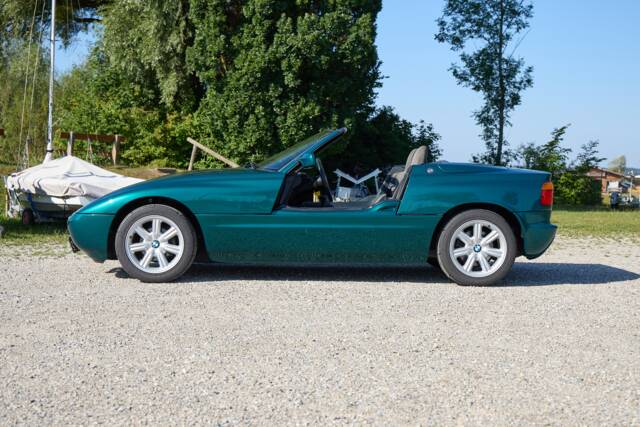
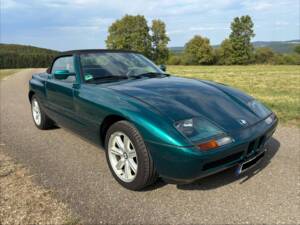
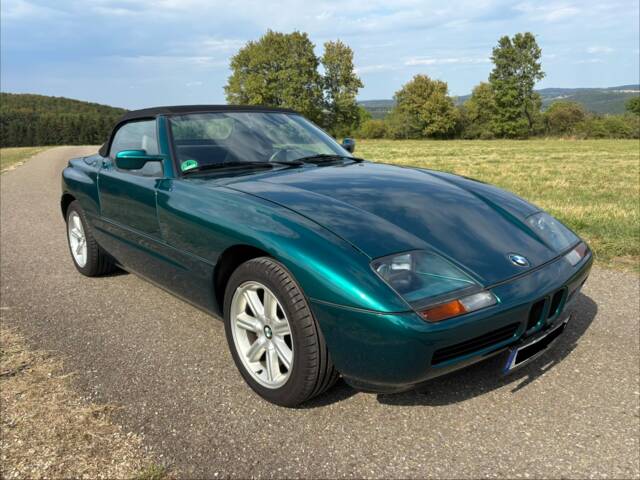
1989 | BMW Z1
1st owner. Museum condition
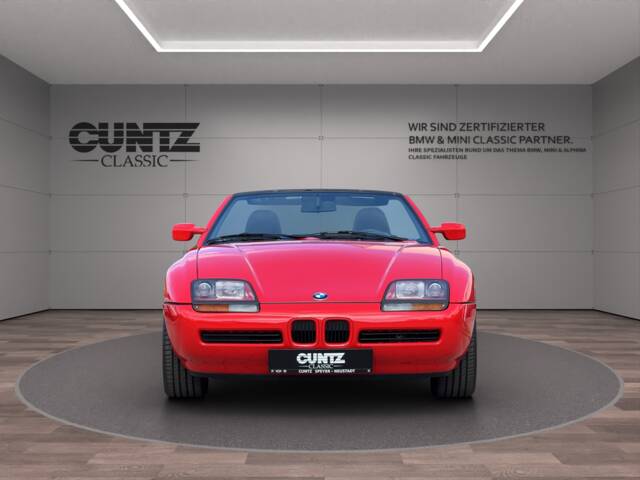
1990 | BMW Z1
Timeless style icon in top condition - ONLY 13tsd KM and 1. OWNER!
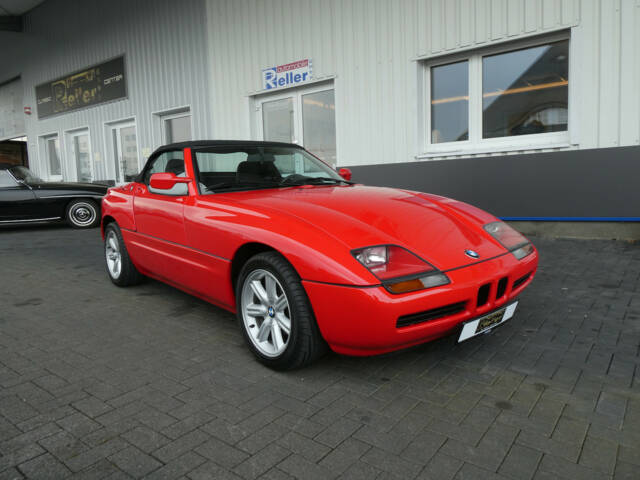
1991 | BMW Z1
deutsche Erstauslieferung
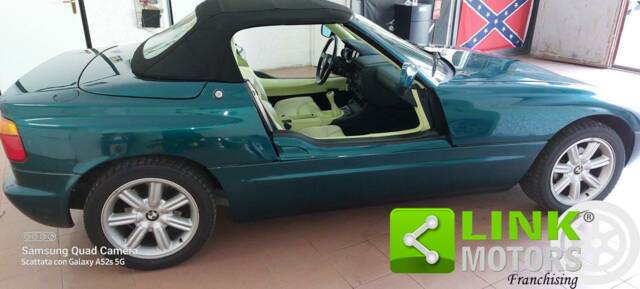
1989 | BMW Z1
BMW Z1 KM ORIGINALI
BMW Z1 listing references from Classic Trader
Below you will find listings related to your search that are no longer available on Classic Trader. Use this information to gain insight into availability, value trends, and current pricing for a "BMW Z1" to make a more informed purchasing decision.
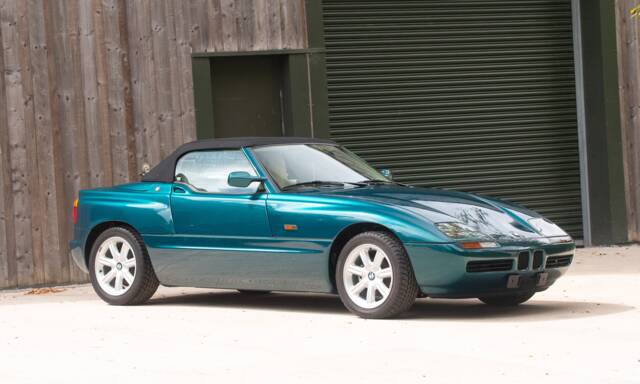
1991 | BMW Z1
1991 BMW Z1

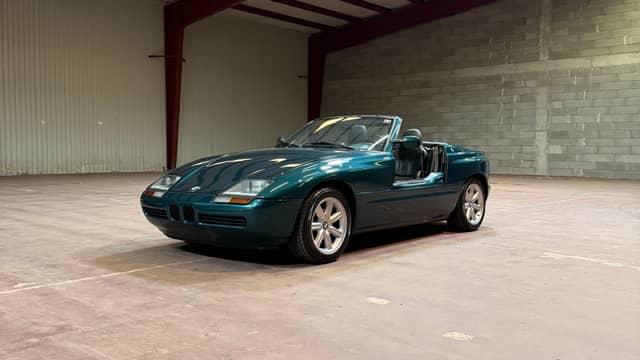
1990 | BMW Z1
1990 BMW Z1 in Urgrün – 2.5-liter inline-six, 170 hp and manual transmission
BMW Z1 Classic Cars: Prices & Market Values
The market value of BMW Z1 classic cars is primarily determined by the specific manufacturer code and variant, as well as technical condition, originality and mileage. Additional factors include rarity, history and documentation. A well-maintained, largely original vehicle with low, verifiable mileage and complete history including appraisals and documentation typically achieves significantly higher prices than a comparable vehicle with deferred maintenance, many modifications or unclear provenance.
BMW Z1: Market Prices & Value Trends
Based on sales data from the Classic Trader marketplace, the BMW Z1 market in Europe and the UK has been broadly stable to mildly firmer over the period from January 2021 to January 2026, with most cars clustering in the mid-range despite a few headline outliers. Across recent Classic Trader asking prices, typical examples of the 1989–1991 BMW Z1 (most commonly the 170 hp cars) tend to sit at around €45,000 to €70,000, with higher figures usually linked to exceptionally low-mileage, standout condition or particularly desirable specifications. At the lower end, UK adverts can appear around £30,000–£35,000 for more value-focused cars, while strong European cars in Germany, the Netherlands and Belgium often present in the €50,000–€65,000 bracket. Very high listings above €100,000 exist in the dataset but are rare and should be treated as exceptions rather than the market norm. Overall, the Z1’s limited production, distinctive sliding-door design and growing ‘modern classic’ appeal help support values, with condition, originality and documentation remaining the main price drivers.
History of the BMW Z1
BMW introduced the Z1 as an experimental and image-defining roadster, showcased at the 1987 Frankfurt International Motor Show. Production began in 1989, following a surge of interest after its debut. Conceived and developed at BMW Technik GmbH under designers Harm Lagaay and Ulrich Bez, the Z1 explored new materials, aerodynamics, and design concepts. BMW initially planned for 4,000 cars but doubled output due to early demand, reaching exactly 8,000 units before production ceased in mid-1991. The Z1 marks the first entry in BMW's Z series and served as a technological testbed, featuring innovations such as a galvanised steel chassis and body panels made almost entirely from thermoplastic. The striking slide-down doors, non-structural in nature, allowed for open driving in a literal sense, distinguishing the Z1 on both road and track.
Model Development and Lineage
All Z1 cars were produced as two-seater roadsters with left-hand drive and a single drivetrain: the 2.5-litre M20 inline-six, paired with a five-speed manual transmission. Unlike successors (Z3, Z4), only one body and engine version was available. Early cars featured minor proprietary solutions and unique details (such as specific radios), while later cars received optimization and improved component reliability. No coupe or automatic variants were ever factory-built; the Z1 remained a singular proposition in BMW’s range. The Z1’s successor in the Z line arrived as the Z3 in 1995, which broadened the Z philosophy to a wider market and multiple body styles.
Special Features and Production Data
The Z1’s most famous feature is its vertically retractable doors, which slide into the deep side sills and allow the vehicle to be driven with doors down. The lightweight thermoplastic body panels, mounted to a galvanised monocoque frame, offered modularity and some degree of impact resistance—panels could be swapped out individually. Aerodynamics were at the forefront: a flat undertray, rear diffuser, and uniquely profiled exhaust contributed to the world’s first production car to achieve 1g of lateral acceleration on road tyres. The Z Axle rear suspension, debuting on the Z1, later migrated to other BMWs such as the E36. ABS was standard, as were Recaro sports seats (leather or Alcantara), electric windows, central locking, and 16-inch alloys.
The Z1 is the only BMW classic with a 100% representation within its make and model series listings at Classic Trader, both in terms of supply and search demand—underscoring its specialist position among BMW enthusiasts and classic car seekers.
Technical Data
Special Editions and Collectible Versions
The BMW Z1 was sold almost entirely in its standard configuration, with exterior colour and interior trim being the only configurable options. Notably rare are the "Pur Blau Metallic" (193 produced), "Fun-gelb" (135 produced), and particularly early or late serial-numbered cars. Alpina converted 66 units into the Alpina Roadster Limited Edition, increasing engine displacement and power output to 200 PS, as well as introducing bespoke suspension and wheels—these conversions are the only recognised official special edition based on the Z1 platform.
Weak Spots and Common Issues
The Z1’s technical base is robust, yet the design introduces unique areas of concern. The thermoplastic body panels are prone to hairline or stress cracks and damage at mounting points, particularly on fenders, doors, and bumpers. Aftermarket paint is typical due to common road rash, but proper resprays are not problematic if done well. The true hidden danger lies in the galvanised steel frame: check floorpans and suspension mounts for corrosion; failure here is both serious and costly.
Retractable doors are both innovative and temperamental: worn mechanisms, misaligned sills, or corroded cable pulls can lead to misoperation or complete failure. Ageing soft-tops may leak, and rubber seals harden, admitting water to the cabin or boot. Suspension wear (struts, bushings, steering components) is likely with age; the Z Axle design can render certain repairs costly. The M20 engine is fundamentally strong but demands a fresh timing belt every four years; oil leaks, tired rubber components, or worn Hardy discs are not uncommon. Check brake hoses, fuel lines, and tyres—original-spec rubber from the 1990s now poses a safety risk. Electrical glitches, cloudy lighting lenses, and radio malfunctions (especially early Sony units) are known quirks.
Engine, Performance and Handling
Powered by BMW’s M20B25 straight-six, the Z1 offers 170 PS and 222 Nm, channelled through a crisp five-speed manual gearbox to the rear wheels. Acceleration to 100 km/h is quoted at 7.8 seconds, with a top speed of 225 km/h—impressive figures for a late-80s roadster. The car’s low weight, sophisticated chassis (with all-new Z-Achse independent rear suspension), and almost even weight distribution endow it with sharp, agile road manners. The aerodynamic aids—level underbody, functional diffuser, and tailored front end—allow the Z1 to reach 1g of lateral grip on street tyres, a key engineering achievement at the time. Brake discs all round, ABS, and precise steering complete a package focused on dynamic open-top driving. Top models: Standard Z1 in rare “Fun-gelb” or “Pur Blau Metallic”, and Alpina Roadster Limited Edition (200 PS, 66 units produced, specific wheels and suspension).
Interior, Comfort, Exterior and Design
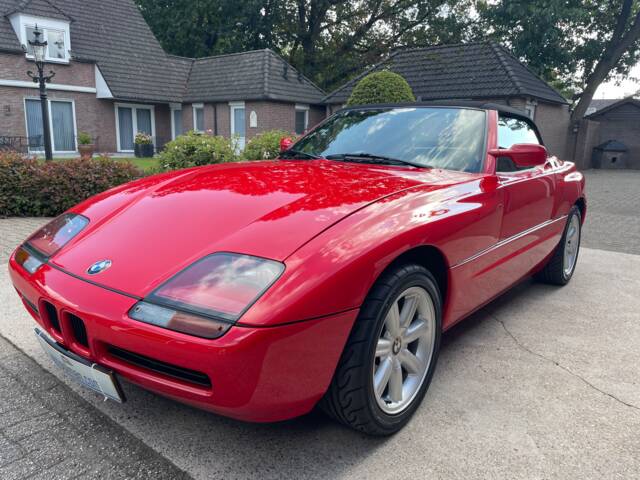
Designed by Harm Lagaay and Ulrich Bez at BMW Technik, the Z1’s appearance is defined by its wedge-shaped silhouette and unconventional, fully removable body panels. Standard exterior colours included Toprot, Urgrün, Traumschwarz, Magic Violett, as well as rare Fun-gelb and Pur Blau Metallic. The interior was equally distinctive, with Recaro sports seats in a camo pattern Alcantara/leather mix or full leather; some trims stand out for their preservation and rarity. All cars feature a driver-focused dashboard, central console, and three-spoke leather steering wheel. Standard equipment includes a manually operated soft top (with several colour options); factory hardtops are exceedingly rare (occasional Wiesmann units). The stowable doors, electric windows, and weather-resistant plastics reinforce the Z1’s commitment to open-air agility and bold, contemporary aesthetics.
Other Features
All Z1s are two-seater cabriolets, built exclusively as left-hand drive in Germany. No factory automatics or right-hand drive variants were ever made. Standard equipment includes electric mirrors, central locking, and a full toolkit. The Z1 lacks factory air conditioning and cruise control. Factory radios are valued among collectors, varying between early Sony and later BMW Bavaria units. Safety and build documentation are important for insurance and collector value—original keys, manuals, and service books increase a car’s market standing. The Z1 qualifies for historic vehicle registration and favourable taxation in most EU countries.
Summary
The BMW Z1 represents a milestone in BMW engineering, combining advanced materials, radical design, and focused roadster performance. Built in just 8,000 units between 1989 and 1991, each car offers a blend of innovation and purity unique in the brand’s history. The Z1’s distinct construction, engaging driving experience, and robust enthusiast following ensure it remains one of the most recognisable and technically fascinating modern classics from BMW.