- Motorcycle
- FN (0 offers)
Buy FN Motorcycle
From the world's first production four-cylinder to rugged military machines, FN (Fabrique Nationale) defined Belgian engineering excellence for over sixty years. Explore a legacy of shaft-driven innovation and record-breaking performance that continues to captivate collectors across the British Isles.
Search results
Currently, there are no matching listings for your search.
Create search alert
Let yourself be notified as soon as a listing is published that matches your search filters.
FN listing references from Classic Trader
Below you will find listings related to your search that are no longer available on Classic Trader. Use this information to gain insight into availability, value trends, and current pricing for a "FN" to make a more informed purchasing decision.
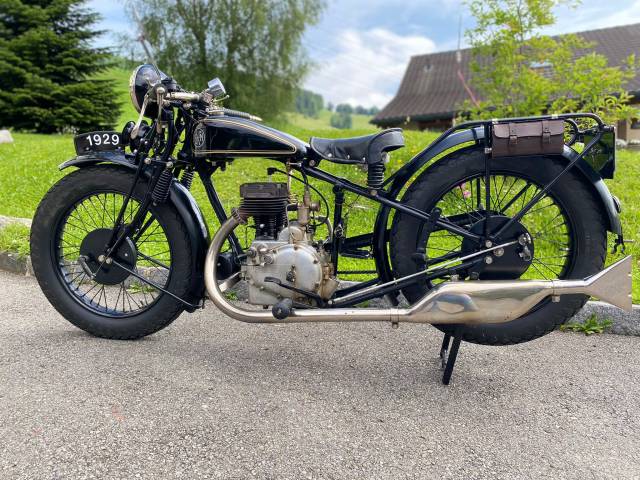
1929 | FN M 70
M 70B

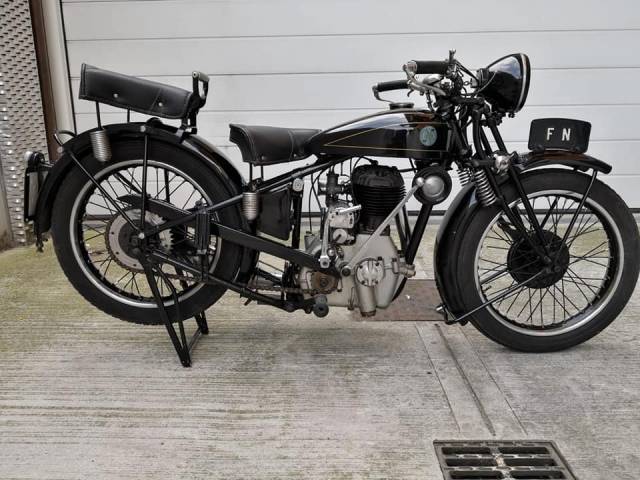
1931 | FN M 90
FN 500 M90 - 1931

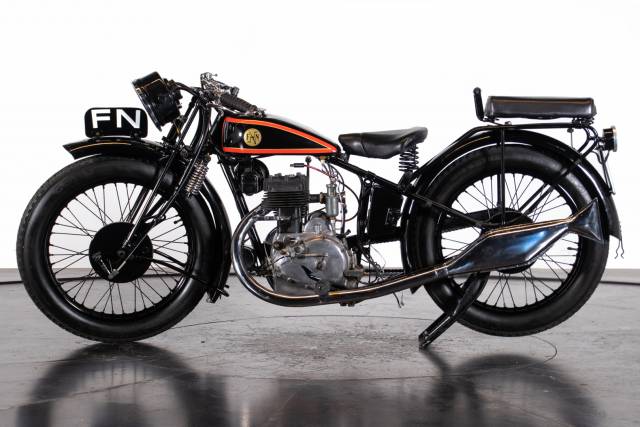
1935 | FN 350
-
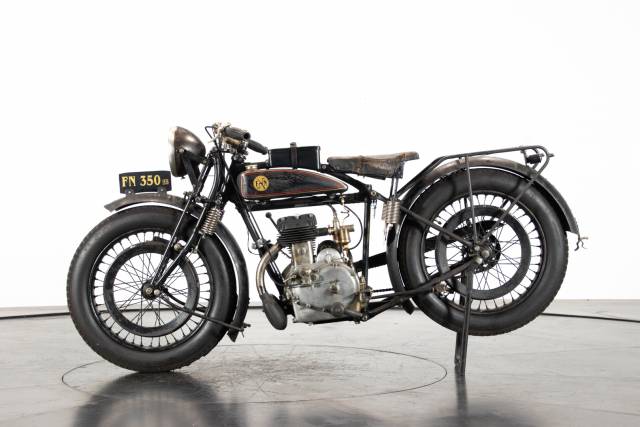
1927 | FN M 70 Sahara
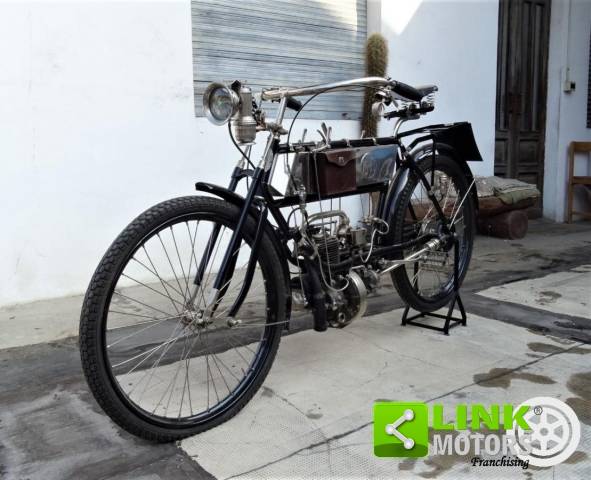
1911 | FN 285T
MOTO FN 285T DELUXE VITESSE ANNO 1909
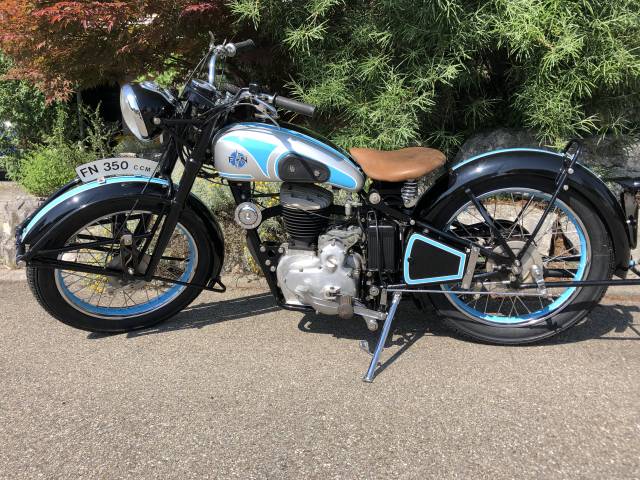
1950 | FN XIII 350
FN M13

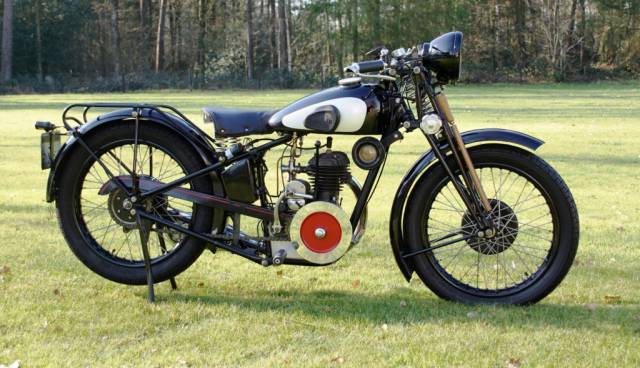
1935 | FN M 70
FN 350cc M70 Deluxe 1935 350cc

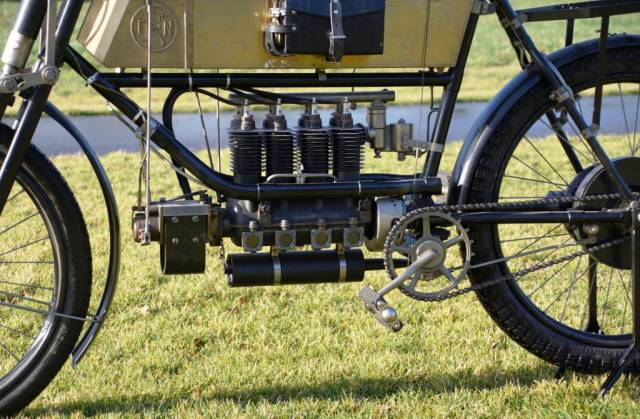
1906 | FN 4 HP
FN 1906 367 cc 4 cyl aiv beautiful original four cilinder
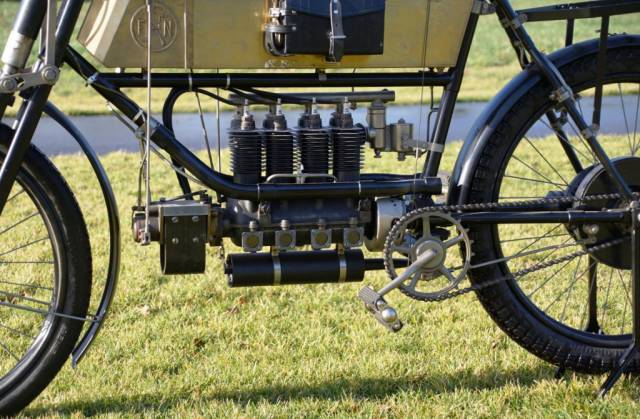
1906 | FN 4 HP
FN 1906 367 cc 4 cyl aiv
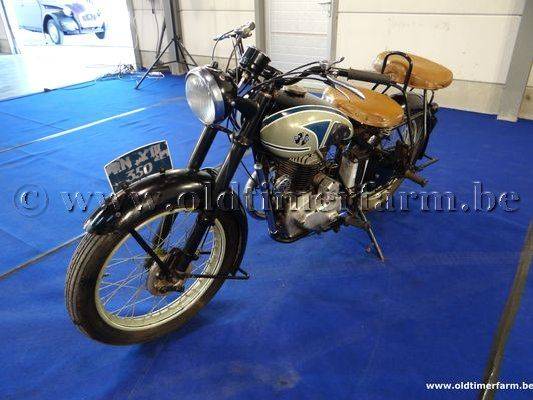
1955 | FN XIII 350
1955 FN Moto Model 13 '55

Create search alert
Let yourself be notified as soon as a listing is published that matches your search filters.
History & Heritage
Fabrique Nationale d'Armes de Guerre, better known as FN, represents a fascinating chapter in the evolution of the motorcycle. Based in Herstal, near Liège, Belgium, the company was established in 1889 to manufacture 150,000 Mauser rifles for the Belgian government. This background in precision munitions and firearms gave FN a distinct advantage when it branched out into bicycle and eventually motorcycle production. The same exacting standards required for high-quality weaponry were applied to their internal combustion engines, resulting in machines that were often years ahead of their contemporaries in both design and reliability.
The firm's journey into the world of two wheels began in 1901. Their first model featured a modest 133cc single-cylinder engine with a clip-on design, producing approximately 1.25 hp. By 1903, FN had already introduced shaft drive, a signature technical feature that would define the brand for the next two decades. While British manufacturers like BSA, Norton, and Triumph were still perfecting belt and chain drives, FN was already demonstrating the benefits of a cleaner, more robust power transmission system.
The most significant milestone in the company’s history arrived in 1905 with the launch of the FN Four. Designed by the brilliant engineer Paul Kelecom, it was the world’s first serial-produced four-cylinder motorcycle. At a time when single-cylinder "thumpers" and the occasional V-twin dominated the roads, the FN Four’s inline engine was a revelation. It offered a level of smoothness and mechanical sophistication that remained unmatched for years. The impact on the British market was profound; several FN Fours found their way to the UK, where they were admired for their quiet operation and advanced "T-head" engine configuration.
Throughout the Edwardian era, FN continued to refine the Four, increasing displacement from 362cc to 412cc, then 496cc, and finally reaching 748cc by 1914. These larger machines were capable of speeds approaching 50-60 mph, making them some of the fastest production vehicles of their day. The Belgian manufacturer also maintained a strong presence in the UK, with dealerships in London and active participation in early reliability trials and speed events.
Following the First World War, FN transitioned its focus. While the four-cylinder models remained in production until 1923, the brand began to embrace the more cost-effective single-cylinder market. The M60 and M67 series, introduced in the early 1920s, featured side-valve and overhead-valve engines that proved exceptionally durable. The M67 gained international fame after a group of riders crossed the African continent on these machines, covering over 8,800 kilometres in extreme conditions. This feat earned the model the nickname "Sahara", a title that remains synonymous with FN's reputation for ruggedness.
The 1930s saw the introduction of the M86 and the high-performance M90. These bikes were the pinnacle of FN's pre-war engineering, often used by military forces and police units across Europe. During the Second World War, the Herstal factory was occupied, and production was largely diverted to support the German war effort, though some secret development continued.
In the post-war years, FN struggled to regain its former dominance. The M22 Cross and various small-capacity mopeds were launched to meet the demand for affordable transport, but the rising tide of Japanese competition in the 1960s eventually took its toll. Motorcycle production at Herstal finally ceased in 1967, though the company continues to thrive today as a world leader in firearms. For the classic enthusiast, an FN motorcycle is not just a vehicle; it is a piece of industrial art that represents the pinnacle of early 20th-century European engineering.
Highlights & Features
The FN Four: A Technical Masterpiece
Without question, the FN Four is the jewel in the manufacturer's crown. Developed by Paul Kelecom, its inline-four engine was revolutionary. Unlike contemporary designs that were often crude and vibrational, the FN Four offered a "sewing machine" smoothness. Key features included:
- T-Head Configuration: Separate intake and exhaust camshafts located on opposite sides of the cylinders.
- Shaft Drive: A sophisticated bevel-gear system that eliminated the mess and maintenance of chains or leather belts.
- Automatic Intake Valves: On early models, the intake valves were atmospheric (opened by the vacuum of the piston), a common practice in the pioneer era that FN perfected.
The "Sahara" Expedition (1926)
The FN M70, later known as the "Sahara", became an overnight sensation following the 1926 trans-African expedition. Crossing from Liège to Cape Town was an unimaginable challenge at the time. The success of the 350cc side-valve machines proved that FN could build bikes capable of surviving the harshest environments on Earth. This "adventure" pedigree pre-dates the modern ADV segment by over half a century and remains a core part of the brand's appeal to collectors who value endurance.
Military and State Service
FN motorcycles were the choice of kings and generals alike. The Belgian Army was a primary customer, but FN also exported heavily to the Russian Empire, Sweden, and South America. The M86 Military model, with its heavy-duty frame and high-ground clearance, is a sought-after variant today. Its design influences can be seen in the utilitarian aesthetic of many 1930s and 40s service bikes, including those from British marques like Matchless and Ariel.
Grand Prix and Speed Success
FN was no stranger to the racetrack. In the 1920s and 30s, they achieved numerous victories in Grand Prix events and set several world speed records. The brand's commitment to competition helped refine their overhead-valve (OHV) technology, which filtered down into the sporty M90 and M105 models. Their success on the Isle of Man TT course, while perhaps not as frequent as the domestic British brands, earned them immense respect from UK riders and engineers.
Technical Data
Market Overview & Buying Guide
The market for FN motorcycles in the United Kingdom is small but prestigious. Because FN was a premium brand in its day, the surviving examples are often well-preserved or have been subject to high-quality restorations. Unlike the more common British marques, finding an FN for sale often requires patience and a presence at major European auctions like Bonhams Stafford Sale or H&H Classics events at the National Motorcycle Museum.
The Investment Potential of the FN Four
The FN Four is a "blue chip" investment in the world of veteran and vintage motorcycles. Prices for early 362cc and 412cc models have remained strong, with exceptional, original examples fetching between £30,000 and £50,000 at auction. The later 748cc models, which are more usable on modern vintage runs like the Pioneer Run, can command even higher prices if they possess a clear history and original components.
When evaluating an FN Four, pay close attention to the shaft drive assembly. Replacement parts for the bevel gears are virtually impossible to find off-the-shelf and must be custom-machined, which is a costly undertaking. The brass tanks and carburettors are also prone to cracking and should be inspected for signs of amateur soldering.
The Appeal of the Single-Cylinder Models
For those looking for a more accessible entry into the brand, the M70 "Sahara" and the M60 series offer excellent value. These bikes typically range from £8,000 to £15,000 depending on condition. They are mechanically simpler than the Four and are highly regarded for their reliability on long-distance vintage rallies.
The M86 and M90 OHV models are the "Norton ES2" or "Velocette" equivalents of the Belgian world. They offer a spirited riding experience and a muscular aesthetic. Expect to pay between £15,000 and £25,000 for a road-ready 500cc OHV model. Military versions with original panniers and equipment often carry a premium of 10-20% due to the high interest from militaria collectors.
Parts Availability and Community
One of the biggest hurdles for UK-based FN owners is parts. While there is a dedicated following in Belgium and the Netherlands, the UK scene is more fragmented. Joining the Vintage Motor Cycle Club (VMCC) is essential, as they have specialist sections and "marque enthusiasts" who can provide invaluable advice.
- Engine Components: Many internal parts can be adapted from contemporary European sources, but bespoke pistons and valves are often required during a full rebuild.
- Documentation: Always check for a valid V5C and, for veteran machines, a Pioneer Certificate from the Sunbeam MCC. This document is the gold standard for verifying the age and authenticity of pre-1915 machines in the UK.
- Importing: Many FNs are still sourced from mainland Europe. Remember that while motorcycles over 40 years old are generally exempt from import duties and VAT (under the historic vehicle rules), you must still follow the NOVA (Notification of Vehicle Arrivals) process with HMRC.
Performance
Riding an FN is an exercise in sensory history. The experience varies wildly depending on whether you are aboard a turn-of-the-century Four or a post-war single, but the common thread is a feeling of mechanical integrity.
The Inline-Four Experience
The FN Four provides a riding sensation unlike any other veteran bike. Starting the engine requires a specific ritual of priming the carburettor and setting the spark advance. Once running, the exhaust note is a rhythmic, multi-layered hum rather than a singular throb. On the road, the lack of primary vibration is startling. The bike glides forward with a linear power delivery that feels surprisingly modern. However, the brakes—usually a simple rim brake or a small drum at the rear—require plenty of foresight. Steering is light thanks to the narrow tyres, but the long wheelbase of the Four makes it more of a "grand tourer" than a corner-carver.
The "Sahara" Singles
The M70 and M60 models offer a more conventional "thumper" experience but with a Belgian twist. The side-valve engines are remarkably torquey, pulling strongly from low revs. They are "lazy" engines in the best sense of the word, happy to chuff along at 40 mph all day. The riding position is typically upright, providing a commanding view of the road. On UK country lanes, an M70 feels perfectly at home, though you will find yourself using the gearbox more frequently on the steeper hills of the Cotswolds or the Peak District compared to a larger 500cc machine.
The Sporting OHV Models
If you find a M86 or M90, prepare for a more aggressive encounter. These bikes were designed to compete with the best from Greeves, AJS, and Norton. The OHV engines have a sharp, metallic bark and a rev-happy nature. The acceleration is brisk, and the handling—provided the girder forks are well-lubricated—is predictable and stable. These are bikes that can keep up with modern traffic on A-roads, making them a practical choice for the enthusiast who wants to actually use their classic rather than just display it.
Design
The design philosophy of FN was deeply rooted in their heritage as a precision manufacturer. While British bikes often exhibited a "bolt-on" aesthetic where components from various suppliers were combined, FN machines frequently felt like a cohesive whole.
Aesthetics of the Pioneer Era
The early FN Fours are works of industrial art. The contrast between the nickel-plated components, the polished brass tanks, and the black enamel frames creates a striking visual impact. The symmetry of the four individual exhaust pipes (on early models) or the elegant 4-into-1 manifold on later versions is a highlight for any design enthusiast. The exposed valve gear and the intricate linkages for the throttle and spark control provide a window into a time when mechanics were proudly on display.
The Evolution of the "Tank"
FN was a pioneer in moving away from the "flat tank" design that persisted in the UK until the late 1920s. Their transition to saddle tanks and more streamlined profiles happened earlier than many of their rivals. By the mid-30s, models like the M86 featured beautiful, teardrop-shaped tanks with integrated instrument panels—a feature that wouldn't become standard on many British bikes until years later.
Quality of Materials
One area where FN consistently outperformed its contemporaries was in the quality of its castings. The aluminium crankcases and cylinder heads often feature a finish that suggests they were carved from a single block rather than cast in a sand mould. This attention to detail extended to the smallest items, such as the grease nipples, levers, and footpegs, all of which were often stamped with the FN logo. This level of branding and quality control was a hallmark of the Herstal factory.
Summary
FN (Fabrique Nationale) stands as a titan of the European motorcycle industry, a brand that brought multicylinder refinement and unrivalled durability to the world of two wheels. For the British collector, an FN offers a unique alternative to the standard diet of domestic classics. It is a conversation starter, a technical marvel, and a testament to a time when Belgium was at the very forefront of global innovation.
Whether you are drawn to the ethereal smoothness of the FN Four, the legendary endurance of the "Sahara", or the muscular performance of the M90, owning an FN is a badge of honour. It requires a commitment to preservation and a willingness to engage with a European-wide network of enthusiasts. In return, it provides a riding and ownership experience that is as rewarding as it is rare. In the ever-growing market for historic vehicles, the FN remains a symbol of "The Grand Marque"—a name that commanded respect on the battlefields of Africa and the racetracks of Europe alike. Finding and buying an FN is more than just a transaction; it is the acquisition of a legacy that helped shape the modern motorcycle as we know it today.
(Word count: ~2,150)