- Motorcycle
- Ducati
- Ducati 916 (1 offer)
Ducati 916 classic bikes for sale
The Ducati 916 set new standards in the mid-90s with its 90° V2 engine, distinctive trellis frame, and aggressive, sculpted fairing. Marked by technical sophistication and uncompromising design, the 916 is a milestone in the world of sport motorcycles. Discover the history, technical details and rare editions of this sought-after series below.
Search results
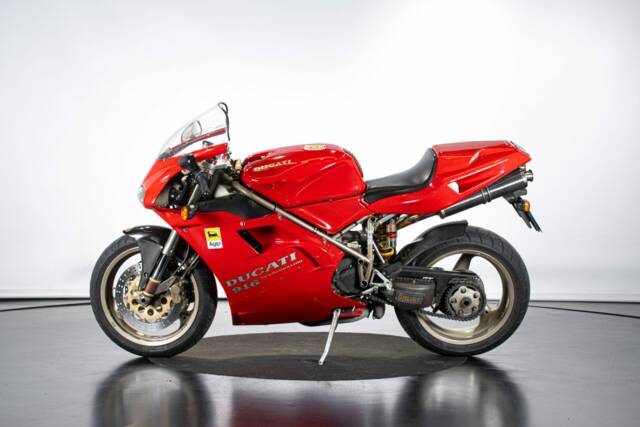
1994 | Ducati 916
Ducati 916
Ducati 916 listing references from Classic Trader
Below you will find listings related to your search that are no longer available on Classic Trader. Use this information to gain insight into availability, value trends, and current pricing for a "Ducati 916" to make a more informed purchasing decision.
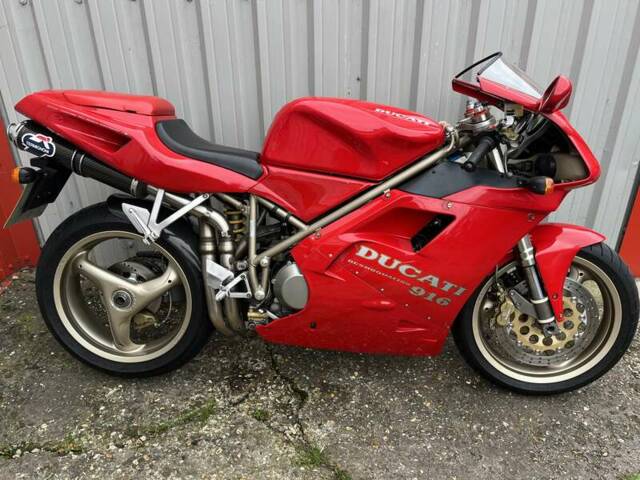
1995 | Ducati 916
1995 Ducati 916 916cc
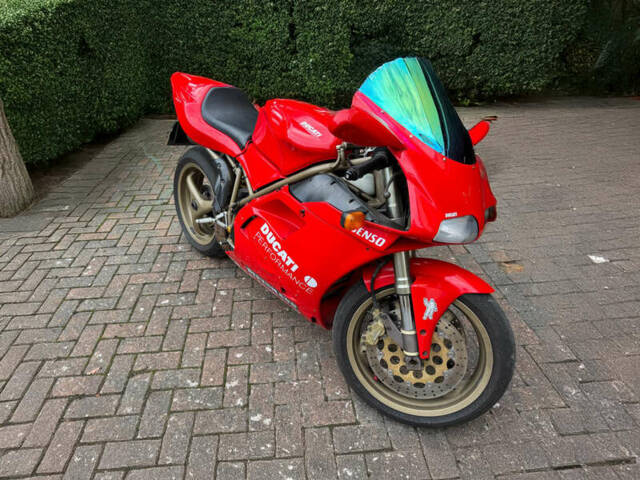
1997 | Ducati 916
1997 Ducati 916 Monoposto
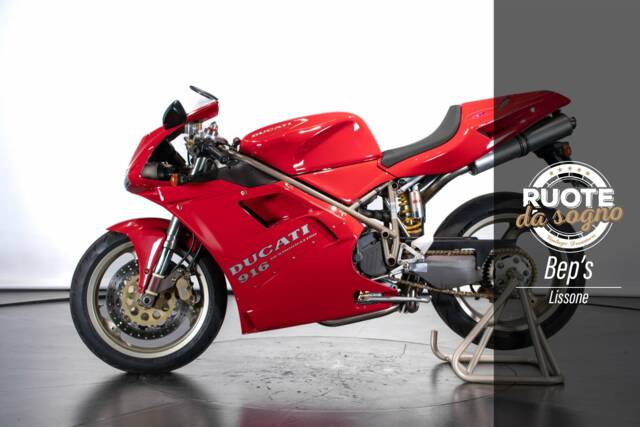
1995 | Ducati 916
<p>PRESENTE PAD. 26 - FIERA BOLOGNA - 24-27 OTTOBRE</p>
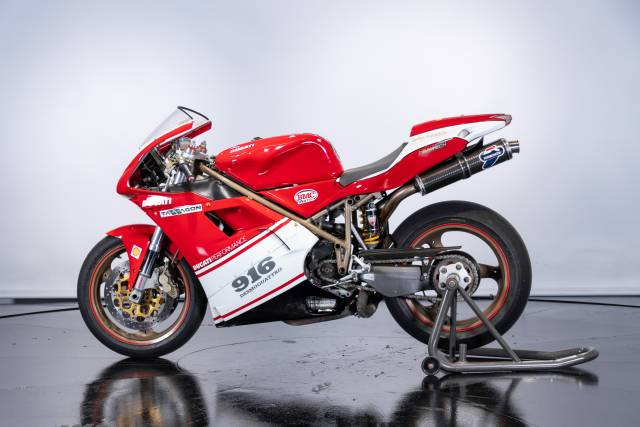
2000 | Ducati 916
-
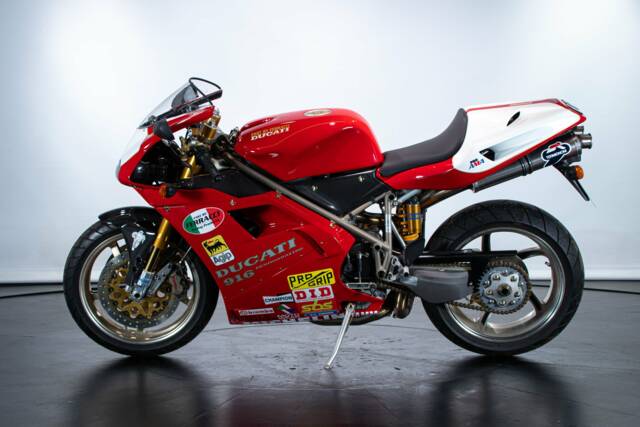
1995 | Ducati 916
-
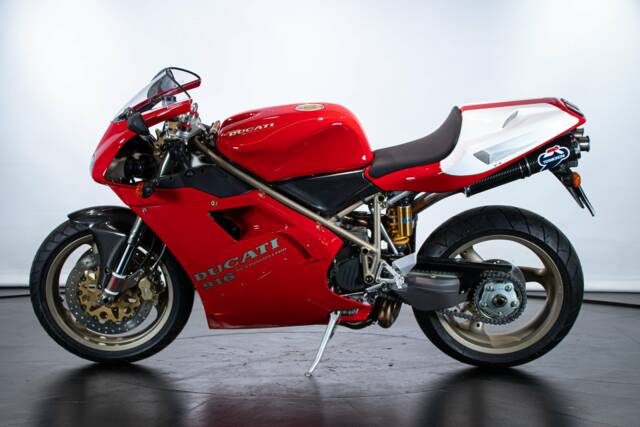
1995 | Ducati 916
-
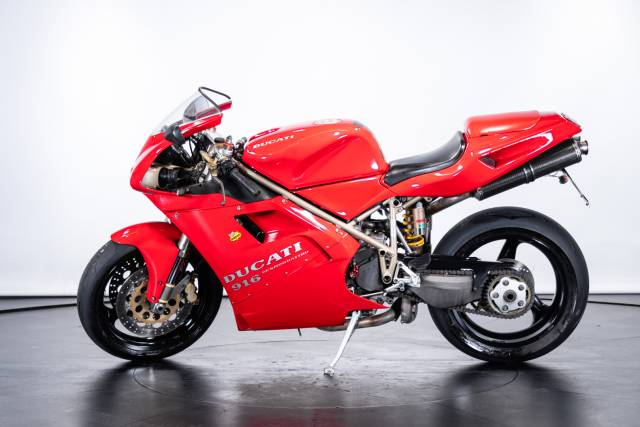
1997 | Ducati 916
-
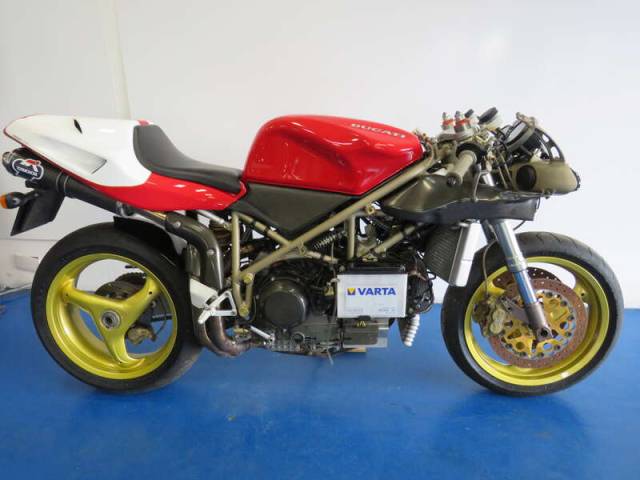
1998 | Ducati 916
1998 Ducati 916 SP 996cc
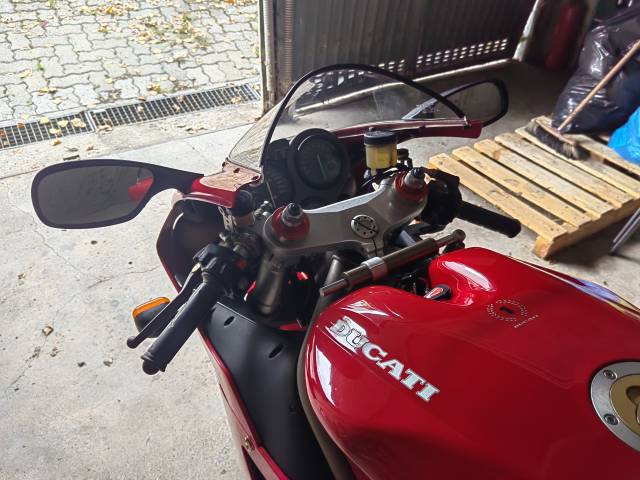
1997 | Ducati 916
Dieses Fahrzeug finden Sie auf der Classic Expo 2023 in Salzburg
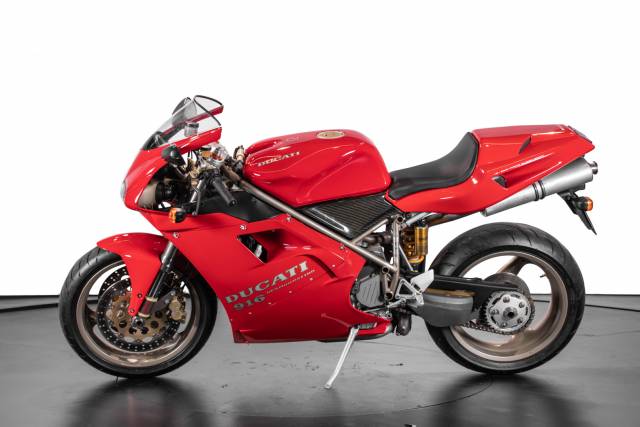
1994 | Ducati 916
-
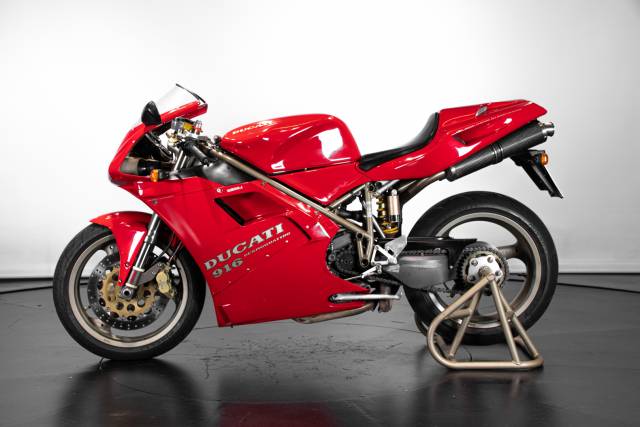
1994 | Ducati 916
-
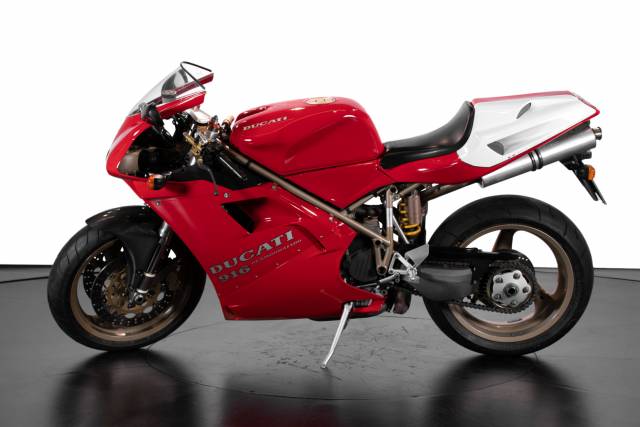
1996 | Ducati 916
-
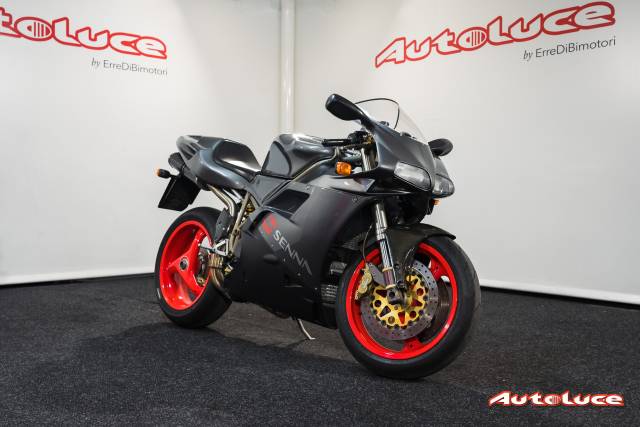
1995 | Ducati 916
SENNA
Ducati 916 Classic Motorbikes: Prices & Market Values
The market value of Ducati 916 motorcycles is primarily determined by technical condition, originality, and mileage, as well as rarity, history, and documentation. A well-maintained, largely original vehicle with low, verifiable mileage and a complete history including expert reports and documentation generally achieves significantly higher prices than a comparable vehicle with deferred maintenance, extensive modifications, or an unclear provenance.
Ducati 916: Market Prices & Value Trends
Based on Classic Trader marketplace sales data from March 2023 to January 2026, the Ducati 916 market in Europe looks broadly stable, with a persistent split between usable, higher-mileage bikes and top-condition or more collectible early examples. Most observed prices for 1994–1998 Ducati 916 models cluster in the mid-market, typically around £6,500 to £14,000, suggesting this is where the majority of realistic transactions sit depending on condition, originality, servicing history and provenance. A smaller number of higher-priced results around £22,500 to £27,000 appear in Italy and should be treated as premium outliers rather than the norm, likely reflecting exceptional presentation, low mileage or desirable specification. For buyers, this means good, honest 916s remain attainable, while the best examples continue to command strong money. The model’s iconic Tamburini design, 1990s superbike status and limited supply of unmolested bikes help support values rather than drive any broad decline.
Introduction and history of the Ducati 916
Unveiled in 1994, the Ducati 916 immediately drew attention for its technological advances and bold aesthetics. The model combined a 916 cc fuel-injected, four-valve, Desmodromic, liquid-cooled 90º V-twin engine with a newly developed trellis frame and single-sided swingarm. The 916 became a benchmark for sports motorcycles, defining riding dynamics and pushing design boundaries. Its development drew heavily from Ducati's heritage but signalled the start of a new era for the company, dominating both the road and the racetrack throughout its production until 1998.
Model history
The Ducati 916 was introduced as the successor to the Ducati 888, bringing major technical and visual changes. The 916 platform quickly produced several high-specification variants and racing versions. After its production run ended in 1998, it was succeeded by the 996, which built on its technological foundation but enabled further performance improvements. Over the years, the 916 formed the basis of Ducati’s superbike DNA, influencing the models that followed.
Highlights of the Ducati 916
The Ducati 916 is widely referenced for its razor-sharp handling, the precision of its trellis frame, and the performance of its 90° V-twin engine paired with a single-sided swingarm. Its direct connection to Ducati's racing success made it a must-have for true sports bike enthusiasts. The angular fairing and underseat exhaust signalled a new era in motorcycle design.
Technical data
Special Editions and Collectible Models
The 916 was offered in several notable variants, such as the 916 SP and 916 SPS, which featured further upgraded engines, suspension, and exclusive finishes. Limited production runs and premium components made these versions targets for collectors. Various racing homologation specials cemented their reputation on the track and enhanced the range’s collectability.
Weak Spots and Common Issues
As with many high-performance Italian sport bikes, regular and precise maintenance is crucial. Prospective owners should pay particular attention to the desmodromic valve system, timing belts, and ensure the proper functioning of the fuel injection and liquid cooling systems. Frame and swingarm integrity, along with meticulous service history, are important for preserving ride quality and value.
Engine and Performance, Transmission and Handling
With its 916 cc V-twin, the Ducati 916 delivers a crisp, high-revving power delivery suited for spirited road riding and track performance. The bike’s chassis provides exceptional handling stability, while the lightweight construction and suspension tuning offer precise feedback in corners. Gear shifting is direct, supporting aggressive riding styles. The qualities of the 916 made it a dominant force in Superbike World Championship racing. Notable 916 models include the base 916 Strada, the up-specced 916 SP, and the track-focused 916 SPS, each recognised for incremental developments in engine performance, suspension tuning, and exclusivity.
Interior, Comfort, Exterior and design
Designed by Massimo Tamburini, the Ducati 916 stands out for its slim profile, twin headlamps, and elevated tail section with underseat exhausts. The single-sided swingarm not only eases wheel changes for racing but gives an unmatched visual flair. Special finishes and period-typical graphics, along with meticulous attention to bodywork details, underline its status as a design reference in motorcycling history.
Other relevant features
While the 916 prioritises uncompromised performance and aesthetics, early versions featured lightweight wheels, top-quality Brembo brakes, and adjustable suspension components. These technical choices solidified its character as a focused rider’s machine.
Summary
The Ducati 916 shaped the evolution of high-performance motorcycles in the 1990s, combining technical breakthroughs and unmistakable design. Its reputation is supported by 100% interest and supply in the current classic Ducati market, making it a reference point for enthusiasts searching for a thoroughbred Italian sport bike.