Zündapp Janus classic cars for sale
The Zündapp Janus offers one of the most unusual microcar concepts of the 1950s: symmetric doors at front and rear and a unique back-to-back seating layout. Produced only between 1957 and 1958, the Janus is instantly recognisable for its technical quirks and innovative use of space.
Search results
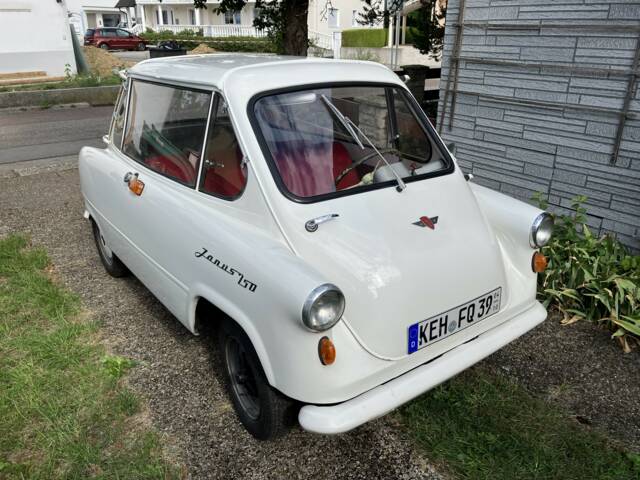
1958 | Zündapp Janus
Iconic classic from 1958: Rare Zündapp Janus to be entrusted to loving hands
Preview

Zündapp Janus listing references from Classic Trader
Below you will find listings related to your search that are no longer available on Classic Trader. Use this information to gain insight into availability, value trends, and current pricing for a "Zündapp Janus" to make a more informed purchasing decision.
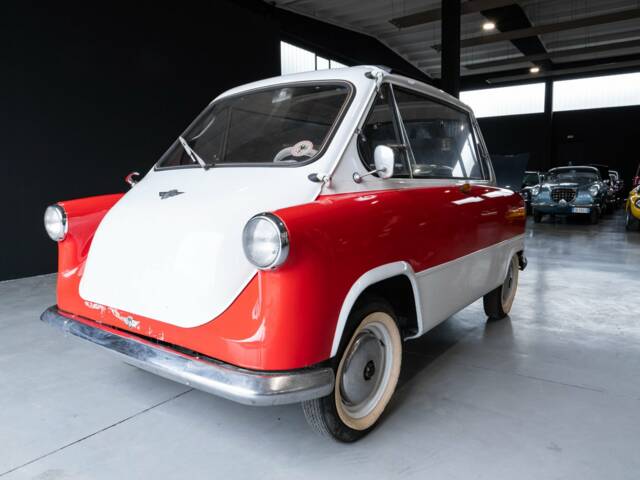
1958 | Zündapp Janus

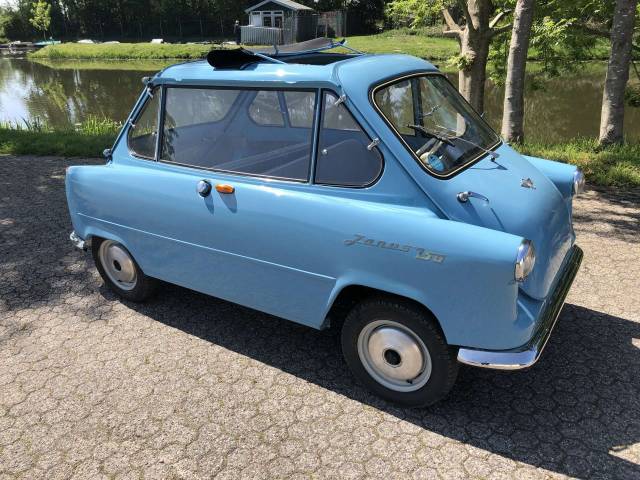
1958 | Zündapp Janus

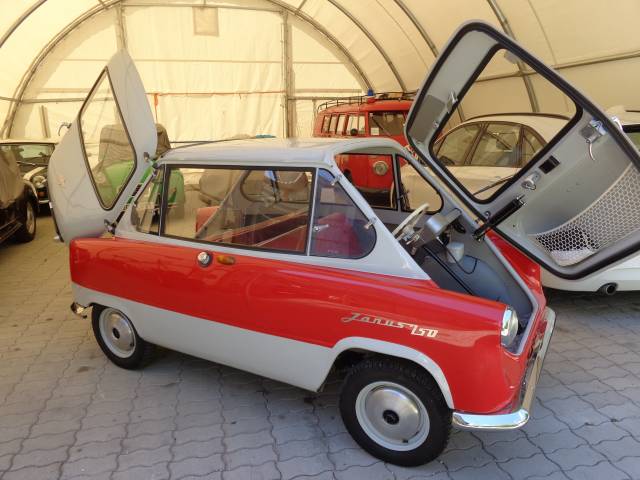
1958 | Zündapp Janus
Neu aufgebaut

Zündapp Janus Classic Cars: Prices & Market Values
History of the Zündapp Janus
The Zündapp Janus takes its origin from the Dornier Delta prototype, which never entered production. Zündapp acquired the rights, further developed the design with subtle technical modifications and began building it in 1957. The model’s name, ‘Janus’, references the Roman god with two faces, a nod to the vehicle’s two sets of identical doors and its dos-à-dos seating, where rear passengers sit facing backwards. This extraordinary spatial concept provided both generous legroom for all passengers and the ability to easily transport larger items. Production lasted only until 1958, primarily due to the shifting automotive market: affordable models such as the VW Beetle made microcars less attractive, and German consumers increasingly favoured larger vehicles. Just 6,902 units were built before the Janus was discontinued.
Model history
The Janus was Zündapp’s only car, springing directly from the Dornier Delta prototype and with no predecessor or successor. Its brief production run marked a singular chapter in Zündapp’s otherwise motorcycle-focused history. Once Zündapp exited the microcar market, the brand concentrated fully on two-wheelers.
Highlights and Special Features
What sets the Zündapp Janus apart is its radical, symmetrical structure and forward-thinking design. Both the front and rear feature identical doors, and seating is arranged so that the rear occupants face backwards. The car employed a mid-mounted engine—unusual outside of sports cars at the time—and a motorcycle-like gear shifter mounted to the driver’s left. Zündapp also fitted hydraulic brakes on all four wheels, rare for microcars of the era. Measuring under three metres in length and weighing only 425 kg, the Janus could reach a top speed of around 85 km/h.
Technical Data
Special editions and collector’s versions
There are no known official special or limited editions of the Zündapp Janus, as its exceptionally brief production run and single body style meant only one version was ever offered. Prototypes or vehicles with unusual histories might occasionally emerge within collectors’ circles.
Weak Points and Common Issues
No formal weak spots are reported in the available database. However, as with many microcars of its time, potential owners should be attentive to the condition of the mid-engine setup, particularly regarding noise and odour insulation. The innovative door and seating layout introduces its own set of mechanical quirks, requiring careful inspection for wear in hinges and seat mechanisms. Sourcing specific Janus-spare parts might require patience due to the low production numbers.
Engine, Performance, and Handling
With its 248cc, 14 hp single-cylinder engine installed centrally, the Janus offers a driving experience distinct from most microcars. The mid-engine aided balance, while independent suspension at all corners and hydraulic brakes brought a surprising degree of stability and adequate stopping power. Top speed was officially rated at 85 km/h, with most examples happiest cruising at slower, urban paces. The left-mounted, motorcycle-inspired gear shifter provided a period-specific and somewhat idiosyncratic experience. The compact size and featherweight construction translated to nimble city driving, though motorway capability was limited.
Popular Janus variants: The only production variant is the standard Janus microcar, featuring the aforementioned drivetrain and interior configuration. undefined
Interior, Exterior, Comfort and Equipment
Styling is instantly recognisable, with the Janus standing out thanks to its dual, symmetrical doors and compact microcar proportions. The interior remains spartan, but utilitarian: both forward- and rear-facing benches provide good leg- and headroom for such a small footprint. Janus models came in a range of pastel colours typical for the 1950s and basic upholstery materials. Key design elements include the rear-hinged doors and a panoramic curved windscreen. Equipment is minimal, as the focus was purely on functional transport within restrictive dimensions. Collectors today may encounter occasional original accessories like period-correct roof racks or optional hubcaps.
Other Features
One of the Janus’ rare mainstream appearances came in the animated film 'Cars 2', personified as the villain Professor Zündapp. This nod to the microcar’s distinctive looks has helped raise its profile among automotive enthusiasts and pop culture fans alike.
Summary
A true outlier of German post-war automotive engineering, the Zündapp Janus remains notable for its unorthodox design and technical solutions. Built for only a single year, it is a rare sight and a fascinating collector’s item for anyone interested in microcars, engineering novelties, or the unique corners of automotive history.