Zastava Skala classic cars for sale
The Zastava Skala is a distinctive classic from the Yugoslav and Serbian manufacturer Zastava Automobili, characterised by its liftback body style derived from the Fiat 128 sedan. Produced from 1971, it became a familiar sight in Eastern Europe, with examples often featuring original documentation, technical assessments, and authentic paperwork.
Search results
Currently, there are no matching listings for your search.
Create search alert
Let yourself be notified as soon as a listing is published that matches your search filters.
Create listing
Do you have a Zastava Skala that you want to sell? Then create a listing now.
Create listingZastava Skala listing references from Classic Trader
Below you will find listings related to your search that are no longer available on Classic Trader. Use this information to gain insight into availability, value trends, and current pricing for a "Zastava Skala" to make a more informed purchasing decision.
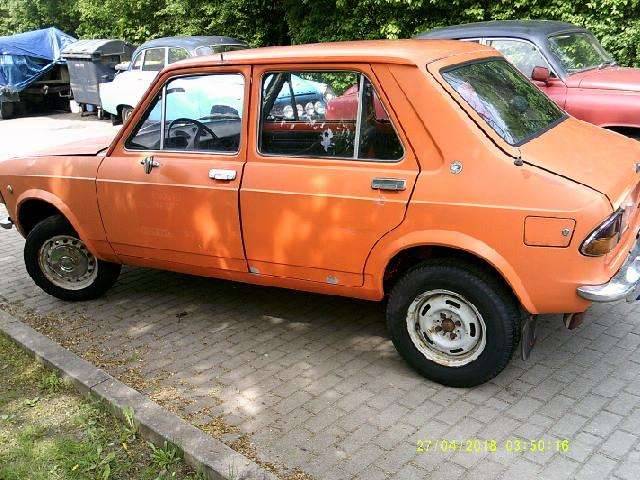
1975 | Zastava 101 Skala
Zastava

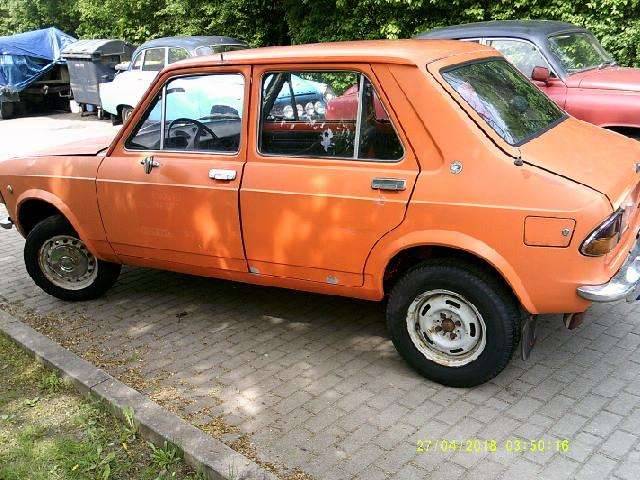
1975 | Zastava 101 Skala
Zastava
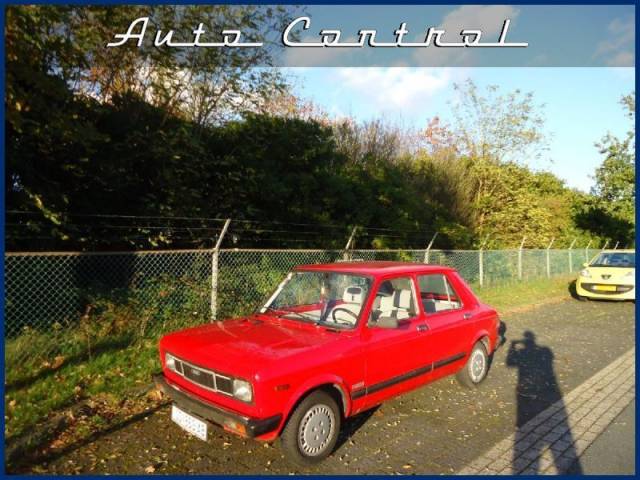
1990 | Zastava 101 Skala

Create search alert
Let yourself be notified as soon as a listing is published that matches your search filters.
Create listing
Do you have a Zastava Skala that you want to sell? Then create a listing now.
Create listingZastava Skala Classic Cars: Prices & Market Values
History of the Zastava Skala
The Zastava Skala traces its roots back to 1971, when Zastava Automobili launched it as a modern alternative tailored for local preferences in the Balkans. Borrowing key technical aspects from the Fiat 128, the Skala stood out by offering a 3- or 5-door liftback body, a format not available from Fiat in Italy. Its direct aim was to address the everyday needs and conditions of Yugoslav drivers, offering practicality, affordability, and ease of maintenance. Over time, the Skala was marketed under various names, including Zastava 101, 1100, 1300, GTL, and Yugo Skala 55c and 65c, reflecting updates to trim and engine options throughout its production run.
Model history of the Skala series
The Zastava Skala model series started as a reinterpretation of the Fiat 128 architecture, adapted to local conditions and preferences. Unlike the Fiat 128, the Skala featured a unique liftback design, enhancing luggage capacity and versatility. Predecessor models were absent, as the Skala marked Zastava's shift towards modern, self-contained family cars. Later updates and trim variations led to submodels like GTL and the numerically designated variants (55c, 65c), signifying changes in engine displacement and equipment. As the Yugo Skala, the model would serve as the mainstay of the Zastava lineup until newer lines were introduced.
Highlights of the Zastava Skala
A defining feature of the Skala is its practical liftback configuration, designed exclusively for the Balkan market. The Skala was notable for continuous production over several decades and adaptable to local fuel and road conditions. Many vehicles today retain original documentation, historical registration, and evidence of careful ownership, often supported by service histories and classic car club membership. Original owner’s manuals and technical schematics are sometimes preserved with these vehicles.
Technical data for the Zastava Skala
Special Editions and Collectible Models
Trim variations and special editions of the Skala include submodels such as the GTL, and the Yugo Skala 55c and 65c, distinguished by improvements in engine size and equipment. Collectors sometimes seek models with confirmed provenance, original sales invoices from dealers like Mototechna, or vehicles still registered with classic car clubs and documentation from their first delivery.
Engine, Performance, and Handling
A core strength of the Skala is its Fiat-derived engine and drivetrain: transverse mounting, front-wheel drive, and straightforward mechanics. Engine sizes range between 1.1 and 1.3 litres, with moderate performance designed for everyday driving and longevity, rather than speed. The front-wheel-drive layout contributed to stable handling even on challenging Balkan roads, and the Skala’s simple suspension setup made it repair-friendly in resource-limited environments. Variants like the Yugo Skala 55c or 65c and the GTL are favoured for their improved engines and period-correct character, while cars with full historical paperwork or original technical schematics are valued for their authenticity.
Interior, Comfort, Exterior and Design
Zastava’s Skala stands out with its boxy, functional exterior—liftback form was a novelty in the region in the 1970s. Interiors prioritised longevity and practicality with durable materials, spartan comfort, and straightforward instrument clusters. Genuine models may include original accessories like instruction manuals with wiring diagrams or rare technical booklets. The Skala was offered in a palette of traditional Balkan and Eastern European colours, ranging from strong solid hues to more subdued earth tones, often as dictated by dealer inventories of the time.
Other relevant features
Some Zastava Skala vehicles still available on the market benefit from original Eastern Bloc registration documents, making them attractive for collectors with an interest in regional automotive history. Manufacturer or club technical appraisals, as well as verified maintenance histories, are sometimes available and add to the transparency around surviving examples.
Summary
The Zastava Skala continues to hold a significant place in the history of Eastern European motoring, as evidenced by its overwhelming representation in the Zastava listings and demand on Classic Trader. Standouts among surviving examples include those with original paperwork, technical documentation, and enduring mechanical integrity—a testament to the vehicle’s roots in practical engineering and adaptability to local conditions.